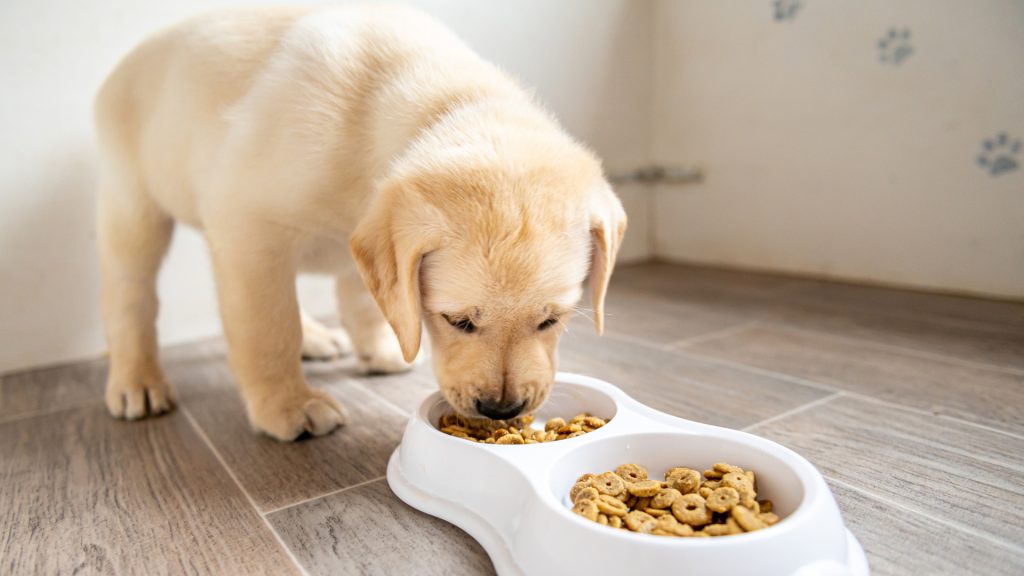

Are you wondering when your adorable puppy can start eating adult dog food? It’s a question every new dog owner faces.
Feeding your puppy the right food at the right time is crucial for their health and growth. If you switch too early or too late, it could cause stomach problems or slow their development. You’ll discover the perfect time to make the change and how to do it smoothly.
Keep reading to ensure your furry friend gets the best nutrition at every stage of life.
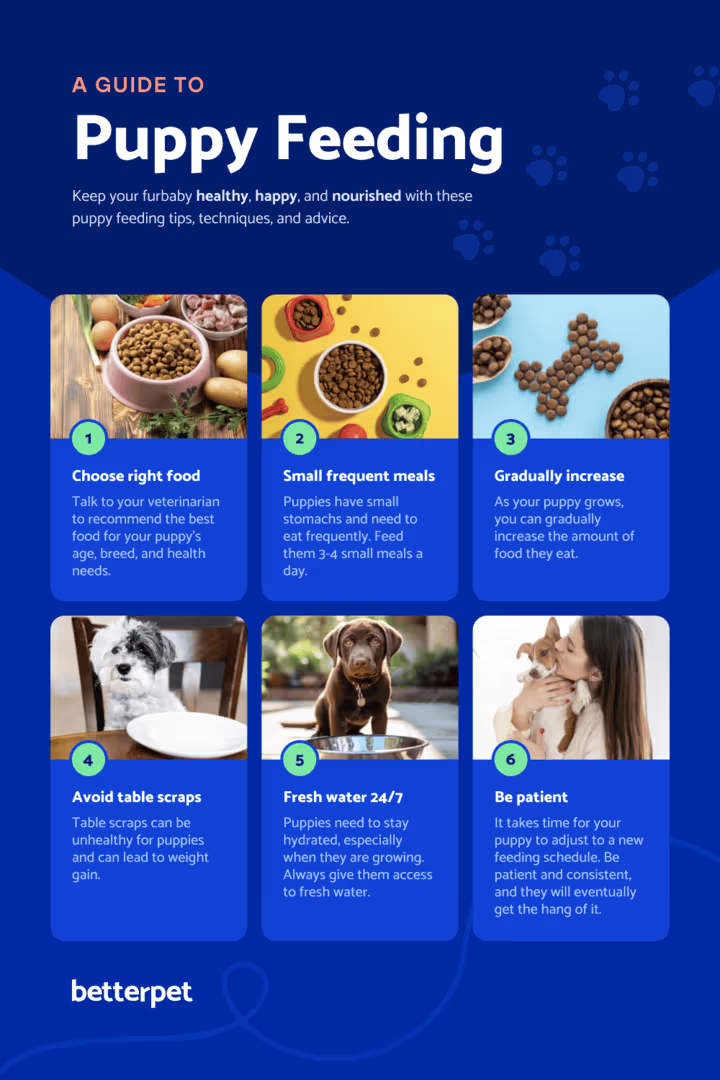
Credit: www.betterpet.com
Puppy Nutrition Basics
Understanding puppy nutrition basics is key to raising a healthy and happy dog. Puppies have different dietary needs than adult dogs because they are growing fast and need extra nutrients. Getting this right early on sets the foundation for your puppy’s overall health and development.
Why Puppy Food Matters
Puppy food is specially made to support rapid growth and development. It contains higher levels of protein, fat, and essential vitamins to fuel your pup’s energy and build strong muscles and bones.
Feeding adult dog food too soon can leave your puppy lacking important nutrients. Have you noticed your puppy’s energy dipping or their coat losing shine? That could be a sign their food isn’t meeting their needs.
Choosing the right puppy food helps prevent health problems later on. It also supports brain development and a strong immune system. Your pup deserves the best start, so don’t rush the switch to adult food.
Differences Between Puppy And Adult Food
Puppy food differs from adult dog food in several important ways:
- Protein content:Puppy food has higher protein levels to support muscle growth.
- Fat levels:More fat provides extra energy for active, growing puppies.
- Calcium and phosphorus:These minerals are balanced carefully in puppy food to promote healthy bone development.
- Calories:Puppies burn more calories, so their food is more calorie-dense.
Adult dog food is designed to maintain health rather than promote growth. It usually has fewer calories and less fat, which can leave your puppy feeling hungry or undernourished.
Have you checked your puppy food label lately? It’s worth comparing to see the clear differences and understand why timing the transition to adult food is so important.
When To Start Transitioning
Knowing the right moment to start switching your puppy from puppy food to adult dog food can feel tricky. It’s not just about age but also about how your puppy is growing and changing. Paying attention to specific signs and guidelines helps you make this transition smooth and healthy for your furry friend.
Signs Puppy Is Ready
Watch your puppy’s behavior and physical development closely. If your puppy is chewing less on everything and showing steadier energy levels, these are good signs they might be ready for adult food.
Other signs include:
- Teeth are fully developed and strong enough for adult kibble.
- Weight gain has started to slow down and stabilize.
- Less frequent need for high-calorie food to support rapid growth.
Have you noticed your puppy’s appetite changing? That’s a hint they might be ready to try a new diet.
Recommended Age For Transition
The general recommendation is to start transitioning your puppy around 12 months old. However, this can vary depending on the breed and size of your dog.
Smaller breeds often mature faster and can switch closer to 9 months, while larger breeds might need to stay on puppy food up to 18 months. Check with your vet to tailor the timing for your puppy’s specific needs.
Remember, gradual change is key. Begin by mixing a small amount of adult food into their puppy food over 7 to 10 days. This helps avoid stomach upset and lets your puppy adjust to the new flavors and textures.
Step-by-step Transition Process
Transitioning a puppy to adult dog food requires care and patience. A smooth switch helps avoid stomach upset and keeps your puppy healthy. The process involves mixing foods gradually and watching how your puppy reacts. This step-by-step approach supports a gentle change in diet.
Gradual Mixing Method
Start by mixing a small amount of adult food with puppy food. Use about 25% adult food and 75% puppy food. Feed this mix for three to four days. Next, increase the adult food to 50% and reduce puppy food to 50%. Keep this for another few days.
Then, change the ratio to 75% adult food and 25% puppy food. Continue this for three to four days. Finally, offer only adult dog food. This slow change helps your puppy’s digestion adjust. Avoid switching the food too fast.
Monitoring Puppy’s Reaction
Watch your puppy’s behavior and stool during the transition. Look for signs like vomiting, diarrhea, or loss of appetite. A healthy puppy stays active and eager to eat. If any problems appear, slow down the transition.
Keep fresh water available at all times. Check for any allergies or sensitivities. Consult your vet if your puppy shows strong reactions. Patience and observation are key to a successful food change.
Common Challenges During Transition
Transitioning a puppy to adult food can cause digestive upset and picky eating. Timing the switch too early or late often leads to nutritional issues. Patience and gradual changes help puppies adjust smoothly to new food.
Transitioning your puppy to adult dog food can be a tricky process. It involves more than just switching the type of food. You might face several challenges that could affect your puppy’s health and happiness. Each puppy is unique, and understanding these challenges can make the transition smoother for both you and your furry friend.Digestive Upset
Switching foods can sometimes upset your puppy’s stomach. Puppies are sensitive to changes in diet, which may lead to symptoms like diarrhea or vomiting. To minimize these issues, gradually introduce the adult food over a week or two. Start by mixing a small amount of adult dog food with your puppy’s current food. Gradually increase the proportion of adult food while reducing the puppy food. This slow transition helps your puppy’s digestive system adapt smoothly.Food Preferences And Picky Eating
Puppies, much like people, can be picky eaters. Your puppy might not take to the new food immediately. They might sniff it and walk away, showing little interest. Experiment with different flavors and brands if your puppy is reluctant to eat. You might find that they prefer certain ingredients or textures. Always ensure the new food meets the nutritional needs of adult dogs. If your puppy is particularly stubborn, try adding a bit of warm water to the dry food. This can make the meal more appealing by releasing its aroma. Have you ever noticed how a warm meal seems more inviting? Your puppy might feel the same way!Adjusting Adult Food For Puppies
Switching your puppy to adult dog food isn’t just about changing the bag you buy. Puppies have different nutritional needs, so you have to adjust adult food carefully. This helps avoid digestive upset and ensures your puppy still gets enough nutrients during this important growth phase.
Portion Sizes
Adult dog food is more calorie-dense than puppy food, so portion sizes need to be smaller. Start by feeding about half to two-thirds of the recommended adult portion for your puppy’s weight.
Watch your puppy’s weight and energy levels closely. If they seem hungry or are losing weight, increase the portion slightly.
Remember, puppies burn energy fast but don’t need as many calories as before. Adjust portions every week until you find the right balance.
Nutritional Supplements If Needed
Adult dog food might miss some nutrients essential for puppies, like extra calcium or DHA for brain development.
Check with your vet before adding supplements. They can recommend safe options if your puppy’s diet lacks anything important.
Sometimes, a simple multivitamin or fish oil capsule can make a big difference in your puppy’s growth and health during the transition.

Credit: us.eukanuba.com
Special Considerations
Choosing the right time to switch a puppy to adult dog food involves special care. Every dog is unique. Factors like breed, size, and health play a big role. Understanding these details helps ensure your puppy grows healthy and strong.
Breed And Size Differences
Small and large breeds grow at different speeds. Small breeds mature faster and can switch to adult food sooner. Large breeds need more time on puppy food to support their growth.
Here is a simple guide:
| Breed Size | Typical Switch Age |
|---|---|
| Small Breeds (under 20 lbs) | 9-12 months |
| Medium Breeds (20-50 lbs) | 12 months |
| Large Breeds (over 50 lbs) | 12-18 months |
Large breeds need puppy food longer to avoid joint problems. Adjust feeding times to your dog’s breed and size.
Health Issues Affecting Diet
Health problems can change dietary needs. Puppies with allergies might need special diets. Digestive issues require gentle, easy-to-digest food.
Consult a vet if your puppy shows signs of:
- Food allergies or sensitivities
- Digestive upset or diarrhea
- Slow growth or weight loss
- Joint or bone problems
Vets can recommend the best food type and timing for your puppy’s health. Careful monitoring helps catch problems early.
Tips From Veterinarians
Veterinarians offer valuable tips for safely switching your puppy to adult dog food. Their advice helps ensure your puppy grows healthy and strong. Paying attention to their guidance can prevent digestive issues and nutritional gaps.
When To Consult A Vet
Consult a vet before changing your puppy’s diet. Puppies grow at different rates. Some may need adult food earlier or later than others. A vet can assess your puppy’s weight, health, and breed. They will recommend the best time to switch food. Visit the vet if your puppy shows digestive problems. Signs include diarrhea, vomiting, or loss of appetite. Early vet advice avoids health complications and supports proper growth.
Recommended Food Brands And Types
Choose high-quality brands trusted by veterinarians. Look for foods labeled for adult dogs but suitable for your breed size. Small breed adult formulas differ from large breed ones. Select foods rich in protein and balanced nutrients. Avoid foods with artificial colors, flavors, or fillers. Some vets suggest gradual mixing of adult food with puppy food. This helps your puppy adjust to the new diet smoothly.
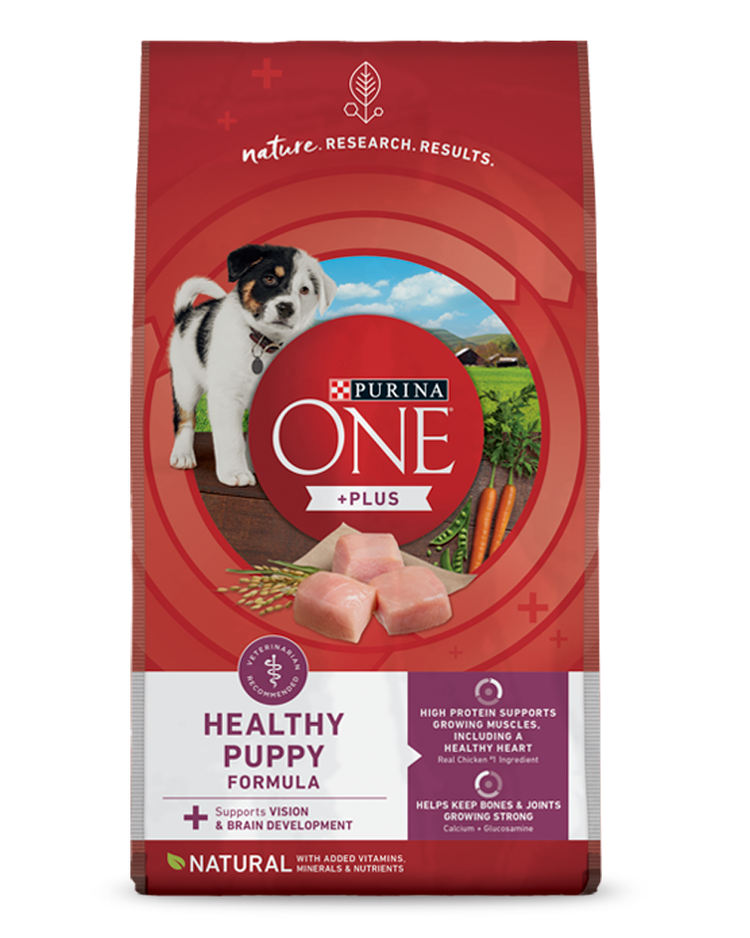
Credit: www.purina.com
Frequently Asked Questions
When Can A Puppy Switch To Adult Dog Food?
Puppies can usually switch to adult dog food between 9 to 12 months. Small breeds may switch earlier, while large breeds might take longer. Always consult your vet before transitioning your puppy’s diet to ensure proper nutrition and growth.
Why Not Feed Puppies Adult Dog Food Early?
Adult dog food lacks essential nutrients puppies need for growth. Feeding adult food too early can cause nutritional deficiencies. Puppy food has higher protein and fat to support development. Proper nutrition during puppyhood is crucial for healthy bones and immune function.
How To Transition Puppy To Adult Dog Food Safely?
Transition gradually over 7 to 10 days by mixing adult food with puppy food. Increase adult food amount daily while reducing puppy food. This helps avoid digestive upset and allows the puppy to adjust to new taste and texture smoothly.
Does Breed Size Affect When Puppies Eat Adult Food?
Yes, breed size influences the timing. Small breeds mature faster and can switch around 9 months. Large and giant breeds grow longer and should stay on puppy food up to 12-18 months to support slow growth. Always follow breed-specific guidelines.
Conclusion
Puppies need special food to grow strong and healthy. Switching to adult dog food too soon can cause problems. Wait until your puppy is about one year old before changing their diet. Watch for signs that they are ready. Always choose good quality dog food for their needs.
Feeding the right food helps your dog live a happy life. Take your time and care during this change. Your puppy will thank you with lots of love and energy.