Are you wondering how much food your adult male Bullmastiff needs to stay healthy and strong? Feeding your dog the right amount is key to keeping him active, happy, and at a perfect weight.
Too little food can leave him hungry and weak, while too much can lead to weight gain and health problems. You’ll discover exactly how much your Bullmastiff should eat every day, along with simple tips to make mealtime just right.
Keep reading to give your loyal companion the best care possible!
Daily Calorie Needs
Understanding the daily calorie needs of an adult male Bull Mastiff helps maintain his health and energy. Calories fuel all activities, from sleeping to playing. Feeding the right amount supports a healthy weight and avoids problems like obesity or malnutrition. The calorie requirement varies based on many factors unique to each dog. Knowing how to calculate these needs ensures your Bull Mastiff gets just the right energy from his food.
Factors Influencing Calorie Requirements
- Age:Adult dogs need fewer calories than puppies, but active seniors may vary.
- Weight:Heavier dogs burn more calories at rest and during activity.
- Activity Level:Active dogs need more calories to fuel movement and play.
- Metabolism:Some dogs naturally burn calories faster than others.
- Health Status:Illness or certain conditions can increase or decrease energy needs.
- Environment:Cold weather may raise calorie demands as dogs burn more to keep warm.
Calculating Energy Needs For Adult Males
Start with your Bull Mastiff’s ideal weight in kilograms (kg). Use the Resting Energy Requirement (RER) formula:
| RER | = 70 × (body weight in kg)0.75 |
This number shows calories needed at rest. Multiply RER by an activity factor to find the daily calorie need:
- Neutered adult:RER × 1.6
- Active adult:RER × 2.0
- Working or very active:RER × 3.0
For example, a 50 kg neutered Bull Mastiff needs around 70 × 500.75= 1648 calories. Multiply by 1.6 for daily needs, about 2637 calories.
Adjust feeding amounts based on weight changes and activity shifts. Monitor your dog’s body condition regularly.
Recommended Food Quantity
Feeding an adult male Bullmastiff the right amount of food is key to his health. Overfeeding may cause obesity, while underfeeding can lead to nutrient deficiencies. The recommended food quantity depends on his weight and activity level. Understanding these factors helps keep your dog strong and happy.
Portion Sizes Based On Weight
Adult male Bullmastiffs generally weigh between 110 and 130 pounds. Their daily food intake varies accordingly. Below is a simple guide for portion sizes based on weight.
| Weight (lbs) | Daily Food Amount (cups) |
|---|---|
| 110 – 120 | 5 – 6 |
| 121 – 130 | 6 – 7 |
Feed your Bullmastiff twice a day. Split the daily portion into two meals. This supports digestion and energy levels.
Adjusting Portions For Activity Levels
Activity affects how much your dog needs to eat. A more active Bullmastiff burns more calories. Increase food slightly for active dogs.
- Low activity: stick to the lower range of portions.
- Moderate activity: feed the middle range amount.
- High activity: offer the higher range of food.
Watch your dog’s weight and adjust portions as needed. Regular exercise and balanced feeding keep your Bullmastiff fit and healthy.
Choosing The Right Dog Food
Choosing the right dog food is crucial for your Bull Mastiff’s health and happiness. This breed needs a balanced diet to support its large size and muscular build. The right food keeps joints strong and energy levels steady. Poor nutrition can lead to weight gain, joint problems, and low energy. Understanding what your Bull Mastiff needs helps you pick the best food for him.
Nutritional Requirements For Bull Mastiffs
Bull Mastiffs need food rich in protein to build and maintain muscles. A diet with 22-28% protein is ideal. Healthy fats provide energy and keep the skin shiny. Look for foods with 8-12% fat content. Calcium and phosphorus support strong bones and joints. These minerals must be balanced carefully. Fiber aids digestion and keeps the stomach healthy. Choose food with moderate fiber levels to prevent digestive issues.
Types Of Dog Food Suitable For Large Breeds
Large breeds like Bull Mastiffs benefit from specially formulated dog food. These foods have controlled calories to avoid excess weight. Here are common types:
- Dry Kibble:Convenient and good for dental health.
- Wet Food:Higher moisture helps with hydration.
- Raw Diet:Fresh ingredients, but requires careful preparation.
- Grain-Free Options:Useful for dogs with allergies.
Choose food designed for large breeds to support slow growth and joint health. Check labels for ingredients that suit your dog’s needs.
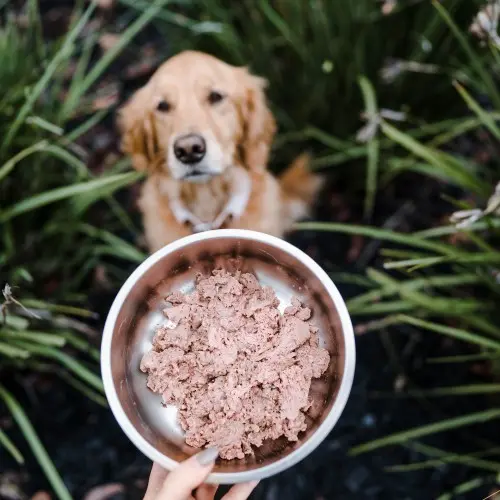
Credit: wefeedraw.com
Feeding Schedule Tips
Creating the perfect feeding schedule for your Bullmastiff is important. It helps maintain their health and energy levels. Adult Bullmastiffs have specific dietary needs. Following a consistent feeding schedule can ensure they get the nutrients they need. In this section, we will explore feeding schedule tips for adult male Bullmastiffs.
Meal Frequency For Adult Mastiffs
Adult Bullmastiffs typically eat twice a day. This helps maintain a steady energy supply. Feeding them once in the morning and once in the evening works well. Each meal should be balanced and nutritious. This frequency prevents overeating and obesity. It also helps in digestion and nutrient absorption.
Best Times To Feed Your Dog
Feed your Bullmastiff at consistent times daily. Morning meals should be around 7-8 AM. Evening meals are best served between 6-7 PM. This routine helps their digestive system function smoothly. After feeding, allow some time before any exercise. This prevents digestive issues and ensures their comfort.
Signs Of Overfeeding And Underfeeding
Knowing the signs of overfeeding and underfeeding helps keep your Adult Male Bullmastiff healthy. Feeding too much or too little affects his energy, weight, and overall health. Watch for clear signals from his body and behavior. Early recognition prevents serious problems.
Common Health Issues From Overfeeding
- Excess weight gain that strains joints and heart
- Increased risk of diabetes and liver problems
- Digestive troubles like diarrhea or vomiting
- Reduced mobility due to obesity
- Shortness of breath and low stamina
Overfeeding often causes a Bullmastiff to become lethargic. You might notice difficulty in walking or reluctance to exercise. Keeping portions controlled prevents these issues and supports a longer life.
Recognizing Nutritional Deficiencies
- Dull or brittle coat and dry skin
- Weight loss and muscle weakness
- Low energy and frequent fatigue
- Weak immune response and frequent infections
- Behavioral changes like irritability or anxiety
Underfeeding may lead to lack of essential vitamins and minerals. Your Bullmastiff may seem tired or less active than usual. Balanced nutrition helps maintain strong bones, shiny fur, and a happy temperament.

Credit: wefeedraw.com
Adjusting Diet For Special Conditions
Adjusting your Adult Male Bullmastiff’s diet for special conditions is essential to keep him healthy and happy. Each dog reacts differently to changes in lifestyle, health, or activity level, so you’ll need to tailor his food intake carefully. Ignoring these adjustments can lead to weight issues or worsen health problems.
Feeding During Weight Gain Or Loss
If your Bullmastiff is gaining too much weight, reducing his daily calorie intake is crucial. Cut back on treats and switch to a lower-calorie food if necessary. You can also add more exercise to help balance his energy needs.
On the other hand, if your dog is losing weight unexpectedly, it’s a sign to increase his food portions or offer more nutrient-dense meals. Sometimes, adding high-protein or fatty supplements can help him regain healthy weight. Watch his progress closely and adjust accordingly to avoid overfeeding.
Diet Changes For Health Problems
Health issues like allergies, joint problems, or digestive troubles often require specific diet changes. For example, Bullmastiffs with joint pain benefit from foods rich in omega-3 fatty acids and glucosamine. If your dog has allergies, switching to hypoallergenic or limited-ingredient diets might reduce symptoms.
Consult your vet before making any drastic changes. They can recommend prescription diets or supplements tailored to your dog’s condition. Have you noticed any subtle signs that your Bullmastiff’s diet might need tweaking for his health?
Monitoring Your Dog’s Weight
Keeping a close eye on your Bull Mastiff’s weight is crucial for its health and longevity. These gentle giants can easily gain excess pounds if their diet isn’t balanced with their activity level. Monitoring weight regularly helps you adjust food portions before any health issues arise, ensuring your dog stays fit and happy.
How To Track Weight Effectively
Weigh your Bull Mastiff at the same time each week, ideally in the morning before meals. Use a reliable scale, and if your dog is too large, weigh yourself holding the dog and subtract your weight. Record the numbers in a journal or an app to spot trends over time.
Also, observe your dog’s body shape. Can you easily feel the ribs without pressing hard? Does your dog have a visible waist behind the ribs? These simple checks complement the scale and provide quick feedback.
When To Consult A Veterinarian
If you notice sudden weight gain or loss that doesn’t match changes in diet or exercise, it’s time to get professional advice. Health problems like thyroid issues or joint pain can affect weight and appetite in Bull Mastiffs.
Your vet can recommend a tailored feeding plan or run tests to rule out medical causes. Don’t wait until your dog struggles with mobility or breathing; early intervention makes a big difference.

Credit: petmarketnyc.com
Frequently Asked Questions
How Much Food Does An Adult Male Bullmastiff Need Daily?
An adult male Bullmastiff typically requires 4 to 6 cups of high-quality dog food daily. The amount depends on age, activity level, and metabolism. Split meals into two servings to maintain energy and avoid overeating.
What Factors Influence Bullmastiff’s Food Quantity?
Factors include age, weight, activity level, and overall health. Active Bullmastiffs or working dogs need more calories. Regular vet checkups help adjust food portions for optimal health and weight management.
Can Overfeeding Harm A Bullmastiff?
Yes, overfeeding can lead to obesity, joint stress, and heart problems. Maintaining proper portion control is vital to prevent health issues and promote a long, active life for your Bullmastiff.
How Often Should I Feed My Adult Bullmastiff?
Feed your adult Bullmastiff twice daily, once in the morning and once in the evening. This routine supports digestion and energy balance throughout the day.
Conclusion
Feeding an adult male Bullmastiff the right amount keeps him healthy. Watch his weight and energy to adjust food portions. Quality dog food supports his strong muscles and big frame. Avoid overfeeding to prevent health problems like obesity. Regular meals and fresh water help him stay active and happy.
Consult your vet for personalized advice anytime. A well-fed Bullmastiff enjoys a long, joyful life. Simple steps make feeding easier and better for your dog.