Are you wondering if it’s okay for your adult dog to eat puppy food? You’re not alone.
Many dog owners face this question and want to make sure their furry friend gets the right nutrition. Feeding your adult dog the wrong food can affect their health, energy, and happiness. But don’t worry—this article will help you understand the differences between puppy and adult dog food, and whether switching foods is safe for your dog.
Keep reading to learn what’s best for your loyal companion’s diet.
Nutritional Differences
Understanding the nutritional differences between adult dog food and puppy dog food is important. These differences affect your dog’s health and energy. Puppy food has unique ingredients to support growth and development. Adult dog food suits a mature dog’s needs better. Let’s explore the main nutritional factors that set them apart.
Calorie Content
Puppy food usually has more calories per serving. Puppies need extra energy for rapid growth and play. Adult dogs require fewer calories to maintain weight. Feeding adult dogs high-calorie puppy food can lead to weight gain. Calorie needs change as dogs move from puppyhood to adulthood.
Protein And Fat Levels
Puppy food contains higher protein and fat levels. These nutrients support muscle growth and brain development. Adult dog food has moderate protein and fat amounts. Excess protein and fat in adult diets may cause health problems. Proper protein and fat balance is key for each life stage.
Vitamin And Mineral Balance
Puppy food includes more calcium and phosphorus. These minerals help build strong bones and teeth. Vitamins like A and D are also higher for growth support. Adult dog food has adjusted vitamin and mineral levels to maintain health. Overfeeding certain minerals can harm adult dogs over time.
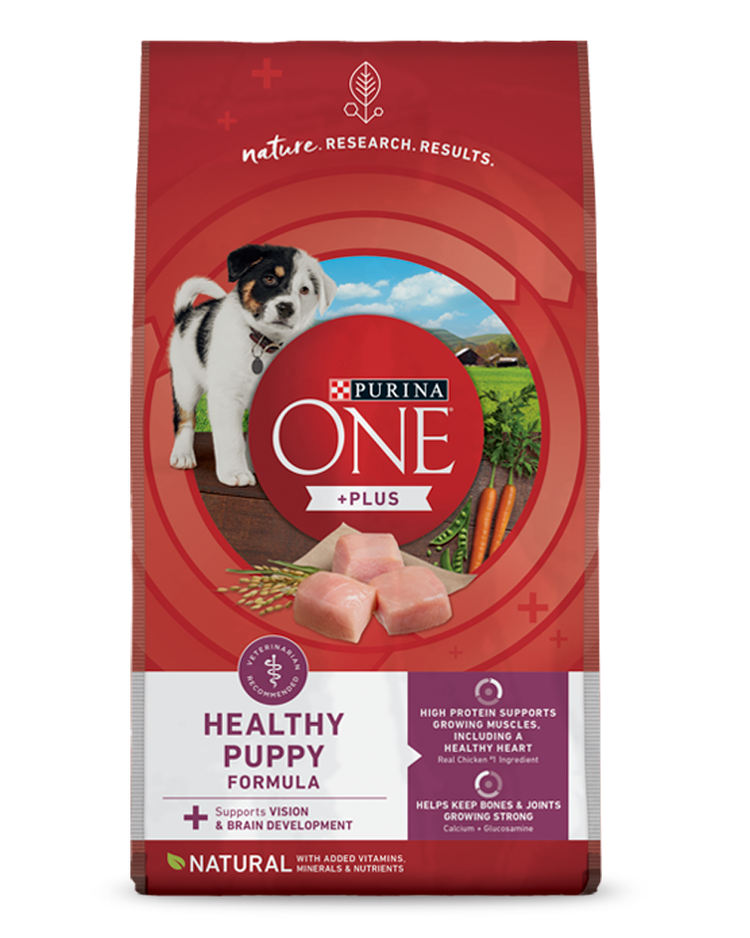
Credit: www.purina.com
Benefits Of Puppy Food For Adults
Adult dogs can benefit from puppy food in several ways. Puppy food is packed with nutrients that support growth and energy. Some adult dogs may need this extra boost. It helps maintain their health and vitality. Understanding these benefits can help you decide if puppy food suits your adult dog’s needs.
Higher Energy Needs
Puppy food contains more calories than adult dog food. This extra energy supports dogs with high activity levels. Working dogs and very active pets need more fuel. Puppy food helps keep their energy steady throughout the day. It prevents tiredness and supports endurance.
Improved Coat And Skin
Puppy food has higher levels of fats and proteins. These nutrients are essential for healthy skin and a shiny coat. Adults with dull or dry fur can benefit from this rich nutrition. It promotes natural oils that protect the skin. The result is a soft, healthy, and vibrant coat.
Support For Active Lifestyles
Active adult dogs need more joint and muscle support. Puppy formulas include extra vitamins and minerals for this. Calcium and phosphorus help keep bones strong. Protein supports muscle repair and growth. This food type helps dogs stay agile and strong.
Risks Of Feeding Puppy Food To Adults
Feeding puppy food to adult dogs can cause several health problems. Puppy formulas have more calories and nutrients to support growth. Adults do not need this extra nutrition and may suffer from side effects. Understanding these risks helps keep your dog healthy and happy.
Weight Gain And Obesity
Puppy food is high in calories to fuel growth. Adult dogs eating this food may gain excess weight fast. Obesity can lead to joint pain and heart problems. Maintaining a healthy weight is important for adult dogs’ longevity.
Digestive Issues
Adult dogs have different digestive needs than puppies. Rich puppy food may upset their stomachs. Signs include diarrhea, vomiting, or gas. Digestive problems reduce your dog’s comfort and nutrient absorption.
Nutrient Imbalances
Puppy food has extra protein, fat, and vitamins for growth. Adults need balanced nutrients for maintenance, not growth. Too much protein or fat can strain kidneys and liver. Nutrient imbalance may cause long-term health issues in adults.

Credit: us.eukanuba.com
When Puppy Food Might Be Suitable
Puppy food is rich in nutrients and calories to support growth. Adult dogs usually need fewer calories and different nutrients. Still, some adult dogs might benefit from puppy food for a short time. This depends on their health and specific needs.
Senior Dogs With Special Needs
Older dogs sometimes need more calories and protein. Their bodies may not absorb nutrients well. Puppy food can help meet these needs. It supports energy and muscle maintenance in senior dogs. Always check with a vet before switching diets.
Underweight Adult Dogs
Underweight dogs may struggle to gain weight with regular adult food. Puppy food offers more calories and fats. This can help dogs regain a healthy weight. Feeding puppy food for a short period can improve their condition.
Recovery From Illness
Dogs recovering from illness need extra nutrition. Puppy food provides higher protein and energy levels. This supports healing and strength rebuilding. Use puppy food temporarily to help recovery, guided by a vet’s advice.
Choosing The Right Food
Adult dogs eating puppy food may get extra calories and nutrients they don’t need. This can cause weight gain or digestive issues over time. Choosing food made for their age keeps dogs healthy and balanced.
Choosing the right food for your adult dog can sometimes feel like navigating a complex maze. With various dog food options lining the shelves, you might wonder if puppy dog food is a suitable choice for your adult dog. While puppy food is rich in nutrients, it is specifically designed to meet the needs of growing puppies. Understanding what your adult dog requires will help you make an informed decision.Reading Labels
Reading the labels on dog food packaging is crucial. They provide insight into the nutritional content and suitability for your dog’s age and size. Pay attention to the protein levels, as puppy food typically contains higher protein content to support growth. Adult dogs might not need this excess, potentially leading to weight gain. Look for labels that indicate the food is specifically formulated for adult dogs, ensuring balanced nutrients for their maintenance.Consulting Your Veterinarian
Your veterinarian is a valuable resource in determining the best diet for your dog. They can assess your dog’s health, activity level, and dietary needs. If you’re considering feeding puppy food to your adult dog, seek your vet’s advice first. They can recommend whether it’s appropriate or suggest alternatives that meet your dog’s nutritional requirements without the extra calories found in puppy food.Transitioning Between Foods
Switching your dog’s diet should be a gradual process to prevent digestive upset. Begin by mixing a small amount of the new food with your dog’s current food. Gradually increase the proportion over a week until the transition is complete. Observe your dog’s response to the new food, ensuring they adapt well without any adverse reactions. This careful approach ensures your dog’s digestive system adjusts smoothly to the change.
Credit: www.becopets.com
Frequently Asked Questions
Can Adult Dogs Eat Puppy Dog Food Safely?
Adult dogs can eat puppy food occasionally, but it’s not ideal long-term. Puppy food has higher calories and nutrients meant for growth. Feeding it regularly may cause weight gain or digestive issues in adult dogs.
What Are The Risks Of Feeding Puppies Food To Adults?
Puppy food is richer in protein and fat, which can lead to obesity. It may also cause digestive upset or nutrient imbalance in adult dogs if fed consistently.
When Is It Okay To Feed Adult Dogs Puppy Food?
It’s okay during short-term situations like recovery from illness or high activity periods. Otherwise, adult dogs should eat food formulated for their age to maintain health.
How Does Puppy Food Differ From Adult Dog Food?
Puppy food contains more calories, protein, and fat to support growth. Adult dog food has balanced nutrients for maintenance and preventing obesity or health issues.
Conclusion
Adult dogs can eat puppy food occasionally, but it is not ideal. Puppy food has more calories and nutrients for growth. Feeding it regularly may cause weight gain and health issues. Choose food that fits your dog’s age and needs.
Consult your vet to find the best diet. Healthy food helps your dog stay active and strong. Remember, balanced nutrition supports a happy, long life for your dog. Keep your pet’s well-being as the top priority always.