
Are you wondering when to switch your dog from puppy food to adult food? Knowing the right time can make a big difference in your dog’s health and happiness.
Feeding your dog the right food at the right age helps keep their energy up and supports strong bones and muscles. But how old does your dog need to be before you make this change? Keep reading to find out exactly when and why you should start feeding your dog adult food—and how to do it the right way.
Your furry friend’s well-being depends on it!
Signs Your Dog Is Ready
Knowing when to switch your dog to adult food is essential for their health and happiness. Watching for key signs can help you make the right choice. These signs often show up in your dog’s growth, behavior, and advice from your vet.
Physical Growth Milestones
Your dog’s size and weight give you clear clues about readiness. Most small breeds reach their adult size by around 9 to 12 months. Larger breeds can take up to 18 to 24 months to fully grow.
Look for changes like:
- Steady weight gain that slows down
- Teeth that have fully come in
- Muscle development that feels firm and stable
Have you noticed your dog’s puppy coat shedding and their adult fur coming in? This shift often coincides with physical maturity and the time to change their diet.
Behavioral Changes
Behavior can signal your dog’s developmental stage. Puppies are often energetic and require frequent meals. As they mature, their energy levels become more balanced.
Some behavioral signs include:
- Less intense bursts of energy
- Longer periods of rest and calmness
- More consistent eating habits
Do you find your dog eating less frequently or showing less puppy-like playfulness? These changes suggest their nutritional needs are shifting, too.
Veterinary Recommendations
Your vet’s advice is crucial in deciding the right time for adult food. They can assess your dog’s growth, health, and activity level to guide you.
During regular check-ups, ask your vet:
- When to transition your dog to adult food
- Which type of adult food suits your dog’s breed and size
- How to transition the food gradually to avoid stomach upset
Veterinarians often recommend starting the switch around 12 months for small breeds and later for larger breeds. Have you scheduled a vet visit to get personalized guidance?
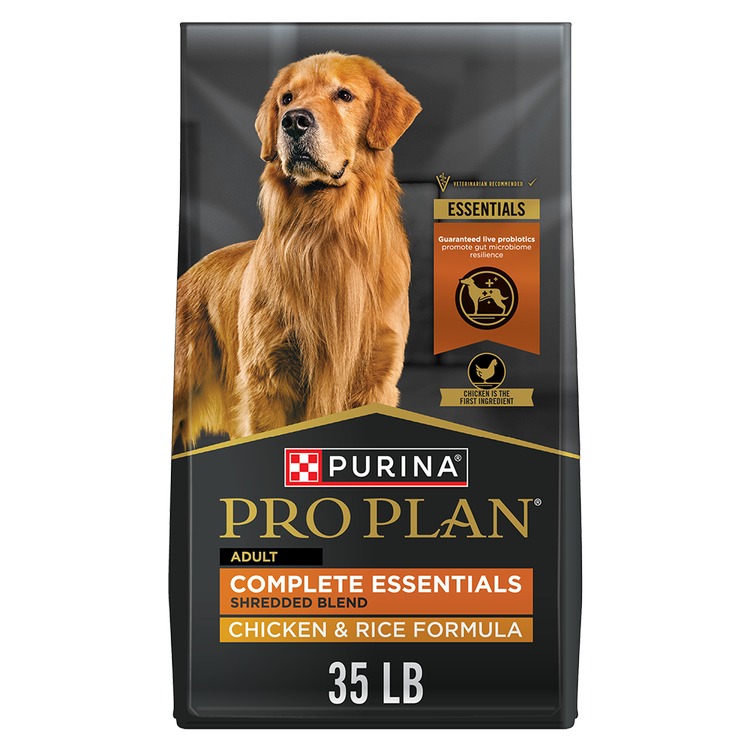
Credit: www.purina.com
Age Guidelines By Breed Size
Understanding when to switch your dog to adult food depends largely on their breed size. Different breeds age at different rates, so feeding guidelines vary. Knowing these age guidelines can help you keep your dog healthy and energized.
Small Breeds
Small breed dogs usually mature faster than larger breeds. Most small dogs are ready for adult food around 9 to 12 months old. Since their metabolism is quicker, they need nutrient-dense food to support their active lifestyle.
Have you noticed how your small dog seems full of energy even as they age? This is why feeding them the right adult food at the right time is crucial—it supports their high energy and keeps their coat shiny.
Medium Breeds
Medium-sized dogs typically transition to adult food between 12 and 14 months. Their growth phase lasts a bit longer than small breeds but is shorter than large breeds. Feeding adult food too early or too late can affect their overall development and weight.
Pay attention to your dog’s body condition. If they’re gaining too much weight or seem lethargic, it might be time to reassess their diet and feeding schedule.
Large And Giant Breeds
Large and giant breed dogs take the longest to mature, often needing puppy food up to 18 to 24 months. Their bones and joints develop slower, so switching to adult food too soon can cause health issues like joint problems. A specialized adult formula designed for large breeds can support their unique needs.
Have you ever struggled to find the right food for your big dog? Choosing the right time to switch to adult food helps protect their joints and maintain healthy growth. Monitoring their weight and activity levels can guide you in making this decision.
Choosing The Right Adult Food
Adult dog food suits dogs aged one year and older. Choosing the right time to switch helps support your dog’s health and energy. Watch for signs like slower growth or changing activity levels to know when to start.
Choosing the right adult food for your old dog is crucial for their health and happiness. As your furry friend ages, their dietary needs change, and selecting the right food can make all the difference in their quality of life. Whether it’s about maintaining their energy levels, keeping their coat shiny, or supporting their joint health, the right food can have a big impact. Let’s explore the key factors to consider.Nutritional Needs
Older dogs often require fewer calories but more nutrients. Their metabolism slows down, which means they need a diet that supports their energy without leading to weight gain. Look for foods rich in antioxidants, which help combat the effects of aging. Proteins are vital for maintaining muscle mass. Ensure the food you choose has a good protein content to support your dog’s muscles. Omega fatty acids are also important for brain and joint health.Quality Ingredients
When selecting food, quality matters. Look for brands that use real meat as the first ingredient. Avoid foods with fillers like corn or soy, as they offer little nutritional value. Consider the brand’s reputation and reviews. A quick search online can reveal a lot about the quality and safety of a dog food brand. You want to ensure your dog is getting the best possible nutrition.Special Dietary Considerations
Some older dogs have specific dietary needs. Does your dog have allergies or sensitivities? You might need to choose a grain-free or limited ingredient diet. Joint problems are common in older dogs. Foods with added glucosamine and chondroitin can support joint health. If your dog has kidney issues, you might need a diet lower in protein and phosphorus. Choosing the right food might seem overwhelming, but considering these factors can make the process easier. What specific needs does your dog have that you should address?Transitioning Process
Changing your dog’s food to an adult formula is more than just swapping bags. The transition needs care to keep your dog happy and healthy. A smooth shift helps avoid stomach upset and makes the new food more appealing.
Gradual Food Mixing
Start by mixing a small amount of the adult food with your dog’s current food. Increase the new food portion slowly over 7 to 10 days. This gentle change helps your dog’s digestive system adjust without stress.
Try mixing 25% adult food with 75% old food for the first three days. Then move to 50/50 for the next three days. Finish with 75% adult food and 25% old food before fully switching.
Monitoring Digestive Health
Watch your dog’s poop and energy levels during the transition. Loose stools or vomiting signal a need to slow down the process. Healthy digestion means your dog is handling the new food well.
Keep a log of any changes in appetite or bathroom habits. If problems persist beyond a week, consult your vet. Your dog’s comfort should guide how fast you move forward.
Adjusting Portion Sizes
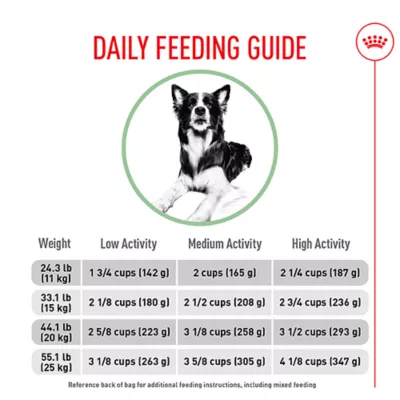
Adult dog food often has different calorie content than puppy food. Adjust portions based on your dog’s weight and activity level. Overfeeding can lead to weight gain, while too little might cause hunger or nutrient gaps.
Use the feeding guidelines on the food package as a starting point. Then, tweak portions according to how your dog responds. Ask yourself: Is your dog maintaining a healthy weight and energy?
Common Challenges During Transition
Switching your dog from puppy food to adult food can bring unexpected hurdles. These challenges often test your patience and understanding of your pet’s unique needs. Knowing what to expect can help you manage this transition smoothly and keep your dog happy and healthy.
Picky Eating
Some dogs suddenly turn their noses up at new food. This can be frustrating, especially if you’ve just invested in a high-quality adult formula. Try mixing a small amount of adult food with their current meals to ease the change.
Offering variety can also help, such as warming the food slightly or adding a bit of low-sodium broth. Have you noticed if your dog prefers certain textures or flavors? Paying attention to these preferences can make the switch easier.
Digestive Upset
Changes in diet can lead to tummy troubles like diarrhea or constipation. Your dog’s digestive system may need time to adjust to new ingredients or nutrient levels. Introducing adult food gradually over 7-10 days can reduce this risk.
Keep an eye on stool consistency and energy levels during the change. If digestive upset lasts more than a few days, consult your vet. They might suggest a different brand or a special formula suited for sensitive stomachs.
Allergic Reactions
New foods may trigger allergies or sensitivities that weren’t apparent before. Symptoms might include itching, redness, or upset stomach. If you spot any of these signs, stop the new food immediately and seek advice from your veterinarian.
It’s helpful to note every ingredient in the adult food you choose. Have you ever tried a limited ingredient diet to pinpoint food sensitivities? This approach can prevent allergic reactions and keep your dog comfortable.

Credit: petheavenblogs.com
When To Consult A Vet
Knowing when to consult a vet about your dog’s adult food is important. Changes in diet can affect your dog’s health. Some signs show that professional advice is needed. Early vet visits can prevent bigger problems later.
Unusual Symptoms
Watch for signs like vomiting, diarrhea, or constant itching. These symptoms may mean your dog has a food allergy or intolerance. Sudden weight loss or gain also needs a vet’s attention. Don’t ignore changes in energy or mood. These could relate to diet issues.
Growth Concerns
Adult dogs should maintain a steady weight and healthy coat. If your dog seems too thin or overweight, consult a vet. Slow growth or muscle loss might signal poor nutrition. A vet can check if the food meets your dog’s needs. Proper growth depends on the right diet and care.
Dietary Adjustments
Switching foods can cause digestive problems. A vet can guide on how to change diets safely. They help choose food based on age, breed, and health. Some dogs need special diets for conditions like diabetes or allergies. Professional advice ensures your dog gets balanced nutrition.

Credit: www.businessinsider.com
Frequently Asked Questions
When Is A Dog Considered Old Enough For Adult Food?
Dogs are typically ready for adult food between 12 to 24 months. Small breeds may switch earlier, while larger breeds take longer to mature. Feeding adult food too early or late can affect their growth and health.
How Do I Know My Dog Needs Adult Food?
Signs include slowed growth, stable weight, and decreased puppy energy. If your dog has reached their full size and shows mature behavior, it’s time to transition to adult food for balanced nutrition.
What Age Is Best For Switching To Adult Dog Food?
Most dogs switch to adult food at one year old. Large breeds may transition closer to 18-24 months. Consult your vet to determine the best timing based on breed and health.
Can Feeding Adult Food Too Early Harm My Puppy?
Yes, feeding adult food too early can cause nutrient deficiencies. Puppies need higher protein and fat for growth. Premature switching may stunt development or cause digestive issues.
Conclusion
Choosing the right age to switch your dog to adult food matters. Most dogs change from puppy to adult food around one year old. Large breeds may need more time before switching. Watch your dog’s health and energy for clues.
Healthy dogs usually do well on adult food after puppy growth slows. Always check with your vet if unsure. Feeding the right food helps your dog stay strong and happy. Small changes make a big difference in your dog’s life.
Keep your dog’s needs in mind for the best care.