

Bringing a rescue dog into your home is a wonderful experience, but it can come with challenges—especially if your new friend struggles with separation anxiety. You want to help your dog feel safe and comfortable, and crate training can be a powerful tool to achieve that.
If you’re wondering how to crate train a rescue dog with separation anxiety without causing more stress, you’re in the right place. This guide will walk you through simple, effective steps to build trust and create a calm space for your dog.
Keep reading, because understanding these techniques could transform your dog’s behavior—and your peace of mind.

Credit: k9connoisseur.com
Choosing The Right Crate
Choosing the right crate plays a big role in helping a rescue dog with separation anxiety feel safe. The crate should feel like a cozy den. This helps the dog relax and accept the crate as their own space. Picking the right size and making the space comfortable can reduce stress and improve training results.
Size And Comfort
The crate must be big enough for the dog to stand, turn around, and lie down comfortably. Too small makes the dog feel trapped. Too large may encourage the dog to use one corner as a bathroom. Measure your dog’s height and length before buying.
Soft bedding inside the crate adds comfort. Use washable blankets or dog beds. Avoid anything that can be chewed and swallowed. Comfort helps the dog want to spend time inside the crate.
Safe Space Setup
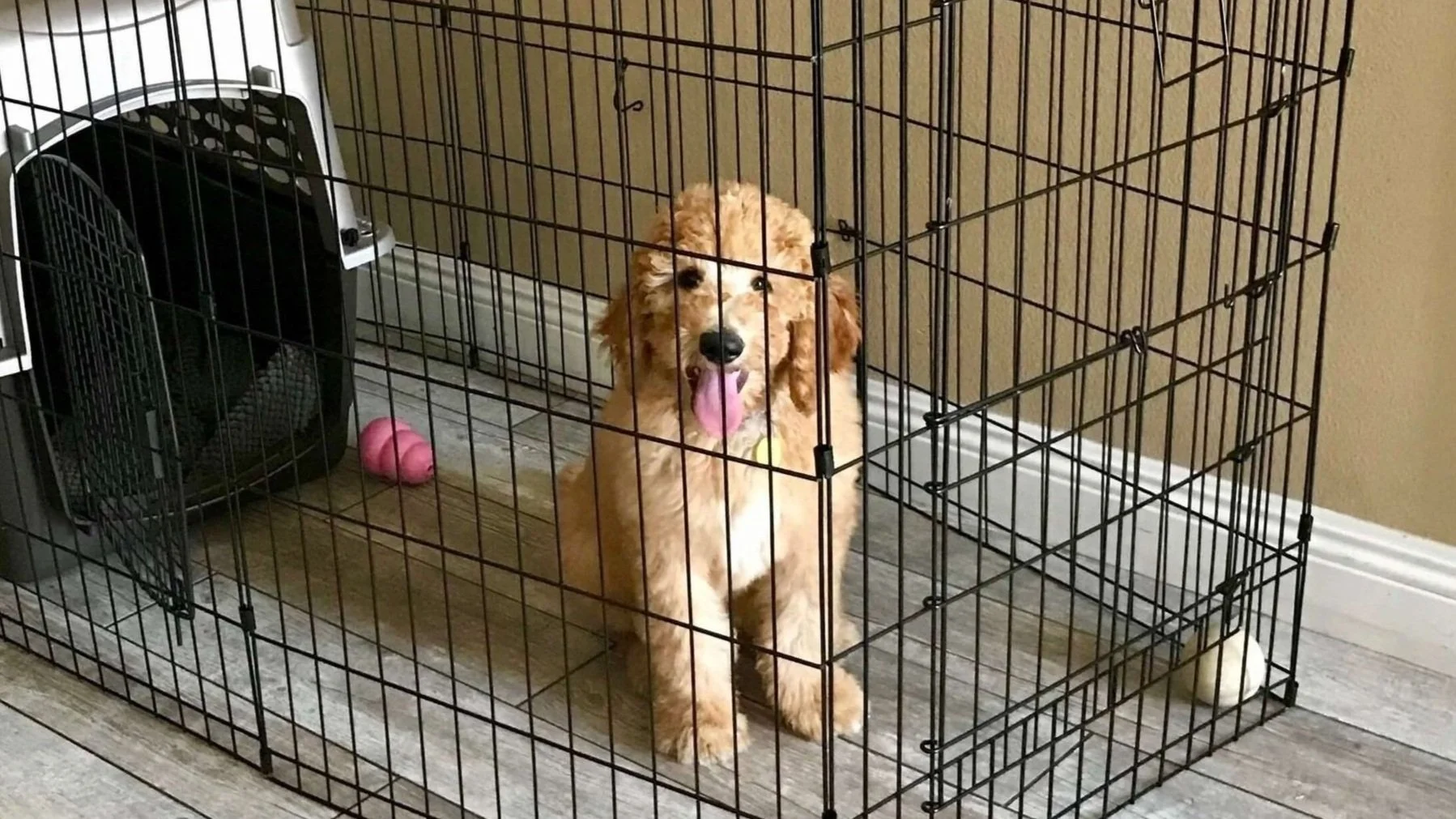
Place the crate in a quiet area of the home, away from loud noises and heavy foot traffic. This helps the dog stay calm. Keep the crate door open at first to let the dog explore freely.
Adding familiar items, like a favorite toy or a piece of your clothing, can provide comfort. These scents make the crate feel safer and more inviting. Make the crate a positive place, never a punishment spot.
Credit: www.dogsavvylosangeles.com
Preparing Your Rescue Dog
Preparing your rescue dog for crate training takes patience and care. Rescue dogs with separation anxiety need a calm and safe environment. Creating trust and introducing the crate gently will help your dog feel secure. This preparation builds a strong foundation for successful crate training.
Building Trust
Trust is key for any rescue dog. Spend quiet time near your dog without forcing interaction. Let your dog come to you at their own pace. Use soft tones and gentle petting to comfort them. Offer small treats to create positive connections. Be consistent and patient each day. Avoid sudden movements or loud noises that may scare your dog.
Introducing The Crate Slowly
Introduce the crate as a safe place, not a punishment. Leave the crate door open at first. Place soft bedding and favorite toys inside. Encourage your dog to explore the crate freely. Reward your dog with treats for going near or inside. Gradually increase the time spent inside the crate. Stay close and speak calmly to reassure your dog. Never force your dog into the crate. The goal is to make the crate a happy space.
Step-by-step Crate Training
Begin by introducing the crate as a safe, cozy space for your rescue dog. Gradually increase crate time, pairing it with treats and praise to ease separation anxiety. Patience and consistency help your dog feel calm and secure inside the crate.
Crate training a rescue dog with separation anxiety requires patience and care. A structured approach helps your dog feel secure and comfortable. Let’s explore a step-by-step process to make crate training a positive experience for your furry friend.Positive Associations
Create positive associations with the crate. Place the crate in a quiet corner. Add soft bedding to make it cozy. Introduce your dog to the crate with treats. Use toys they love inside the crate. Praise them when they enter the crate willingly. Never force them in. Let them explore at their pace.Short Crate Sessions
Start with short crate sessions. Five minutes is a good beginning. Stay near the crate while they are inside. Talk to them soothingly. Gradually increase the time they spend inside. Keep the atmosphere calm. This builds trust and reduces anxiety.Gradual Time Increase
Increase crate time gradually. Extend sessions by five-minute increments. Monitor their comfort level closely. If they show signs of stress, reduce the time again. Consistency is key for success. Slowly, they’ll adjust to longer periods. This helps ease separation anxiety.Managing Separation Anxiety
Managing separation anxiety in a rescue dog takes patience and gentle care. Rescue dogs often feel unsure when left alone. This can make crate training a challenge. Helping them feel calm and safe inside the crate is key. Focus on easing their stress and building trust over time.
Calming Techniques
Use soft voices and slow movements around your dog. Try gentle petting to comfort them in the crate. Playing calming music can create a peaceful atmosphere. Aromatherapy with dog-safe scents may also help. Avoid sudden loud noises that scare your dog. Offer a favorite blanket or toy inside the crate. These small comforts reduce anxiety and make the crate inviting.
Exercise And Mental Stimulation
Give your dog plenty of physical activity before crating. Walks, playtime, and running help burn off nervous energy. Provide puzzle toys or chew items for mental engagement. A tired dog is less likely to feel anxious. Mental challenges keep their mind busy and calm. This balance makes crate time easier to handle.
Consistent Routine
Keep a regular schedule for feeding, walks, and crate time. Predictable routines help dogs feel secure and understand what to expect. Start with short crate sessions and slowly increase the time. Always use the crate at the same times daily. Consistency builds confidence and lowers anxiety. A steady routine helps your rescue dog adjust smoothly.
Avoiding Common Mistakes
Crate training a rescue dog with separation anxiety requires patience and understanding. Avoiding common mistakes can make a huge difference in how your dog adapts. These errors often slow progress or increase your dog’s anxiety, so being aware of them helps you create a positive experience for your furry friend.
Not Using The Crate As Punishment
The crate should be a safe space, not a place of punishment. If your dog associates the crate with negative experiences, they’ll resist going inside. Instead, use treats, toys, and calm praise to make the crate inviting.
Think about how your dog reacts when you force them into the crate after scolding. This can create fear and worsen anxiety. Have you ever noticed your dog avoiding the crate completely? That’s a sign you might be unintentionally using it as a punishment.
Ignoring Signs Of Stress
Dogs show stress in many subtle ways, like pacing, whining, or excessive licking. Ignoring these signs can cause your dog to develop a stronger fear of the crate. Pay close attention and adjust your approach if your dog seems uncomfortable.
If your dog is trying to get out or appears distressed, don’t just push through the session. Instead, pause and try shorter crate times or add calming activities nearby. Are you tuning into your dog’s body language, or missing signals that they need a break?
When To Seek Professional Help
Recognizing when your rescue dog’s separation anxiety needs more than your efforts is crucial. Sometimes, despite your best attempts, the stress your dog feels can be overwhelming and hard to manage alone. Knowing when to seek professional help can make a big difference in your dog’s comfort and progress with crate training.
Behavioral Therapists
Behavioral therapists specialize in understanding and changing your dog’s anxious behaviors. If your dog shows extreme distress—like nonstop barking, self-harm, or destructive behavior—consulting a therapist can provide tailored strategies. They use techniques like desensitization and counter-conditioning, which go beyond basic training and address the root of anxiety.
Have you noticed your dog’s anxiety worsening despite consistent crate training? A behavioral therapist can offer insights that you might not see, helping you identify triggers and develop a step-by-step plan to ease your dog’s fears.
Veterinary Support
Sometimes anxiety has a medical side that you can’t ignore. A vet can check for health issues that might worsen your dog’s stress or contribute to behavioral problems. They can also discuss safe medication options if anxiety is severe and not improving with training alone.
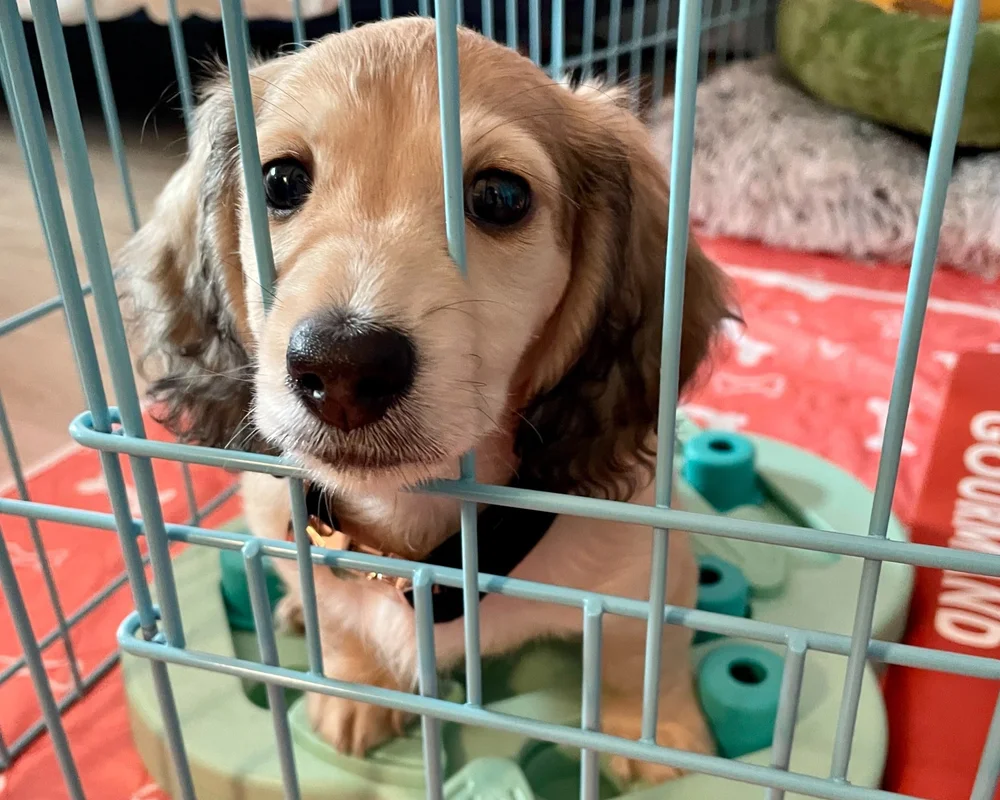
Don’t hesitate to reach out to your vet if your dog’s anxiety is causing physical symptoms, such as loss of appetite or excessive panting. Pairing medical support with behavioral therapy often produces the best results for anxious rescue dogs.
Credit: www.dogsavvylosangeles.com
Frequently Asked Questions
How Long Does Crate Training Take For Rescue Dogs?
Crate training duration varies but usually takes 2 to 4 weeks. Consistency, patience, and positive reinforcement speed up the process. Every dog adapts differently, especially those with separation anxiety. Gradual exposure to the crate helps build comfort and trust over time.
Can Crate Training Reduce Separation Anxiety?
Yes, crate training can reduce separation anxiety by creating a safe space. It helps dogs feel secure and less stressed when alone. Proper training involves gradual crate introduction and positive associations. This method builds confidence and reduces destructive behaviors caused by anxiety.
What Are The Best Tips For Crate Training A Rescue Dog?
Start with short crate sessions and use treats for rewards. Make the crate comfortable with bedding and toys. Avoid using the crate for punishment. Gradually increase crate time as your dog becomes more relaxed. Consistency and patience are key to success.
How To Make Crate Training Comfortable For Anxious Dogs?
Use soft bedding and favorite toys inside the crate. Play calming music or white noise nearby to soothe anxiety. Feed your dog meals in the crate to create positive associations. Avoid forcing your dog inside; let them enter voluntarily to build trust.
Conclusion
Crate training a rescue dog with separation anxiety takes time and care. Patience helps your dog feel safe and calm. Use positive rewards to build trust and comfort. Keep training sessions short and gentle every day. Watch your dog’s signals and adjust as needed.
This approach makes the crate a happy place. Soon, your dog will relax and rest alone. Trust grows with each small step you take together. Consistency and kindness lead to a peaceful, confident pet. Your rescue dog can learn to feel secure inside the crate.


