

Are you concerned about your dog’s dental health? You might have heard that feeding raw food can keep your dog’s teeth cleaner and stronger.
But is raw food really better for your dog’s teeth? Understanding the truth behind this claim could save your furry friend from painful dental issues and costly vet visits. Keep reading to discover how your dog’s diet affects their teeth and what you can do to give them a healthy, happy smile.
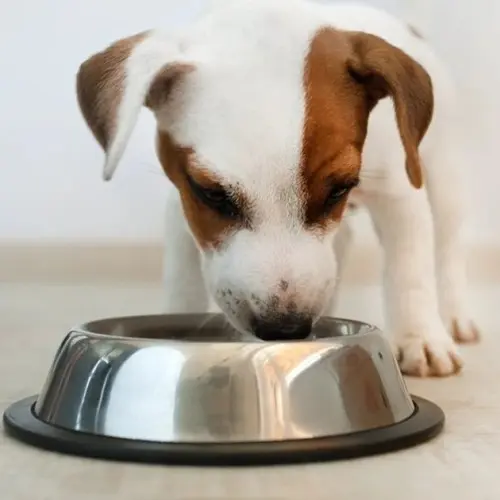
Credit: wefeedraw.com
Raw Food And Dental Health
Taking care of your dog’s teeth is important, and the food they eat plays a big role in their dental health. Raw food diets are often discussed as a natural way to help keep teeth clean and strong. Let’s look closely at how raw diets affect your dog’s teeth and how they compare to commercial kibble.
How Raw Diets Affect Teeth
Raw diets usually include bones and tougher meat parts that encourage chewing. This chewing action can help scrape off plaque and tartar from your dog’s teeth naturally.
Chewing on raw bones also stimulates saliva production, which helps wash away food particles and bacteria. This can reduce bad breath and lower the risk of gum disease.
However, not all bones are safe, and improper feeding can cause broken teeth or choking hazards. You should always choose the right size and type of bones and supervise your dog while they chew.
Comparison With Commercial Kibble
Commercial kibble is often designed to be crunchy, which can help reduce plaque buildup to some extent. But it usually doesn’t provide the same level of mechanical cleaning that raw bones do.
Kibble can sometimes stick to teeth, especially if it’s soft or coated with fats, leading to plaque formation. In contrast, raw diets with natural textures may reduce this risk more effectively.
Many kibble brands add dental enzymes or special ingredients to support oral health, but these are not a guarantee. You might want to ask yourself: is the convenience of kibble worth missing out on the natural dental benefits that raw food can offer?
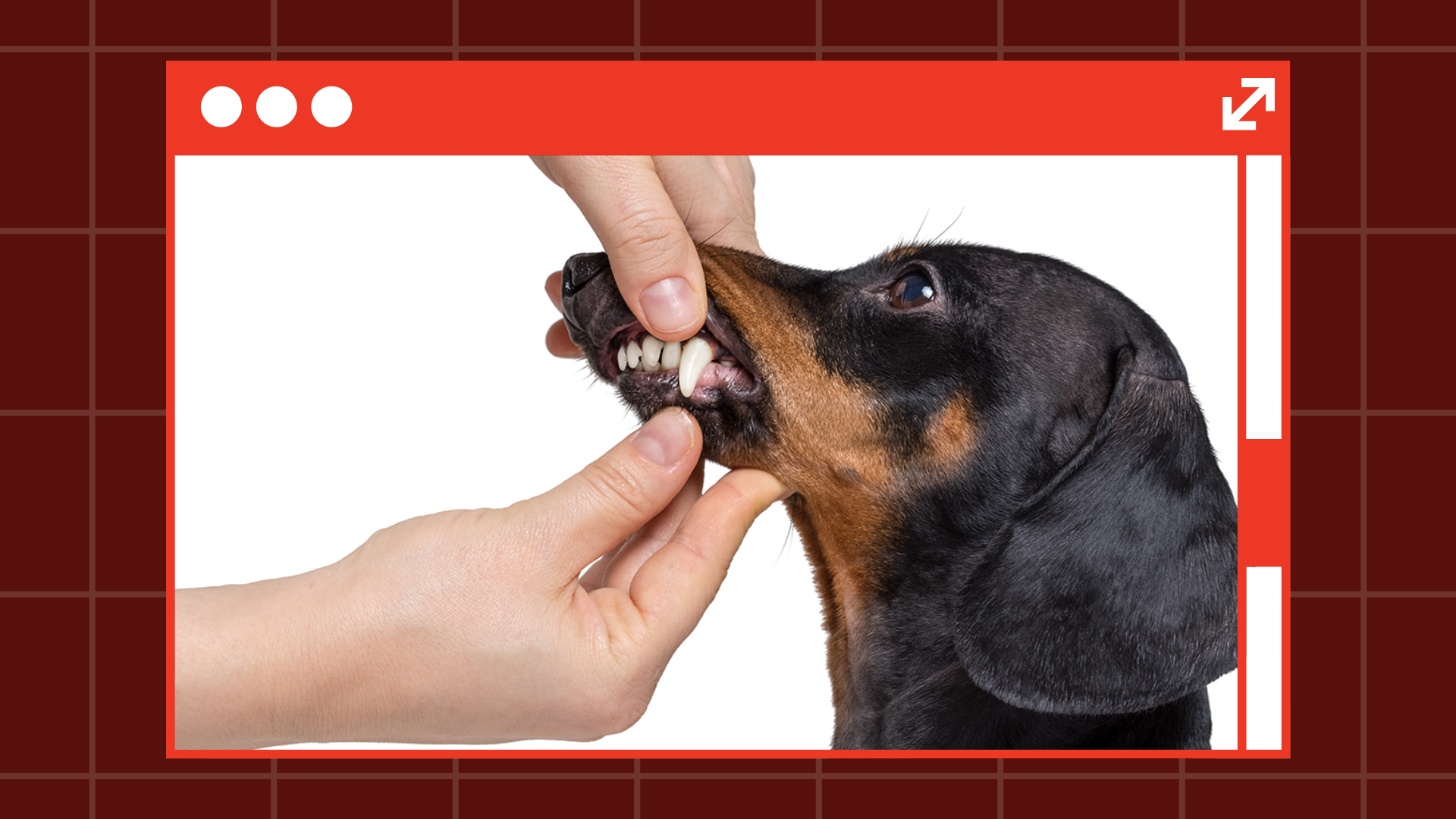
Credit: wefeedraw.com
Natural Chewing Benefits
Natural chewing offers important benefits for dogs’ dental health. It mimics their instinctive behavior and supports strong teeth. Chewing on raw food, especially bones, can help remove plaque and keep teeth clean. This natural action also massages the gums, promoting better oral health.
Role Of Raw Bones
Raw bones provide a natural surface for dogs to chew on. This chewing grinds away plaque and tartar buildup. It also helps keep their teeth sharp and strong. Unlike cooked bones, raw bones are softer and less likely to splinter. They offer a safe way to maintain dental hygiene while satisfying chewing instincts.
Stimulating Gum Health
Chewing raw food stimulates blood flow in the gums. This helps keep gums healthy and reduces inflammation. Strong gums support teeth firmly in place. The natural chewing action also prevents gum disease by reducing bacteria. Healthy gums mean fewer dental problems for your dog.
Plaque And Tartar Reduction
Many dog owners are turning to raw food diets with hopes of improving their furry friend’s oral health. A significant claim is that a raw diet helps in reducing plaque and tartar buildup. But how does this actually work, and what can you expect for your dog’s dental hygiene?
Mechanical Cleaning Action
Raw food, especially when it includes bones, acts like a natural toothbrush for your dog. Chewing on raw bones requires effort, and this action can scrape off plaque from the teeth. It’s similar to how chewing crunchy vegetables can help clean human teeth.
Imagine your dog happily gnawing on a raw bone, not just enjoying a treat but also polishing those pearly whites. You might find that regular gnawing can lead to visibly cleaner teeth. Have you noticed your dog’s teeth looking cleaner after a bone-chewing session?
Long-term Effects On Oral Hygiene
Switching to a raw diet may have lasting benefits for your dog’s oral health. Reduced plaque can mean less tartar buildup over time, potentially leading to fewer dental issues. However, it’s essential to monitor your dog’s teeth and gums regularly.
Raw feeding advocates often report fewer vet visits for dental problems. While this sounds promising, every dog is unique, and it’s crucial to observe how your dog responds. Are you ready to consider if a raw diet might be the dental solution for your pet?
Remember, the journey to better oral health involves more than just diet. Regular vet check-ups and proper dental care are key to ensuring your dog’s teeth stay healthy and strong.
Potential Risks To Consider
Feeding dogs raw food has benefits but also some risks. These risks can affect your dog’s health and safety. Knowing these potential problems helps you make better choices. Watch out for dangers that could harm your dog’s teeth and overall well-being.
Choking Hazards And Tooth Fractures
Raw bones can be hard and sharp. Dogs may bite too hard and crack a tooth. Small bone pieces can get stuck in their throat. This causes choking, which is very dangerous. Not all bones are safe for dogs. Avoid cooked bones because they splinter easily. Always supervise your dog while eating raw bones. Choose appropriate bone sizes for your dog’s breed and age.
Bacterial Contamination Concerns
Raw meat may carry bacteria like Salmonella or E. coli. These bacteria can cause illness in dogs and humans. Handling raw food requires careful hygiene. Wash your hands and clean surfaces well. Store raw food properly to prevent spoilage. Some dogs with weak immune systems may get sick. Consult your vet before switching to raw diets. Keep your dog’s eating area clean to reduce risks.
Expert Opinions And Studies
Understanding whether raw food truly benefits your dog’s teeth requires looking at what experts say and what research shows. Different viewpoints exist, and the science isn’t one-sided. Getting a clear picture helps you make the best choice for your furry friend’s dental health.
Veterinary Perspectives
Many veterinarians acknowledge that chewing raw meaty bones can help scrape plaque off teeth, which might reduce tartar buildup. However, they also warn about risks such as broken teeth or bacterial infections from raw food. Some vets suggest a balanced approach, combining raw treats with regular dental cleanings.
One vet shared how a client noticed a decrease in bad breath and improved gum health after switching to a raw diet, but cautioned that this isn’t guaranteed for every dog. Could your dog’s teeth benefit from raw food, or might it cause harm? Consulting your vet about your dog’s specific needs is key.
Scientific Research Findings
Studies show mixed results regarding raw diets and dental health. Some research indicates raw bones can reduce plaque, but other studies highlight concerns about bacterial contamination. The American Veterinary Dental College emphasizes that mechanical cleaning through chewing is helpful, but not a substitute for professional dental care.
Research also points out that cooked bones and some commercial raw diets lack the same dental benefits because they don’t encourage the same chewing action. Have you noticed how different textures affect your dog’s chewing habits? Understanding this can guide your feeding choices.

Credit: wefeedraw.com
Practical Tips For Feeding Raw
Feeding your dog raw food can have real benefits for their dental health, but it requires careful planning. You want to make sure your dog gets the right nutrients and stays safe from harmful bacteria or choking hazards. Let’s look at some practical tips to help you feed raw food confidently and effectively.
Safe Raw Food Choices
Choosing safe raw foods is the first step to protecting your dog’s teeth and overall health. Always select fresh, high-quality meats from trusted sources. Avoid processed meats or anything with added salt, spices, or preservatives.
Include a variety of options like:
- Raw meaty bones such as chicken necks or wings, which can help scrape plaque off teeth naturally
- Muscle meat like beef, turkey, or lamb for protein
- Organ meats such as liver or kidney, which provide essential vitamins
Never feed cooked bones or small hard bones that could splinter and cause injury. Wash your hands and clean feeding areas thoroughly to reduce bacterial risks. Have you checked if your meat supplier follows strict hygiene standards?
Balancing Nutrition And Dental Care
Raw feeding isn’t just about teeth. Your dog needs a balanced diet to stay healthy overall. Combine raw meaty bones with muscle meat and organs in proper ratios—about 80% muscle meat, 10% bone, and 10% organs.
To support dental health specifically, you can add crunchy veggies like carrots or celery as treats. These can help reduce plaque buildup and keep your dog engaged during mealtime.
Observe how your dog reacts to different foods. Does chewing raw bones seem to reduce tartar? Or does your dog struggle with certain textures? Adjust the diet accordingly and consult your vet for tailored advice.
Frequently Asked Questions
Does Raw Food Improve Dogs’ Dental Health?
Raw food can reduce plaque and tartar buildup. Chewing raw meaty bones naturally cleans teeth. This may lead to healthier gums and fresher breath. However, proper hygiene and regular vet checks are still essential.
Are Raw Diets Safer For Dogs’ Teeth Than Kibble?
Raw diets often contain fewer additives and harder textures than kibble. This helps mechanically clean teeth during chewing. Yet, raw diets must be balanced and handled safely to avoid health risks.
Can Raw Food Prevent Dog Dental Diseases?
Raw food may lower the risk of dental diseases by reducing plaque. Natural chewing action helps maintain tooth health. Still, dental problems can occur and require professional care.
What Are Risks Of Feeding Raw Food For Teeth?
Raw food can carry bacteria harmful to dogs and humans. Improperly prepared bones might cause tooth fractures or choking. Always supervise feeding and consult a vet for safe practices.
Conclusion
Raw food can help keep dogs’ teeth cleaner and stronger. Chewing raw bones may reduce plaque and tartar buildup. Still, not all dogs suit a raw diet. Talk to a vet before changing your dog’s food. Balanced nutrition matters most for healthy teeth and gums.
Watch your dog’s dental health closely every day. Good care helps your dog’s smile stay bright and healthy.


