
Dealing with an aggressive dog can be stressful and even scary. But you’re not alone, and there are clear steps you can take to help your dog become calmer and more obedient.
Imagine turning your dog’s aggression into trust and calmness—making your home safer and your bond stronger. You’ll discover simple, effective methods to train your aggressive dog. By the end, you’ll feel confident and ready to handle your dog’s behavior with patience and control.
Keep reading—you’re about to transform your dog’s attitude for the better.
Credit: theonlinedogtrainer.com
Recognizing Aggressive Behavior
Recognizing aggressive behavior in your dog is the first step toward effective training. Aggression can take many forms, and understanding what it looks like helps you respond appropriately. You might notice subtle signs before things escalate, so paying close attention is key.
Common Signs Of Aggression
- Growling and Snarling:Low, guttural sounds often signal discomfort or warning.
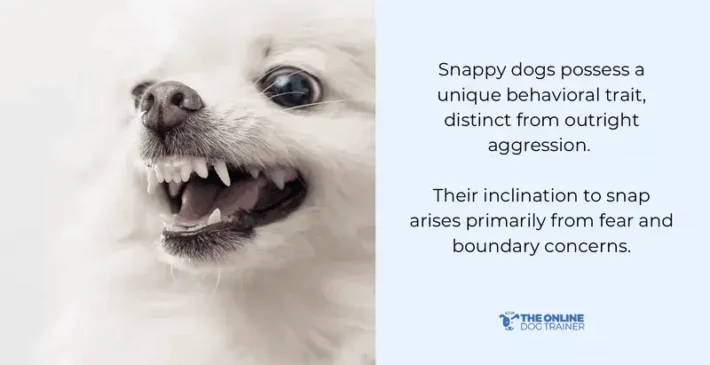
- Baring Teeth:This is a clear sign your dog feels threatened or is ready to defend.
- Stiff Body Posture:A rigid stance with raised hackles shows tension and potential aggression.
- Intense Staring:Direct eye contact without blinking can indicate a challenge.
- Snapping or Biting:This is a serious escalation, signaling your dog’s need for immediate attention.
Noticing these signs early can prevent incidents. Have you ever seen your dog freeze suddenly? That pause might mean they are assessing a situation before reacting aggressively.
Triggers And Causes
Understanding what sparks your dog’s aggression helps you manage and modify their behavior. Triggers can vary widely between dogs, so observing your pet’s environment and interactions is crucial.
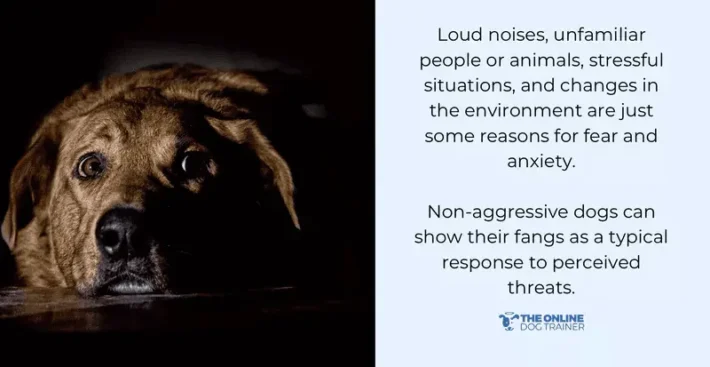
- Fear or Anxiety:Dogs often act aggressively when scared or feeling cornered.
- Protectiveness:Guarding territory, food, or family members can provoke aggressive responses.
- Pain or Illness:A dog in pain may lash out unexpectedly.
- Lack of Socialization:Dogs unfamiliar with people or other animals may react aggressively out of uncertainty.
- Frustration:Being restrained or unable to reach a target can trigger aggression known as “redirected aggression.”
Think about your dog’s daily routine and interactions. Are there specific moments when they seem more tense or reactive? Identifying these patterns lets you anticipate and avoid triggers before aggression appears.
Credit: theonlinedogtrainer.com
Preparing For Training
Preparing to train an aggressive dog requires more than just patience; it demands careful planning and the right mindset. You need to create a safe environment for both you and your dog. This preparation sets the stage for successful training sessions and helps prevent setbacks.
Ensuring Safety Measures
Safety should be your top priority before starting any training. Make sure you have a secure, enclosed area free from distractions where your dog cannot escape or cause harm.
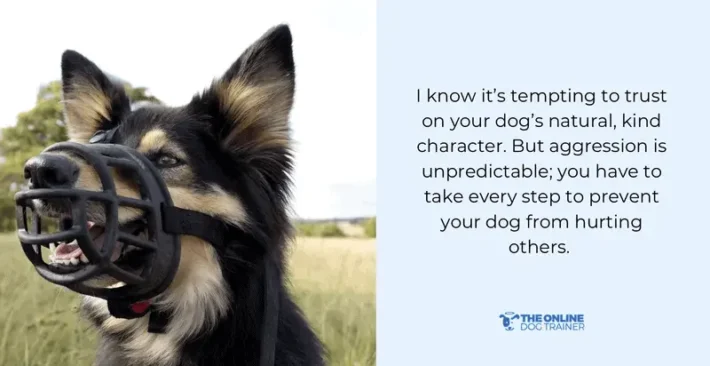
Consider using a muzzle if your dog has a history of biting. It’s not a punishment but a safety tool to protect everyone involved. Also, keep children and other pets away during training sessions to avoid unexpected incidents.
Ask yourself: Are you ready to stay calm and assertive no matter how your dog reacts? Your energy influences your dog’s behavior more than you might realize.
Gathering Training Tools
Having the right tools at hand can make a huge difference in how your dog responds. Essential items include a sturdy leash, a well-fitted harness, and high-value treats that your dog loves.
Clickers or other noise markers can help mark good behavior precisely, speeding up your dog’s understanding of commands. Avoid using punishment tools like shock collars, as they can increase aggression and fear.
Think about what motivates your dog the most. Is it food, toys, or praise? Tailoring your tools to what excites your dog will keep them engaged and eager to learn.
Basic Obedience Commands
Basic obedience commands build a strong foundation for training aggressive dogs. These commands create clear communication and structure. A well-trained dog is easier to control and less likely to show aggression. Teaching simple commands helps your dog understand what you expect. Consistent practice improves behavior and builds trust.
Sit
The “Sit” command helps your dog stay calm and focused. Start by holding a treat above your dog’s nose. Slowly move the treat back over the head. Your dog will naturally lower its bottom to the ground. As soon as the dog sits, say “Sit” and give the treat. Repeat this several times daily to reinforce the behavior.
Stay
The “Stay” command teaches your dog patience and control. Ask your dog to sit first. Show your palm and say “Stay” firmly. Step back slowly a few steps. If your dog stays, return quickly and reward with a treat. Increase the distance and time gradually. This command helps prevent sudden aggressive reactions.
Come
The “Come” command keeps your dog close and safe. Use a leash during training for control. Call your dog’s name followed by “Come” in a happy tone. When your dog approaches, reward immediately with praise or treats. Practice this command in quiet areas before trying busy places. Reliable recall stops unwanted aggressive behavior quickly.
Leash Training Techniques
Leash training teaches your dog to walk calmly by your side. Use a short leash to maintain control. Start indoors or in a quiet space. Hold the leash firmly but relaxed. If the dog pulls, stop walking immediately. Wait for the dog to return to your side, then continue. Use treats to reward walking without pulling. This method reduces tension and aggressive lunging on walks.
Behavior Modification Techniques
Training an aggressive dog involves changing its behavior through rewards and clear rules. Consistent responses help the dog learn which actions are acceptable. Patience and calmness guide the dog toward better habits.
Training an aggressive dog requires patience, consistency, and the right techniques. Behavior modification is essential in transforming your pet’s aggression into calmness and obedience. By understanding these techniques, you can help your dog become more sociable and well-behaved.Positive Reinforcement
Positive reinforcement is a powerful tool in dog training. It involves rewarding your dog for good behavior, encouraging them to repeat these actions. Use treats, praise, or toys as rewards when your dog behaves calmly or follows commands. Consistency is key. Make sure to reward your dog immediately after the desired behavior, so they associate the action with the reward. This approach not only builds trust but also strengthens your bond with your dog.Desensitization And Counter-conditioning
Desensitization involves gradually exposing your dog to the things they are aggressive toward, but at a level they can handle without reacting. Start with a distance or intensity that doesn’t provoke aggression, and gradually increase exposure as your dog becomes more comfortable. Counter-conditioning is about changing your dog’s emotional response to triggers. Pair the trigger with something positive, like a treat or affection, to help your dog associate it with positive feelings. Imagine walking your dog past another dog at a safe distance while offering treats. Over time, your dog will start associating the sight of other dogs with positive experiences. This technique requires patience but can lead to lasting behavioral changes. Behavior modification isn’t just about changing your dog; it’s about understanding and adapting your approach. Are you ready to transform your dog’s behavior and build a stronger bond?Managing Aggression Triggers
Managing aggression triggers is vital for training an aggressive dog. It reduces the chance of aggressive outbursts. Understanding what sets off your dog’s aggression helps keep everyone safe. It also improves your dog’s behavior over time.
Each dog has unique triggers. Common triggers include loud noises, strangers, other animals, or certain situations. Watching your dog’s reactions carefully helps identify these triggers. Once known, you can control or avoid these triggers to prevent aggression.
Avoiding Provocative Situations
Steering clear of situations that cause aggression is key. Avoid crowded places if your dog feels threatened there. Keep your dog away from unfamiliar dogs or people at first. Use a leash to control your dog in public. Create a calm environment at home to reduce stress.
- Skip busy parks or streets.
- Limit contact with unknown animals.
- Keep noise levels low around your dog.
- Provide a quiet space for your dog to relax.
Preventing exposure to triggers lowers aggression chances. It also builds your dog’s trust and confidence.
Redirecting Aggressive Responses
Redirect aggression to positive behaviors. Use distractions like toys or commands when your dog shows signs of aggression. Teach your dog to focus on you instead of the trigger. Reward calm and obedient actions immediately. This helps your dog learn better responses.
- Give a chew toy to redirect biting urges.
- Call your dog to you and reward it.
- Practice commands like “sit” or “stay.”
- Use treats to encourage calm behavior.
Redirection breaks the cycle of aggression. It teaches your dog control and patience.
When To Seek Professional Help
Knowing when to seek professional help is key in training an aggressive dog. Aggression can be dangerous for you, your dog, and others. Sometimes, professional guidance is necessary to ensure safety and progress.
Early intervention prevents worsening behavior. Professional trainers and veterinarians can provide tailored advice. Recognize signs like frequent biting, growling, or sudden aggressive outbursts. These indicate it’s time to get expert help.
Choosing A Qualified Trainer
Select trainers with experience in aggressive dog behavior. Look for certifications from recognized organizations. A good trainer uses positive, science-based methods. Avoid trainers who rely on punishment or fear.
Ask about their success with similar cases. Check reviews and ask for references. A qualified trainer understands canine body language and triggers. They create a safe plan for you and your dog.
Veterinary And Behavioral Assessments
Veterinarians can rule out health problems causing aggression. Pain or illness often leads to unexpected behavior. Behavioral assessments help identify root causes of aggression.
Specialists observe your dog’s reactions in different situations. They recommend treatments or behavior modification plans. Combining medical and behavioral care improves results. Early assessment saves time and stress for everyone involved.
Maintaining Long-term Progress
Maintaining long-term progress with an aggressive dog requires ongoing effort and care. Training is not a one-time task but a continuous process. Consistency and attention to your dog’s behavior help keep improvements steady. This section highlights key practices that support lasting success in managing aggression.
Consistent Training Routines
Regular training sessions help reinforce good behavior. Keep commands simple and clear to avoid confusion. Short, daily practice works better than long, occasional sessions. Use the same cues and rewards every time. Consistency builds trust and reduces anxiety in your dog.
Set a schedule that fits your lifestyle and stick to it. Training should be part of your dog’s daily routine. This structure makes your dog feel safe and understand expectations. Avoid skipping sessions, as gaps can cause setbacks.
Monitoring Behavior Changes
Observe your dog carefully for any new signs of aggression. Changes can be subtle or sudden. Note triggers that cause stress or fear. Keep a journal of behaviors to track patterns over time.
Early detection of issues allows quick intervention. Adjust training methods if needed. Seek professional advice if aggression worsens or new problems arise. Monitoring helps prevent relapse and supports your dog’s well-being.
Credit: theonlinedogtrainer.com
Frequently Asked Questions
How Can I Recognize Signs Of Dog Aggression?
Recognize aggression by watching for growling, barking, snapping, or stiff body language. Early signs include raised fur and intense staring. Understanding these signs helps prevent escalation and ensures safety during training sessions.
What Are The Best Training Methods For Aggressive Dogs?
Use positive reinforcement and reward calm behavior consistently. Avoid punishment, which may increase aggression. Gradual socialization and professional guidance improve training effectiveness. Patience and consistency are key to managing aggressive behavior.
Should I Consult A Professional Trainer For Aggressive Dogs?
Yes, professional trainers have experience with aggressive behavior. They provide personalized strategies and ensure safety for you and your dog. Early expert intervention often results in better outcomes and reduces risks.
How Long Does It Take To Train An Aggressive Dog?
Training duration varies based on aggression severity and consistency. Some dogs improve in weeks, while others need months of dedicated effort. Regular sessions and patience are crucial for lasting behavior change.
Conclusion
Training an aggressive dog takes time and patience. Stay calm and consistent in your approach. Use positive rewards to encourage good behavior. Avoid punishment, as it can increase aggression. Seek help from a professional trainer if needed. Safety for you and your dog is key.
Remember, change does not happen overnight. Small steps lead to big progress. Keep your dog’s needs and feelings in mind. With care and effort, your dog can improve.