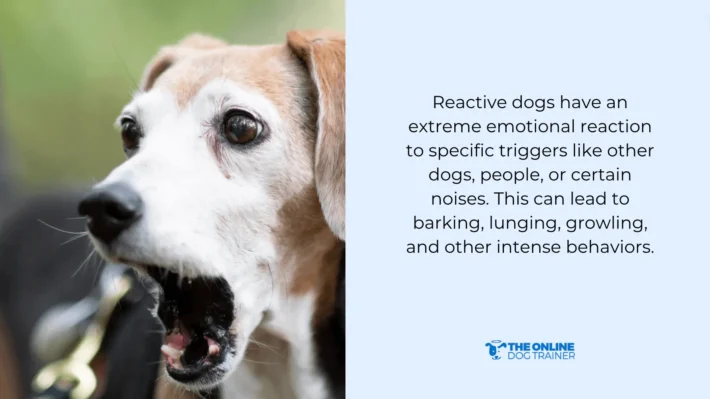

Is your dog barking nonstop at every little noise or passerby? It can be frustrating and stressful, not just for you but for your furry friend too.
You want your dog to feel calm and confident, not anxious or overwhelmed. The good news is, you can teach your reactive dog to stop barking and stay relaxed. You’ll discover simple, proven steps that really work. Imagine peaceful walks and quiet moments at home—sounds great, right?
Keep reading, because the solution to your barking problem is closer than you think.
Credit: theonlinedogtrainer.com
Recognize Reactivity Triggers
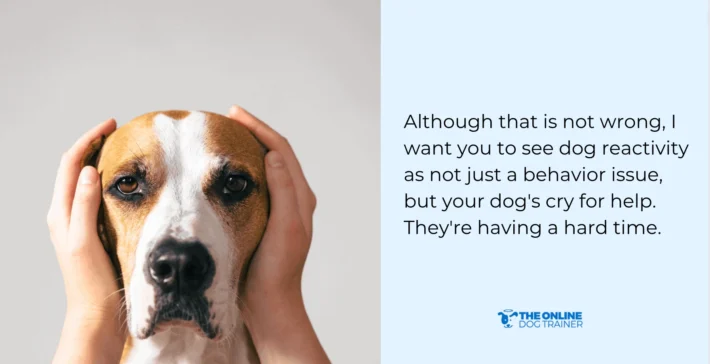
Understanding what triggers your dog’s reactivity is key to managing and reducing unwanted barking. Each dog reacts differently to their environment, so spotting these triggers helps you tailor your training approach effectively. Recognizing these signs early can prevent situations from escalating and make your training more successful.
Common Barking Triggers
Dogs often bark in response to specific stimuli that make them feel anxious, threatened, or excited. Some of the most frequent triggers include:
- Strangers or unfamiliar people:Your dog might bark loudly when someone new approaches the house or walks by on the street.
- Other dogs or animals:Seeing another dog during a walk can cause your dog to bark and pull on the leash.
- Loud noises:Sirens, fireworks, or construction sounds often provoke barking.
- Unfamiliar environments:New places can make your dog nervous, leading to reactive barking.
- Separation or boredom:Sometimes barking happens when your dog feels lonely or understimulated.
Think about your dog’s daily routine and watch for these specific situations. When do you notice the barking begins? Identifying these moments is the first step toward control.
Signs Of Reactivity
Recognizing how your dog behaves before and during reactive barking can help you intervene early. Common signs include:
- Tense body posture:Stiff legs, raised hackles, and a fixed stare often signal your dog is on high alert.
- Growling or snapping:Vocal warnings may escalate quickly if you don’t address the behavior.
- Pacing or lunging:Your dog might try to move toward the trigger, showing high excitement or fear.
- Rapid breathing or panting:This can indicate stress even before barking starts.
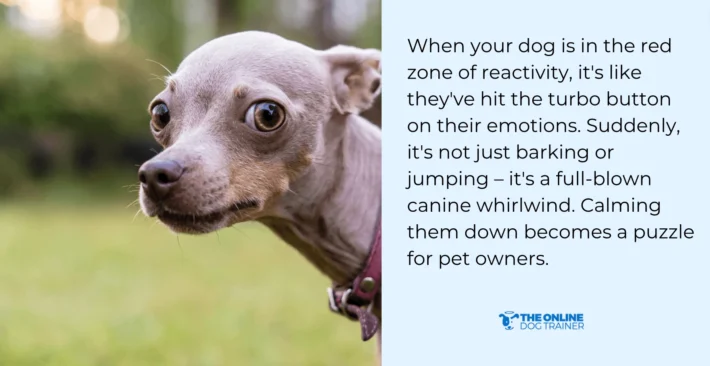
Have you ever noticed your dog’s body language change just before a bark? Catching these early signs lets you redirect their attention and calm them down before the barking takes over.
Credit: theonlinedogtrainer.com
Create A Calm Environment
Creating a calm environment helps reduce your dog’s urge to bark. A peaceful space lowers stress and makes training easier. Dogs respond better when they feel safe and relaxed. This section explains how to manage noise and distractions and create safe spaces for your dog.
Manage Noise And Distractions
Noise triggers many reactive dogs to bark. Keep your home quiet during training sessions. Turn off loud TVs, radios, and unnecessary appliances. Use white noise machines or soft music to mask outside sounds. Close windows and doors to block street noise. Limit visitors and avoid busy times in your home. Keep training areas free from toys or items that might distract your dog. Calm surroundings help your dog focus and stay calm.
Safe Spaces For Your Dog
Safe spaces give your dog a retreat when feeling overwhelmed. Choose a quiet corner or room with a comfortable bed. Add familiar blankets or toys to make it cozy. Teach your dog that this space is calm and secure. Let your dog enter and leave freely without pressure. Use this spot during stressful moments or after training. A safe space helps reduce anxiety and barking over time.
Use Positive Reinforcement
Use positive reinforcement to train a reactive dog not to bark. Reward quiet behavior with treats or praise. This helps the dog associate silence with positive outcomes, reducing excessive barking over time.
Training a reactive dog not to bark can be challenging, but using positive reinforcement can make a significant difference. This method focuses on rewarding your dog for calm behavior rather than punishing them for barking. Positive reinforcement helps your dog associate quiet behavior with pleasant experiences, encouraging them to repeat that behavior. It shifts their focus from what not to do, to what they should do, making the training process more enjoyable for both you and your pet.Reward Calm Behavior
When your dog is calm, seize the moment to reward them. This reinforces the idea that staying quiet is a desirable action. You might notice your dog lying peacefully or observing quietly—this is your cue to provide a treat or some affection. Consider the times when your dog remains calm during potentially triggering situations. Maybe it’s during a walk when they used to bark at every passerby. Rewarding these instances strengthens their understanding that calmness equals rewards.Timing Treats And Praise
Timing is crucial in positive reinforcement. Offer treats or praise immediately when your dog displays the desired calm behavior. This immediate reward helps your dog make the connection between their behavior and the positive outcome. Imagine waiting a few minutes before giving a treat; your dog might not link the reward with their calm behavior. Keep treats handy during training sessions to ensure you can act quickly. Are you ready to transform your reactive dog into a calm companion? With consistent positive reinforcement, your dog can learn to appreciate quiet moments as much as you do.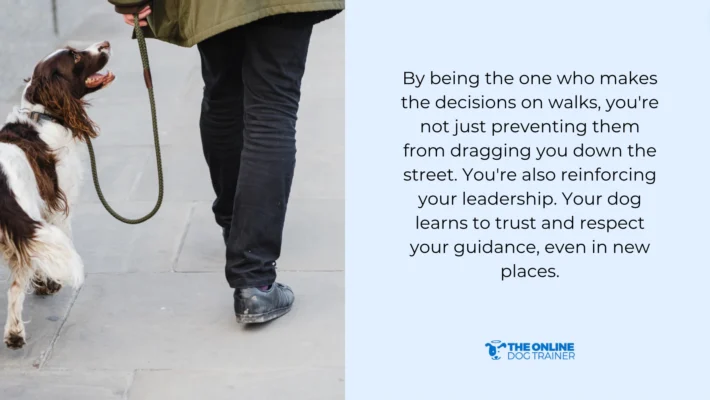
Credit: theonlinedogtrainer.com
Teach Alternative Behaviors
Teaching your reactive dog alternative behaviors is key to managing excessive barking. Instead of reacting to every trigger, your dog learns to respond with calm, controlled actions. This shift not only reduces barking but also builds a stronger bond based on clear communication.
Focus And Attention Commands
Helping your dog focus on you diverts their energy from barking. Use simple commands like “Look at me”or “Watch”to capture their attention. Start training in a quiet environment, then gradually add distractions.
Reward your dog immediately when they maintain eye contact. This positive reinforcement makes focusing on you more rewarding than reacting to noises or people. Have you noticed how your dog’s mood changes when they’re fully engaged with you?
Practice this regularly using treats or toys to keep your dog motivated. Over time, your dog will learn to seek your attention instead of barking at every little sound.
Quiet Command Training
Teaching a reliable “Quiet” command gives your dog a clear signal to stop barking. Start by letting your dog bark a couple of times, then say “Quiet”calmly and hold a treat near their nose. Most dogs stop barking briefly to sniff the treat.
The moment they stop barking, even for a second, praise them and give the treat. Repeat this consistently, gradually increasing the time your dog stays quiet before getting a reward. Have you tried using this command during a real-life distraction yet?
Be patient; some dogs take longer to understand. Consistency is crucial. Over time, your dog will associate “Quiet” with the action of stopping barking and the reward that follows.
Implement Desensitization Techniques
Implementing desensitization techniques is a powerful way to help your reactive dog reduce barking. This approach involves carefully exposing your dog to the things that trigger their barking but in a way that feels safe and manageable. It takes patience, but it can change how your dog reacts over time.
Controlled Exposure To Triggers
Start by identifying specific triggers that make your dog bark, such as other dogs, strangers, or loud noises. Then, expose your dog to these triggers at a distance or intensity that doesn’t cause barking. This could mean watching another dog from across the street or hearing a doorbell sound at a low volume.
During this exposure, watch your dog closely. If they stay calm, reward them immediately with treats or praise. This positive reinforcement helps your dog associate the trigger with something good instead of feeling the need to bark.
Gradual Intensity Increase
Once your dog reacts calmly at a low intensity, slowly increase the challenge. Move a bit closer to the trigger or raise the volume of the noise, but only if your dog is comfortable. The key is to keep the experience just under the level that causes barking.
This gradual increase helps your dog build confidence and reduces their reactive response step by step. If your dog starts barking again, you’ve moved too fast and should step back to a lower intensity. How do you think your dog will feel as they gain control over their reactions?
Practice Counter-conditioning
Practice counter-conditioning is a powerful way to change how your reactive dog feels about the things that usually make them bark. Instead of trying to stop the barking directly, you work on changing your dog’s emotional reaction to triggers. This approach helps your dog feel more calm and confident over time.
Changing Emotional Responses
Your dog barks because they feel anxious, scared, or threatened. Changing this emotional response is key to reducing reactive barking. You want to replace the negative feelings with something positive.
Start by watching your dog’s body language closely. Notice when they begin to tense up or show signs of stress. At that moment, offer a treat or a favorite toy to help shift their focus and feelings.
Have you tried to calm your dog with just commands? If so, you might have missed how important their feelings are. Changing emotions is more effective than just telling them to be quiet.
Pairing Triggers With Positive Experiences
Identify the triggers that make your dog bark, like other dogs, strangers, or loud noises. Then, introduce these triggers at a distance where your dog feels safe and not overwhelmed.
Every time your dog notices the trigger but stays calm, immediately give a high-value treat. This teaches your dog to associate the trigger with something good instead of fear or frustration.
Repeat this regularly, gradually bringing the trigger closer as your dog stays relaxed. This step-by-step pairing creates new, positive memories linked to the trigger.
- Keep training sessions short and fun to avoid stress.
- Use treats your dog loves, like small pieces of chicken or cheese.
- Be patient—this process takes time and consistency.
How different would your walks be if your dog greeted other dogs with calm curiosity instead of barking? Changing their emotional response through counter-conditioning can make that happen.
Incorporate Physical And Mental Exercise
Incorporating physical and mental exercise plays a vital role in training a reactive dog not to bark. Exercise helps to release built-up energy and reduce anxiety. A tired dog is less likely to react with barking. Providing both physical activity and mental challenges keeps your dog calm and focused.
Daily Walks And Playtime
Daily walks give your dog a chance to explore and burn energy. Keep walks consistent and at a steady pace. Use playtime to engage your dog’s body and mind. Simple games like fetch or tug-of-war work well. These activities reduce stress and promote calm behavior.
Engaging Puzzle Toys
Puzzle toys challenge your dog’s brain and reduce boredom. These toys require problem-solving to get treats or rewards. Use different puzzle toys to keep your dog interested. Mental stimulation helps prevent barking caused by frustration or restlessness. Rotate toys regularly to maintain excitement.
Stay Consistent With Training
Staying consistent with training is key to helping your reactive dog learn not to bark excessively. Dogs thrive on routine, and your steady approach builds trust and understanding. Without consistency, your dog gets mixed signals, which can increase frustration and barking.
Regular Practice Sessions
Set aside short, frequent training sessions every day. Even 5 to 10 minutes can make a big difference if you keep it regular. This helps your dog stay focused and prevents overwhelm.
Use the same commands and rewards each time. If you ask your dog to “quiet” during a barking episode, follow through immediately with praise or treats when they stop. This clear cause-and-effect teaches your dog faster than inconsistent reactions.
Think about your own learning—would you improve if the rules kept changing? Your dog feels the same way.
Involving Family Members
Everyone in your household must use the same training methods and commands. If one person allows barking and another stops it, your dog will get confused.
Gather your family and explain the plan clearly. Show them how to respond when the dog barks and how to reward quiet behavior.
- Hold brief training meetings to keep everyone updated.
- Create a simple checklist of commands and rewards.
- Encourage family members to share their experiences and challenges.
Have you noticed how your dog reacts differently to each family member? Consistency across everyone can reduce those mixed responses and speed up progress.
Seek Professional Support When Needed
Sometimes, training a reactive dog not to bark can feel overwhelming. You might hit a wall despite your best efforts. That’s when seeking professional support becomes essential to help both you and your dog succeed.
Working With Trainers
Professional dog trainers bring experience and techniques tailored to reactive dogs. They can observe your dog’s behavior and identify triggers you might miss. Trainers often teach you how to manage situations calmly, reducing your dog’s stress and barking.
Imagine feeling stuck during a walk because your dog barks at every passerby. A skilled trainer can show you how to redirect your dog’s attention and reward calm behavior. This hands-on guidance can build your confidence and improve your dog’s reactions faster than working alone.
Look for trainers who specialize in positive reinforcement and reactive dog behavior. Their expertise can transform your approach and make training sessions less frustrating.
Consulting Veterinarians
Sometimes, excessive barking stems from health issues. Consulting your veterinarian ensures your dog isn’t barking due to pain, discomfort, or neurological problems. A vet checkup can rule out or address physical causes before you dive deeper into training.
Vets can also recommend calming supplements or medications if your dog’s anxiety is severe. This support can make behavior modification more effective and comfortable for your dog.
Have you noticed any sudden changes in your dog’s barking patterns? A quick vet visit might uncover hidden issues affecting their behavior.
Frequently Asked Questions
How Can I Stop My Reactive Dog From Barking?
To stop barking, identify triggers and use positive reinforcement. Teach the “quiet” command and reward calm behavior consistently. Avoid punishment, as it can worsen reactivity. Training takes patience and regular practice for lasting results.
What Training Methods Work Best For Reactive Dogs?
Positive reinforcement training works best. Reward calm behavior and use treats or toys. Counter-conditioning and desensitization help reduce reaction to triggers. Avoid harsh corrections to maintain trust and encourage learning.
How Long Does It Take To Train A Reactive Dog?
Training time varies by dog and severity. Some dogs improve in weeks, others take months. Consistent, patient training sessions daily speed progress. Regular practice and gradual exposure to triggers are essential for success.
Should I Use Professional Help For A Reactive Dog?
Professional trainers or behaviorists can provide expert guidance. They offer personalized plans and support for difficult cases. If your dog’s reactivity is severe or worsening, seek professional help to ensure safe and effective training.
Conclusion
Training a reactive dog to stop barking takes time and patience. Stay calm and consistent with your approach. Reward good behavior and ignore unwanted barking. Use simple commands and practice often in different places. Small steps lead to big progress.
Your dog learns best with kindness and clear signals. Keep training sessions short and positive. Remember, quiet dogs make happy homes. Keep going—you can help your dog feel calm and safe.