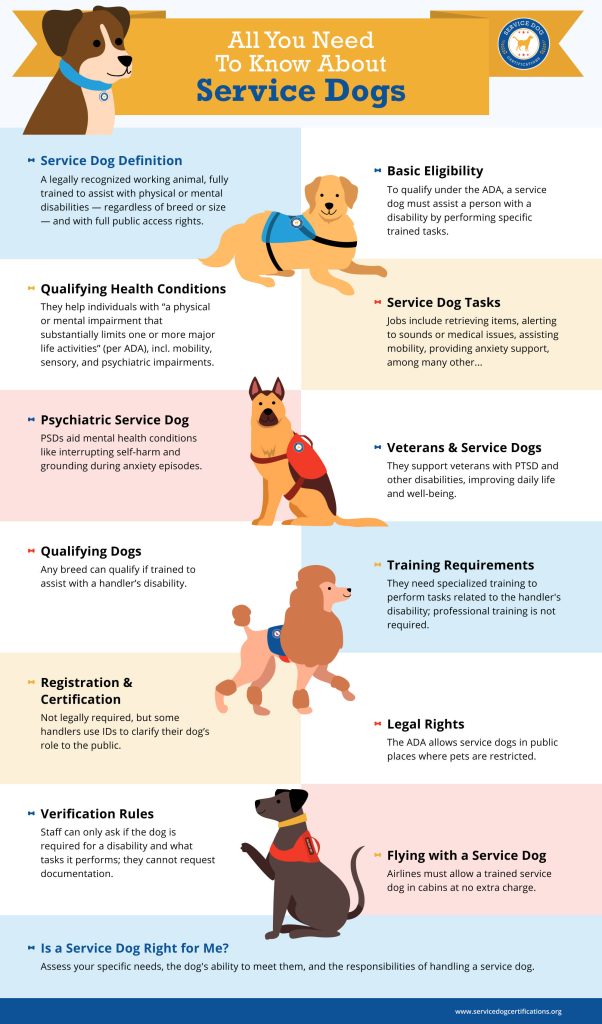

Training an autism service dog can change your life or the life of someone you care about. You might wonder where to start or how to teach your dog the special skills needed.
This guide will help you understand the simple steps to train your service dog effectively. By following these tips, you’ll build a strong bond with your dog and create a trusted companion who supports you every day. Keep reading to discover how you can make this powerful connection happen.
Choosing The Right Dog
Choosing the right dog is the first step in training a successful autism service dog. The dog must fit the needs and lifestyle of the person it will assist. Picking a dog with the right traits makes training easier and more effective. This section covers important factors to consider when selecting a dog for autism service work.
Best Breeds For Autism Service
Some dog breeds have qualities that suit autism service tasks well. These breeds are known for their calm nature and intelligence.
- Labrador Retriever – Friendly, patient, and easy to train.
- Golden Retriever – Gentle, loyal, and highly adaptable.
- Standard Poodle – Smart, hypoallergenic, and eager to please.
- Border Collie – Intelligent and quick to learn commands.
- Bernese Mountain Dog – Calm and affectionate with a steady temperament.
Choosing a breed with these qualities helps ensure the dog can support the person confidently.
Assessing Temperament
A dog’s temperament affects its ability to work as a service animal. Look for a dog that is calm and not easily startled. The dog should be social but not overly excitable. It must enjoy being around people and respond well to new environments. A steady, gentle personality helps the dog stay focused during tasks. Testing the dog’s reaction to sounds and crowds is important before training begins.
Age And Training Potential
Age plays a key role in training success. Puppies offer a chance to shape behavior from the start. They learn commands and social skills quickly. Adult dogs can also be trained but may take longer to adapt. Avoid choosing very young puppies or older dogs with health issues. A dog between 1 and 3 years old is often ideal. This age balances energy, focus, and readiness for training.
Basic Training Foundations
Training an autism service dog starts with clear, simple commands and consistent routines. Building trust and patience helps the dog learn tasks that support daily needs. Early socialization and positive reinforcement make the training effective and enjoyable for both.
Training an autism service dog is a rewarding journey, where the foundations you lay at the beginning will have a lasting impact. The bond you build during these early stages sets the tone for a relationship grounded in trust and understanding. Let’s dive into the basic training foundations that will equip your service dog with the skills needed to support effectively.Obedience Commands
Establishing obedience is crucial. Simple commands like “sit,” “stay,” and “come” are not just basic skills but essential tools for safety and discipline. Use consistent words and gestures, as dogs respond well to clear and repetitive cues. Reward-based training is highly effective. Celebrate small victories with treats or praise, ensuring your dog associates obedience with positive outcomes. Remember, patience is key; each dog learns at its own pace.Socialization Skills
A well-socialized dog can navigate various environments with ease. Introduce your dog to different settings, noises, and people to build confidence. Think of every outing as a learning opportunity—whether it’s a bustling park or a quiet café. Watch your dog’s reactions closely. Are there particular situations that make them anxious? Gradual exposure with reassurance can help them adjust. Socialization isn’t just about people; other dogs, cats, and even vacuum cleaners are part of this process.Crate And Leash Training
Crate training provides a safe space for your dog. Start by making the crate a comfortable and inviting place, perhaps by adding a favorite toy or blanket. Gradually increase crate time, always associating it with calmness and security. Leash training is equally important. Begin in a quiet area with minimal distractions. Practice walking with gentle guidance, rewarding your dog for staying by your side. A well-trained leash walker reduces stress for both the dog and handler during outings. Are you ready to embark on this journey? The foundation you build today will empower your service dog to be a reliable companion, enhancing the quality of life for those with autism.Specialized Autism Service Tasks
Training an autism service dog goes beyond basic obedience. The dog must learn specialized tasks tailored to support the unique needs of someone on the autism spectrum. These tasks help improve safety, reduce anxiety, and provide comfort in daily situations.
Sensory Alert Training
Many individuals with autism experience sensory sensitivities or overload. Teaching your service dog to recognize signs of distress, like fidgeting or vocal cues, can make a big difference.
You can train the dog to alert you by nudging or pawing when it notices these behaviors. This early warning gives you time to intervene before a sensory meltdown occurs.
Think about what specific signals your dog should watch for. Tailor the alerts to match your daily routine and sensory triggers.
Deep Pressure Therapy
Deep pressure therapy (DPT) is a calming technique that can help reduce anxiety and promote focus. Your service dog can be trained to apply gentle pressure by leaning or lying on you during stressful moments.
Start by rewarding your dog when it stays close and applies steady pressure with its body. Gradually introduce this behavior in different settings to ensure reliability.
Have you noticed how physical contact affects your stress levels? Training your dog to provide this comfort on cue can be a game-changer in managing anxiety.
Safety And Boundary Awareness
One of the most important roles of an autism service dog is keeping you safe. Dogs trained to recognize unsafe situations—like wandering off or approaching busy streets—can alert or physically block you.
Teaching boundary awareness involves setting clear limits and using commands that reinforce staying within safe zones. Practice these routines consistently in varied environments.
Imagine how confident you could feel knowing your dog helps prevent dangerous situations. What safety risks in your life could this training address?

Credit: khamsklub.org
Positive Reinforcement Techniques
Positive reinforcement techniques build trust and encourage good behavior in autism service dogs. These methods use rewards to motivate the dog and make training enjoyable. Dogs learn faster when they feel safe and happy. Positive reinforcement strengthens the bond between handler and dog.
Reward Systems
Rewards help dogs understand which actions are correct. Use treats, praise, or toys as rewards. Keep rewards small and frequent at the start. Change rewards to keep the dog interested. Timing is key—reward the dog immediately after good behavior.
Consistency And Patience
Train regularly and keep commands clear and simple. Use the same words and gestures every time. Dogs need time to learn new tasks. Avoid rushing or showing frustration. Patience helps the dog feel calm and ready to learn.
Avoiding Common Mistakes
Do not punish or scold the dog for mistakes. Avoid confusing commands or changing rules often. Do not overuse treats, or the dog may lose interest. Watch the dog’s body language to avoid stress. Keep training sessions short and focused.
Public Access Training
Public access training is a vital part of preparing an autism service dog. It teaches the dog to behave well in different public settings. This training helps both the dog and handler stay calm and safe in busy places.
The goal is to ensure the dog supports the handler without causing distractions or disturbances. The dog learns to focus on the handler and ignore the environment. This section covers key skills needed for public access training.
Behavior In Crowded Places
Training a service dog to stay calm in crowds is essential. Start with small groups of people and quiet places. Gradually increase the crowd size and noise level. The dog must learn to walk calmly beside the handler.
Teach the dog to avoid jumping or barking at others. Use gentle commands and positive rewards for good behavior. Practice standing still when the handler stops. This helps the dog stay controlled in busy areas.
Handling Distractions
Distractions can come from noises, smells, or moving objects. Train the dog to focus on the handler despite distractions. Use controlled environments to introduce distractions slowly.
- Bring toys or food to divert the dog’s attention if needed.
- Practice “watch me” commands to regain focus.
- Reward the dog for ignoring distractions and staying attentive.
This training builds the dog’s confidence and strengthens its role as a helper.
Legal Rights And Etiquette
Understanding legal rights is important for both handler and dog. Service dogs have the right to enter public places like stores, restaurants, and transportation.
Teach the handler to politely explain the dog’s role if asked. The dog should always be on a leash and under control. Avoid letting the dog interact with other people or pets while working.
Respect public rules and keep the dog clean and well-groomed. Good etiquette helps maintain positive experiences in public settings.

Credit: pawswithacause.org
Ongoing Maintenance And Support
Training an autism service dog doesn’t end after the initial lessons. Ongoing maintenance and support keep your dog reliable and responsive over time. This continuous effort strengthens the bond between you and your dog, ensuring they remain a dependable partner in daily life.
Regular Skill Refreshers
Your service dog learns a lot during training, but skills can fade without practice. Schedule short, consistent training sessions to revisit key commands and behaviors. This helps your dog stay sharp and confident in their tasks.
Try mixing familiar tasks with new challenges to keep your dog engaged. For example, if your dog helps with sensory overload, practice calming techniques in different environments. How often do you set aside time to reinforce these skills?
Health And Wellness Checks
Healthy dogs perform better in their roles. Regular vet visits, proper diet, and exercise are essential to keep your service dog in top shape. Pay attention to signs of stress or fatigue, as they can affect your dog’s performance.
Keep grooming and dental care part of your routine to avoid discomfort that might distract your dog. Remember, a happy dog is a focused dog. How do you currently monitor your dog’s well-being?
Building A Support Network
Training and maintaining a service dog can sometimes feel overwhelming. Connecting with other handlers, trainers, and professionals provides valuable advice and encouragement. These relationships can offer solutions to challenges you might face.
Join local or online groups where you can share experiences and learn from others. Support networks also create opportunities for socialization, which benefits both you and your dog. Who in your community can you turn to for support?
Credit: www.thesurfclub.com.au
Frequently Asked Questions
What Are The First Steps To Train An Autism Service Dog?
Start with basic obedience training and socialization. Focus on commands like sit, stay, and come. Introduce the dog to various environments early to build confidence and reliability for autism-specific tasks.
How Long Does It Take To Train An Autism Service Dog?
Training typically takes 6 to 12 months. Consistent daily practice and professional guidance speed up progress. The timeline varies based on the dog’s age, breed, and individual learning pace.
Which Skills Are Essential For Autism Service Dogs?
Key skills include sensory alerting, deep pressure therapy, and safety monitoring. Dogs learn to recognize anxiety, guide safely, and interrupt repetitive behaviors. These abilities improve comfort and independence for autistic individuals.
Can I Train My Own Autism Service Dog?
Yes, but it requires dedication, patience, and knowledge. Professional trainers can offer valuable support. Self-training demands consistent practice and understanding of autism-specific needs and legal service dog standards.
Conclusion
Training an autism service dog takes time and patience. Small steps each day help build trust and skills. Focus on clear commands and positive rewards. Consistency makes learning easier for the dog. Remember, every dog learns at its own pace.
The bond between you and your dog will grow strong. This partnership can bring safety and comfort. Keep practicing, stay patient, and enjoy the journey together.