Have you ever wondered if adult dog food keeps your furry friend fuller than puppy food? If you want to make sure your dog feels satisfied after every meal, this question matters.
Choosing the right food not only affects your dog’s hunger but also their energy and happiness. You’ll discover what makes adult dog food different from puppy food and which one truly fills your dog up. Keep reading to find out how to give your dog the best meal for their needs.

Credit: us.eukanuba.com
Differences Between Puppy And Adult Dog Food
Understanding the differences between puppy and adult dog food is key to feeding your dog properly. These foods are designed to meet the specific needs of dogs at different life stages. Knowing what sets them apart helps you choose the right food that keeps your dog healthy and satisfied.
Nutritional Composition
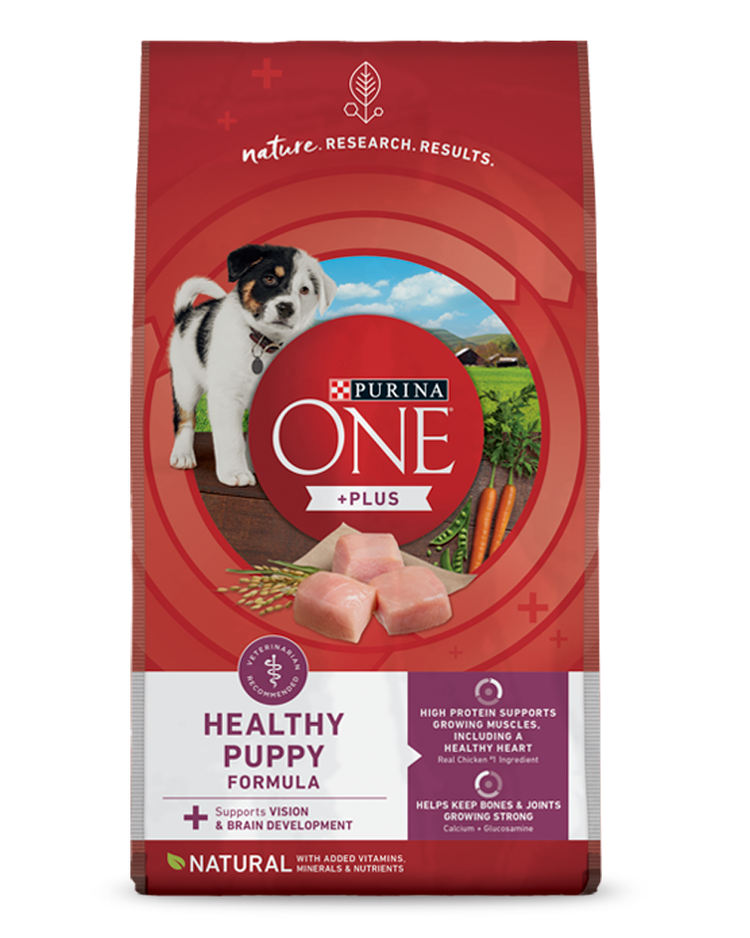
Puppy food contains higher levels of essential nutrients to support rapid growth and development. It often has extra vitamins, minerals, and DHA, a fatty acid important for brain health. Adult dog food focuses more on maintaining health and energy without encouraging excessive weight gain.
Think about your growing puppy’s energy bursts and development needs. Their food must fuel these demands effectively. Adult dogs, on the other hand, need balanced nutrition to maintain muscle and avoid obesity.
Calorie Density
Puppy food is usually more calorie-dense than adult dog food. This means it packs more energy in each bite to support growth and active play. Adult dog food tends to have fewer calories to prevent weight gain as activity levels often decrease with age.
Have you noticed how your puppy seems to eat more but stays lean and energetic? That’s because their food is designed to fuel their rapid metabolism. Adult dogs may feel fuller on less food if their diet is lower in calories but higher in fiber and water content.
Protein And Fat Levels
Puppy food generally contains higher protein and fat levels. These nutrients are vital for building strong muscles and storing energy. Adult dog food has moderate protein and fat to maintain muscle mass without adding extra body fat.
Protein quality also differs; puppy food often uses more digestible protein sources to support growth. For your adult dog, balanced protein helps sustain vitality without overloading their system. If you’ve switched your dog from puppy to adult food, observe how their energy and fullness change—this can tell you a lot about these differences.
Credit: www.purina.com
Factors Affecting Satiety In Dogs
Satiety in dogs depends on several factors that influence how full they feel after eating. These elements affect digestion, energy use, and overall satisfaction from meals. Understanding these factors helps in choosing the right food for your dog’s needs. Both adult and puppy foods vary in ingredients that impact fullness.
Digestibility
Digestibility means how well a dog’s body breaks down food. Highly digestible foods release nutrients quickly, giving fast energy but sometimes less fullness. Less digestible foods take longer to process, helping dogs feel full longer. Puppy food often has higher digestibility to support growth. Adult food may have different digestibility levels to maintain energy balance.
Fiber Content
Fiber adds bulk to the diet without many calories. It slows digestion, making dogs feel fuller for longer periods. Adult dog food usually contains more fiber than puppy food. This extra fiber helps control hunger and supports digestive health. Fiber also promotes regular bowel movements, which is important for overall well-being.
Meal Frequency And Portion Size
How often and how much a dog eats affects satiety. Puppies need smaller, frequent meals due to their fast metabolism. Adult dogs benefit from fewer meals with larger portions. Balanced portion sizes prevent overeating or hunger between meals. Adjusting meal frequency and size helps manage fullness and energy levels throughout the day.
How Puppy Food Impacts Fullness
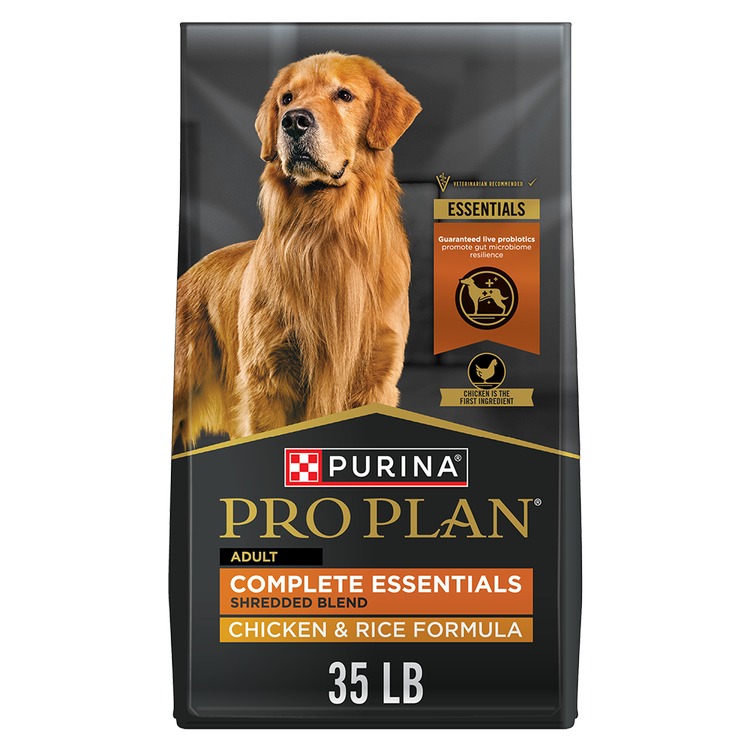
Adult dog food often contains more fiber and protein, which can make dogs feel fuller longer. Puppy food is rich in calories to support growth but may not satisfy hunger as well. This difference affects how long a dog stays full after eating.
Understanding how puppy food impacts fullness can help you make informed choices for your furry friend. Puppies have unique dietary needs that differ from adult dogs. Their food is specially formulated to meet these needs, but how does it affect their sense of fullness?Higher Energy Needs
Puppies are little bundles of energy, constantly playing, exploring, and growing. Their bodies require more calories to fuel these activities. Puppy food is higher in calories compared to adult dog food, designed to meet these elevated energy needs. This higher caloric content can make puppy food seem less filling. A small portion packs a significant energy punch. Have you noticed your puppy always seems hungry, despite regular meals? This could be why.Growth Support
Puppy food is rich in nutrients essential for growth and development. It contains higher levels of protein, fats, and certain vitamins and minerals. These components are crucial for building strong bones, muscles, and a healthy immune system. While this nutrient-rich profile supports growth, it might not create the same feeling of fullness as adult dog food. The focus is on providing what they need to grow rather than just filling their bellies.Appetite Stimulation
Ever wondered why your puppy seems extra excited at mealtime? Puppy food often includes ingredients that are more palatable and enticing to stimulate their appetite. This is crucial to ensure they consume enough nutrients during their rapid growth phases. However, this increased palatability might lead to your puppy eating more eagerly and quickly, potentially not allowing their brain to register fullness promptly. Are you feeding your puppy enough to satisfy their hunger, while also ensuring they’re not overeating? Balancing these factors is key.How Adult Dog Food Influences Satiety
Adult dog food affects how full dogs feel after eating. It is designed to meet the needs of mature dogs. This food helps keep dogs satisfied for longer periods. Satiety means feeling full and not hungry soon after a meal. The ingredients and nutrients in adult dog food play a key role in this feeling.
Balanced Nutrients For Maintenance
Adult dog food contains the right balance of proteins, fats, and carbohydrates. These nutrients provide steady energy without extra calories. Proteins help maintain muscle mass and keep dogs feeling full. Healthy fats support energy and brain function. Carbohydrates offer fiber, which aids digestion and fullness.
The balance in adult dog food prevents overeating. It supports healthy body weight and good metabolism. This balance is different from puppy food, which focuses on growth.
Ingredients That Promote Fullness
Ingredients like fiber and protein increase the feeling of fullness. Fiber slows digestion, so dogs feel satisfied longer. Protein takes longer to break down, helping control hunger. Some adult dog foods include ingredients like beet pulp and pumpkin for fiber.
Fat content also influences satiety. Moderate fat levels provide lasting energy without causing weight gain. These ingredients work together to reduce begging and unnecessary snacking.
Adjusting To Activity Levels
Adult dog food formulas vary to match activity levels. Active dogs need more calories and nutrients to stay energized. Less active dogs require fewer calories to avoid weight gain. Many adult dog foods offer options for different energy needs.
Choosing the right formula helps keep dogs full and healthy. It balances energy intake with daily exercise. This adjustment supports overall well-being and satiety throughout the day.
Feeding Tips For Satisfying Your Dog
Feeding your dog the right amount and type of food is key to keeping them happy and healthy. Understanding how to satisfy your dog’s hunger can prevent overeating and reduce begging behaviors. Let’s look at practical tips that help you feed your dog in a way that truly meets their needs.
Choosing The Right Food
Not all dog foods are created equal. Adult dog food often contains more fiber and protein to keep your dog feeling full longer compared to puppy food, which focuses on growth nutrients.
Look for foods that list quality protein sources, like chicken or lamb, near the top of the ingredients. Foods with added fiber, such as sweet potatoes or peas, can also help your dog feel more satisfied after meals.
Have you noticed your dog still seems hungry after eating? It might be worth switching their food to something more filling and nutrient-dense.
Monitoring Hunger Signals
Dogs show their hunger in many ways, from whining to searching for food. Watch for these signals to better understand if your dog is actually hungry or just bored.
Try feeding smaller, more frequent meals if your dog seems restless between meals. This can help keep their energy steady and reduce begging.
Does your dog finish their food quickly and then act hungry? It might be a sign to adjust portion sizes or choose a more filling diet.
Consulting Your Veterinarian
Your vet is the best source of advice when it comes to feeding your dog properly. They can help you decide if adult or puppy food suits your dog’s current health and lifestyle.
Discuss any weight changes, appetite shifts, or digestive issues you’ve noticed. Your vet might recommend specific foods or supplements to keep your dog satisfied and healthy.
Have you talked to your vet recently about your dog’s diet? Sometimes a quick check-in can make a big difference in how well your dog feels after mealtime.
Credit: www.purina.com
Frequently Asked Questions
Is Adult Dog Food More Filling Than Puppy Food?
Adult dog food is generally more calorie-dense and higher in fiber. It helps adult dogs feel fuller longer compared to puppy food. Puppy food focuses on growth and energy, so it may be less filling per serving than adult formulas.
Can Feeding Puppy Food To Adults Cause Weight Gain?
Yes, adult dogs eating puppy food can gain weight. Puppy food is richer in calories and nutrients meant for growth. Overfeeding an adult dog with puppy food can lead to excess calorie intake and obesity.
Why Does Puppy Food Have Different Nutrient Ratios?
Puppy food contains higher protein, fat, and calories to support growth. Adult dog food has balanced nutrients to maintain health and energy levels. These differences ensure dogs get age-appropriate nutrition.
When Should I Switch From Puppy To Adult Dog Food?
Switch from puppy to adult food when your dog reaches 12 months old. Large breeds may switch closer to 18 months. This change matches nutritional needs to their growth stage.
Conclusion
Adult dog food usually feels more filling than puppy food due to higher fiber and protein. Puppy food supports growth with more calories but less bulk. Choosing the right food depends on your dog’s age, size, and activity. Feeding the proper diet helps keep dogs healthy and satisfied.
Watch your dog’s hunger and energy to adjust meals. Balanced nutrition matters most for both puppies and adults. Simple care and good food bring happy, healthy pets.