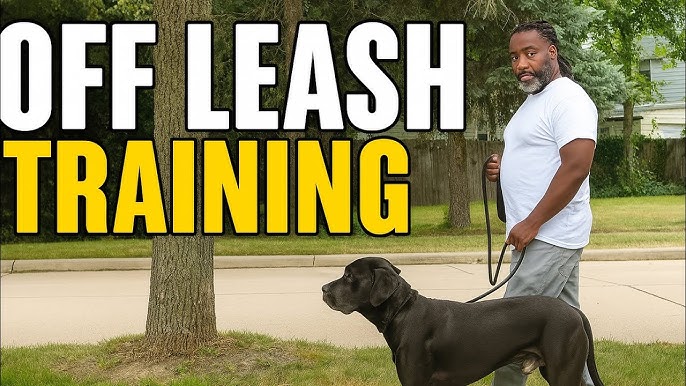

Training your dog to be off leash is one of the most rewarding skills you can teach. Imagine the joy of watching your furry friend explore freely while still coming back to you every time you call.
But getting there takes more than just trust—it takes the right training techniques that work for both you and your dog. In this guide, you’ll discover simple, effective steps to build your dog’s confidence and obedience off leash. By the end, you’ll feel confident letting your dog roam safely, knowing they’ll always return when you need them.
Ready to transform your walks and playtime? Let’s get started.

Credit: www.youtube.com
Benefits Of Off-leash Training
Training your dog to be off leash offers more than just convenience; it transforms how you both experience the outdoors. The benefits go beyond freedom—there are deeper connections and safety factors that make off-leash training worthwhile. Have you ever noticed how your dog’s behavior changes when they can explore without restraints?
Improved Dog Freedom
Giving your dog the ability to roam without a leash allows them to express natural behaviors like sniffing, running, and exploring. This freedom boosts their mental health and reduces stress. When I let my dog explore safely off leash, I’ve seen her confidence grow and her energy channel in positive ways.
Imagine the joy your dog feels when they chase after a scent trail or play freely without constant pulling. This kind of freedom encourages physical exercise and mental stimulation, which are key to a happy, healthy dog.
Enhanced Bonding
Off-leash training requires trust and communication, which naturally strengthens your bond. Your dog learns to listen to you out of respect, not restraint. This mutual understanding deepens your relationship more than any leash can.
When I began off-leash walks, I noticed my dog paid closer attention to my commands and looked to me for guidance. Have you experienced moments when your dog seemed more connected to you during these free-roaming times?
Safety Advantages
It might sound risky, but off-leash training can actually improve safety. A well-trained off-leash dog responds promptly to commands, avoiding dangerous situations like traffic or aggressive animals. This control is especially useful in unpredictable environments.
Training your dog off leash teaches them to stay close and come back when called, reducing the risk of them running into harm. What’s more, it can prevent accidents caused by leash tangling or sudden pulls that harm both you and your dog.

Credit: offleashk9nova.com
Essential Commands To Teach
Teaching your dog essential commands is the foundation for off-leash freedom. Without these, letting your dog roam safely is risky. These commands build trust and clear communication between you and your pet.
Reliable Recall
Recall is the most important command for off-leash control. Your dog must come back to you immediately, no matter the distractions. Start practicing in a quiet area, using a happy tone and treats to reward your dog when they respond.
Try calling your dog from short distances and gradually increase the challenge. If your dog ignores you, don’t scold—reward even small attempts. Imagine calling your dog at the park and having them run straight to you without hesitation. That’s the goal.
Stay And Wait
Teaching your dog to stay or wait is crucial for safety and control. It keeps your dog from darting off unexpectedly or chasing after something. Begin with short stays and reward calm behavior.
Use clear, consistent commands and hand signals. Practice by asking your dog to stay while you step away a few feet. Do you trust your dog to hold position even when a squirrel crosses nearby? With training, they can.
Heel And Come
The heel command keeps your dog walking closely beside you, creating focus and discipline. It prevents pulling and wandering during walks. Practice by rewarding your dog for staying at your side, especially when passing distractions.
Combine heel with come to ensure your dog responds instantly when you call them to your side. This is vital when off-leash, as it helps regain control quickly. Have you noticed how much smoother walks are when your dog heels reliably? It makes off-leash time safer and more enjoyable.
Preparing For Off-leash Training
Start by creating a quiet, safe area for your dog to practice. Use a long leash and simple commands to build trust and focus. Gradually increase freedom as your dog learns to respond reliably.
Preparing your dog for off-leash training is a rewarding journey that requires patience and dedication. It’s not just about removing the leash; it’s about building a trusting relationship where your dog listens and responds to your commands, even at a distance. Before you start, it’s essential to lay a solid foundation to set you and your furry friend up for success.Assessing Your Dog’s Readiness
Not all dogs are ready to go off-leash right away. Consider your dog’s behavior and obedience level. Does your dog consistently respond to basic commands like sit, stay, and come? If not, you might need to reinforce these commands before progressing. Also, assess their ability to focus in different environments. If they easily get distracted, additional training might be necessary. Remember, the goal is to ensure safety for both your dog and others.Choosing The Right Environment
Location is crucial for off-leash training. Begin in a controlled, safe area like a fenced yard or a quiet park. This minimizes distractions and reduces risks. As your dog gets comfortable, gradually move to more challenging environments. Keep in mind, the safety of the location should always be your priority. How does your dog react in these new spaces? Observing their reactions can provide valuable insights into their readiness.Using Training Tools
Training tools can be incredibly helpful in off-leash training. Long lines are a great way to give your dog freedom while maintaining control. Consider a reliable recall device, like a whistle, to reinforce commands. You can also use treats and positive reinforcement to encourage good behavior. These tools act as a bridge, helping your dog transition from on-leash to off-leash with confidence. Are you equipped with the right tools to guide your dog effectively?Step-by-step Off-leash Training
Training your dog to be off leash takes patience and consistency. It involves building trust and clear communication between you and your dog. Breaking the process into manageable steps makes it easier for both of you to succeed.
Starting With Leash Control
Begin by mastering leash control. Use a short leash and practice basic commands like “come,” “sit,” and “stay.” Reward your dog immediately when they respond well.
This stage sets the foundation for off-leash freedom. If your dog struggles here, off-leash training will be much harder. Have you noticed how your dog reacts to leash tension? Adjust your approach based on their comfort level.
Gradual Distance Increase
Once your dog responds reliably on a short leash, slowly increase the distance between you. Let your dog explore while still keeping the leash loose. Praise them for staying close or returning when called.
This step builds your dog’s confidence and reinforces your commands from farther away. Try practicing in a fenced yard before moving to open spaces. How far can your dog stay focused on you right now?
Introducing Distractions
Next, add distractions like other dogs, people, or toys. Start in a quiet environment and gradually increase the distractions. Keep rewarding your dog for paying attention and obeying commands.
Distractions test your dog’s focus and impulse control. If your dog gets too excited or distracted, reduce the stimuli and try again later. What distractions challenge your dog the most?
Common Challenges And Solutions
Training your dog to be off leash is rewarding but comes with its own set of challenges. You’ll likely face moments where your dog tests boundaries or reacts unpredictably. Understanding these common issues and how to address them can make your training sessions more effective and enjoyable.
Ignoring Recall Commands
One of the toughest challenges is when your dog simply ignores your recall commands. Dogs might get distracted or feel more interested in something else, making it hard to get their attention.
Try these tips to improve recall:
- Use high-value treats or favorite toys as rewards.
- Practice in low-distraction areas before moving to more stimulating environments.
- Keep your tone upbeat and excited to make coming back more appealing.
Ask yourself: is your dog motivated enough to come back, or is the environment too tempting? Adjust your training to find the right balance.
Chasing Distractions
Dogs love to chase after squirrels, bikes, or other moving objects. This instinct can be hard to override during off-leash time.
To handle this, start by teaching impulse control exercises like “leave it” and “stay.” Gradually introduce distractions while rewarding calm behavior.
Consider setting up controlled distractions during training sessions. This helps your dog learn to focus on you even when there’s excitement nearby.
Fear And Anxiety Issues
Some dogs struggle with fear or anxiety when off leash, especially in new or busy places. This can cause them to bolt or hide, making recall difficult.
Building confidence is key. Use positive reinforcement to reward brave behavior and avoid forcing your dog into situations that cause distress.
Have you noticed your dog’s body language changing when off leash? Recognizing these signs helps you adjust the environment or training pace to reduce anxiety.

Credit: www.youtube.com
Safety Tips For Off-leash Freedom
Giving your dog off-leash freedom is a rewarding experience, but safety must always come first. You want your furry friend to enjoy running and exploring without limits, yet you also need to protect them from potential dangers. Focusing on safety tips helps you find the right balance between trust and control.
Identifying Safe Areas
Not every outdoor spot is suitable for off-leash play. Look for fenced dog parks, quiet trails, or open fields far from roads and heavy traffic. These areas reduce the risk of your dog running into hazards or getting lost.
Check local regulations to make sure off-leash dogs are allowed. Sometimes, a beautiful park might have strict leash rules that, if broken, could result in fines or worse.
Have you ever considered how the environment changes with seasons? Wet leaves or snow can hide dangers like sharp objects or holes, so always inspect the area before letting your dog off-leash.
Using Identification Tags
Even the best-trained dogs can get distracted or scared and run off. Identification tags are a simple but essential safety tool. Make sure your dog’s tags include your current phone number and address.
Consider adding a tag with a message like “I am off-leash trained” to inform others about your dog’s behavior. This can encourage people to approach calmly and avoid startling your pet.
Microchipping your dog adds an extra layer of security. If your dog loses their tags or wanders too far, a microchip can help reunite you quickly.
Monitoring Dog Behavior
Pay close attention to how your dog behaves off-leash. Are they responding to your commands promptly? Do they stay close or wander too far? Your ability to read their signals can prevent accidents.
Watch for signs of overstimulation, like excessive barking or chasing wildlife. These behaviors can lead to dangerous situations if left unchecked.
Ask yourself: Is your dog confident but cautious, or overly curious and reckless? Tailoring your training to your dog’s personality makes off-leash freedom safer and more enjoyable for both of you.
Maintaining Off-leash Skills
Maintaining your dog’s off-leash skills is just as important as teaching them in the first place. Without consistent attention, even well-trained dogs can start to forget commands or lose focus. Keeping these skills sharp requires ongoing effort and patience from you.
Regular Practice Sessions
Set aside time each week for short, focused practice sessions. These can be as simple as a quick recall game in your backyard or a controlled off-leash walk in a safe area. Consistency helps your dog understand that off-leash behavior is expected anytime, not just during formal training.
Try mixing up the locations to challenge your dog’s focus. Have you noticed how your dog behaves differently at the park versus your home? Practicing in various environments builds reliability.
Reinforcing Commands
Keep using clear, consistent commands every time you practice. Reward your dog immediately when they respond correctly to encourage repetition. Positive reinforcement, like treats or praise, strengthens the connection between the command and the action.
If your dog starts to hesitate or ignore commands, don’t ignore it. Use a refresher session to reinforce the basics before moving forward. How often do you take time to celebrate small improvements during training?
Adjusting Training As Needed
Every dog is different, and their off-leash skills can change over time. Be ready to adjust your training approach based on your dog’s progress and behavior. For example, if distractions are causing trouble, return to simpler exercises before advancing.
Watch for signs of stress or confusion, and slow down if needed. Could your dog benefit from more frequent breaks or different rewards? Being flexible keeps training effective and enjoyable for both of you.
Frequently Asked Questions
How Long Does Off-leash Training Take?
Off-leash training varies by dog and consistency. Most dogs learn basic off-leash skills in 4-8 weeks with regular practice and positive reinforcement.
What Commands Are Essential For Off-leash Control?
Key commands include “come,” “stay,” “heel,” and “leave it. ” These ensure safety and reliable recall during off-leash activities.
How To Ensure Safety During Off-leash Training?
Train in a secure, fenced area first. Use long lines for control and avoid distractions until your dog is responsive.
Can All Dogs Be Trained Off Leash?
Most dogs can learn off-leash control, but breed, temperament, and age affect progress. Patience and tailored training are crucial.
Conclusion
Training your dog to be off leash takes time and patience. Start with basic commands and practice often. Always reward good behavior to encourage your dog. Keep training sessions short and fun to hold attention. Safety is key; choose safe areas for practice.
Trust between you and your dog will grow. Soon, your dog will enjoy freedom while staying close. Consistent training builds a strong, happy bond. Enjoy every step of this learning journey together.