
Do you want your dog to be more than just a pet? Imagine having a loyal companion who not only loves you but also knows how to protect you and your home.
Training your dog to protect isn’t about creating aggression—it’s about building confidence, control, and trust. In this guide, you’ll discover simple, effective steps to help your dog become a reliable protector. Keep reading, because the safety and bond you build with your dog can change everything.
Credit: pethelpful.com
Choosing The Right Breed
Choosing the right breed is the foundation of training a dog to protect. Not every dog is suited for protection work, and selecting one with the right traits can save you time and frustration. Think about what you want your dog to do and how it fits your lifestyle before making this important decision.
Traits Of Good Guard Dogs
Good guard dogs share several key traits that make them reliable protectors. They are naturally alert and aware of their surroundings, reacting quickly to unusual sounds or movements.
Confidence is another must-have trait. A guard dog should not be overly shy or aggressive without cause. Instead, it should be balanced—calm with family but assertive with strangers.
Loyalty and strong bond with the owner are crucial. A dog that trusts you will follow your commands and protect your home without hesitation. Do you notice your dog’s reaction to strangers? That’s a good hint at its protective instincts.
Popular Guard Dog Breeds
| Breed | Key Traits | Best For |
|---|---|---|
| German Shepherd | Loyal, intelligent, obedient | Families, law enforcement, versatile protection |
| Rottweiler | Confident, strong, protective | Experienced owners, property protection |
| Doberman Pinscher | Alert, fast, fearless | Active owners, personal protection |
| Belgian Malinois | Energetic, smart, trainable | Working roles, agility, protection |
| Bullmastiff | Calm, powerful, watchful | Guarding homes, calm family companions |
Each breed has its strengths, but your daily routine and experience with dogs should guide your choice. Have you considered how much time you can dedicate to training and exercise? That often determines which breed fits best.
Building A Strong Bond
Building a strong bond with your dog is the foundation of effective protection training. Trust and understanding create a safe space where your dog feels confident and ready to learn. This bond helps your dog respond well to commands and stay calm in stressful situations. The connection between you and your dog shapes their behavior and loyalty.
Importance Of Trust
Trust is the key to a good relationship with your dog. Your dog must trust you to follow your guidance. Trust develops through gentle care, patience, and respect. Avoid harsh punishments or sudden actions. Speak softly and use positive reinforcement. This makes your dog feel safe and willing to protect you.
Consistency In Training
Consistent training builds clear communication with your dog. Use the same commands and routines daily. This helps your dog understand what you expect. Short, frequent training sessions work best. Reward good behavior immediately to reinforce learning. Consistency also reduces confusion and increases your dog’s confidence.
Basic Obedience Training
Teach your dog basic commands like sit, stay, and come to build control and trust. Gradually introduce protection skills using clear signals and consistent practice. Patience and positive reinforcement help your dog learn to protect safely and confidently.
Training your dog to protect you and your home starts with mastering basic obedience training. It’s about building a foundation of trust and respect between you and your furry friend. Before you can teach your dog to protect, they need to understand essential commands and follow them consistently. This creates a safe and controlled environment where your dog can learn and thrive.Essential Commands
Begin with simple commands like sit, stay, come, and heel. These are the building blocks of effective communication with your dog. Practice these commands daily in different settings to ensure your dog responds reliably. Use positive reinforcement, such as treats or praise, to encourage your dog when they perform the commands correctly. Consistency is key; make sure everyone in the household uses the same commands and rewards. Have you noticed how your dog’s eyes light up when they finally get it right? That’s the moment of connection you want to build on.Reinforcing Discipline
Discipline is not about being harsh; it’s about setting boundaries. Establish rules for your dog, such as not jumping on people or staying off certain furniture. Enforce these rules gently but firmly, using a calm and assertive tone. Reward your dog for good behavior to reinforce the rules. For instance, if they remain calm when visitors arrive, give them a treat. This way, your dog learns the behaviors that are expected and rewarded. What changes do you notice in their behavior when you consistently enforce discipline? Building a strong foundation of obedience and discipline is the first step toward training your dog to protect. It’s a journey that requires patience and understanding, but the bond you create with your dog will make it all worthwhile.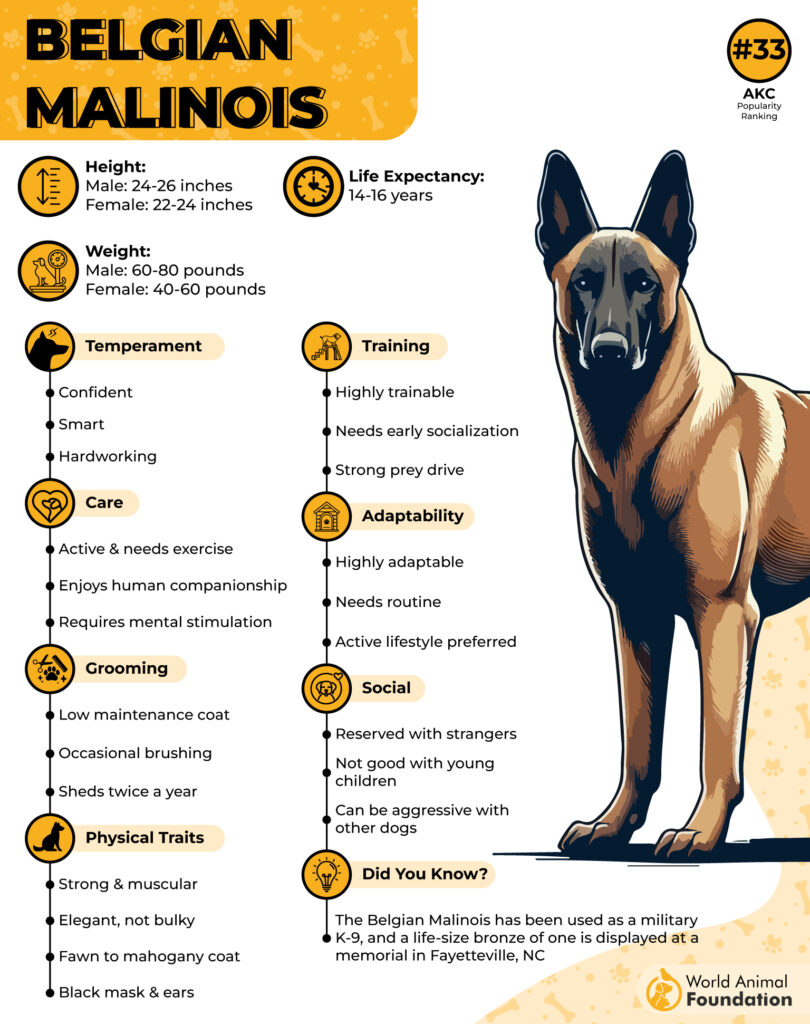
Credit: worldanimalfoundation.org
Introducing Guarding Skills
Introducing guarding skills to your dog builds a strong foundation for protection. It teaches your dog to notice unusual activities and respond appropriately. These skills focus on alertness and controlled reactions. Training must be consistent and clear. It helps your dog understand its role without causing harm or fear.
Teaching Alert Barking
Alert barking is the first sign your dog notices something unusual. Start by creating situations where your dog can hear or see strangers. Reward your dog for barking calmly to get your attention. Avoid encouraging loud, continuous barking. Teach your dog to stop barking on command. This keeps barking useful and controlled. Use commands like “Speak” to start and “Quiet” to stop. This skill makes your dog a great early warning system.
Controlled Aggression Training
Controlled aggression means your dog can protect without losing control. Begin with basic obedience training to build trust and respect. Use a strong, firm voice to give commands. Teach your dog to respond only when you say so. Practice with a helper acting as a stranger. Reward your dog for following commands and staying calm. Avoid encouraging biting or snarling without control. This training helps your dog defend you safely and effectively.
Socialization Techniques
Socialization techniques play a vital role in training a dog to protect. These techniques help the dog distinguish between friends and threats. They also teach the dog to remain calm in various social settings. Proper socialization builds confidence and reduces anxiety. It ensures the dog reacts appropriately to different people and situations.
Balancing Protection And Friendliness
A protective dog must be friendly to family and guests. Teach your dog to greet familiar people with calm behavior. Use positive reinforcement when the dog shows gentle behavior. Practice exposing your dog to different environments and people. This helps the dog understand when to be alert and when to relax.
Training should include:
- Regular playtime with family members
- Meeting neighbors and friends calmly
- Rewarding non-aggressive greetings
- Ignoring minor distractions during social situations
These habits create a dog that protects without being overly aggressive. It also prevents fear-based reactions to harmless people.
Handling Strangers
Teach your dog to observe strangers carefully. Start with controlled introductions in a safe place. Let the dog see the stranger from a distance at first. Gradually decrease the distance as the dog stays calm. Use commands like “stay” and “watch” to focus the dog’s attention.
Watch for signs like barking or growling. These signals show the dog is alert but not aggressive yet. Reward the dog for calm observation. Avoid punishing alert behavior, as it is natural for protection.
Practice with various strangers to build your dog’s confidence. This helps the dog understand who may pose a threat. Consistent training creates a clear boundary between strangers and friends.
Safety And Legal Considerations
Training a dog to protect requires careful attention to safety and legal issues. Protecting your home is important, but it must be done responsibly. Understanding laws and following ethical practices keeps everyone safe. This section covers key points to consider before and during training.
Responsible Guard Dog Ownership
Guard dogs need proper training and socialization. Untrained dogs can harm family or visitors. Teach your dog to obey commands immediately. Regularly assess your dog’s behavior in different situations. Provide enough exercise and mental stimulation daily. Never encourage aggression without control. Protect your dog from stress and fear. Responsible owners keep their dogs well-fed and healthy. Remember, a guard dog must be safe around people.
Understanding Local Laws
Each area has specific rules about guard dogs. Some places require licenses or permits for protection dogs. Certain breeds may have restrictions or bans. Know your local laws about training and use of guard dogs. Using a dog for protection can have legal consequences. Injuries caused by your dog can lead to lawsuits. Always inform neighbors and visitors about your dog. Keep your dog leashed or in a secure area. Follow laws to avoid penalties and protect your dog’s future.
Advanced Training Methods
Advanced training methods refine a dog’s ability to protect effectively. These techniques build on basic obedience and focus on real-world readiness. Training goes beyond commands to develop instinct and control. Dogs learn to respond calmly under pressure and act confidently in uncertain situations.
Using Professional Trainers
Professional trainers bring experience and skill to protection training. They understand dog behavior and how to teach complex tasks safely. Trainers customize sessions to match a dog’s breed, temperament, and learning pace.
Working with a professional helps avoid common training mistakes. Trainers use clear signals and consistent routines to reinforce desired behaviors. They also teach owners how to maintain training at home.
Incorporating Real-life Scenarios
Practice in real-life scenarios makes training practical and effective. Dogs face distractions, noise, and unexpected events during these exercises. This helps them stay focused and react correctly outside controlled environments.
Scenarios may include:
- Simulated intruder situations
- Protecting the owner during walks
- Responding to sudden loud sounds
- Guarding specific areas or objects
Repetition in varied settings builds confidence and sharpens instincts. It ensures dogs understand when and how to act to protect.
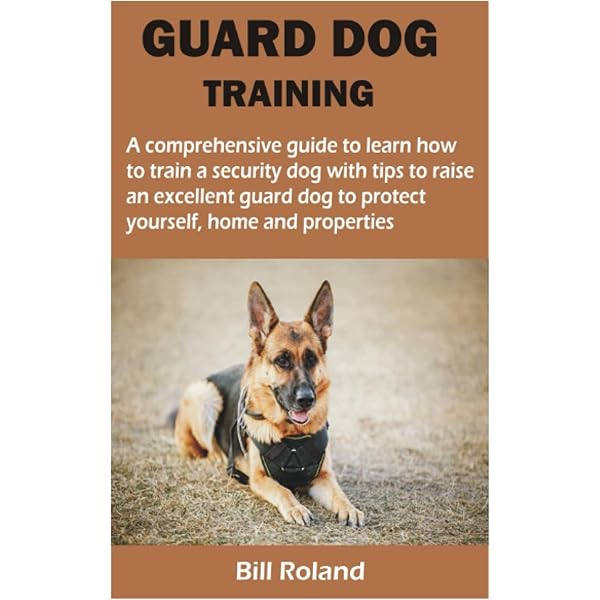
Credit: www.amazon.com
Maintaining Guarding Skills
Maintaining guarding skills in your dog requires consistent effort and attention. Guard dogs need ongoing training to stay alert and responsive. Without regular practice, their skills may weaken. It is important to keep the training sessions focused and clear. This helps your dog understand its role and stay confident in protecting your home and family.
Regular Practice Sessions
Set aside time each week for training your dog’s guarding skills. Short, frequent sessions work best. Use commands your dog already knows and reinforce them with rewards. Practice scenarios that mimic real-life situations to keep your dog sharp. Training should be calm and controlled to avoid stress. Consistent practice builds your dog’s confidence and sharpens its instincts.
Monitoring Behavior Changes
Watch your dog closely for any changes in behavior. Guard dogs may become less alert or overly aggressive. Changes can signal stress, illness, or confusion. Keep notes on your dog’s reactions during training and daily life. Early detection helps you address issues quickly. Consult a professional trainer or vet if you notice unusual behavior. Staying aware ensures your dog remains a reliable protector.
Frequently Asked Questions
How Long Does It Take To Train A Dog To Protect?
Training duration varies by breed and dog’s temperament. Typically, it takes several months of consistent, daily training. Early socialization and obedience are essential before protection training begins. Regular practice and professional guidance speed up the process and ensure effectiveness.
What Breeds Are Best For Protection Training?
Breeds like German Shepherds, Rottweilers, Dobermans, and Belgian Malinois excel in protection training. These breeds are intelligent, loyal, and naturally protective. Choosing the right breed is crucial for safety and training success.
Can Anyone Train A Dog To Protect?
Yes, anyone with patience and consistency can train a dog to protect. However, professional guidance is recommended to ensure proper techniques and safety. Training requires commitment, understanding dog behavior, and regular practice.
Is Protection Training Safe For My Dog?
Protection training is safe if done correctly and humanely. It emphasizes controlled behavior, obedience, and discipline. Avoid aggressive methods; always prioritize your dog’s mental and physical well-being during training.
Conclusion
Training your dog to protect takes time and patience. Start with basic commands and build trust. Always use positive reinforcement to encourage good behavior. Keep training sessions short and consistent for best results. Remember, safety comes first for both you and your dog.
A well-trained dog can be a loyal and reliable protector. Stay calm, firm, and kind throughout the process. This approach helps your dog understand its role clearly. Protecting your home becomes easier with the right training steps. Keep practicing and enjoy the bond you create together.