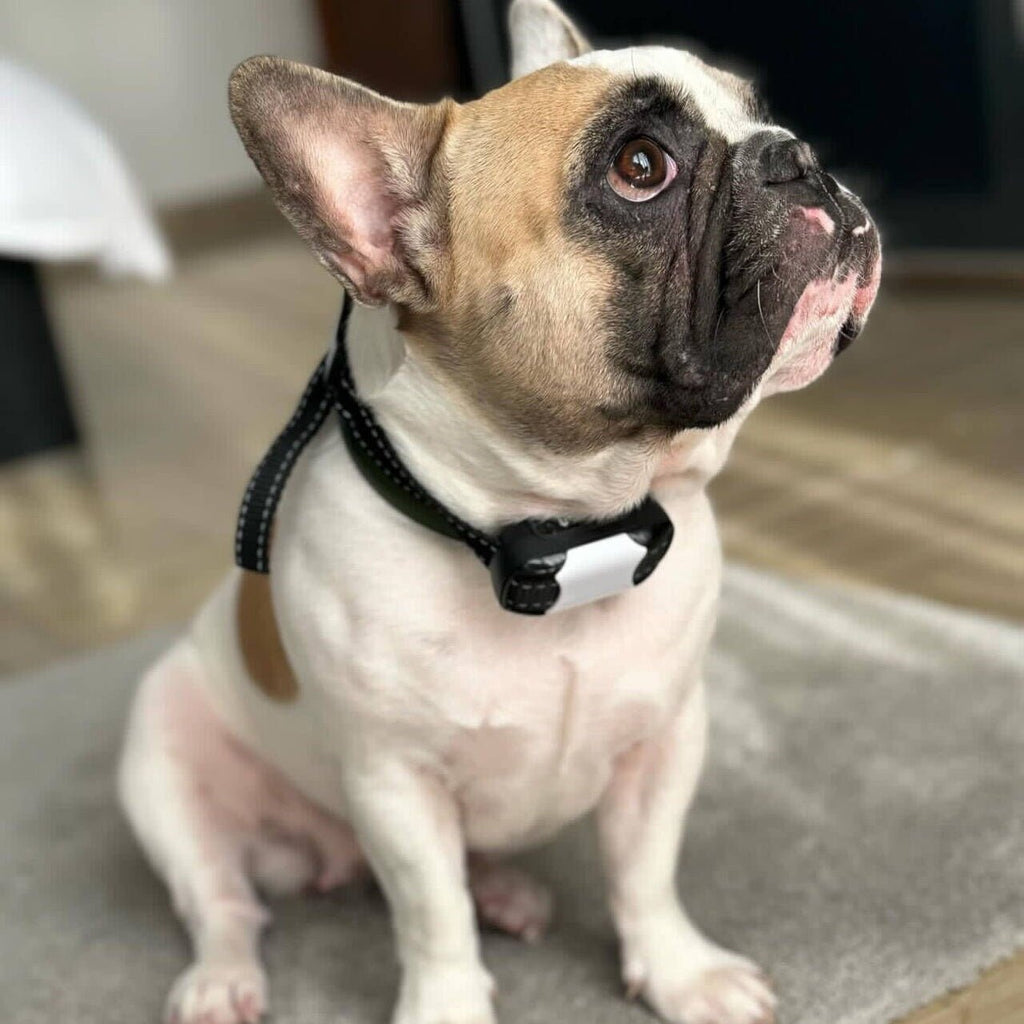

Training your dog can sometimes feel like a tough challenge, especially when you want quick and effective results. If you’ve heard about shock collars but aren’t sure how to use them properly, you’re not alone.
You want to make sure your furry friend learns the right behavior without causing harm or fear. You’ll discover clear, step-by-step guidance on how to train your dog using a shock collar safely and humanely. By the end, you’ll feel confident in helping your dog become well-behaved and happy.
Keep reading to unlock the secrets of effective training that respects your dog’s well-being.
Choosing The Right Shock Collar
Choosing the right shock collar is crucial for effective and safe dog training. The collar must suit your dog’s size, temperament, and training needs. A well-chosen collar ensures comfort and better control.
Types Of Shock Collars
Shock collars come in different types. Some use static electric pulses, while others combine vibrations or sounds. Some models offer remote control for distance training. Pick a type that matches your dog’s sensitivity and behavior.
Size And Fit Considerations
The collar should fit snugly but not too tight. A loose collar may not work correctly. Measure your dog’s neck before buying. Consider lightweight collars for small dogs. Heavy collars suit bigger, stronger dogs better.
Adjustable Intensity Levels
Look for collars with adjustable intensity settings. Dogs react differently to shock levels. Start with the lowest setting and increase if needed. This feature helps avoid causing unnecessary discomfort. It also allows gradual training progress.

Credit: www.amazon.com
Preparing Your Dog For Training
Preparing your dog for training with a shock collar is a crucial phase that sets the tone for successful learning. It’s not just about putting the collar on; it’s about understanding your dog’s personality, easing them into the new experience, and having clear goals. This preparation helps prevent fear or confusion, making training more effective and humane.
Assessing Your Dog’s Temperament
Every dog reacts differently to stimuli, so start by observing your dog’s behavior in various situations. Is your dog easily startled, calm, or highly energetic? Knowing this helps you decide if a shock collar is appropriate and how gentle you should be with its settings.
For example, a timid dog may need a softer introduction than a bold, stubborn one. Watch how your dog responds to new gadgets or noises—do they become anxious or curious? This insight guides you in customizing the training approach.
Introducing The Collar Gradually
Don’t rush to turn on the collar’s stimulation. Begin by letting your dog wear the collar without activating it for short periods. This builds comfort and reduces resistance.
Try pairing collar time with positive moments like walks or play sessions. Your dog starts associating the collar with good experiences rather than fear. Once your dog seems relaxed, slowly introduce the lowest stimulation level to gauge their reaction.
Setting Realistic Training Goals
Define what you want to achieve clearly before starting the training. Is it to stop excessive barking, improve recall, or reduce pulling on the leash? Setting specific goals helps you measure progress and adjust techniques.
Break down big goals into smaller, achievable steps. For instance, teach your dog to respond to a warning beep before using any correction. This builds understanding and trust between you and your dog, making training smoother.
Basic Training Techniques
Training a dog with a shock collar requires patience and clear commands. Begin with low settings and reward good behavior immediately. Consistency helps your dog understand which actions are correct.
Training your dog with a shock collar can be an effective method when used correctly. It’s essential to approach this training with care and a clear understanding of basic techniques. These techniques ensure the process is humane and beneficial for both you and your furry friend.Using Positive Reinforcement
Positive reinforcement is crucial even when using a shock collar. Always reward your dog with treats, praise, or affection when they respond well to commands. This combination builds trust and ensures your dog associates good behavior with positive outcomes. Consider this: if your dog sits on command, provide a treat immediately. This encourages the behavior and reduces reliance on the collar over time. Think of the shock collar as a guide, not the primary tool.Timing The Stimulus Correctly
Timing is everything in effective shock collar training. Deliver the stimulus at the exact moment your dog exhibits unwanted behavior. This immediate feedback helps your dog understand which action is discouraged. Imagine your dog is about to run towards the street. A quick, timely correction can prevent danger and reinforce the command to stop. Perfecting this timing requires practice but is key to successful training.Combining Commands With Corrections
Integrating clear commands with corrections helps solidify your dog’s learning. Use a firm, consistent voice when issuing commands, followed by a correction if necessary. This method ensures your dog knows exactly what is expected. For instance, if you command “sit” and your dog ignores you, a gentle correction can refocus their attention. Repeating this process reinforces the command and minimizes future corrections. Are you ready to transform your training sessions into more effective and enjoyable experiences for both you and your dog?
Credit: www.calmshops.co.uk
Advanced Training Methods
Advanced training with a shock collar takes your dog’s learning to a higher level. It requires precision, patience, and a clear understanding of your dog’s behavior. Mastering these techniques can lead to faster results and a stronger bond between you and your pet.
Remote Control Usage
Using the remote control effectively is key to advanced training. It allows you to communicate with your dog from a distance, reinforcing commands no matter where you are.
Start by practicing the remote in a quiet environment. Press the button lightly to let your dog associate the vibration or beep with your command before introducing the shock.
Keep the remote handy during walks or playtime. Have you noticed how your dog reacts when you press the button without applying a shock? This subtle control builds respect and responsiveness.
Training For Specific Behaviors
Targeting precise behaviors with the shock collar speeds up correction and learning. Whether it’s stopping excessive barking, preventing jumping, or improving recall, the collar can be tailored to each need.
Break the behavior into small parts. Reward your dog when it stops unwanted actions after you use the collar signal.
Be consistent. If your dog jumps on guests, use the collar every time this happens until the behavior fades. What behavior in your dog would you want to tackle first?
Adjusting Intensity For Progress
Not all dogs respond the same way to shock collar signals. Adjusting the intensity is crucial to avoid fear or discomfort while maintaining effectiveness.
Start low and observe your dog’s reaction carefully. If there’s no response, increase slightly until you find the level that captures attention without causing distress.
As your dog improves, reduce the intensity to keep the training humane and gentle. This fine-tuning shows respect for your dog’s limits and encourages positive learning.
Ensuring Safety And Comfort
Training your dog with a shock collar requires more than just knowing how to use the device. Ensuring your pet’s safety and comfort is essential to making the process effective and humane. Paying close attention to the collar’s fit, your dog’s reactions, and the frequency of use can prevent harm and build trust between you and your furry friend.
Proper Collar Placement
Placing the collar correctly is crucial. It should sit high on your dog’s neck, just below the ears, where the skin is thinner. This position ensures the stimulation is effective without causing unnecessary discomfort.
Make sure the collar is snug but not too tight—you should be able to fit two fingers between the collar and your dog’s neck. Too loose, and the collar won’t work properly; too tight, and it can cause irritation or injury.
Monitoring For Stress Signs
Watch your dog closely during training sessions. Signs like excessive panting, whining, scratching at the collar, or trying to escape can indicate stress or discomfort.
If your dog shows any of these signs, pause the training and give them a break. Remember, your goal is to guide, not to scare.
Avoiding Overuse And Misuse
Shock collars are tools, not punishments. Using the collar too often or at high levels can cause anxiety and damage your dog’s trust.
Limit training sessions to short periods and use the lowest effective stimulation level. Ask yourself: Are you using the collar to teach, or just to stop behavior quickly? The right balance makes all the difference.
Troubleshooting Common Issues
Troubleshooting common issues during shock collar training helps maintain progress and keeps your dog safe. Challenges may arise from resistance, device problems, or training limits. Addressing these issues quickly ensures a smooth training experience.
Dealing With Resistance
Dogs may resist wearing or responding to the collar at first. This is normal behavior. Begin by letting your dog wear the collar without activation. Praise and reward calm behavior to build comfort.
Use the lowest stimulation level that gets your dog’s attention. Avoid high levels, which may cause fear or anxiety. Gradually increase the intensity only if needed. Keep training sessions short and positive.
Preventing Collar Malfunctions
- Check batteries regularly and replace them when low.
- Keep the collar clean and dry to avoid damage.
- Inspect contacts for dirt or corrosion often.
- Ensure the collar fits snugly but not too tight.
- Store the remote and collar in a safe place after use.
Following these tips can reduce technical issues and improve collar performance.
When To Seek Professional Help
Some problems need expert advice. Consult a professional trainer if your dog shows extreme fear or aggression. Stop training if your dog becomes stressed or confused.
A vet visit may be necessary if skin irritation or injury occurs. Trainers can guide you on safe collar use and proper techniques. Professional support ensures your dog’s well-being and training success.
Alternatives To Shock Collars
Shock collars often spark debate among dog owners and trainers, prompting many to seek gentler and more effective training options. You might wonder if there are ways to guide your dog’s behavior without causing stress or discomfort. Fortunately, several alternatives can help you build a strong bond with your dog while promoting good habits.
Positive Reinforcement Tools
Positive reinforcement relies on rewarding your dog for good behavior, encouraging them to repeat it. Tools like clickers, treats, and toys create a clear and enjoyable learning process.
For instance, using a clicker paired with a tasty treat marks the exact moment your dog does something right. This method builds trust and motivates your dog far better than punishment.
Have you tried praising your dog right after they sit or come to you? The immediate reward strengthens their understanding and makes training sessions more fun for both of you.
Electronic Training Collars Without Shock
If you prefer electronic collars, consider those that use vibration or sound instead of shock. These collars can get your dog’s attention without causing pain.
Vibration collars often serve as gentle reminders. For example, a vibrating alert can signal your dog to stop pulling on the leash or to return to you.
Many owners find these collars effective because they are less intimidating and easier to pair with positive commands. Would you feel more comfortable using a tool that communicates rather than punishes?
Professional Training Services
Sometimes, the best alternative is to seek help from a professional dog trainer. Trainers use expert techniques tailored to your dog’s personality and learning pace.
Working with a pro can save you time and frustration. They can show you how to use positive methods effectively and handle specific behavior issues.
Have you considered that investing in a few training sessions might prevent bigger problems later? Personalized guidance often leads to faster, lasting results.

Credit: www.amazon.com
Frequently Asked Questions
What Is The Purpose Of A Shock Collar In Dog Training?
A shock collar helps correct unwanted behaviors by delivering mild static stimulation. It encourages dogs to follow commands and learn boundaries safely.
How Do I Properly Fit A Shock Collar On My Dog?
Place the collar snugly around the dog’s neck, touching the skin. Ensure the contact points rest against the fur for effective stimulation.
Can Shock Collars Cause Harm To Dogs?
When used correctly, shock collars are safe and humane. Misuse or excessive stimulation can cause stress, so always follow instructions carefully.
How Do I Start Training My Dog With A Shock Collar?
Begin with the lowest stimulation setting. Pair the collar’s signal with commands and reward good behavior consistently for effective training.
Conclusion
Training a dog with a shock collar takes care and patience. Start slow, watch your dog’s reactions closely. Use the collar only as a guide, not a punishment. Always reward good behavior with praise or treats. This method helps teach commands clearly and quickly.
Keep training sessions short and positive. Your dog will learn better with kindness and consistency. Remember, the goal is a happy, well-behaved pet. Use the shock collar wisely to build trust and respect. Training can be simple when done right.