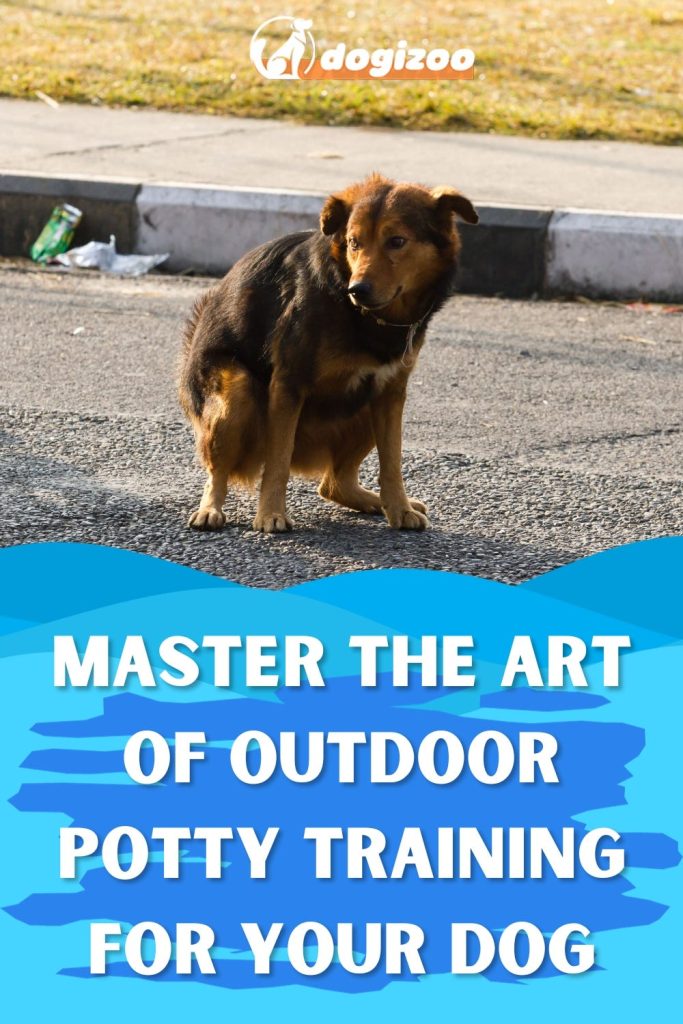

Training your dog to go to the bathroom outside can feel like a big challenge. You want a clean home and a happy pet, but accidents happen, and frustration builds.
What if you could make this process easier and faster? Imagine having a dog that knows exactly where to go, saving you time and stress every day. You’ll discover simple, proven steps to help your dog learn the right place to do their business.
Stick with me, and you’ll see how small changes in your routine can lead to big results. Ready to get started? Let’s dive in!
Choosing The Right Spot
Choosing the right spot for your dog to go bathroom outside is a critical step in successful potty training. The location you pick influences how quickly your dog learns the habit and how comfortable they feel doing their business. It’s not just about convenience for you; your dog’s safety and ease of access matter just as much.
Pick A Consistent Location
Dogs thrive on routine, so selecting one consistent spot helps them understand where they should go. When you take your dog to the same place every time, their scent marks the area and signals that this is the right spot. You’ll notice your dog starting to head there on their own, which is a great sign of progress.
Think about places close to your home but a bit private. It could be a corner of your yard or a quiet patch in a nearby park. Avoid spots with heavy foot traffic or loud noises that might distract or scare your dog.
Consider Safety And Accessibility
Safety is key when choosing your dog’s bathroom spot. Make sure the area is free from harmful plants, sharp objects, or busy roads. You don’t want your dog to feel nervous or be at risk while they’re outside.
Also, consider how easy it is for both of you to get there, especially in bad weather. If it’s a long walk or difficult terrain, your dog might hold it longer than they should, which can cause accidents. Pick a spot that you can reach quickly and comfortably any time of day.

Credit: www.youtube.com
Establishing A Routine
Creating a consistent routine helps your dog learn faster where to go to the bathroom. Dogs thrive on predictability. A set schedule reduces accidents and builds good habits.
Stick to the same times every day. This helps your dog’s body adjust. With regular habits, your dog feels secure and knows what to expect.
Set Regular Feeding Times
Feed your dog at the same times daily. Regular meals lead to regular bathroom needs. Avoid free feeding or random meal times. This keeps digestion predictable. It also makes bathroom breaks easier to schedule.
Schedule Bathroom Breaks
Take your dog outside at fixed times. Key moments include:
- After waking up
- After eating or drinking
- Before bedtime
- Every two to three hours during the day
Use the same spot outside. This helps your dog associate the area with bathroom time.
Watch For Signs Your Dog Needs To Go
Learn to recognize when your dog needs a bathroom break. Common signs include:
- Sniffing around
- Circling
- Whining or pacing
Act quickly when you see these signs. Prompt outdoor trips will reduce accidents inside your home.
Using Commands And Signals
Using commands and signals helps your dog understand when and where to go outside for bathroom breaks. Clear communication makes training faster and easier. Dogs learn best with simple words and consistent actions. This section explains how to choose the right command, teach your dog to respond, and reinforce signals effectively.
Select A Clear Command Word
Choose one short word for bathroom breaks. Words like “go potty,” “bathroom,” or “outside” work well. Keep the command easy to say and remember. Use the same word every time you take your dog out. This helps your dog link the word with the action.
Teach Your Dog To Respond
Say the command just before your dog starts to go outside. Wait patiently and watch your dog closely. When your dog goes to the bathroom outside, praise them warmly. Give a treat right after to build a strong connection. Repeat this often so your dog learns to respond to the command quickly.
Reinforce Signals Consistently
Use the same tone and body language each time you give the command. Add a hand signal if you want. For example, point outside or pat your leg. Always reward your dog after they follow the command correctly. Consistency helps your dog understand and remember what you want.
Credit: www.chewy.com
Positive Reinforcement Techniques
Positive reinforcement is one of the most effective ways to teach your dog to go to the bathroom outside. It focuses on encouraging good behavior rather than punishing mistakes. This approach builds trust and helps your dog understand exactly what you want from them.
Reward Immediately After Success
Timing is everything when using positive reinforcement. You need to reward your dog right after they finish going outside. This helps your dog connect the action with the reward quickly.
Waiting too long can confuse your dog, making training slower. I once delayed praising my puppy and noticed he didn’t repeat the behavior as often. So, keep your treats or praise ready to go!
Use Treats And Praise
Treats work wonders as a motivator for most dogs. Choose small, tasty bites your dog loves, so they stay excited about training. Combine treats with enthusiastic praise like “Good job!” or “Well done!”
This mix of food and affection makes the experience positive and rewarding. You can also use a favorite toy or a quick play session as a reward. What kind of reward makes your dog happiest?
Avoid Punishment
Punishing your dog for accidents can cause fear and confusion. Dogs don’t understand punishment the way humans do, so it won’t teach them what you want. Instead, it might make them hide their accidents or become anxious.
Focus on encouraging the right behavior rather than scolding mistakes. Have you noticed how your dog reacts when you get upset? Staying calm and positive leads to better results.
Handling Accidents Effectively
Accidents happen during training, but stay calm and avoid punishment. Clean the area well to remove smells that attract your dog back. Consistency and patience help your dog learn faster and reduce accidents over time.
Accidents happen, and it’s a natural part of training your dog to go bathroom outside. How you handle these accidents can significantly impact your dog’s learning process. Addressing them effectively is crucial to reinforce the desired behavior and ensure a smoother training journey.Stay Calm And Patient
When you discover an accident, it’s essential to stay calm. Reacting with frustration can confuse your dog and slow down the training process. Think about how you would feel if you were learning something new and made a mistake—wouldn’t you want understanding rather than anger? Patience is key to effective training. Remember that every dog learns at their own pace. Encouragement and a positive attitude can help your dog overcome setbacks.Clean Up Properly To Remove Odors
Proper cleanup is more than just tidying up—it’s about eliminating odors that might tempt your dog to repeat the accident. Use an enzymatic cleaner designed to remove pet stains and odors. These cleaners break down the organic compounds, ensuring your dog isn’t drawn back to the same spot. Never underestimate the power of scent to a dog’s instincts. A clean environment supports the message that outside is the right place for bathroom breaks.Adjust Training As Needed
If accidents persist, it might be time to adjust your training approach. Consider factors such as your dog’s age, health, and routine. Are they getting frequent enough bathroom breaks? Reflect on whether there are specific times or situations when accidents occur. This insight can guide you in making necessary changes to the training schedule or method. By being observant, you can tailor the training to better suit your dog’s unique needs.Dealing With Challenges
Training your dog to go to the bathroom outside can be rewarding, but it’s not always smooth sailing. Challenges often arise that test your patience and your dog’s comfort. Understanding how to handle these obstacles can make the process easier and less stressful for both of you.
Address Fear Or Anxiety
Some dogs hesitate to go outside because they feel scared or anxious. Loud noises, unfamiliar places, or even past bad experiences can create this fear.
Watch your dog’s body language closely. If you notice trembling or reluctance, try soothing tones and gentle encouragement. Take small steps—spend time outside without expecting your dog to go immediately. Reward any calm behavior with treats or affection to build positive associations.
Have you noticed your dog freezing or pulling away? It might be a sign they need more time to feel safe. Patience here can prevent setbacks and build confidence.
Manage Weather And Outdoor Issues
Bad weather can quickly disrupt your training efforts. Rain, snow, or extreme heat can make your dog uncomfortable or unwilling to go outside.
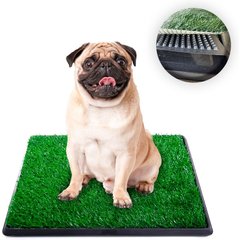
Plan bathroom breaks during milder weather when possible. If you live in a rainy area, consider creating a sheltered spot with a cover or using an indoor potty solution temporarily.
Also, keep an eye out for outdoor hazards like sharp objects, chemicals, or other animals that might scare your dog. Keeping the area clean and safe encourages your dog to feel secure and stay focused on their task.
Seek Professional Help If Needed
Sometimes, challenges might go beyond your control or experience. Persistent accidents or extreme anxiety could signal deeper issues.
Don’t hesitate to reach out to a professional trainer or a veterinarian. They can provide tailored advice and techniques suited to your dog’s unique needs.
Would consulting an expert speed up your training journey? Often, a fresh perspective reveals solutions you might not have considered.
Maintaining Good Habits
Maintaining good bathroom habits in your dog is key to long-term success. Training isn’t just about the initial teaching but also about reinforcing what your dog has learned. Keeping those habits strong helps prevent accidents and keeps your home clean.
Keep Consistency Over Time
Consistency is the foundation of good bathroom habits. Stick to a regular schedule for bathroom breaks, especially after meals, naps, or playtime.
Use the same spot outside each time. Your dog will start associating that area with going to the bathroom, making the process smoother for both of you.
Do you find it easier to remember your dog’s schedule when you set reminders? Many owners share that alarms or phone alerts help maintain consistency without stress.
Gradually Increase Freedom
Once your dog reliably goes outside, you can slowly give them more freedom in the house. Start by allowing access to one or two rooms under supervision.
Watch closely for signs your dog needs to go out, like sniffing or circling. If you catch these early, you can redirect them outside before an accident happens.
This gradual approach helps your dog learn self-control and trust. Have you noticed how your dog’s confidence grows as they get trusted with more space?
Monitor For Health Problems
Sudden changes in your dog’s bathroom habits can signal health issues. Watch for frequent accidents, straining, or changes in urine color.
Early detection of problems like urinary tract infections or digestive issues can save your dog discomfort and prevent setbacks in training.
Keep a simple log of your dog’s bathroom times and habits. This record can be a helpful reference for your vet if concerns arise.
Credit: www.youtube.com
Frequently Asked Questions
How Long Does It Take To Potty Train A Dog?
Potty training usually takes 4 to 6 weeks with consistent effort. Puppies need regular bathroom breaks every 1-2 hours. Patience and positive reinforcement speed up the process. Each dog learns at its own pace, so stay consistent and calm throughout training.
What Is The Best Time To Take Dogs Outside?
Take your dog outside first thing in the morning, after meals, naps, and playtime. Frequent trips help prevent accidents indoors. Puppies especially need bathroom breaks every 1-2 hours. Establishing a routine makes it easier for your dog to learn.
How To Prevent Accidents Inside The House?
Supervise your dog closely indoors, especially during training. Use crate training to limit unsupervised access. Clean accidents thoroughly with enzymatic cleaner to remove odors. Reward your dog immediately after successful outdoor bathroom trips to encourage good habits.
Can I Train An Adult Dog To Go Outside?
Yes, adult dogs can learn outdoor bathroom habits with patience. Consistency and positive reinforcement remain key. Set a regular schedule for outdoor breaks. Avoid punishment; instead, reward success to build trust and encourage progress.
Conclusion
Training your dog to go outside takes time and patience. Consistency helps your dog learn faster. Praise your dog often for good behavior. Watch your dog’s signals to know when it needs to go. Keep a regular schedule for bathroom breaks.
Remember, every dog learns at its own pace. Stay calm and positive throughout the process. Soon, your dog will understand where to go. Enjoy a cleaner home and happy pet. Training builds trust and strengthens your bond. Keep practicing, and success will follow.