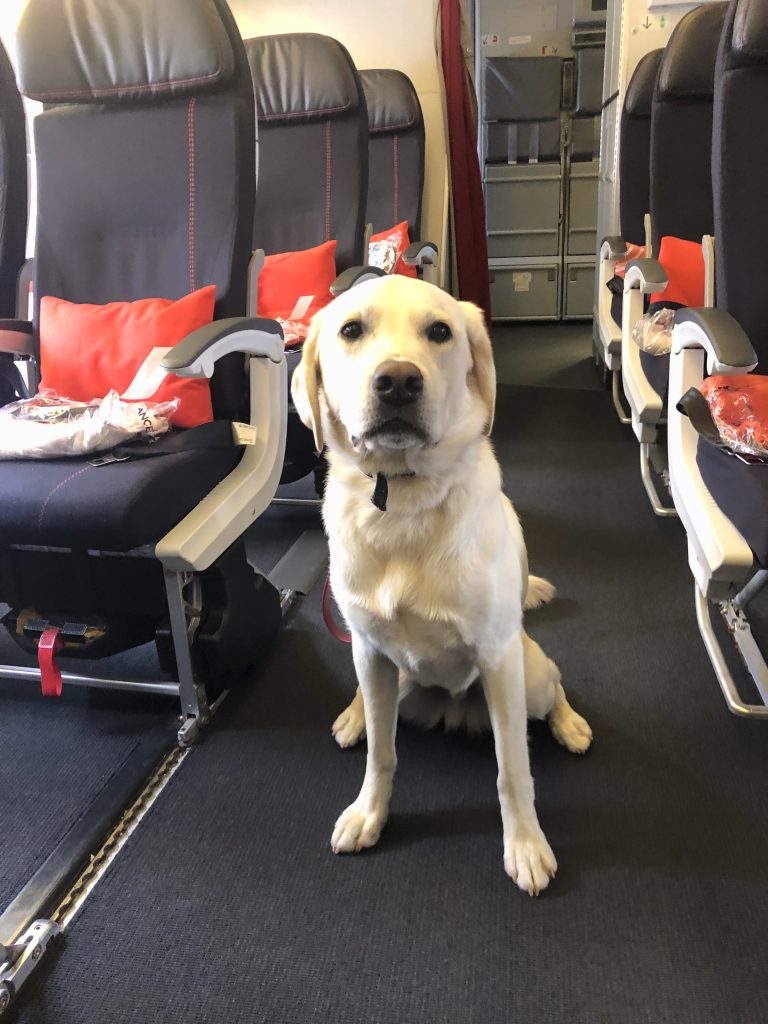

Planning to fly with your large dog? It’s not as simple as packing a bag and heading to the airport.
Traveling with big dogs on planes comes with its own set of challenges and rules. But don’t worry—you can make the experience smooth and stress-free for both you and your furry friend. You’ll discover essential tips and insider secrets to help your large dog fly comfortably and safely.
Ready to turn your travel plans into a success story? Keep reading, because what you learn here could make all the difference.
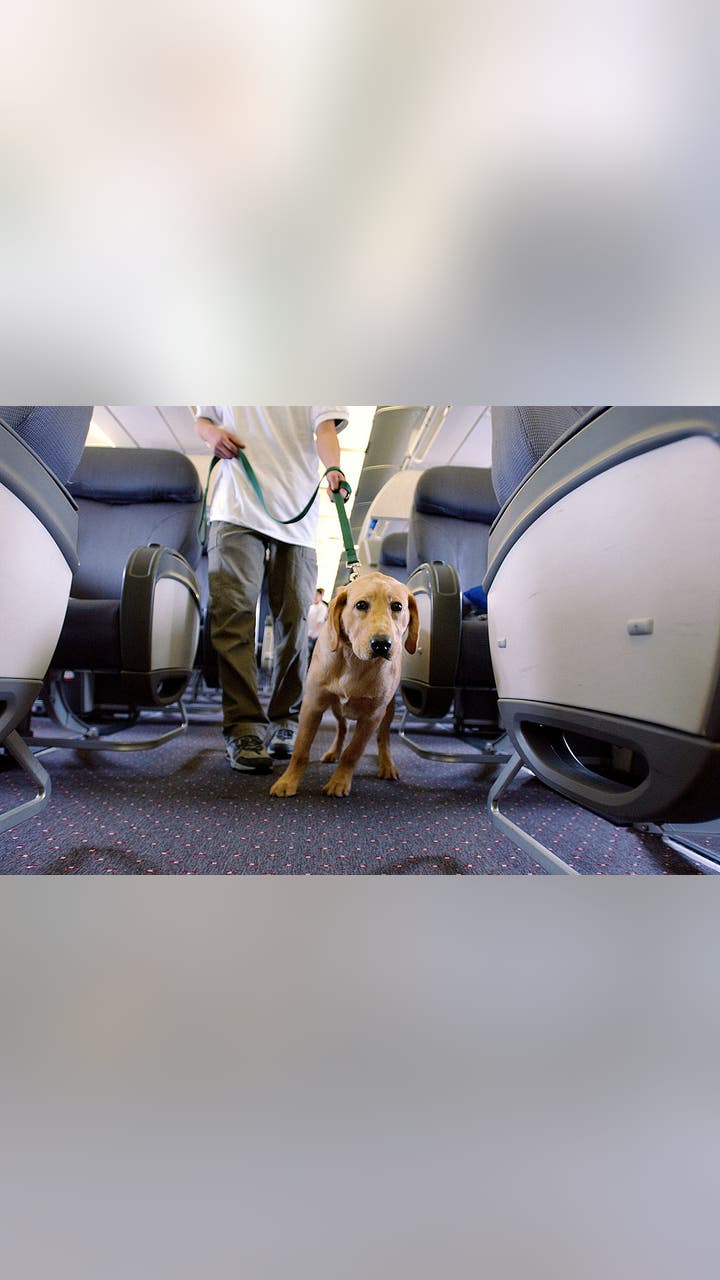
Credit: www.foxnews.com
Choosing Pet-friendly Airlines
Choosing an airline that welcomes your large dog comfortably can transform your travel experience. Not all airlines treat pets the same, especially larger breeds. Knowing what to look for helps you avoid surprises and keeps your furry friend safe and happy.
Airline Policies For Large Dogs
Each airline has specific rules about traveling with large dogs. Some allow them in the cabin, but many require they fly in the cargo hold. Check weight limits, crate dimensions, and health certificate requirements early.
For example, Alaska Airlines permits dogs up to 20 pounds in the cabin, but larger dogs must go as cargo. Meanwhile, JetBlue offers a pet program that allows certain large dogs to travel in the cabin. Understanding these policies helps you pick the airline that suits your dog’s size and temperament.
Booking Procedures And Fees
Booking your dog’s spot often involves more than just adding a pet to your ticket. Many airlines require advance reservations for pets, sometimes weeks before the flight. Fees can vary widely and may include charges for the crate, health checks, and even a pet handling fee.
Be sure to ask: Can you book your dog online, or do you need to call customer service? Also, some airlines limit the number of pets per flight, so securing your dog’s place early is crucial. Knowing the full cost upfront avoids hidden fees at the airport.
Flight Routes And Duration
The length and route of your flight affect your dog’s comfort and safety. Nonstop flights reduce stress, but not all airlines offer nonstop routes that accept large dogs. Consider how long your dog will spend in transit and whether layovers might expose them to extreme temperatures or delays.
For instance, flying direct from New York to Los Angeles is easier on your dog than connecting through hot or cold hubs. Ask yourself: Is the airline’s cargo area climate-controlled? These details make a big difference in your pet’s well-being during travel.
Preparing Your Dog For Air Travel
Getting your large dog ready for air travel takes more than just booking a ticket. It’s about ensuring their comfort, safety, and well-being throughout the journey. Preparing well can reduce stress for both you and your furry companion, making the experience smoother and more enjoyable.
Health Checks And Vaccinations
Before you book your flight, schedule a visit to your vet to get a full health check. Airlines often require proof of vaccinations and a health certificate issued within 10 days of travel. This step helps prevent any last-minute travel restrictions and keeps your dog safe from illnesses.
Discuss any medications or supplements your dog may need during the flight. Your vet can also advise if your dog has any conditions that might make flying risky. Have you considered how your dog reacts to stress or changes in routine? Sharing this information with your vet can help tailor their care.
Crate Training Basics
Your dog’s crate will be their little home in the sky, so getting them used to it is essential. Start by introducing the crate as a positive space—place treats, toys, and a cozy blanket inside. Avoid forcing your dog in; instead, let them explore it at their own pace.
Practice closing the door for short periods while your dog is inside, gradually increasing the time. This helps your dog feel safe and secure rather than trapped. Think about how your dog reacts to confinement—are they calm or anxious? Adjust your training accordingly to build confidence.
Acclimating To The Travel Crate
To ease the transition on travel day, simulate travel conditions at home. Move the crate around the house and even take short car rides with your dog inside. This familiarizes your dog with the crate’s movement and noise, reducing anxiety during the actual flight.
Make the crate inviting by adding familiar scents like an old t-shirt or their favorite toy. These small comforts can make a big difference in how your dog copes with the environment. Have you tried spending quiet time near the crate, reading or relaxing? Your calm presence reassures your dog that the crate is a safe space.
Selecting The Right Travel Crate
Choosing a travel crate that fits your large dog comfortably is essential for plane trips. Ensure the crate is sturdy, well-ventilated, and meets airline size rules. This keeps your pet safe and calm during the flight.
Traveling with large dogs on planes presents unique challenges. Finding the right travel crate is crucial. A good crate ensures your dog’s comfort and safety during the journey. It also complies with airline regulations. Choosing the correct crate requires careful consideration of several factors.Size And Comfort Requirements
The crate must fit your dog comfortably. Your dog should stand, turn, and lie down easily. Measure your dog’s height and length before buying a crate. Add a few extra inches for comfort. Consider adding a soft mat or blanket inside. This provides extra comfort during the flight.Airline-approved Crates
Not all crates are airline-approved. Check with your airline for their specific requirements. Look for crates labeled “airline-approved.” These usually meet the International Air Transport Association (IATA) standards. Ensure the crate has ventilation on all sides. This ensures proper air circulation for your dog.Safety Features To Look For
Safety is paramount. Choose a crate with sturdy construction. Look for secure locks to prevent accidental escapes. Ensure the crate has no sharp edges. Handles should be strong for easy carrying. Some crates have additional features like water bowls. These can be handy for long flights.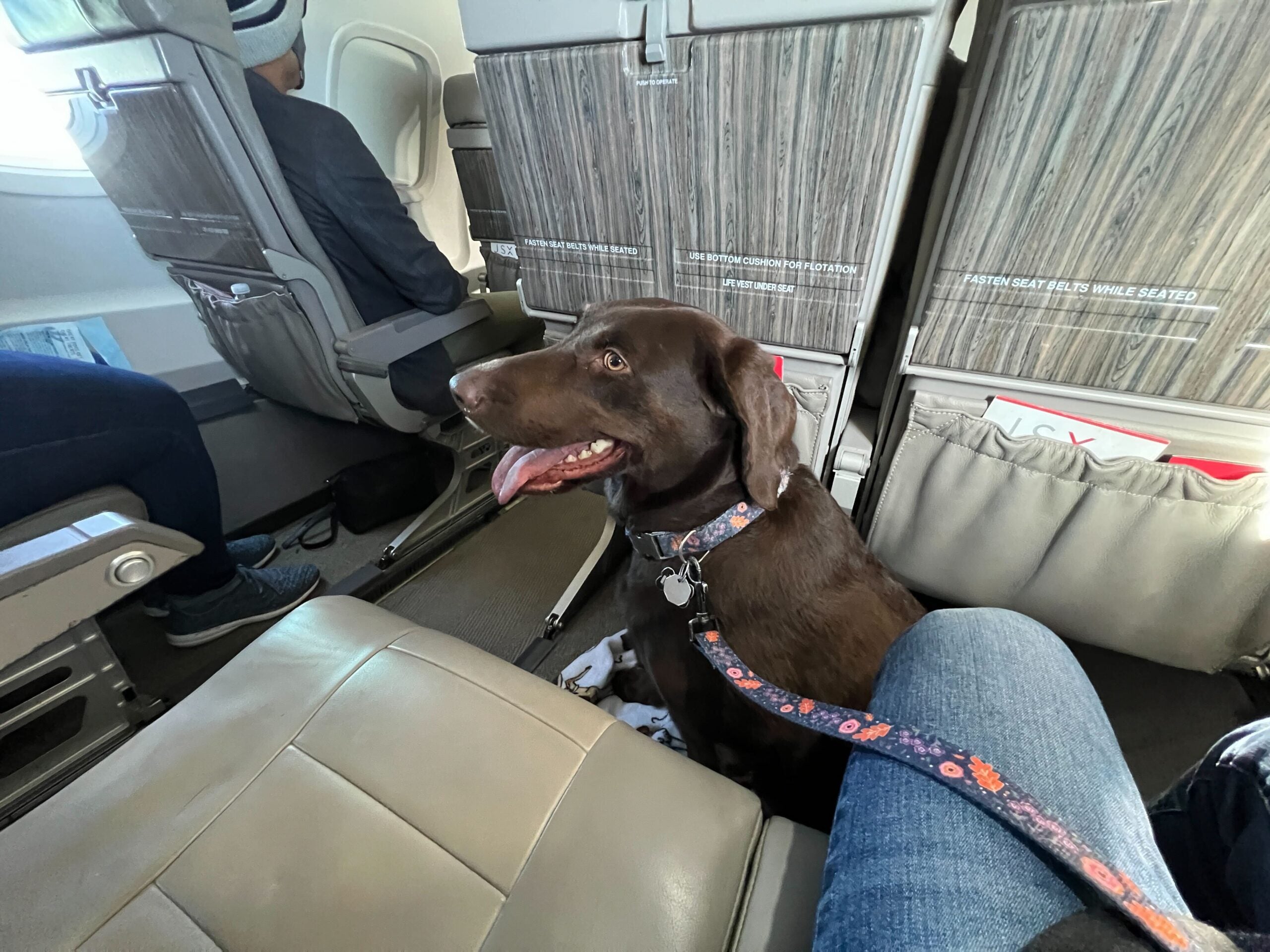
Credit: thepointsguy.com
Day Of The Flight Tips
The day of the flight can be stressful for both you and your large dog. Proper preparation helps keep your pet calm and comfortable. Small actions on the travel day improve the whole experience. Focus on your dog’s needs and the airport process to avoid surprises.
Feeding And Hydration Guidelines
Feed your dog a light meal about four hours before departure. Avoid heavy or large meals to prevent stomach upset. Offer water regularly but limit it right before the flight. This reduces the need for bathroom breaks during travel. Bring a collapsible bowl for easy feeding and watering.
Exercise Before Departure
Give your dog a good walk or play session before heading to the airport. Exercise helps release energy and reduces anxiety. A tired dog is more likely to rest during the flight. Keep the activity calm and avoid overstimulation close to departure time.
Handling Check-in And Security
Arrive early to allow time for check-in and security checks. Have all documents ready, including health certificates and vaccination records. Keep your dog on a leash and calm during lines and security screening. Be patient and follow airport staff instructions carefully. Use a sturdy, airline-approved crate for your dog’s safety.
Managing Stress During The Flight
Flying with large dogs can be stressful for both pets and owners. The unfamiliar noises, movements, and confined spaces often cause anxiety in dogs. Managing stress during the flight is key to ensuring a safe and calm journey. Preparing your dog with the right techniques helps reduce fear and discomfort.
Calming Techniques For Dogs
Calming your dog starts before takeoff. Use gentle petting and soft voices to soothe them. Bring favorite toys or blankets to create a sense of comfort. Practice deep breathing exercises near your dog to model calm behavior. Play soft music or white noise to mask loud sounds from the airplane. These small actions help lower anxiety levels.
Use Of Medications And Supplements
Some dogs benefit from medications or supplements to ease flight stress. Consult your veterinarian before the trip. They might suggest natural supplements like CBD oil or melatonin. Prescription medications are an option for severe anxiety. Always test these treatments before flying to watch for side effects. Proper dosage and timing are critical for safety.
Monitoring Your Dog’s Behavior
Keep a close watch on your dog during the flight. Look for signs of stress like panting, whining, or pacing. Early detection helps you act quickly and calm your dog. Use gentle touch or soothing words if your dog becomes restless. Stay alert to changes in behavior to avoid escalating anxiety. Your presence provides reassurance and comfort.

Credit: www.aol.com
Post-flight Care
Traveling with large dogs on planes can be stressful for your pet. Post-flight care is vital for their health and comfort. This time helps them recover from the journey and adjust to their new surroundings. Proper care after the flight keeps your dog happy and healthy.
Immediate Health Assessment
Check your dog for any signs of distress right after the flight. Look for heavy panting, limping, or unusual behavior. Examine their eyes and nose for dryness or discharge. Feel their body for any bumps or bruises. If you notice anything unusual, contact a veterinarian immediately.
Rehydration And Rest
Offer fresh water to your dog as soon as possible. Flying can cause dehydration, so water is essential. Let your dog rest in a quiet, comfortable area. Avoid loud noises and bright lights. Rest helps your dog regain energy and reduces stress after the flight.
Adjusting To The New Environment
Help your dog get familiar with the new place slowly. Allow short walks to explore the surroundings. Keep their routine consistent, including feeding and bathroom breaks. Provide favorite toys or blankets for comfort. Patience and calmness ease the transition for your dog.
Alternatives To Flying With Large Dogs
Traveling with large dogs on planes can be stressful for both you and your pet. Sometimes, flying isn’t the best choice due to size restrictions, airline policies, or your dog’s comfort. Luckily, there are alternatives that keep your furry friend safe and reduce your travel worries.
Professional Pet Transport Services
Have you thought about hiring professionals to move your dog? Pet transport services specialize in safely relocating animals, especially large breeds. They handle all logistics, from proper crate sizing to climate-controlled transport.
These services often provide door-to-door delivery, which means your dog travels with care and you avoid airport chaos. Some companies even offer tracking updates so you can check on your pet’s journey anytime. Before booking, check reviews and certifications to ensure your dog is in trusted hands.
Road Trips And Other Options
Driving with your large dog can turn the trip into an adventure you both enjoy. Road trips allow you to control stops, manage your dog’s comfort, and avoid the stress of flying. Pack essentials like water, a comfy bed, and favorite toys to keep your pet happy on the road.
If driving isn’t possible, consider other options like train travel or ferries that accept large pets. Each mode has its own rules, so researching ahead is key. What’s your dog’s reaction to car rides? Does the idea of a scenic drive appeal more than the airport hustle?
Frequently Asked Questions
What Are Airline Policies For Large Dogs On Planes?
Airline policies vary; most require large dogs to travel in cargo. Check specific airline rules before booking. Reservations and health certificates are often mandatory.
How To Prepare A Large Dog For Air Travel?
Get your dog used to the crate weeks before flying. Exercise them well and avoid feeding right before the flight. Bring familiar toys and blankets for comfort.
Can Large Dogs Fly In The Cabin With Owners?
Generally, large dogs must fly in cargo due to size. Some airlines allow service dogs in cabins. Confirm with the airline to understand cabin rules.
What Are The Best Crates For Flying Large Dogs?
Use sturdy, well-ventilated, IATA-approved crates. The crate should fit your dog comfortably, allowing them to stand and turn. Label the crate clearly with your contact info.
Conclusion
Traveling with large dogs on planes takes planning and care. Choose the right airline and follow their pet rules. Pack your dog’s favorite items for comfort. Keep your dog calm and hydrated during the trip. Stay patient and prepared for any delays or checks.
Each flight is a step closer to your adventure. Enjoy the journey with your loyal friend by your side. Safe travels and happy tails!