If you’re tired of cleaning up unexpected messes and want a happier, cleaner home, training your dog not to poop inside is the key. Imagine enjoying time with your furry friend without worrying about accidents on your carpet or floor.
You can make this happen with the right approach, patience, and simple steps anyone can follow. Keep reading, and you’ll discover easy ways to teach your dog good bathroom habits that will transform your daily life.
Credit: krullenkappergroningen.nl
Choose A Designated Spot
Choosing a designated spot for your dog to relieve itself is key to preventing accidents inside your home. This helps your dog understand where it is okay to go. A clear, consistent place reduces confusion and builds good habits.
Pick An Outdoor Area
Select a quiet, easy-to-access outdoor spot for your dog’s bathroom needs. This place should be away from busy paths and distractions. Consistency matters. Always take your dog to the same area to create a routine. Your dog will learn to associate this spot with bathroom time.
Create A Comfortable Space
Make the chosen spot inviting and safe. Clear away sharp objects or harmful plants. Keep the area clean and free from strong smells. You can add grass or dirt to mimic natural conditions. Comfort encourages your dog to use the spot willingly. Praise and treats can help your dog feel positive about this space.
Establish A Routine
Establishing a routine is essential for training dogs not to poop inside the house. Dogs feel more secure and learn faster when they know what to expect. A consistent schedule helps their bodies adjust to regular times for bathroom breaks. This reduces accidents and encourages good habits. Creating a predictable daily pattern supports successful house training.
Set Regular Potty Times
Take your dog outside at the same times each day. Common potty times include:
- First thing in the morning
- After meals
- Before bedtime
- After play or exercise
Regular outdoor trips help your dog learn when to go. Praise your dog immediately after they poop outside. This positive reinforcement links the action to the reward.
Monitor Feeding Schedule
Feed your dog at consistent times daily. This creates a predictable digestion cycle. A steady feeding schedule helps control when your dog will need to poop. Avoid free feeding or leaving food out all day.
Watch your dog’s behavior after eating. Most dogs need to relieve themselves 15-30 minutes after meals. Use this time to take them outside.
Use Positive Reinforcement
Praise your dog immediately after they go outside to potty. Giving treats or kind words helps them know what behavior you want. Positive rewards make learning faster and more fun for your pet.
Training your dog not to poop inside the house can be a challenging task, but using positive reinforcement makes the process smoother and more effective. Positive reinforcement focuses on encouraging good behavior by rewarding your pet when they do something right. This approach not only helps in faster learning but also strengthens the bond between you and your furry friend. Why focus on what they’re doing wrong when you can highlight what they’re doing right?Reward Good Behavior
Positive reinforcement is all about rewards. Whenever your dog poops outside, immediately reward them with a treat, praise, or playtime. The key is to make the connection between their action and the reward as immediate as possible. This consistency helps your dog understand that going outside is what gets them the good stuff. You might wonder, what happens if you’re not there to see the behavior? Consider keeping treats in your pocket during walks so you’re always ready. Even if it’s just a few seconds delay, rewarding promptly is crucial.Avoid Punishment
It’s important to steer clear of punishing your dog for accidents inside the house. Punishment can create fear and confusion, and it doesn’t teach your dog where they should go instead. Imagine being reprimanded for something you didn’t know was wrong—it’s not a great feeling, right? Instead, focus on redirecting your dog to the correct behavior. If you catch them in the act, gently interrupt them and guide them outside. Reward them if they finish outside, reinforcing the positive behavior. Ask yourself, how would you want to learn a new habit? Through encouragement or fear? The same logic applies to your dog. Positive reinforcement is not just a training method; it’s a way to build trust and understanding. By focusing on rewarding good behavior and avoiding punishment, you’ll be on the right path to a well-trained, happy dog.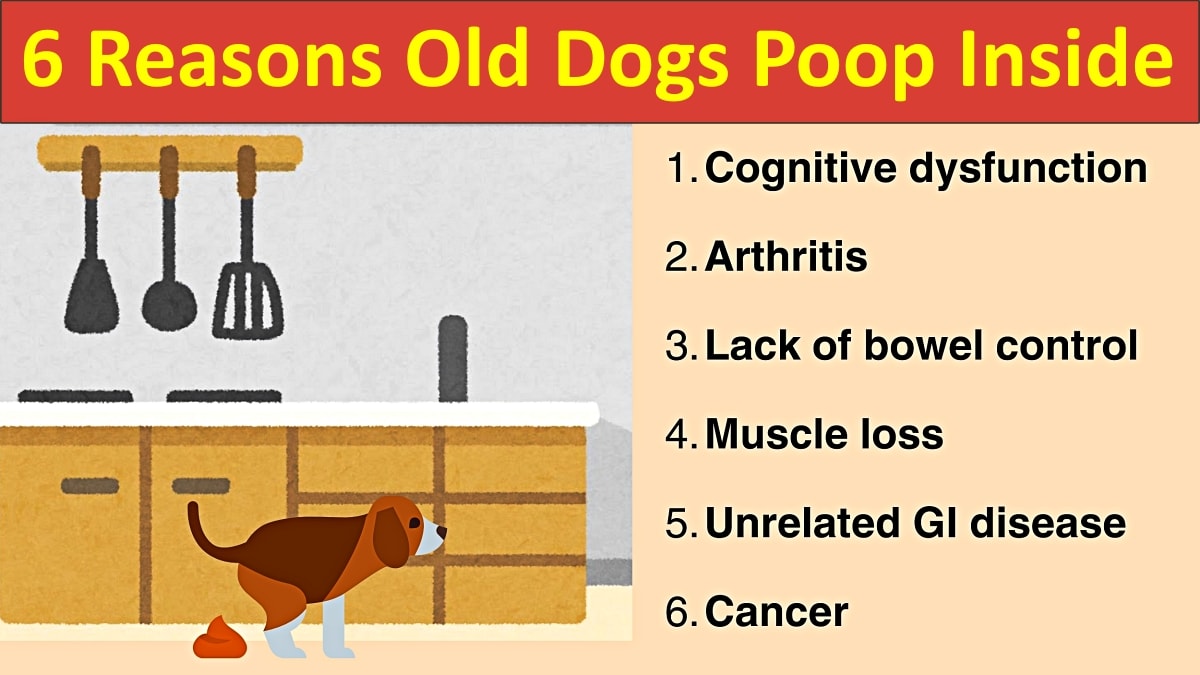
Credit: pethelpful.com
Supervise Indoor Activity
Supervising your dog’s indoor activity is crucial when training them not to poop inside the house. Without careful observation, accidents can happen, and it becomes harder to correct the behavior. Staying alert helps you catch signs early and guide your dog towards the right habit.
Watch For Warning Signs
Dogs often show clear signals before they need to go. You might notice sniffing the floor, circling, or sudden restlessness. Catching these behaviors quickly allows you to take your dog outside before an accident happens.
Pay close attention to subtle changes in your dog’s routine or mood. Does your dog suddenly stop playing and start pacing? These little signs are your chance to intervene. Have you ever missed these moments and ended up cleaning a mess? Watching closely can save you from that frustration.
Limit Free Roaming
Giving your dog unrestricted access to the entire house can lead to unexpected accidents. Instead, confine them to a smaller, manageable space when you can’t supervise directly. A crate or a gated area works well as it encourages control and reduces chances of indoor pooping.
Think about how much freedom your dog has during the day. Is it too much too soon? Gradually increase their roaming space only after they show consistent good behavior. This approach keeps your training effective and your home clean.
Manage Accidents Properly
Managing accidents properly is key to teaching your dog where to go potty. How you respond can either reinforce good habits or create confusion. Handling these moments calmly and effectively helps your dog learn faster and keeps your home fresh.
Clean Thoroughly
Cleaning accidents right away stops your dog from returning to the same spot. Use enzymatic cleaners that break down the smell completely. Avoid ammonia-based products because they can smell like urine to dogs, encouraging repeat accidents.
Think about your own experience—would you want to stay in a place that smells unpleasant? Your dog feels the same. Thorough cleaning removes the scent markers that tell your dog, “This is the spot.”
Ignore The Accident
It’s natural to feel frustrated when you find a mess inside. But reacting by yelling or punishing your dog can make things worse. Dogs don’t understand punishment after the fact and may become anxious or fearful.
Instead, stay calm and ignore the accident. Focus on praising your dog when they go outside. This positive approach builds trust and encourages your dog to repeat good behavior rather than hide mistakes.

Credit: www.amazon.ca
Utilize Crate Training
Crate training helps dogs learn to hold their bladder and bowels. Dogs avoid soiling their sleeping area. This natural instinct makes crate training effective for house training. It also provides a safe space for your dog.
Choose The Right Crate Size
Select a crate that fits your dog comfortably. It should be large enough to stand, turn, and lie down. Avoid crates that are too big. A large crate may encourage your dog to use one corner as a bathroom.
Measure your dog’s height and length before buying a crate. Adjustable crates can grow with your puppy. This saves money and keeps training consistent.
Introduce Crate Comfortably
Make the crate inviting with soft bedding and toys. Place the crate in a quiet, familiar spot. Leave the door open at first so your dog can explore. Use treats and praise to encourage entry.
Feed your dog inside the crate to create a positive link. Never force your dog into the crate. Gradually increase crate time to build comfort. Short, pleasant sessions work best.
Be Patient And Consistent
Teaching your dog not to poop inside the house requires more than just the right techniques—it demands patience and consistency. Dogs learn through repetition and clear signals, so your steady approach helps them understand what behavior you expect. Don’t expect overnight success; every dog progresses at its own pace, and your calm persistence makes all the difference.
Track Progress
Keep a simple log of your dog’s bathroom habits. Note the times they go outside and any accidents inside. This helps you spot patterns and identify what’s working or not.
Tracking progress also keeps you motivated. Seeing small improvements, like fewer accidents or quicker trips outside, shows your efforts are paying off. It encourages you to stay consistent even when progress seems slow.
Adjust Methods As Needed
If you notice your dog still struggles, don’t hesitate to tweak your approach. Maybe your schedule needs changing, or you need to offer more praise when they go outside. Small adjustments can lead to big improvements.
Ask yourself: Is your dog showing signs of stress or confusion? If yes, simplify your routine or try different rewards. Your willingness to adapt shows your commitment to helping your dog succeed.
Frequently Asked Questions
How Long Does House Training A Dog Usually Take?
House training typically takes 4 to 6 weeks with consistent effort. Puppies may take longer, while adult dogs often learn faster. Regular schedules and positive reinforcement speed up the process. Patience and routine are key to success.
What Are The Best Methods To Stop Indoor Pooping?
Use crate training, frequent bathroom breaks, and positive reinforcement. Clean accidents thoroughly to remove odors and prevent repeat incidents. Avoid punishment, as it can confuse your dog and delay learning. Consistency and patience are crucial.
How Often Should I Take My Dog Outside To Poop?
Take your dog outside every 2 to 3 hours, especially after meals. Puppies need more frequent breaks than adult dogs. Establish a regular routine to encourage outdoor elimination. This helps reduce indoor accidents effectively.
Can Diet Affect My Dog’s Bathroom Habits?
Yes, a balanced diet with proper fiber helps regulate bowel movements. Sudden diet changes can cause digestive issues and accidents. Consult your vet for the best feeding schedule and food type. Proper nutrition supports healthy elimination patterns.
Conclusion
Training your dog not to poop inside takes time and patience. Stay calm and consistent every day. Praise your dog when they go outside. Clean accidents quickly to avoid repeat mistakes. Use a set schedule for bathroom breaks. Remember, every dog learns at their own pace.
Small steps lead to big success. Enjoy a cleaner, happier home with your pet. Keep trying, and good habits will grow.