Are you wondering if freeze-dried raw food is a good choice for your dog? Feeding your furry friend the right food is one of the most important decisions you make as a pet owner.
You want to give your dog meals that are healthy, tasty, and easy to prepare. Freeze-dried raw food has become popular, but is it really the best option? Keep reading to discover the benefits, possible downsides, and what you need to know before making the switch for your dog’s diet.
This guide will help you feel confident in choosing the right food that keeps your dog happy and healthy.

Credit: www.petfoodprocessing.net
Benefits Of Freeze-dried Raw Food
Freeze-dried raw food offers several clear benefits for dogs. It keeps many nutrients intact while making feeding easy and safe. This type of food supports your dog’s overall health in natural ways. Below are key benefits that make freeze-dried raw food a smart choice.
Nutritional Value Retention
Freeze-drying removes moisture without heat, preserving nutrients well. Vitamins and minerals stay intact during the process. Dogs get food closer to a natural diet. This helps support strong muscles, healthy skin, and a shiny coat. Proteins remain high quality and easy to digest.
Convenience And Storage
Freeze-dried raw food is lightweight and easy to store. It does not need refrigeration before opening. Long shelf life means less waste and fewer trips to the store. Preparing meals is quick—just add water or feed dry. Perfect for busy pet owners or travel.
Digestive Health Support
Freeze-dried food contains natural enzymes and probiotics. These help break down food and support gut health. Dogs often show improved digestion and less upset stomach. It encourages good bacteria in the intestines. This leads to better nutrient absorption and overall wellbeing.
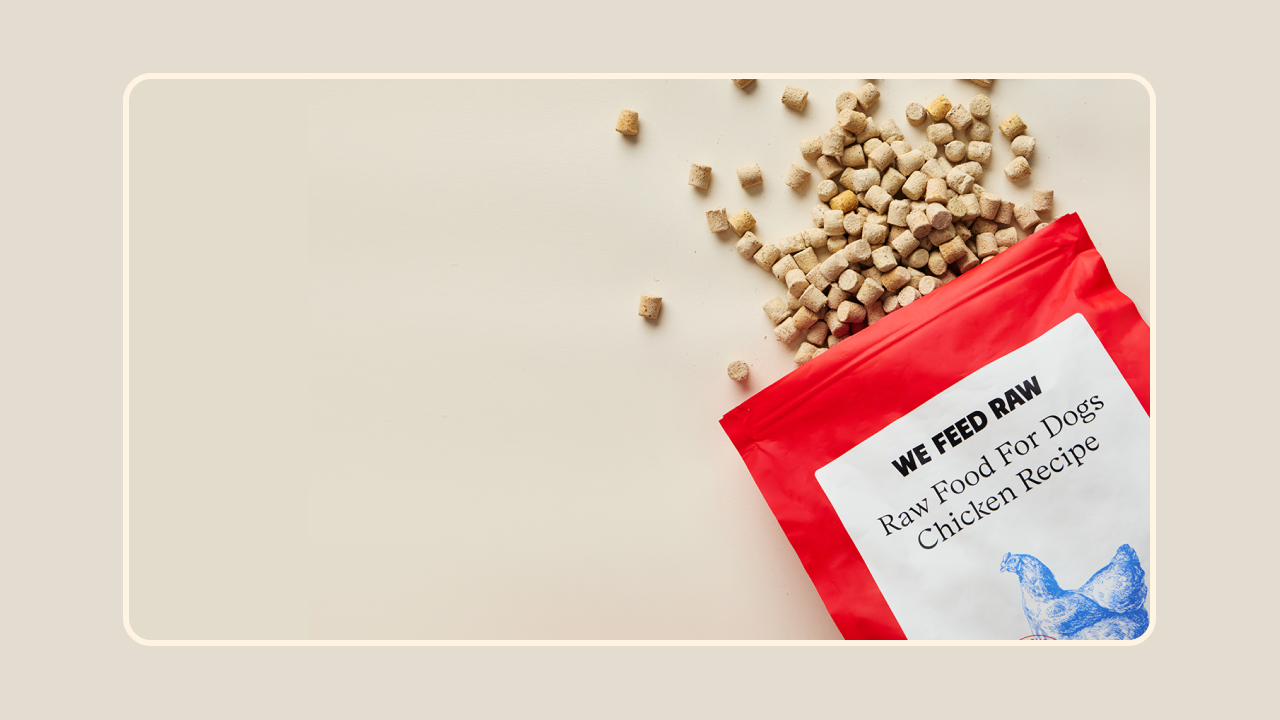
Credit: wefeedraw.com
Potential Drawbacks To Consider
Freeze-dried raw food has many benefits for dogs, but some drawbacks need attention. These can affect your dog’s health and your budget. Understanding these issues helps you make a better choice for your pet’s diet.
Cost Factors
Freeze-dried raw food often costs more than regular kibble or canned food. The process to prepare it is expensive. This price might not fit every budget. Feeding your dog this food regularly can add up quickly.
Possible Nutrient Imbalances
Freeze-dried raw food may lack some nutrients your dog needs. Not all brands balance vitamins and minerals well. Dogs need a variety of nutrients for good health. Feeding only freeze-dried food might lead to gaps in nutrition.
It is important to check the label carefully. Look for foods that meet AAFCO standards. Adding supplements might be necessary to fill nutrient gaps.
Risk Of Contamination
Though freeze-drying kills most bacteria, some risk remains. Improper handling or storage can cause contamination. This could make your dog sick.
Always buy from trusted brands. Store the food in a cool, dry place. Follow the package instructions to keep it safe.
Comparing Freeze-dried Raw To Other Diets
Freeze-dried raw food offers a unique option for dog owners. This diet provides many benefits. But how does it stack up against other diets? Let’s compare freeze-dried raw food to fresh raw, kibble, and canned food. Understanding these differences can help you make an informed choice for your furry friend.
Freeze-dried Vs. Fresh Raw
Fresh raw food involves raw meats and bones. It is closest to what dogs eat in the wild. But it can be time-consuming to prepare. Storage can also be a challenge due to spoilage risks.
Freeze-dried raw food offers a solution. It retains nutrients and is easier to store. There’s no need for refrigeration, making it convenient. It also reduces the risk of bacteria compared to fresh raw.
Freeze-dried Vs. Kibble
Kibble is the most common dog food. It’s easy to store and usually less expensive. But it’s often made with fillers and preservatives. These can affect your dog’s health.
Freeze-dried raw food contains fewer additives. It offers a more natural diet. Dogs often find it more palatable than kibble. The nutrient retention is higher, supporting overall health.
Freeze-dried Vs. Canned Food
Canned food provides moisture and is often tasty for dogs. But it can be high in fat and calories. Preservatives and artificial flavors are common in canned foods.
Freeze-dried raw food maintains natural flavors without additives. It provides balanced nutrition with controlled fat content. This makes it a healthier alternative.

Credit: www.reddogbluekat.com
Expert Recommendations For Feeding
Feeding your dog freeze-dried raw food can be a great choice, but it requires careful attention to ensure your pet thrives. Experts suggest focusing on how much to feed, how to switch diets safely, and what health signs to watch for. These steps help you avoid digestive upset and keep your dog healthy and happy.
Portion Control Guidelines
Freeze-dried raw food is concentrated, so the serving size is smaller than traditional kibble. Start by checking the package instructions, which usually recommend portions based on your dog’s weight. Remember, every dog is different—activity level, age, and metabolism affect how much they need.
Here’s a quick guideline to help you:
| Dog Weight (lbs) | Daily Portion (grams) |
|---|---|
| 10-20 | 50-75 |
| 21-40 | 80-140 |
| 41-60 | 145-200 |
Adjust portions based on how your dog responds. If they seem hungry or gain too much weight, tweak the amount. Have you noticed how your dog’s energy changes with different food amounts?
Transitioning Your Dog’s Diet
Switching to freeze-dried raw food needs a slow, careful approach to avoid stomach upset. Mix the new food with your dog’s current food over 7 to 10 days, gradually increasing the freeze-dried portion.
- Days 1-3: 25% freeze-dried, 75% old food
- Days 4-7: 50% freeze-dried, 50% old food
- Days 8-10: 75% freeze-dried, 25% old food
- After day 10: 100% freeze-dried
Watch for any signs of diarrhea, vomiting, or decreased appetite. If problems arise, slow down the transition even more. Have you ever had to adjust your dog’s food gradually? How did they react?
Monitoring Health Changes
After switching, keep a close eye on your dog’s health. Look for changes in energy, coat condition, and stool quality. These are clear signals your dog is responding well—or not—to the new food.
Regular vet checkups are essential, especially in the first few months. Blood tests can reveal if your dog is absorbing nutrients properly. If you spot any unusual behavior or health issues, consult your vet promptly.
How often do you check your dog’s overall health after changing their diet? Small observations can make a big difference in preventing problems down the road.
Choosing Quality Freeze-dried Brands
Choosing quality freeze-dried raw food brands for your dog is crucial. Not all freeze-dried products offer the same nutritional value or safety standards. You want to ensure the food supports your dog’s health and fits your budget without compromising on quality.
Ingredients To Look For
Check the ingredient list carefully. Look for whole meats like chicken, beef, or fish as the main components. Avoid products filled with fillers such as corn, soy, or artificial additives that add no real nutritional benefit.
High-quality brands often include organ meats and natural sources of vitamins and minerals. These ingredients provide a more balanced diet for your dog. Have you noticed how your pet reacts to certain ingredients? That can guide your choices too.
Certifications And Testing
Certifications matter. Look for brands that carry AAFCO approval or similar certifications showing they meet nutritional standards. This gives you confidence the food supports your dog’s dietary needs.
Also, check if the brand tests for contaminants like bacteria or heavy metals. Regular lab testing ensures safety. Don’t hesitate to ask the company for their testing results—they should be transparent with you.
Customer Reviews And Feedback
Read what other dog owners say about the product. Reviews can reveal how dogs respond to the food in terms of digestion, coat condition, and energy levels. Pay attention to repeated complaints or praise.
Sometimes, a product looks great on paper but doesn’t work well for certain breeds or sizes. Real-world feedback can save you from costly trial and error. Have you found reviews helpful when deciding on your dog’s food?
Frequently Asked Questions
What Are The Benefits Of Freeze-dried Raw Dog Food?
Freeze-dried raw dog food retains essential nutrients and enzymes. It is convenient, lightweight, and has a long shelf life. This food supports healthy digestion, shiny coats, and overall vitality in dogs. It is a natural alternative to processed kibble.
Is Freeze-dried Raw Food Safe For All Dog Breeds?
Yes, freeze-dried raw food is generally safe for all dog breeds. However, consult your vet for puppies, seniors, or dogs with health issues. Proper portioning and gradual introduction help avoid digestive upset. Always ensure fresh water is available.
How Does Freeze-dried Raw Food Compare To Fresh Raw Diets?
Freeze-dried raw food offers similar nutrition to fresh raw diets. It is easier to store and handle without refrigeration. Though slightly less moisture-rich, it still provides high protein and natural ingredients. It’s a practical choice for busy pet owners.
Can Freeze-dried Raw Food Cause Digestive Problems?
Digestive issues are rare if introduced gradually. Some dogs may experience mild upset initially. Proper hydration and portion control minimize risks. Always monitor your dog’s reaction and consult a vet if problems persist.
Conclusion
Freeze-dried raw food offers dogs a natural and nutritious option. It keeps most nutrients intact and is easy to store. Many dogs enjoy the taste and texture. It can support a healthy diet when balanced correctly. Always check ingredients and consult your vet for guidance.
Feeding freeze-dried raw food can be a good choice for many dogs. Simple, fresh, and wholesome meals help keep pets happy and strong.