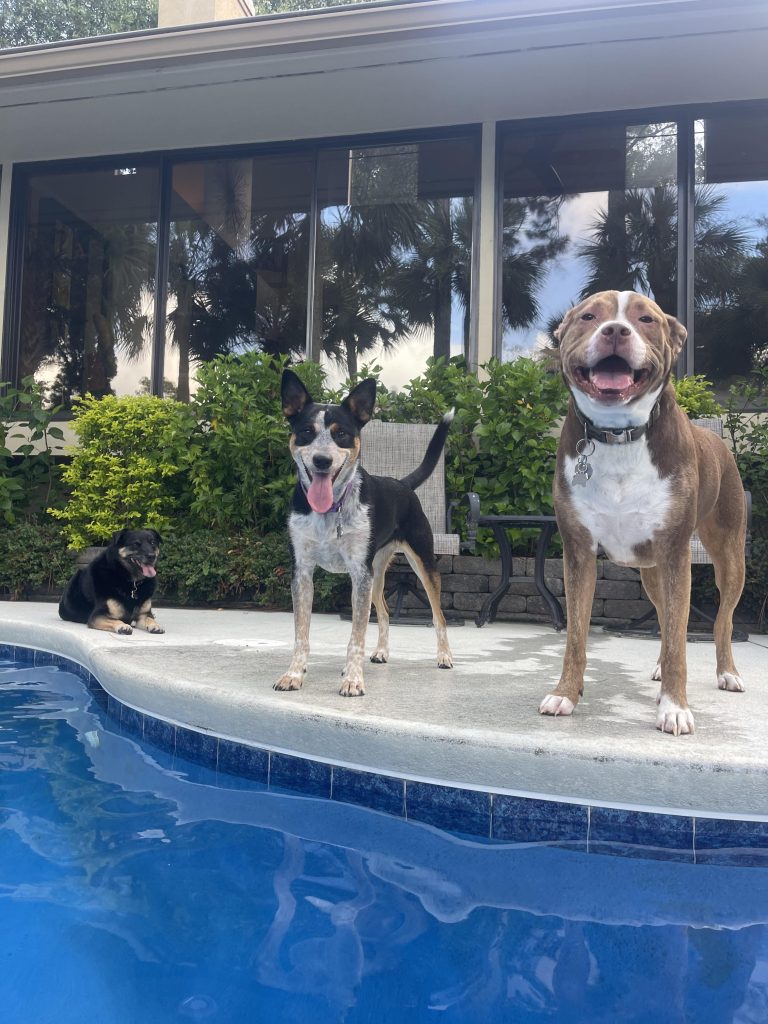

If you have more than one dog or plan to bring a new furry friend into your home, you know how important it is for them to get along. But getting dogs to live peacefully together isn’t always easy.
You might feel frustrated or worried about fights and tension. The good news is, with the right training, you can help your dogs build a strong, friendly bond. You’ll discover simple, effective steps to teach your dogs how to enjoy each other’s company.
Keep reading, and you’ll soon see your pets become happier and closer than ever before.
Assessing Dog Personalities
Understanding your dog’s personality is key to helping them get along with others. Every dog has a unique temperament that affects how they interact. Knowing these traits helps prevent conflicts and builds harmony.
Observe your dog’s behavior in different situations. Watch how they react to new dogs, people, and environments. This gives clues about their social style and comfort level.
Identifying Temperaments
Temperament describes a dog’s natural mood and behavior. Common types include:
- Confident:Friendly, curious, and calm around others.
- Shy:Timid, cautious, may hide or avoid new dogs.
- Dominant:Assertive, may try to control play or space.
- Submissive:Gentle, tends to avoid conflict and follow cues.
Knowing your dog’s temperament guides how you introduce them to others. For example, shy dogs need gentle introductions. Dominant dogs may require clearer boundaries.
Recognizing Stress Signals
Stress signals show when your dog feels uncomfortable or threatened. Spotting these early can stop fights before they start.
- Yawning or lip licking
- Avoiding eye contact
- Tail tucked or held low
- Pacing or restlessness
- Growling or snapping
Respect these signs by giving your dog space and time to calm down. This helps build trust and reduces tension during social interactions.
Preparing For Introductions
Preparing your dogs for their first meeting sets the tone for their relationship. It’s not just about bringing them together but creating the right environment where they feel safe and calm. Think about how you’d introduce two new colleagues at work—would you throw them into a crowded room or arrange a quiet space to chat?
Choosing Neutral Territory
Pick a place that neither dog claims as their own. This could be a quiet park, a friend’s backyard, or an open field. Avoid locations where your dogs feel territorial, like your home or their usual walking spot.
Neutral ground reduces stress and lowers the chance of defensive behavior. Dogs are less likely to guard resources or act possessively when they don’t see the area as “theirs.”
Have you noticed how your dog behaves differently outside their yard? Use that insight to find a spot where both dogs can feel equally comfortable.
Setting Up Controlled Meetings
Start with short, calm interactions. Keep both dogs on a leash but loose enough for them to move naturally. Tight leashes can signal tension and make dogs anxious.
Observe their body language closely. Look for relaxed tails, open mouths, and gentle sniffing as signs they’re comfortable. If you see stiff bodies, growling, or raised hackles, separate them calmly and give them space.
Use positive reinforcement like treats and praise to reward good behavior during these meetings. This helps your dogs associate each other’s presence with something pleasant.
Would you rather rush the meeting or let your dogs take their time? Patience here pays off in building trust and friendship.
Step-by-step Introduction Process
Introducing dogs to each other requires patience and a clear plan. The goal is to create positive experiences that build trust between them. Rushing this process can lead to fear or aggression, so taking it step-by-step is essential for success.
Initial Visual Contact
Start by letting the dogs see each other from a distance. Use a barrier like a fence or a baby gate so they can observe without physical contact. Watch their body language closely—look for relaxed postures and wagging tails rather than stiff stances or growling.
Have you noticed how some dogs get curious while others seem cautious? Giving them this safe visual introduction helps them get familiar without pressure. It sets the stage for more direct interactions later.
Short Leashed Interactions
Once they seem calm during visual contact, move on to short meetings on leashes. Keep the leashes loose to avoid tension, and meet in a neutral, quiet area to reduce distractions. Let the dogs sniff and greet naturally but be ready to step in if either shows signs of stress.
Limit these sessions to just a few minutes at first. This way, you prevent overwhelming them and can gradually build their comfort. You might find that even brief, controlled meetings can boost their confidence around each other.
Gradual Increase In Interaction Time
As both dogs grow more comfortable, slowly extend their time together. Remove distractions and allow more freedom while still supervising closely. This is when you start to see their true dynamic emerge.
Observe how they play or relax side by side. Are they sharing toys or respecting each other’s space? If you notice any tension, pull back to shorter sessions. This careful pacing helps strengthen their bond without forcing it.
Credit: wagwalking.com
Positive Reinforcement Techniques
Training dogs to get along can be challenging. Positive reinforcement techniques can help. These methods focus on rewarding good behavior. Dogs learn faster and respond better with positive reinforcement. This creates a harmonious environment for all pets.
Rewarding Calm Behavior
Calm behavior should always be rewarded. Quiet sitting or lying down is a good start. Use treats or a favorite toy as a reward. Praise them gently with a soft voice. This teaches them that calmness gets rewards. Consistent rewards encourage more calm behavior.
Using Treats And Praise
Treats and praise are powerful tools. Use small, tasty treats during training. Pair treats with kind words like “good dog.” This strengthens the association between action and reward. Keep sessions short to maintain interest. End with a treat and praise for good behavior.
Redirecting Negative Actions
Negative actions can happen. Redirect them with positive commands. Use commands like “sit” or “come.” Offer a treat when they listen. This shifts focus from bad to good behavior. Avoid shouting or punishment. Positive redirection leads to better outcomes.
Establishing Routine And Boundaries
Establishing routine and boundaries is key to helping your dogs live together peacefully. Dogs thrive on predictability; it reduces stress and confusion. When they know what to expect, they are more likely to cooperate and respect each other.
Consistent Feeding Schedules
Feeding your dogs at the same time every day creates a sense of stability. It prevents competition and food guarding, which are common causes of conflict.
Try feeding them in separate areas or at a slight distance to avoid tension. This simple step helped me avoid daily food-related scuffles between my two dogs.
Have you noticed how your dog’s behavior changes when meal times are unpredictable? Keeping a regular schedule can calm their nerves and improve their mood.
Designating Personal Spaces
Each dog needs a place they can call their own—a safe spot to retreat and relax. This reduces territorial disputes and gives them a break from each other when needed.
Use beds, crates, or corners of a room as personal zones. Label these spaces with their names to reinforce ownership.
Dogs with their own space tend to feel more secure and less likely to challenge each other. Have you tried giving your dogs a dedicated spot to unwind?
Setting Rules For Playtime
Playtime can quickly escalate into fights if boundaries aren’t clear. Establish rules such as no biting, no jumping, and taking breaks when play gets too rough.
Supervise their interactions and intervene calmly but firmly if things get out of hand. Teaching them to respect these rules builds trust and harmony.
Ask yourself: how does your dog behave during play? Setting clear limits can help both dogs enjoy their time together without stress.

Credit: www.youtube.com
Handling Conflicts Effectively
Handling conflicts between dogs requires more than just separating them. It’s about understanding the root causes and responding in ways that keep everyone safe and calm. Your approach can either prevent future issues or make things worse, so knowing how to handle conflicts effectively is crucial for peaceful coexistence.
Intervening Safely
Jumping in between fighting dogs can be dangerous for both you and the dogs. Instead, use loud noises like clapping or a firm voice to distract them. You can also throw a blanket or a large towel over the dogs to break their focus without risking injury.
Always keep a safe distance and avoid putting your hands near their mouths. If possible, use barriers like a broom or a chair to gently separate them. Have you ever tried separating your dogs and ended up getting scratched? That’s why safety must come first.
Calming Strategies
After a conflict, it’s important to calm your dogs down before reintroducing them. Use soothing tones and gentle petting to reduce their stress. Creating a quiet space with familiar toys or blankets can help them feel secure again.
Redirect their energy with activities like a calm walk or puzzle toys. This helps shift their focus away from tension and back to positive experiences. Do you notice how your dog’s mood changes after some quiet time? That’s the power of calming strategies.
Seeking Professional Help
If conflicts persist despite your efforts, consulting a professional is wise. A certified dog trainer or behaviorist can identify triggers you might miss. They provide tailored plans that fit your dogs’ personalities and needs.
Don’t wait until the situation escalates. Early intervention often prevents long-term issues. Have you considered professional advice when managing your dogs’ behavior? It might be the key to harmony in your home.
Encouraging Shared Activities
Encouraging shared activities is a powerful way to help your dogs bond and enjoy each other’s company. When dogs engage in fun tasks together, they learn to trust and respect one another naturally. You might be surprised how quickly they start looking forward to these moments as a team.
Group Walks And Play
Taking your dogs on group walks gives them a chance to explore new environments side by side. It creates a shared experience that builds camaraderie without forcing interaction.
Choose calm routes at first and keep the pace steady to avoid stress. Notice how your dogs react to each other during these walks — it’s a great way to observe their comfort levels.
Playtime after the walk helps them burn off energy and reinforces positive feelings towards each other. Have you tried letting them chase a ball together or explore a park? The excitement they share can be the glue that holds their relationship.
Training Sessions Together
Training your dogs together teaches them to focus and cooperate. Use simple commands like “sit” or “stay” and reward both dogs at the same time to reinforce teamwork.
Keep sessions short and upbeat to maintain their interest. This shared learning experience often reduces competition and builds mutual respect.
Have you noticed how dogs often mirror each other’s behavior during training? This natural tendency can be a tool to encourage harmony and reduce tension.
Interactive Games
Games like tug-of-war or hide-and-seek can turn into bonding adventures for your dogs. These activities require them to engage with each other and share attention in a positive way.
Use toys that both dogs can enjoy together, and watch how they negotiate turns and play styles. This interaction teaches patience and cooperation.
What interactive game does your dog love? Introducing it to your other dog might spark a new friendship faster than you expect.
Monitoring Progress And Adjusting
Monitoring your dogs’ progress is key to helping them get along. It lets you see what’s working and what needs a tweak. Adjusting your approach based on their behavior keeps training effective and stress-free for everyone involved.
Tracking Behavior Changes
Keep a simple journal or use a notes app to track how your dogs interact daily. Note moments when they play nicely or show signs of tension. Tracking helps you spot patterns you might miss during busy days.
Have you noticed if one dog tends to dominate during play? Or if a specific trigger causes anxiety? Writing these down gives you clear clues on where to focus your efforts next.
Adapting Training Methods
If a training technique isn’t helping, don’t hesitate to try something different. Maybe your dogs respond better to treats than praise, or vice versa. Small changes can make a big difference in their cooperation.
Imagine switching from verbal commands to hand signals because your dogs respond better visually. Adjustments like these keep training fresh and tailored to your dogs’ unique personalities.
Celebrating Milestones
Recognize and reward progress, no matter how small. Did your dogs share a toy without growling today? That’s worth celebrating. Positive reinforcement encourages them to keep behaving well.
How do you celebrate milestones with your dogs? Sharing your successes can boost your motivation and build a stronger bond between you and your pets.

Credit: www.feliway.co.uk
Frequently Asked Questions
How Can I Introduce Dogs To Each Other Safely?
Introduce dogs in a neutral, quiet area to avoid territorial behavior. Use leashes and allow brief, calm interactions. Gradually increase their time together while monitoring body language. Reward positive behavior to build trust and reduce anxiety during introductions.
What Are Key Signs Dogs Get Along Well?
Look for relaxed body language, wagging tails, and play bows. Dogs that share toys and rest near each other show comfort. Positive interactions include gentle sniffing and mutual grooming. Avoid signs of aggression like growling or stiff posture.
How Long Does It Take For Dogs To Get Along?
Time varies based on dogs’ personalities and past experiences. Some dogs bond within days, while others need weeks or months. Consistent training, patience, and positive reinforcement speed up the process. Avoid forcing interactions to prevent stress.
Can Training Improve Dogs’ Relationships?
Yes, training enhances communication and reduces conflicts. Teaching commands like “sit,” “stay,” and “leave it” helps manage behavior. Reward-based training builds trust and cooperation. Consistent routines create a sense of security for all dogs involved.
Conclusion
Training dogs to get along takes time and patience. Start slow and use positive rewards. Watch their body language to avoid fights. Help them share toys and space peacefully. Consistency builds trust and good habits. Keep training sessions short and fun.
Celebrate small successes every day. Happy dogs live better together. Your effort creates a calm, friendly home for all pets.