
Are you wondering when to switch your furry friend to adult dog food? Choosing the right time can feel tricky, but it’s one of the most important decisions for your dog’s health and happiness.
Feeding your dog the right food at the right age helps them grow strong, stay active, and avoid health problems. You’ll discover clear signs and expert tips to know exactly when to make the change. Keep reading—you and your dog deserve the best care possible.
Credit: www.petsmart.ca
Signs Your Puppy Is Ready
Recognizing the signs that your puppy is ready for adult dog food is important for their health. Puppies grow fast, and their nutritional needs change. Feeding adult food too early or too late can affect their growth and energy. Watch for clear signs showing your puppy’s readiness to switch diets.
Age Milestones
Puppies usually start eating adult food between 9 and 12 months.
Small breeds may switch closer to 9 months.
Large breeds often wait until 12 months or later.
Check breed guidelines to know the best time.
Behavioral Changes
- Your puppy may eat less frequently but larger meals.
- They become less hyperactive as they mature.
- Interest in chewing lessens, showing maturity.
- They start to explore new tastes and textures.
Physical Development
| Sign | Description |
|---|---|
| Full Adult Teeth | Usually visible by 6-7 months, indicating readiness. |
| Steady Weight | Weight growth slows down, nearing adult size. |
| Muscle Development | Stronger muscles show they need adult nutrition. |
Credit: blepworld.com
Differences Between Puppy And Adult Food
Understanding the differences between puppy and adult dog food is key when deciding the right time to switch your furry friend’s diet. Puppy food is specially formulated to support rapid growth and development, while adult food focuses on maintaining health and energy levels. Knowing these distinctions helps you provide the best nutrition at every stage of your dog’s life.
Nutritional Needs
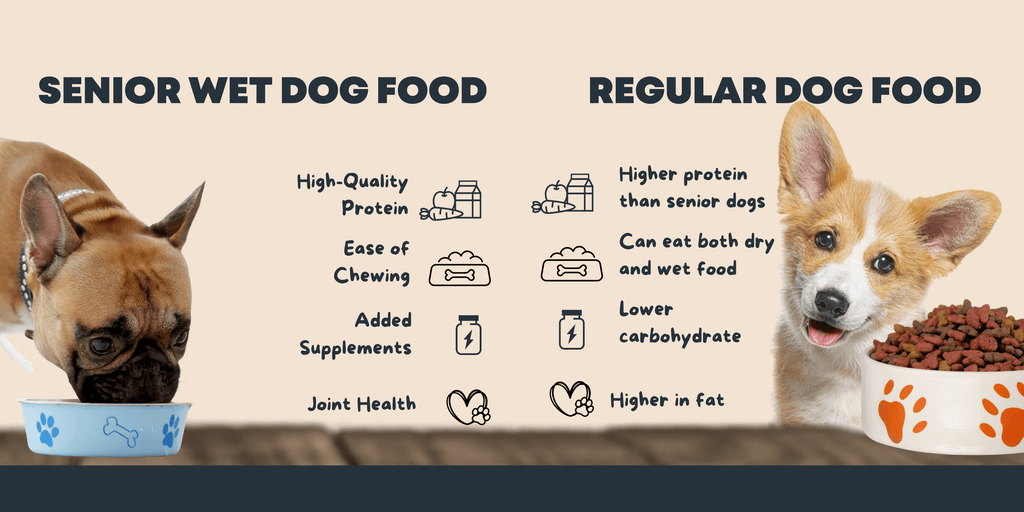
Puppies need more protein and fat to fuel their growth and high energy. Their food often contains extra vitamins and minerals to support bone development and a strong immune system.
Adult dogs don’t require as many calories or as much fat. Their diet shifts toward maintaining muscle mass and preventing obesity. You might wonder if continuing puppy food could lead to weight gain in your adult dog—usually, yes.
Ingredient Variations
Puppy food often includes ingredients like DHA, an omega-3 fatty acid that supports brain and eye development. It also has higher levels of calcium and phosphorus to build strong bones.
Adult dog food focuses more on balanced ingredients to support overall health. It usually has more fiber to aid digestion and sometimes added antioxidants for immune support.
Portion Sizes
Portions for puppies are generally smaller but given more frequently throughout the day to match their fast metabolism.
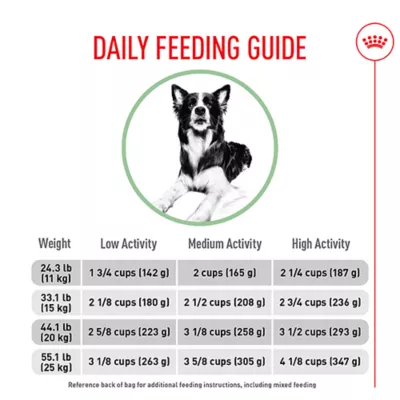
Adult dogs eat fewer meals with larger portions. Overfeeding adult dogs with puppy-sized portions can lead to unwanted weight gain, so adjusting meal size is crucial.
Breed And Size Considerations
Choosing the right time to switch your dog to adult food depends on their breed and size. Different breeds grow at different rates, and size plays a key role in determining nutritional needs. Understanding these factors ensures your dog gets the proper nutrients for a healthy life.
Small Breeds
Small breeds transition to adult food around 9 to 12 months. They mature faster than larger breeds. Ensure the food is rich in protein and fats. This supports their fast metabolism and energy needs.
Medium Breeds
Medium breeds usually switch between 12 to 14 months. Their growth rate is moderate. A balanced diet with adequate protein and calcium is essential. It supports bone and muscle development.
Large And Giant Breeds
Large and giant breeds take longer to mature. They transition around 18 to 24 months. These breeds need food that supports joint and bone health. Look for food with glucosamine and chondroitin.

Credit: us.eukanuba.com
Transitioning To Adult Food
Switching your dog from puppy food to adult dog food is a key moment in their growth journey. The transition needs care to keep your dog healthy and happy. Moving too fast or ignoring signs can upset their stomach or cause picky eating habits.
Gradual Food Change
Start by mixing a small amount of adult food into your dog’s current puppy food.
Over 7 to 10 days, slowly increase the adult food portion while decreasing the puppy food.
This slow change helps your dog’s digestive system adjust without shock.
Monitoring Digestive Health
Watch your dog’s stool and appetite closely during the transition.
If you notice diarrhea, constipation, or vomiting, slow down the switch or pause.
Keep a food diary to track any digestive issues and share it with your vet if needed.
Adjusting Feeding Schedule
Adult dogs often need fewer meals than puppies. You might shift from three or four daily meals to two.
Gradually change meal times to fit your new schedule while keeping consistent feeding hours.
Have you noticed your dog’s energy levels change with feeding times? Adjust accordingly to keep them active and satisfied.
Common Mistakes To Avoid
Knowing when to switch your dog to adult food is important, but avoiding common mistakes during this transition is just as crucial. These errors can affect your dog’s health and well-being more than you might expect. Let’s look at some pitfalls you should watch out for.
Switching Too Early
Many pet owners switch to adult dog food as soon as their puppy looks bigger or reaches a certain age. However, this can be harmful because puppies have different nutritional needs than adult dogs. Switching too soon may stunt growth or cause digestive issues.
Instead, check your dog’s breed and size guidelines. Large breeds often need puppy food longer to support their development. Have you ever noticed your puppy acting sluggish or losing weight after switching food? That could be a sign the change was premature.
Ignoring Nutritional Balance
Adult dog food isn’t just about calories; it’s about the right balance of nutrients. Sometimes people pick adult food based on price or brand popularity, ignoring the ingredients and nutrient content. This can lead to deficiencies or excesses that harm your dog’s health.
Look for foods that provide balanced protein, fats, vitamins, and minerals suitable for your dog’s lifestyle. If your dog is very active, their needs will differ from a more sedentary pet. Are you checking the label closely enough to meet those needs?
Overfeeding Risks
Once you switch to adult food, the risk of overfeeding increases because adult diets are denser in calories. Overfeeding can lead to obesity, which causes joint problems and shortens your dog’s life. It’s easy to give extra treats or larger portions without realizing the impact.
Measure your dog’s food carefully and adjust portions based on activity level and body condition. Regularly weighing your dog can help you catch weight gain early. How often do you review your dog’s feeding habits to keep them in shape?
Consulting Your Veterinarian
Deciding the right time to switch your dog to adult food isn’t always straightforward. Your veterinarian is your best resource for guidance tailored specifically to your pet. Talking with them helps ensure your dog’s diet matches their unique health and growth needs.
Personalized Advice
Your dog’s breed, size, and activity level all influence when they should start adult dog food. A vet can give you advice based on these factors, which you won’t find on food packaging alone. For example, large breeds may need to stay on puppy food longer to support their bone development.
Health Checks
Regular vet visits let you track your dog’s growth and overall health. These checkups reveal if they’re ready for new nutrition or if any health issues affect their diet. Have you noticed changes in your dog’s energy or digestion? Bring those up during your vet visit to get the right feeding plan.
Special Dietary Needs
Some dogs require diets tailored to specific health conditions or allergies. Your vet can recommend adult dog food formulas that address these needs safely. If your dog has sensitivities, switching foods without expert advice could cause discomfort or worsen symptoms.
Frequently Asked Questions
When Should I Switch My Puppy To Adult Dog Food?
Switch your puppy to adult dog food around 12 months old. Larger breeds may need more time. Consult your vet for specific guidance.
What Are Signs My Dog Needs Adult Food Now?
Signs include slower growth, reduced energy, and changes in weight. Your dog may also lose interest in puppy food. Watch for these changes.
How Do Adult Dog Food And Puppy Food Differ?
Adult dog food has fewer calories and less fat. It supports maintenance, not growth. Puppy food is richer to fuel rapid development.
Can I Feed Adult Dog Food To A Puppy?
Feeding adult food to puppies can cause nutrient deficiencies. Puppies need more protein and calories. Always use age-appropriate food for best health.
Conclusion
Choosing the right time to start adult dog food helps your pet stay healthy. Watch your dog’s growth and behavior for signs. Usually, dogs change to adult food between 9 to 12 months. Ask your vet if you are unsure.
Good food supports energy and strong bones. Feeding adult dog food too early or late can cause problems. Keep your dog’s needs in mind for the best choice. A healthy diet means a happy dog. Trust your observations and expert advice.
Your dog will thank you with a wagging tail.