
Have you ever wished your dog could fetch a ball or toy and bring it right back to you? Teaching your dog to play fetch is not only fun but also a great way to bond and keep your furry friend active.
Imagine the excitement in your dog’s eyes as they chase after a ball, then proudly return it to your hand. If you’re ready to make playtime more enjoyable and rewarding, this guide will show you simple, step-by-step techniques to train your dog to play fetch.
Keep reading to discover how you can turn fetch into your dog’s favorite game!

Credit: www.youtube.com
Choosing The Right Toy
Choosing the right toy is a key part of teaching your dog to play fetch. The toy needs to be something your dog enjoys chasing and carrying back. It also must be safe and durable enough to handle repeated use without falling apart.
Best Toys For Fetch
Look for toys that are easy for your dog to grip and carry. Tennis balls are popular, but some dogs can chew through them quickly, so consider rubber balls made specifically for dogs.
- Rubber balls:Durable and safe for chewing, perfect for dogs that like to bite down hard.
- Frisbees:Great for dogs that love to jump and catch in the air. Choose soft, flexible ones to avoid injuries.
- Fetch sticks or ropes:Lightweight and easy to throw far. Your dog might enjoy the tugging game after fetch.
My dog preferred a lightweight rubber ball that was soft on her teeth but didn’t lose shape. It made training easier because she was excited to chase and return it every time.
Safety Considerations
Always check the toy for any small parts or pieces that could break off and pose a choking hazard. Avoid toys with sharp edges or materials that splinter.
Size matters: choose a toy that fits comfortably in your dog’s mouth but is not so small that they could swallow it whole. You want your dog to have fun without risking injury.
Think about your dog’s chewing style. If your dog is an aggressive chewer, softer toys will get destroyed quickly and could lead to ingestion of harmful bits.
How often do you inspect your dog’s toys for wear and tear? Regularly replacing worn toys prevents accidents and keeps fetch sessions safe and enjoyable.
Setting Up A Training Area
Choosing the right place to train your dog to play fetch can make all the difference. The training area affects how well your dog learns and stays focused. Setting up a comfortable and suitable space helps both you and your dog enjoy the process.
Indoor Vs Outdoor Spaces
Deciding between indoors and outdoors depends on your dog’s energy and the weather. Indoor spaces like a hallway or a living room offer controlled environments with fewer distractions. They work well for beginners or when the weather is bad.
Outdoor areas give your dog more room to run and fetch freely. Parks, backyards, or quiet streets are great options. However, outdoors means more distractions, so your dog needs to have some basic obedience before you try fetch here.
Think about what suits your dog’s personality and your daily routine. Can you commit to training outside regularly, or is a cozy indoor spot easier to access? Your choice impacts how quickly your dog learns.
Minimizing Distractions
Distractions can break your dog’s focus and slow down training. Start in a quiet place without loud noises, other pets, or many people around. This helps your dog concentrate on the game.
Remove tempting toys or food that might divert attention. If you train outside, avoid busy areas or wait until the environment is calmer, like early morning. Gradually introduce distractions once your dog masters the basics.
Ask yourself: what usually grabs your dog’s attention? Use that knowledge to create a distraction-free zone. The goal is to keep your dog’s eyes on the ball and on you.
Teaching The Basic Commands
Teaching basic commands like “sit” and “stay” lays a strong foundation for playing fetch. Clear, simple instructions help your dog understand what to do. Consistent practice builds good habits and keeps training fun for both of you.
Teaching your dog basic commands is crucial for playing fetch. It helps create a strong bond and improves communication. Start with simple commands that are easy for your dog to understand. Consistency is key. Use clear and firm tones.Introducing ‘fetch’
Begin by showing the toy to your dog. Use a toy they like. Say the word “fetch” while holding the toy. Throw it gently a short distance. Encourage your dog to chase it. Praise them when they do. Repeat this several times.Using ‘drop It’ And ‘come’
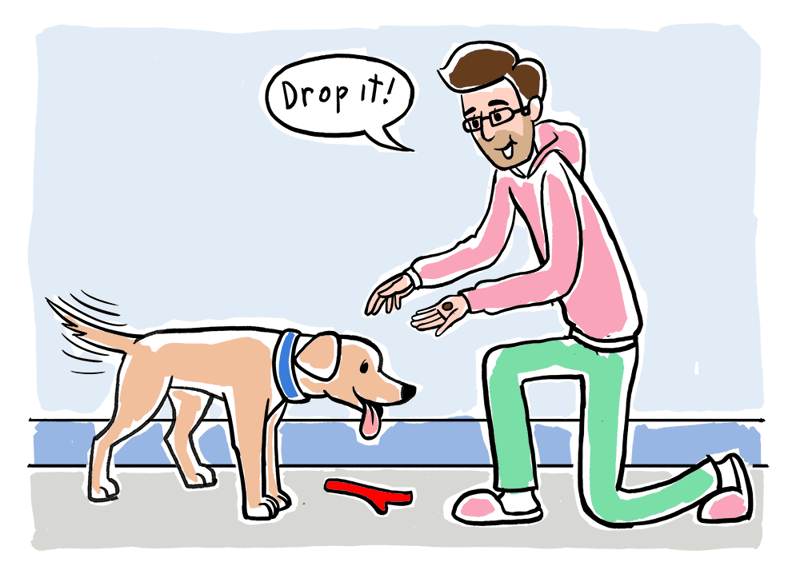
Teach “drop it” to release the toy. Hold a treat in front of their nose. Say “drop it” calmly. Wait for them to drop the toy. Reward immediately. Practice this regularly. Next, teach “come” to return the toy. Call them back using a happy voice. Use treats to motivate. Praise them for returning. Keep sessions short and fun.
Credit: www.amazon.com
Step-by-step Fetch Training
Training your dog to play fetch can be simple and fun. Break the process into clear steps. This helps your dog understand what you want. Patience and consistency are key. Each step builds a strong fetch habit. Use treats and praise to motivate your dog.
Encouraging Chasing
Start by getting your dog excited to chase. Use a favorite ball or toy. Toss it a short distance. Cheer your dog as it runs after the toy. Keep the sessions short and fun. Repeat until your dog eagerly chases the thrown item.
Rewarding Retrieval
Next, teach your dog to bring the toy back. Call your dog with a happy voice. Show a treat to encourage returning. Praise your dog when it comes back with the toy. Give the treat only when the toy is in your dog’s mouth. Practice this step several times to build a habit.
Reinforcing Release
Train your dog to drop the toy on command. Use a clear word like “drop” or “give.” Offer a treat as your dog releases the toy. Gently take the toy after your dog drops it. Praise your dog for letting go easily. Repeat this step until your dog releases the toy willingly every time.
Troubleshooting Common Issues
Training your dog to play fetch can be a fun bonding experience, but sometimes you might hit a few bumps along the way. Troubleshooting common issues will help you stay patient and adjust your approach. Let’s look at some typical challenges and how you can overcome them to keep the game enjoyable for both of you.
Dog Won’t Bring Toy Back
It’s frustrating when your dog chases the toy but refuses to bring it back. This often happens because your dog doesn’t understand that returning the toy is part of the game.
Try using two identical toys. Throw one, and when your dog picks it up, show the second toy. Most dogs will drop the first one to chase the second. Reward your dog immediately with praise or treats when they bring the toy back.
Have you noticed your dog gets distracted on the way back? Shorten the distance at first and practice in a quiet area. Gradually increase the challenge as your dog improves.
Dog Loses Interest
Your dog might start playing fetch enthusiastically but quickly lose interest. This can happen if the game feels repetitive or if your dog prefers other types of play.
Keep fetch sessions short and fun. Mix in different toys, like balls, frisbees, or squeaky toys, to keep things exciting.
Try changing locations. Sometimes a new park or backyard can refresh your dog’s excitement. How do you keep playtime engaging for your dog?
Overexcitement Control
Fetch is exciting, but some dogs get so hyped up that they become hard to control. Overexcitement can lead to jumping, barking, or not listening to commands.
Pause the game when your dog gets too wild. Ask for a simple command like “sit” or “stay” before continuing. This teaches your dog to calm down and focus.
Use calm, steady praise instead of loud, high-energy encouragement to help your dog stay relaxed. Have you tried using a calm voice to manage your dog’s excitement during play?
Increasing Difficulty And Distance
Increasing the difficulty and distance of fetch play is key to keeping your dog engaged and improving their skills. It challenges their physical ability and sharpens their focus over time. You’ll notice your dog becoming more confident and eager as you progress.
Gradual Distance Increase
Start by tossing the ball just a few feet away. Once your dog consistently retrieves from this distance, add a little more space—maybe a few extra feet each session.
This slow increase helps your dog build stamina without getting frustrated. Watch how your dog responds; some pups might surprise you by wanting to chase longer throws quickly. Have you noticed your dog’s energy level change as you throw farther?
Use familiar toys and keep rewards consistent. This creates a positive link between distance and success, encouraging your dog to keep chasing that ball no matter how far you throw it.
Adding Variations
Mix things up to keep fetch interesting and mentally stimulating. Try throwing the ball at different angles, into bushes, or behind obstacles.
Changing the type of toy can also spark curiosity—some dogs prefer frisbees, others sticks or soft balls. Notice what excites your dog the most and use those toys to keep the game fresh.
Adding commands like “wait” before throwing or asking for a sit during the fetch sequence can improve obedience. How does your dog handle these extra challenges? Adjust based on their comfort and enthusiasm.
Maintaining Motivation
Keeping your dog motivated during fetch training is key to success. Dogs learn best when training stays fun and rewarding. Consistent encouragement helps them stay interested. Without motivation, your dog may lose focus quickly. Use simple techniques to keep their excitement high. This builds a strong bond and makes training easier.
Using Treats And Praise
Treats are a powerful reward for dogs. Give small, tasty treats right after your dog fetches the toy. This helps them connect the action with a positive result. Praise your dog with a happy voice and petting. Dogs love attention and will repeat behaviors that earn praise. Balance treats and praise to keep rewards special. Avoid overfeeding treats to keep your dog healthy.
Keeping Sessions Short
Short training sessions keep your dog’s energy high. Long sessions can make your dog tired or bored. Aim for 5 to 10 minutes of fetch practice. End on a positive note, even if your dog does not fetch every time. Frequent, brief sessions help your dog learn faster. Play fetch several times a day instead of one long time. This keeps training fresh and fun.
Credit: www.youtube.com
Frequently Asked Questions
How Do I Start Teaching My Dog To Fetch?
Begin by choosing a favorite toy or ball. Use treats to encourage your dog to take the toy. Reward them when they bring it back. Practice in short, fun sessions to keep your dog interested and motivated.
What Commands Should I Use For Fetch Training?
Use simple commands like “fetch,” “bring,” and “drop. ” Consistently say “fetch” when throwing the toy. Use “bring” to encourage return and “drop” to release the toy. Clear commands help your dog understand the game better.
How Long Does It Take To Train Fetch?
Training time varies by dog but usually takes a few weeks. Consistent daily practice of 10-15 minutes speeds learning. Patience and positive reinforcement are key to successful fetch training.
What If My Dog Doesn’t Want To Fetch?
Try using more exciting toys or treats as motivation. Keep sessions short and fun to maintain interest. Avoid forcing your dog; instead, reward any small progress. Some dogs need more time to enjoy fetch.
Conclusion
Training your dog to play fetch builds a strong bond. Keep sessions short and fun for best results. Use treats and praise to encourage good behavior. Practice often, but stop if your dog seems tired. Patience and consistency help your dog learn faster.
Enjoy the time spent together outside. Fetch is a great way to exercise your dog. Start today and watch your dog’s skills grow. Simple steps lead to happy, active pets.