
Training an older dog to use pee pads can feel like a big challenge, but it doesn’t have to be. You might worry it’s too late to change their habits or that your dog won’t understand.
The good news is, with the right steps, patience, and a bit of guidance, your furry friend can learn this new routine. Imagine how much easier life will be for both of you when accidents become a thing of the past.
Keep reading, and you’ll discover simple, effective tips that make training your older dog to use pee pads a smooth and stress-free experience.
Benefits Of Pee Pads For Older Dogs
Training older dogs to use pee pads offers many benefits. It helps manage their needs safely and cleanly. Pee pads make life easier for both pets and owners. They provide a simple solution for dogs with mobility or health issues. Below are some key benefits of pee pads for senior dogs.
Convenience For Owners
Pee pads reduce the need for frequent outdoor trips. Owners can avoid rushing outside during bad weather. Pads offer a reliable place for dogs to relieve themselves indoors. They help maintain a clean home environment. Cleanup is quick and hassle-free with disposable pads.
Comfort For Senior Dogs
Older dogs may have trouble walking long distances. Pee pads give them a close and safe spot to go. Pads prevent discomfort caused by holding urine too long. Dogs feel less stressed when they know where to go. They support dignity and independence in senior pets.
Health Considerations
Senior dogs often face bladder control challenges. Pee pads help manage accidents and reduce infections. They protect joints by avoiding slippery outdoor surfaces. Pads allow careful monitoring of urine output and health changes. Early signs of illness can be spotted more easily.

Credit: prwe.com
Choosing The Right Pee Pads
Choosing the right pee pads helps older dogs learn faster. It makes the training process less stressful. Picking the best pad depends on several factors. These include material, size, and scent. Each plays a key role in successful training.
Material And Absorbency
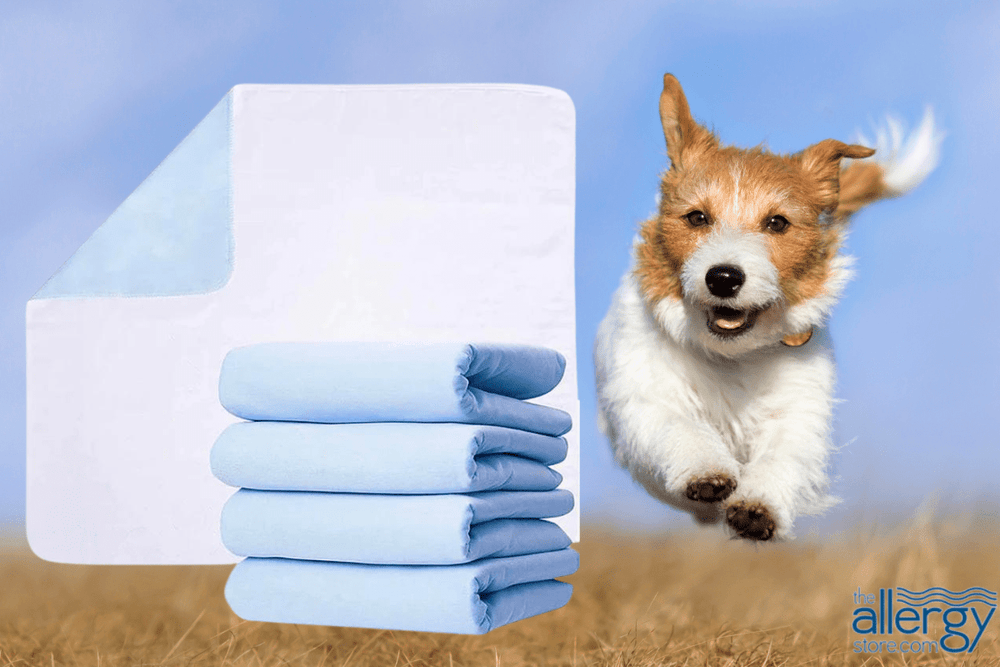
Pads come in different materials like cotton, synthetic fibers, or gel layers. A good pad absorbs liquid quickly. This keeps the surface dry and comfortable for your dog. Look for pads with multiple absorbent layers. They help prevent leaks and odors. Some pads have waterproof backing to protect floors. Choose one that suits your dog’s size and bathroom habits.
Size And Placement
Pick a pad size that fits your dog well. Larger pads give more space and reduce mess. Place the pad in a quiet, easy-to-reach spot. Consistency in location helps your dog understand where to go. Avoid busy or noisy areas. Make sure the spot stays clean and dry around the pad.
Scented Vs Unscented
Scented pads use a mild smell to attract dogs. Some dogs respond well to this hint. Others may find it confusing or off-putting. Unscented pads have no added fragrance. They rely on the dog’s natural habit and your training. Test which type your dog prefers. Watch their behavior and comfort with each option.
Preparing Your Dog For Training
Preparing your older dog for pee pad training starts with patience and a calm environment. Introduce the pads gradually and reward your dog for using them. Consistency helps your dog understand the new routine quickly.
Preparing an older dog to use pee pads might seem daunting, but with the right approach, it can be a rewarding experience for both you and your furry friend. The key is to create a strategy that considers your dog’s unique needs and environment. Let’s explore how you can set the stage for successful training.Assessing Your Dog’s Health
Before diving into training, evaluate your dog’s health. Older dogs may have specific needs or health issues that impact their ability to learn new habits. A quick visit to the vet can ensure there are no underlying conditions affecting their bathroom habits. Understanding your dog’s physical limitations will help tailor the training process to suit their capabilities.Creating A Calm Environment
Imagine trying to learn a new skill in a chaotic setting. Your dog feels the same way. Create a peaceful training space free from loud noises and distractions. This area should be easily accessible to your dog and away from their sleeping and eating areas to prevent confusion. A calm environment fosters focus and makes your dog feel secure.Gathering Necessary Supplies
Having the right tools can make a world of difference. Stock up on high-quality pee pads and consider using a pad holder to keep everything in place. You might also need cleaning supplies for accidents and treats to reward your dog’s progress. Preparing these supplies ahead of time ensures you’re ready to handle any situation, making the training smoother and more efficient. Are you ready to embark on this training journey with your older dog? Remember, patience and consistency are your best allies. With these preparations in place, you’re well on your way to success!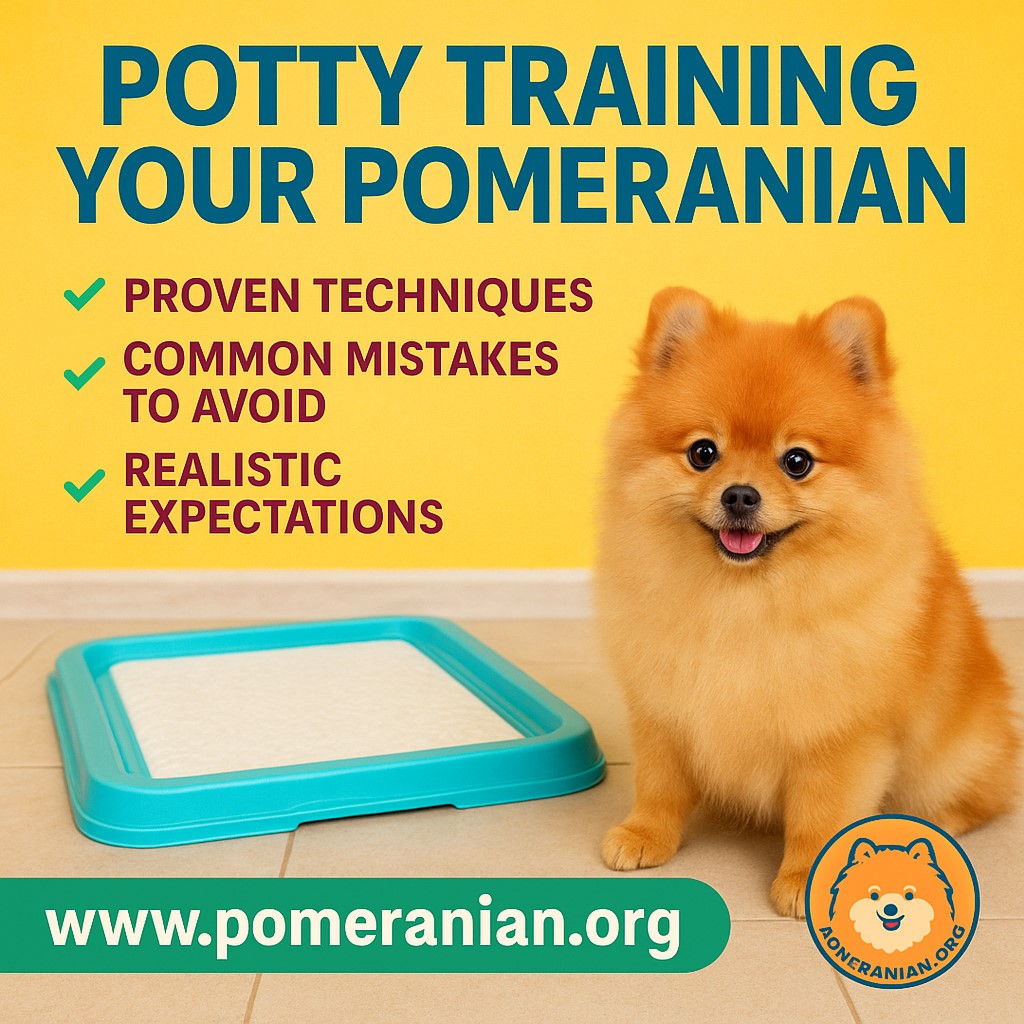
Credit: pomeranian.org
Step-by-step Training Process
Training older dogs to use pee pads requires patience and clear steps. The process helps your dog understand where to go. It builds trust and reduces accidents in the house. Follow these steps for a smooth transition.
Introducing The Pee Pad
Place the pee pad in a quiet, easy-to-find spot. Let your dog sniff and explore the pad. Keep the pad in the same place for consistency. Show your dog the pad after meals and naps. Use a calm voice to guide your dog near the pad.
Encouraging Use Through Positive Reinforcement
Reward your dog immediately after they use the pad. Use treats, praise, or gentle petting as rewards. Avoid punishment if your dog misses the pad. Positive feedback helps your dog learn faster. Repeat rewards to build a strong habit.
Establishing A Routine
Set regular times for your dog to use the pad. Common times include after eating, drinking, and waking up. Take your dog to the pad at these times. Stay close and watch for signs your dog needs to go. A routine creates clear expectations for your dog.
Managing Accidents Effectively
Clean accidents with an enzyme cleaner to remove odors. Avoid using ammonia-based cleaners that may attract your dog. Stay calm and do not scold your dog. Gently guide your dog to the pad after an accident. Consistency helps reduce accidents over time.
Common Challenges And Solutions
Training older dogs to use pee pads comes with unique challenges. These dogs have habits that can be hard to change. Understanding common problems helps find the right solutions. Patience and consistency are key for success.
Resistance To Using Pee Pads
Older dogs may resist new pee pad training. They feel comfortable with their old habits. The scent and texture of the pads can be unfamiliar. Some dogs avoid the pads because they dislike the smell.
To ease resistance:
- Place the pad in a quiet, accessible spot.
- Use treats and praise when the dog uses the pad.
- Gradually move the pad closer to the door if transitioning outside.
- Keep the pads clean and fresh to avoid bad smells.
Inconsistent Behavior
Older dogs might not use the pads every time. They can go back to old spots inside the house. Inconsistent behavior is common during training.
Ways to encourage consistency include:
- Set a regular schedule for bathroom breaks.
- Watch for signs like sniffing or circling to offer the pad.
- Reward the dog immediately after using the pad.
- Limit access to areas where accidents often happen.
Dealing With Anxiety Or Confusion
New routines can confuse older dogs. They might feel anxious about the change. This stress can cause accidents or refusal to use the pad.
Help your dog feel calm by:
- Creating a quiet and comfortable space for the pad.
- Using a calm voice and gentle touch during training.
- Keeping training sessions short and positive.
- Consulting a vet if anxiety seems severe or persistent.
Maintaining Good Habits Long-term
Maintaining good habits long-term is key to ensuring your older dog continues to use pee pads consistently. The initial training is only part of the journey; the real challenge lies in keeping those habits strong over time. By staying attentive and proactive, you can help your dog feel comfortable and confident in their routine.
Regular Cleaning And Replacement
Keeping the pee pad area clean is essential. Dogs are sensitive to smells, and a dirty pad can discourage them from using it. Make it a habit to change the pee pads frequently—at least once a day or whenever they become soiled.
Also, clean the surrounding area with pet-safe cleaners to remove any lingering odors. This simple step can prevent accidents outside the pad and keeps your dog interested in using the correct spot.
Monitoring Your Dog’s Health
Older dogs can develop health issues that affect their bathroom habits. Watch for signs like increased frequency, accidents outside the pad, or discomfort. These might indicate urinary tract infections, arthritis, or other conditions that need veterinary attention.
Keeping track of your dog’s health helps you adjust their training or care plan promptly. Have you noticed any changes in your dog’s behavior that could signal a health problem?
Adjusting Training As Needed
As your dog ages, their needs and abilities may change. You might need to move the pee pad to a more accessible spot or provide additional pads in different areas. Be flexible and patient with these adjustments.
Sometimes, reinforcing positive behavior with treats or praise can remind your dog of the right place to go. Think about what has worked well so far and what might need tweaking to fit your dog’s current lifestyle.

Credit: www.amazon.ca
Frequently Asked Questions
How Can I Start Training My Older Dog To Use Pee Pads?
Begin by placing pee pads in a quiet, accessible area. Use treats and praise when your dog uses the pad. Be patient and consistent to build positive habits over time.
What Is The Best Way To Encourage Older Dogs To Use Pee Pads?
Use positive reinforcement like treats and verbal praise immediately after your dog uses the pad. Avoid punishment to prevent fear or confusion. Consistency helps older dogs learn faster.
How Often Should I Change Pee Pads For Older Dogs?
Change pee pads daily or whenever they become soiled. Clean areas around the pad to avoid odor buildup. Fresh pads encourage your dog to use them consistently.
Can Older Dogs Easily Adapt To Pee Pads Indoors?
Yes, older dogs can adapt with patience and proper training. Consistent routines and positive reinforcement help them understand where to relieve themselves indoors.
Conclusion
Training older dogs to use pee pads takes time and patience. Keep routines simple and consistent for best results. Praise your dog often to encourage good habits. Watch for signs when your dog needs to go. Clean the pads regularly to keep the area fresh.
Small steps lead to big changes in behavior. Stay calm and positive throughout the training process. You and your dog can succeed together with care.