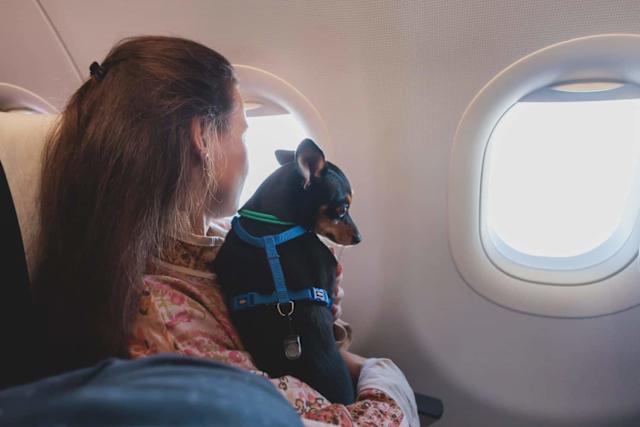

Traveling by plane with your dog can feel overwhelming. You want to make sure your furry friend is safe, comfortable, and happy throughout the trip.
But where do you start? What do you need to prepare? In this guide, you’ll discover simple, practical tips to make flying with your dog smooth and stress-free. Keep reading to learn how to turn your next flight into a positive experience for both you and your pet.

Credit: www.aol.com
Preparing For Air Travel
Preparing your dog for air travel takes more than just packing a bag. It requires careful planning and understanding the rules that airlines have for pets. Getting this right can make your journey smoother and less stressful for both you and your furry friend.
Choosing The Right Airline
Not all airlines treat pets the same way. Some allow small dogs in the cabin, while others require pets to travel in the cargo hold. Look for airlines known for their pet-friendly services, such as those offering climate-controlled cargo areas or additional pet amenities.
Think about your dog’s size, breed, and temperament. Would your dog handle a long flight in cargo, or would cabin travel be safer and less stressful? Checking airline reviews from other pet owners can give you insights that go beyond official policies.
Booking Pet-friendly Flights
Once you pick an airline, book your pet’s spot as early as possible. Many airlines limit the number of pets allowed in the cabin per flight. Waiting too long might mean your dog has to travel separately or on a different flight.
Choose direct flights whenever possible. Layovers can increase your dog’s anxiety and complicate the travel process. Also, consider flight times—avoiding early mornings or late nights can reduce your dog’s discomfort.
Understanding Airline Pet Policies
Every airline has its own rules about pet carriers, health certificates, and weight limits. Read these policies carefully and make a checklist of what you need to prepare. Missing a required document or using an incorrect carrier size can lead to denied boarding.
Some airlines require a recent health certificate from your vet, usually within 10 days of travel. Others have restrictions on certain breeds or require that pets be microchipped. Confirm these details well before your flight to avoid last-minute surprises.

Credit: www.aol.com
Health And Documentation
Traveling with a dog on a plane requires careful attention to health and documentation. These steps ensure a safe and smooth journey for your pet. Airlines and countries have rules to protect animals and passengers.
Proper preparation helps avoid last-minute problems at the airport. Knowing what documents and health checks are needed is important. Keep your dog’s health a priority before and during travel.
Visit To The Veterinarian
Schedule a vet visit at least two weeks before your flight. The vet will check your dog’s overall health. They look for signs of illness or stress that could affect travel.
Discuss your travel plans with the vet. Ask about any special care your dog may need. Get advice on calming your dog during the flight.
Required Health Certificates
Most airlines need a health certificate signed by a vet. This certificate proves your dog is fit to fly. It usually must be issued within 10 days of travel.
Check the airline’s specific requirements for health certificates. Some countries require additional documents for entry. Prepare these papers well before your trip.
Vaccinations And Preventive Care
Make sure your dog’s vaccinations are up to date. Common vaccines include rabies, distemper, and parvovirus. Some destinations require proof of rabies vaccination.
Talk to your vet about flea, tick, and worm prevention. These protect your dog from parasites during travel. Keep records of all vaccinations and treatments with you.
Packing Essentials For Your Dog
Traveling with your dog by plane can be a challenge. Packing the right essentials ensures a smooth journey. Careful preparation reduces stress for both you and your furry friend.
Selecting A Comfortable Carrier
The right carrier keeps your dog safe and relaxed. Choose a carrier with proper ventilation and enough space for your dog to move. The carrier should be airline-approved to avoid last-minute issues. Add a soft blanket or towel for comfort. Familiar smells can help ease anxiety.
Must-have Travel Supplies
Bring a leash and collar for easy handling before and after the flight. Pack waste bags to keep the environment clean. Consider a travel-sized first aid kit for emergencies. A favorite toy or chew can keep your dog occupied and calm. Don’t forget a copy of your dog’s health records.
Food And Water Tips
Pack enough food for the duration of the trip. Use airtight containers to keep food fresh. Consider a collapsible bowl for easy feeding. Offer small amounts of food to avoid an upset stomach during the flight. Ensure your dog stays hydrated by offering water at regular intervals. Use a non-spill water bowl to minimize mess.
Day Of The Flight
The day of the flight can be the most challenging part of traveling with your dog. It’s a mix of excitement and nerves, both for you and your furry friend. Proper preparation and calm management can turn this potentially stressful day into a smooth journey.
Preparing Your Dog Before Departure
Start the morning with a good walk to help your dog burn off some energy. Avoid feeding a large meal right before the flight to reduce the chance of nausea.
Bring familiar items like your dog’s favorite blanket or toy to provide comfort. Use a secure, well-ventilated carrier that your dog is already comfortable with.
Double-check all essentials: water, leash, and health documents. If your dog gets anxious, a quick session of gentle petting or calming treats can help keep them relaxed before leaving home.
Airport Security Procedures
At security, you will need to remove your dog from the carrier and carry them through the metal detector while the carrier goes through the scanner. This can be stressful, so keep your dog close and speak softly to reassure them.
Prepare by knowing the airport’s pet policies beforehand to avoid surprises. Have your dog’s paperwork handy for quick access during security checks.
Consider using a lightweight harness instead of a collar for better control during security screening. Remember, patience is key—everyone understands the extra care needed for pets.
Managing Stress During Boarding
Board early if possible to settle your dog calmly in their carrier before the cabin fills up. Keep the carrier under the seat in front of you and avoid unnecessary movement.
Talk softly and occasionally offer a small treat to keep your dog calm. If your dog shows signs of stress, try gentle massage through the carrier mesh.
Ask flight attendants about pet-friendly procedures on the plane—they often have helpful tips. Have you noticed how a calm voice can ease your dog’s anxiety? Your energy directly affects theirs, so stay relaxed.
In-flight Tips
Flying with your dog can be a smooth experience if you keep a few in-flight tips in mind. The key is to stay calm and prepared, so your furry friend feels safe and comfortable throughout the journey.
Keeping Your Dog Calm
Dogs can pick up on your anxiety, so start by staying relaxed yourself. Bring along their favorite blanket or toy to provide a sense of familiarity and security. Consider using a calming spray or pheromone diffuser designed for pets, but always test it before the trip to check for any adverse reactions.
Offer small treats and gentle praise during the flight to keep their mood positive. If your dog tends to get nervous, try short training sessions before the trip to help them get used to being in their carrier. Have you noticed how your pet reacts to new environments? Use that knowledge to plan how you’ll soothe them during the flight.
Handling In-cabin Vs Cargo Travel
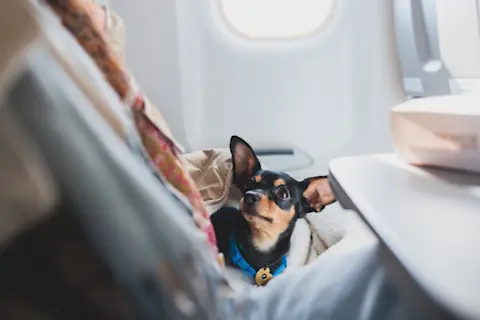
Traveling with your dog in the cabin means you can keep an eye on them, which often reduces stress for both of you. Make sure their carrier fits under the seat and is well-ventilated. Bring a collapsible water bowl so they can stay hydrated without needing to leave your seat.
Cargo travel is more challenging because your dog is out of sight and in a separate area. Choose direct flights to minimize time spent in cargo, and label the carrier with your contact details and “Live Animal” stickers. Ask the airline about their specific handling procedures to ensure your dog’s safety.
Dealing With Emergencies
Emergencies can happen, so be prepared with a small pet first aid kit that includes bandages, antiseptic wipes, and any medications your dog may need. Know the location of the nearest veterinary services at your destination before you fly. Keep your dog’s health records and emergency contacts easily accessible.
Stay calm if your dog shows signs of distress or illness during the flight. Alert the flight attendants immediately—they are trained to assist with pet emergencies. How would you react if your dog suddenly became unwell in the air? Having a plan can make all the difference.
After The Flight
After your flight, your dog’s needs continue to be a priority. The journey can be stressful for them, so taking the right steps once you land is essential. How you care for your dog immediately after the flight can make a big difference in their comfort and adjustment.
Post-flight Care
Right after landing, give your dog some water to help with dehydration. Avoid feeding them a full meal immediately; a small snack is better until they settle. Check for signs of stress or discomfort—panting, pacing, or lethargy might mean they need a quiet spot to relax.
Take your dog out for a bathroom break as soon as possible. Stretching their legs and relieving themselves helps reduce anxiety. If your pet seems overly tired or restless, a gentle walk can help them regain energy and calm down.
Customs And Arrival Procedures
Prepare for customs checks by having all your dog’s documents ready—vaccination records, health certificates, and identification tags. Different countries have specific rules; some may require additional inspections or quarantine. Knowing these details beforehand saves you time and stress.
Stay calm and patient during customs. Your dog will pick up on your emotions, so a steady demeanor helps them stay relaxed. Ask customs officers if you need assistance or clarification about their procedures.
Adjusting To The New Environment
New sights, sounds, and smells can overwhelm your dog after travel. Give them time to explore their new surroundings at their own pace. Setting up a familiar space with their bed, toys, and blankets creates a safe zone that comforts them.
Watch your dog closely for changes in behavior or appetite over the first few days. Gradually introduce new routines like walks, feeding times, and play sessions. How you manage this transition influences how quickly your dog feels at home.
Credit: www.discovermagazine.com
Frequently Asked Questions
How Can I Prepare My Dog For Air Travel?
Start by visiting the vet for a health check and vaccinations. Get a comfortable, airline-approved carrier. Practice short trips in the carrier. Pack essentials like water and treats. Familiarize your dog with airport noises to reduce anxiety.
What Are The Airline Rules For Flying With Dogs?
Each airline has specific pet policies, including carrier size and fees. Check the airline’s website for pet travel guidelines. Some airlines require health certificates issued within 10 days before travel. Book your dog’s spot early, as there are limits on pets per flight.
Can Small Dogs Travel In The Cabin With Me?
Yes, most airlines allow small dogs in the cabin. Your pet must fit in a carrier under the seat. Weight limits usually range from 15 to 20 pounds. Confirm the size and weight restrictions with your airline before booking.
How Do I Keep My Dog Calm During The Flight?
Keep your dog comfortable with familiar blankets and toys. Speak softly to reassure your pet. Avoid feeding your dog right before the flight to prevent nausea. Consider natural calming aids but consult your vet first. Stay calm yourself to help your dog relax.
Conclusion
Traveling with your dog on a plane takes some planning. Pack all needed items to keep your pet calm and safe. Follow airline rules carefully to avoid last-minute problems. Choose a comfortable carrier that fits airline requirements. Give your dog time to get used to the travel crate.
Stay calm and patient throughout the journey. Your dog will feel more secure with you relaxed. Enjoy your trip knowing you prepared well for your furry friend. Safe travels make the experience better for both you and your dog.

