Are you wondering if raw dog food is the right choice for your older dog? As dogs age, their nutritional needs change, and what worked when they were younger might not be the best now.
You want to give your furry friend the best care possible, and diet plays a huge role in their health and happiness. But is raw dog food really good for older dogs? Keep reading to discover the surprising benefits and important things you should know before making a switch.
Your dog’s well-being could depend on it.

Credit: jiminys.com
Benefits Of Raw Food For Senior Dogs
Feeding raw food to senior dogs offers several health benefits. Older dogs often face digestive issues and nutrient absorption problems. Raw diets can support their changing needs and improve overall well-being.
Improved Digestion And Nutrient Absorption
Raw food contains natural enzymes that help break down food easily. This supports better digestion in older dogs. Improved digestion means dogs get more nutrients from their meals. It reduces stomach upset and constipation, common in senior dogs. A balanced raw diet supports gut health and regular bowel movements.
Enhanced Energy And Vitality
Raw diets provide high-quality proteins and fats that fuel aging muscles. This helps older dogs maintain strength and mobility. Many owners notice increased energy levels after switching to raw food. Vital nutrients in raw meals support healthy organ function. This can lead to a more active and happier senior dog.
Better Coat And Skin Health
Raw food contains essential fatty acids like omega-3 and omega-6. These fats improve skin hydration and reduce itchiness in senior dogs. A shiny, soft coat often appears with a raw diet. Vitamins and minerals in raw food support skin repair and health. This helps older dogs look and feel better every day.
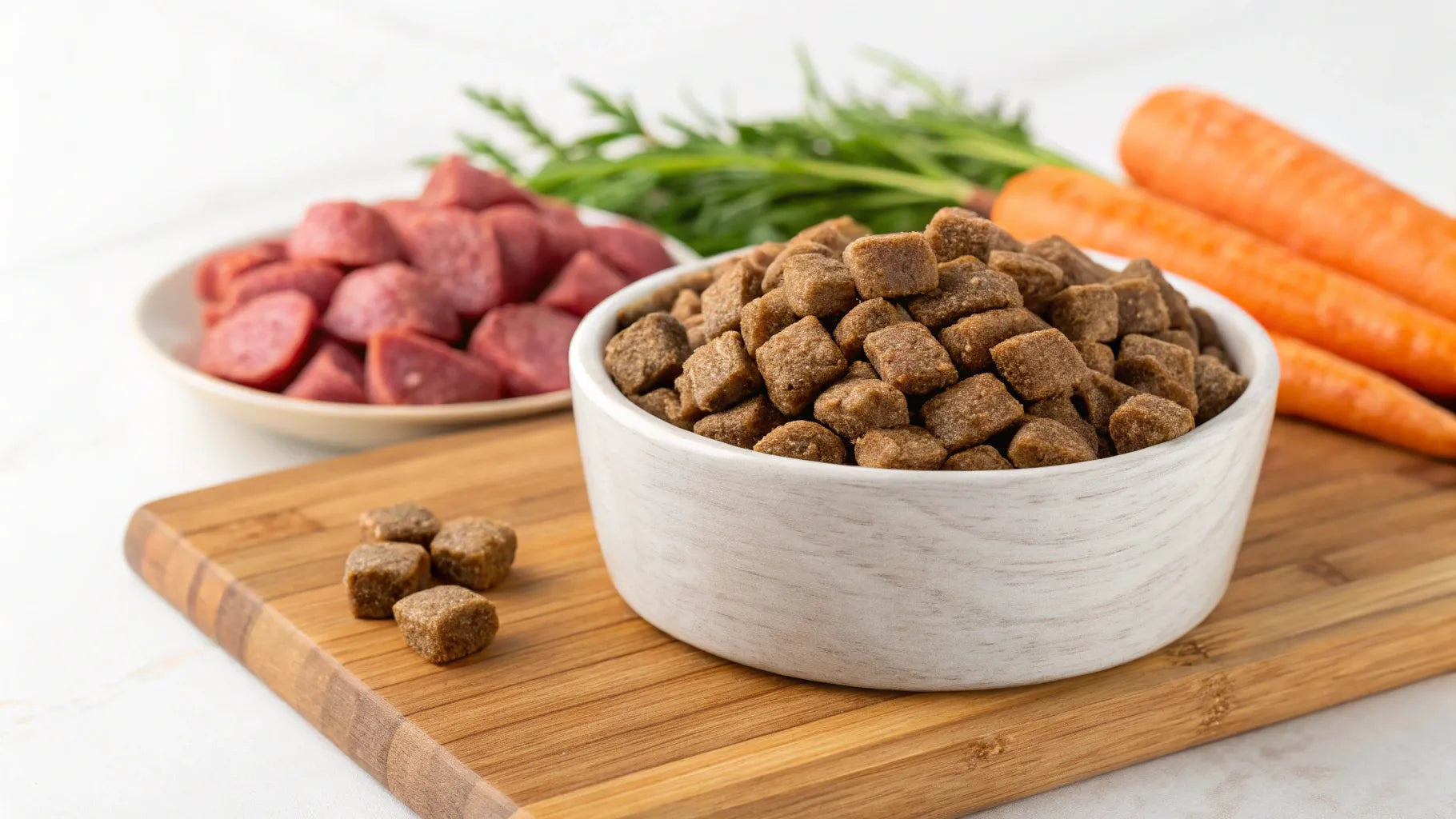
Credit: www.houndsy.com
Potential Risks And Concerns
Feeding raw dog food to older dogs has some risks. These risks matter more as dogs age and their health changes. Knowing these concerns helps you make safer choices for your pet’s diet.
Bacterial Contamination And Safety
Raw meat can carry bacteria like Salmonella and E. coli. These bacteria can harm your dog and your family. Older dogs have weaker immune systems, so they get sick easier. Handling raw food needs careful cleaning and storage. Always buy from trusted sources to reduce risk.
Nutritional Imbalances
Raw diets may lack important nutrients or have too much of some. Older dogs need balanced vitamins, minerals, and protein. Missing or excess nutrients can cause health problems. Consult a vet or pet nutritionist to create a complete raw diet plan.
Suitability For Dogs With Health Issues
Older dogs often have health problems like kidney disease or arthritis. Raw food may not suit these conditions. Some ingredients can worsen health issues or interfere with medications. Always check with your vet before switching to raw food for sick or older dogs.
Choosing The Right Raw Diet
Older dogs may benefit from raw food that supports digestion and joint health. Choosing the right diet helps maintain energy and overall well-being. Always consider your dog’s specific needs and consult a vet for best results.
Choosing the right raw diet for older dogs can be challenging. Their nutritional needs differ from younger dogs. A well-balanced raw diet can support their health and vitality. It’s important to consider their specific needs and preferences.Essential Nutrients For Older Dogs
Older dogs require specific nutrients to maintain their health. Protein is crucial for muscle maintenance. Healthy fats provide energy and support brain health. Vitamins and minerals strengthen their immune system. Calcium and phosphorus are vital for bone health. Ensure their diet includes these essential components.Commercial Vs. Homemade Raw Food
Deciding between commercial and homemade raw food depends on your dog’s needs. Commercial raw food is convenient. It’s often balanced and easy to serve. Homemade raw food gives you control over ingredients. It allows you to tailor meals to your dog’s specific requirements. Both options have their benefits and challenges.Consulting Your Veterinarian
Consulting your veterinarian is crucial before starting a raw diet. They can assess your dog’s health and nutritional needs. They provide guidance on suitable food choices. Regular check-ups ensure your dog’s diet remains balanced. A vet’s expertise is invaluable for your dog’s well-being.
Credit: www.businessinsider.com
Transitioning To Raw Food
Transitioning your older dog to a raw food diet requires patience and careful planning. Sudden changes can upset their digestive system, so a gradual switch is essential. Paying close attention to how your dog reacts will help you adjust the diet to meet their specific needs.
Step-by-step Switching Process
Start by mixing a small amount of raw food with your dog’s current diet. For example, begin with 10% raw food and 90% regular food for about three days.
Gradually increase the raw portion every few days while decreasing the old food. By two weeks, your dog should be eating mostly raw food if they tolerate it well.
Keep the raw food fresh and properly stored to avoid spoilage. This process minimizes digestive upset and helps your dog get used to new textures and flavors.
Monitoring Your Dog’s Response
Watch for changes in stool quality, energy levels, and appetite. If you notice diarrhea, vomiting, or loss of interest in food, slow down the transition.
Also, observe your dog’s coat and skin condition. A shiny coat and healthy skin often indicate the diet is working well.
Ask yourself: Is my dog more energetic or lethargic? Are there any signs of discomfort? These clues will guide you in making adjustments.
Adjusting Portions And Ingredients
Not all raw foods suit every dog, especially older ones with specific health concerns. You might need to tweak protein sources or add supplements like fish oil for joint health.
Portion sizes may need to be smaller initially or divided into more frequent meals to aid digestion.
Remember, your dog’s preferences and nutritional needs can change during the transition. Don’t hesitate to experiment with different ingredients and amounts until you find the right balance.
Expert Tips For Feeding Senior Dogs
Feeding senior dogs a raw diet can bring many benefits, but it requires careful attention. Older dogs have different nutritional needs and sensitivities. Understanding how to feed them properly can improve their health and vitality.
Maintaining Hygiene And Food Safety
Raw food can carry bacteria that may harm your senior dog or you. Always wash your hands before and after handling raw meat. Clean your dog’s bowls and utensils thoroughly with hot, soapy water after each meal.
Store raw food in airtight containers in the fridge or freezer to prevent spoilage. Avoid leaving raw food out for too long, especially in warm weather. Have you noticed any digestive upset after feeding raw meals? This could signal a hygiene issue.
Balancing Raw With Other Diets
Raw feeding doesn’t mean you have to exclude all other food types. Mixing raw with cooked or commercial diets can help balance nutrients. For example, adding cooked vegetables or supplements can support joint health and digestion.
Some older dogs may struggle with pure raw diets due to dental problems or sensitive stomachs. You can blend raw meat with softened kibble or canned food. Have you tried rotating different food types to see what your dog prefers?
Recognizing Signs Of Improvement Or Issues
Watch your dog closely after switching to raw food. Positive signs include shinier coat, more energy, and better digestion. But be alert for diarrhea, vomiting, or weight loss, which could mean the diet isn’t working.
Keep a journal of your dog’s reactions to new meals. This helps you spot patterns and make informed changes. Are you ready to adjust the diet based on your dog’s feedback?
Frequently Asked Questions
Is Raw Dog Food Safe For Older Dogs?
Raw dog food can be safe for older dogs if prepared properly. It provides natural nutrients and supports digestion. Consult your vet to ensure it fits your dog’s health needs and avoid bacteria risks through proper handling.
What Are The Benefits Of Raw Food For Senior Dogs?
Raw food offers improved coat shine, better digestion, and increased energy. It contains natural enzymes and nutrients that support aging joints and overall health in senior dogs.
Are There Risks Feeding Raw Food To Older Dogs?
Risks include bacterial contamination and nutritional imbalances. Older dogs with weak immune systems may be more vulnerable. Always source quality ingredients and consult a vet before switching diets.
How To Transition Older Dogs To Raw Food Safely?
Transition gradually over 7-10 days by mixing raw with current food. Monitor your dog’s reaction and digestion closely. Slow changes reduce digestive upset and help them adapt comfortably.
Conclusion
Raw dog food can offer benefits for older dogs’ health. It provides natural nutrients and supports digestion. Some dogs feel more energetic and have shinier coats. But every dog is different. Watch your dog closely after changing food. Talk to your vet to ensure safety and balance.
Choosing the right diet helps your dog age well. Keep your dog’s needs in mind. A healthy diet means a happy, active older dog. Give your dog the care it deserves.