

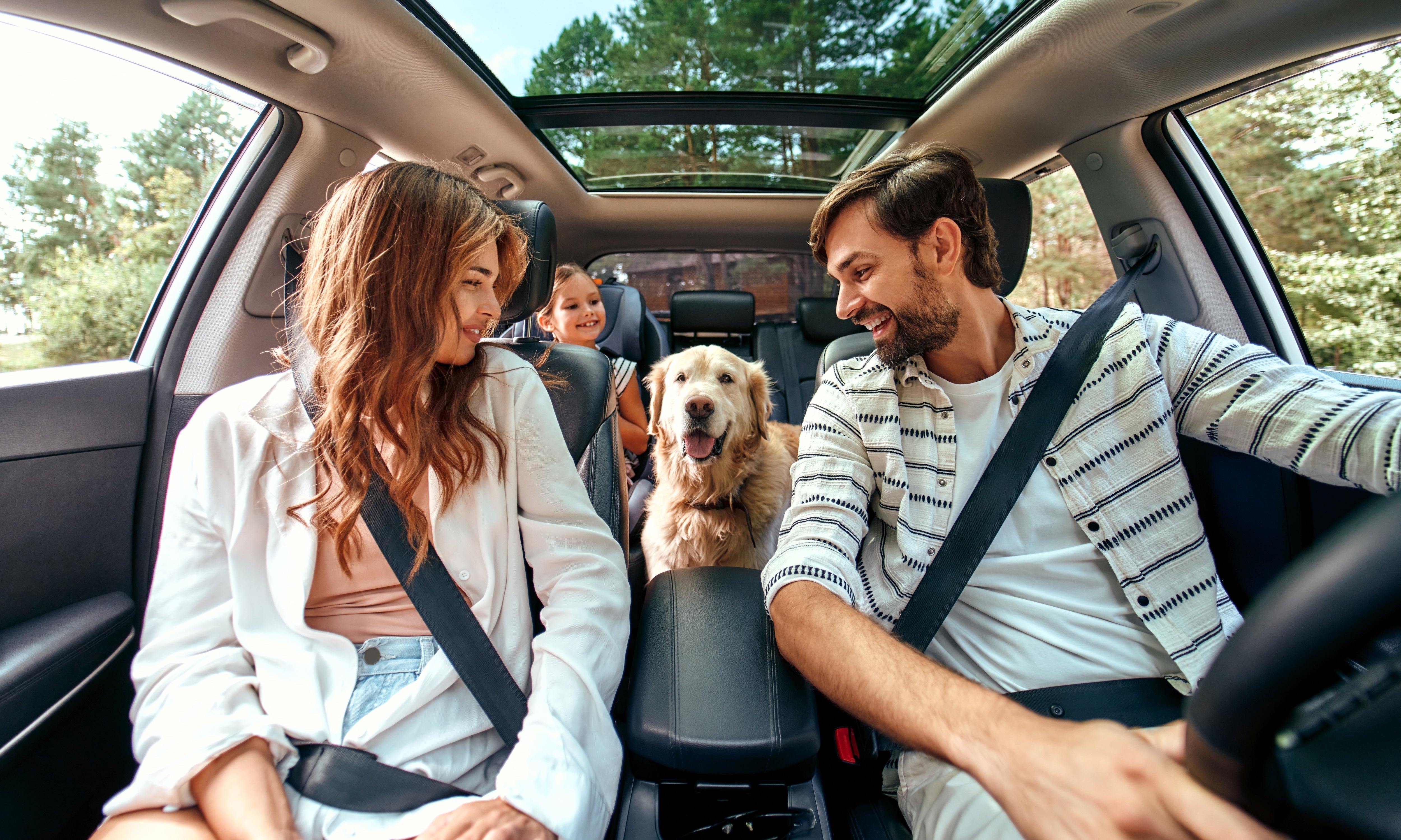
Are you planning a road trip with your furry friend? Traveling in a car with a dog can be a fun and rewarding experience, but it also comes with its own set of challenges.
Whether your dog gets anxious, restless, or easily distracted, knowing how to prepare can make all the difference. You’ll discover simple tips and tricks to keep your dog comfortable and safe, while making your trip smooth and enjoyable for both of you.
Ready to make your next car ride a tail-wagging adventure? Keep reading!
Credit: animoetc.com
Preparing Your Dog For The Trip
Preparing your dog for a car trip is key to making the journey comfortable and safe for both of you. Dogs can get anxious or restless in unfamiliar settings, so getting them ready beforehand helps reduce stress and ensures a smoother ride. Let’s look at how you can get your furry friend set up for travel success.
Health Check And Vaccinations
Before hitting the road, schedule a vet visit to ensure your dog is healthy enough to travel. Ask your vet to check for any conditions that might make the trip risky, like ear infections or motion sickness. Keeping vaccinations up to date protects your dog from diseases, especially if you’ll be stopping at pet-friendly places or visiting new areas.
Have you ever noticed how a sick pet reacts differently on the road? Avoid surprises by getting a clean bill of health first. Also, ask the vet about any medications or calming aids that might help during travel.
Familiarizing Your Dog With The Car
Many dogs feel uneasy in cars because it’s a new environment. Start by letting your dog explore the parked car. Open the doors and let them sniff around without turning on the engine. Reward calm behavior with treats or praise to create a positive association.
Once your dog is comfortable, take short drives around the block. Gradually increase the length of these trips. This approach helps your dog adjust and reduces anxiety during longer journeys.
Packing Essentials For Your Pet
Think about what your dog needs to stay happy and healthy on the road. Pack a travel bag including:
- Water and a portable bowl
- Favorite toys or comfort items
- Leash and waste bags
- Food and treats
- Any medications your dog takes
- A blanket or bed for familiar scents
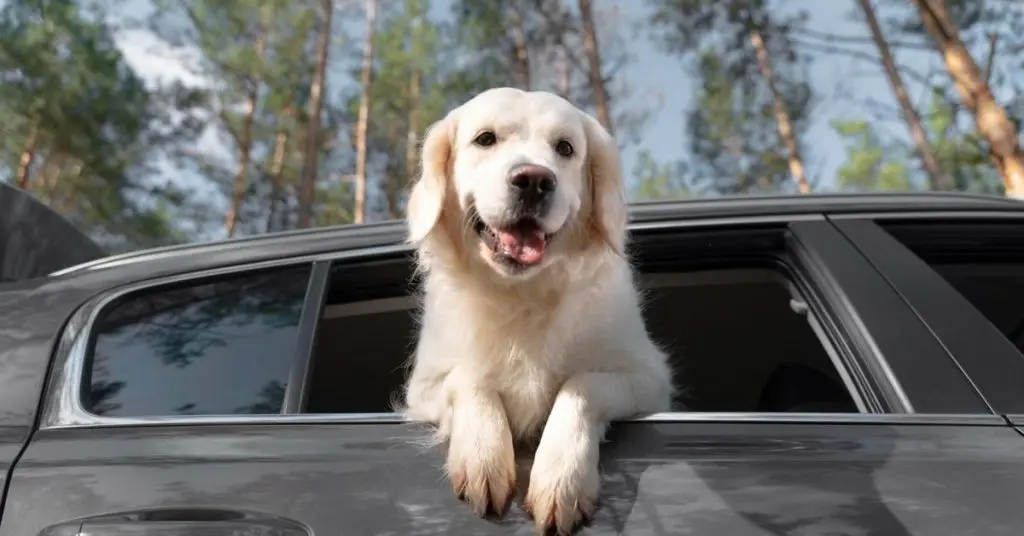
Do you know what your dog’s go-to comfort item is? Bringing familiar things can reduce stress and keep your dog calm. Don’t forget to plan for bathroom breaks and hydration stops along the way.
Credit: www.vevor.com
Safety Measures During The Drive
Traveling in a car with a dog requires careful attention to safety. Protecting your pet and yourself during the drive helps ensure a smooth trip. Simple safety measures prevent accidents and keep your dog calm and secure.
Using Proper Restraints
Secure your dog with a proper restraint. Use a dog seat belt, harness, or a travel crate. These tools stop your dog from moving around freely. They reduce injury risk in sudden stops or crashes. Avoid holding your dog on your lap while driving. Safety restraints keep both driver and pet safe.
Maintaining Comfortable Temperature
Keep the car temperature comfortable for your dog. Use air conditioning or open windows slightly. Avoid leaving your dog in a parked car alone. Temperatures can rise quickly and cause heatstroke. Watch for signs of discomfort like panting or restlessness.
Avoiding Distractions While Driving
Do not let your dog distract you while driving. Keep your dog restrained and calm. Do not allow your dog to stick its head out the window. Focus fully on the road to prevent accidents. Plan breaks to let your dog stretch and relieve stress.
Planning Breaks And Exercise
Taking regular breaks during car trips helps your dog stretch and relieve stress. Short walks and light exercise keep your pet happy and healthy on the road. Frequent stops also prevent restlessness and make the journey more enjoyable for both of you.
Traveling with your dog can be a joyful experience. For a smooth journey, plan breaks and exercise. This keeps your furry friend comfortable and happy. Regular stops help prevent restlessness and anxiety. Allow your dog to stretch and rehydrate. Choose pet-friendly rest areas for safe and enjoyable breaks.Scheduling Regular Stops
Schedule stops every two to three hours. This gives your dog a chance to relieve themselves. It also helps them burn off some energy. Frequent breaks reduce boredom and anxiety. A planned stop helps maintain a peaceful journey.Letting Your Dog Stretch And Hydrate
During each stop, let your dog stretch their legs. This prevents stiffness and discomfort. Ensure they have access to fresh water. Hydration is crucial for their health and well-being. Carry a portable bowl for easy access to water.Finding Pet-friendly Rest Areas
Research pet-friendly rest areas before your trip. These areas provide a safe space for your dog. They often include grassy spots and waste disposal facilities. A comfortable environment ensures a pleasant break for both of you.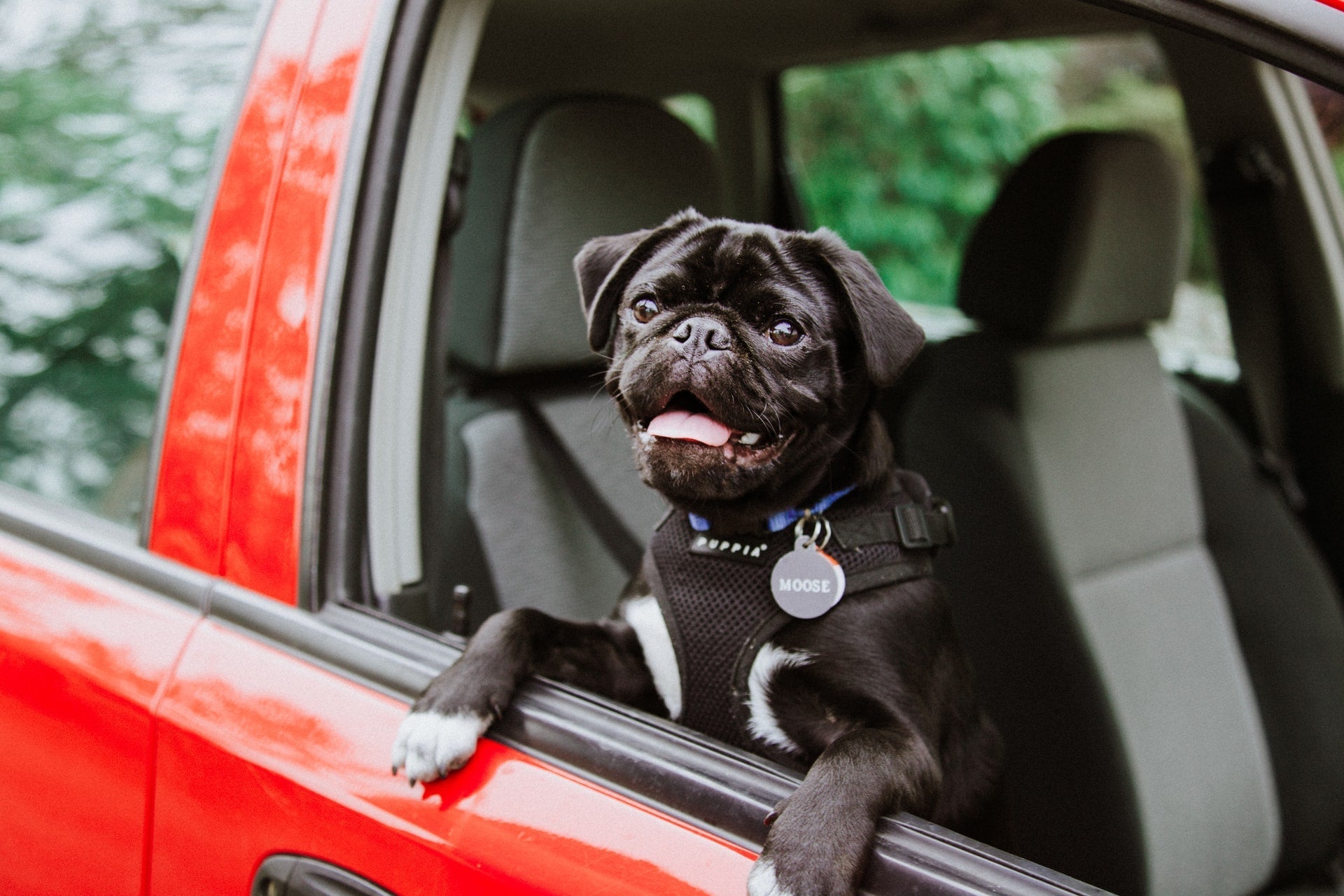
Credit: www.pethonesty.com
Feeding And Hydration Tips
Keeping your dog well-fed and hydrated during car trips is essential for their comfort and safety. Proper feeding and water intake can prevent discomfort and potential health issues. Let’s look at how to manage your dog’s meals and water to keep them happy on the road.
Timing Meals Before And During Travel
Feed your dog a light meal about 3-4 hours before you start driving. This reduces the chance of nausea and motion sickness. Avoid heavy meals right before the trip, as a full stomach can make your dog uncomfortable.
If your trip lasts several hours, plan small, easy-to-digest snacks instead of large meals. Dry kibble or dog treats are good options. This keeps their energy up without causing digestive upset.
Providing Fresh Water
Always bring plenty of fresh water and a portable bowl. Offer water regularly, especially if it’s hot outside or your dog is panting a lot. Dehydration can sneak up quickly during travel.
Don’t let your dog drink from unfamiliar outdoor sources during stops. This can expose them to bacteria or harmful chemicals. Instead, refill their bowl with clean water you bring along.
Avoiding Motion Sickness
Motion sickness is common in dogs and can make travel stressful. If you notice drooling, whining, or restlessness, your dog might be feeling sick. Try to keep the car cool and well-ventilated to ease symptoms.
Before a long trip, you can consult your vet about motion sickness remedies. Some dogs benefit from natural supplements or medication. Have you observed any signs of motion sickness in your dog during travel? Adjusting feeding and hydration might reduce it.
Dealing With Common Travel Issues
Traveling with a dog in a car can bring many joys and challenges. Common travel issues may arise that need quick attention. Being prepared helps make the trip smooth and comfortable for both of you.
Managing Anxiety And Stress
Dogs often feel nervous during car rides. They may whine, shake, or try to escape. Creating a calm environment helps reduce anxiety.
- Use a familiar blanket or toy.
- Speak in a soft, soothing voice.
- Stop for short breaks to stretch and relax.
- Keep the car temperature comfortable and avoid loud noises.
- Try gentle massage or calming sprays designed for dogs.
Handling Accidents Or Car Sickness
Some dogs get car sick or have accidents in the car. Preparing for this avoids stress and mess.
- Limit food intake before travel to prevent nausea.
- Use absorbent pads or seat covers for easy cleanup.
- Keep water available but in small amounts during the trip.
- Talk to your vet about motion sickness medicine if needed.
- Open windows slightly for fresh air circulation.
Keeping Your Dog Entertained
Boredom can make dogs restless or anxious during long drives. Keeping them busy keeps the mood positive.
- Bring favorite chew toys or puzzle feeders.
- Play soft music or nature sounds to soothe them.
- Talk or sing to your dog to provide comfort.
- Plan stops for quick walks and playtime.
- Rotate toys to maintain interest throughout the trip.
Legal And Ethical Considerations
Traveling by car with a dog needs careful thought about laws and ethics. Safety and respect guide a smooth trip. Knowing what rules to follow and how to behave helps avoid trouble. Preparation makes travel safer for pets and people.
Knowing Travel Regulations
Different places have different rules about traveling with dogs. Some require dogs to be in a crate or wear a seatbelt. Certain areas ban dogs from specific spots like beaches or parks. Check local laws before the trip. Carry your dog’s vaccination papers and ID tags. These documents might be asked for by authorities.
Respecting Wildlife And Other Travelers
Keep your dog on a leash in natural areas. Dogs can scare or harm wildlife. Other travelers may fear or dislike dogs. Avoid noisy behavior that disturbs others. Clean up your dog’s waste to keep places clean. Respecting nature and people keeps everyone happy.
Being Prepared For Emergencies
Bring a first aid kit made for pets. Know the location of nearby animal hospitals or vets. Have water, food, and any medicines your dog needs. A charged phone helps in case of emergency calls. Plan breaks to let your dog stretch and relieve stress. Being ready can save your dog’s life.
Frequently Asked Questions
How To Keep My Dog Safe In A Car?
Use a well-fitted dog seat belt or crate. Secure your dog in the back seat. Avoid letting your dog roam freely inside the vehicle. This prevents distractions and injuries during sudden stops.
What Are Essential Items For Traveling With A Dog?
Bring water, a bowl, leash, waste bags, and favorite toys. Pack a dog first-aid kit and travel documents. These items ensure your dog stays comfortable, hydrated, and entertained on the trip.
How Often Should I Stop For Dog Breaks?
Stop every 2-3 hours for bathroom and exercise breaks. Walk your dog to stretch legs and relieve stress. Regular breaks help prevent discomfort and anxiety during long drives.
Can Dogs Get Car Sick And How To Help?
Yes, dogs can experience motion sickness. To help, keep car cool and well-ventilated. Avoid feeding your dog right before the trip. Consult your vet for medication if needed.
Conclusion
Traveling by car with your dog can be fun and safe. Plan breaks often for your dog to stretch and drink water. Keep your pet secured to avoid distractions. Bring favorite toys or blankets for comfort. Watch your dog’s behavior during the trip.
Stay calm, and your dog will feel calm too. Small steps lead to happy journeys together. Enjoy every moment on the road with your furry friend. Safe travels!


