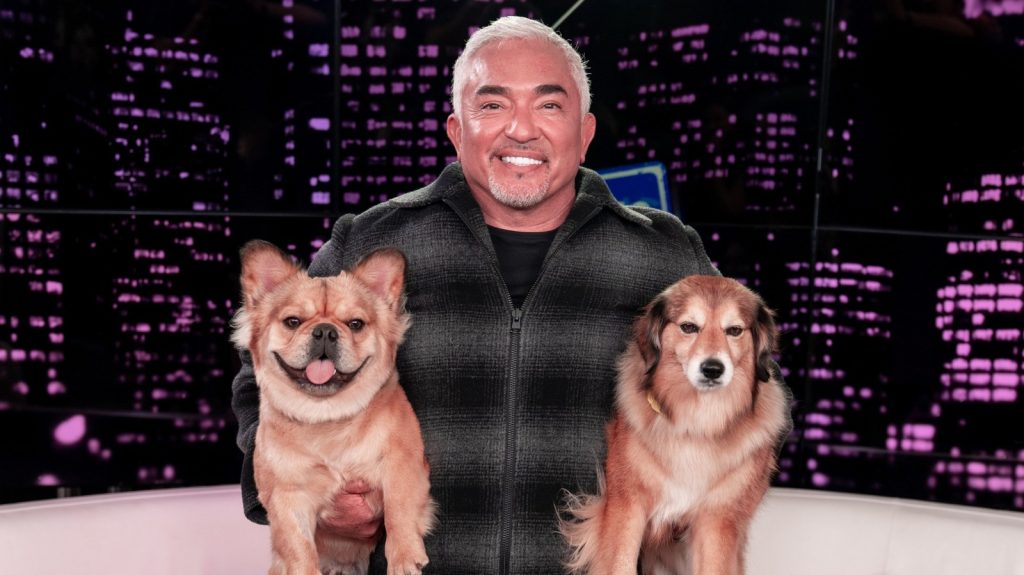

Are you wondering if Cesar Millan is really the right dog trainer for you and your furry friend? With so many trainers out there, it’s easy to feel overwhelmed and unsure who to trust.
Cesar Millan’s name pops up everywhere, but does his approach truly work for your dog’s unique needs? Keep reading to discover the truth about his training methods and whether they could help you build a stronger bond with your dog.
You might be surprised by what you learn.

Credit: www.thelist.com
Cesar Millan’s Training Philosophy
Cesar Millan’s training philosophy centers on understanding the dog’s natural instincts and the energy that both dogs and owners bring to their interactions. His approach emphasizes balance, communication, and leadership, aiming to build trust and respect rather than rely on punishment. This philosophy challenges you to think about how your own behavior influences your dog’s actions every day.
Core Principles
Cesar believes that dogs are pack animals who look for a leader to feel secure. Your role as a pack leader means setting clear rules and boundaries that your dog can understand and follow easily.
Consistency is key. Dogs thrive when they know what to expect from you, so daily routines and clear expectations make training more effective.
Another core principle is exercise, discipline, and affection, in that order. This sequence helps your dog release excess energy, learn structure, and receive love, making them more balanced and happy.
Focus On Energy And Calm Assertiveness
Energy plays a huge role in how your dog reacts. Cesar teaches that dogs respond more to how you feel than what you say. If you approach training with calm assertiveness, your dog is more likely to listen and respect you.
This means being confident but not aggressive. Imagine how your dog feels when you’re tense or anxious—do you think they feel safe or uncertain?
Maintaining calm assertiveness helps you set the tone for every interaction. Instead of shouting or forcing commands, your steady energy encourages your dog to follow your lead naturally.
Techniques Used By Cesar Millan
Cesar Millan’s techniques focus on understanding dogs’ natural behavior. He believes in calm, assertive energy to guide dogs. His methods combine body language, exercise, and discipline. These help create balance and respect between dogs and owners.
Use Of Body Language
Cesar Millan uses body language as a key communication tool. Dogs read human body signals more than words. He teaches owners to stay calm and confident. This helps dogs feel secure and follow commands better. Small gestures can show leadership and control. His approach shows that dogs respond to energy more than voices.
Role Of Exercise And Discipline
Exercise plays a major role in Millan’s training method. Physical activity helps dogs release extra energy. A tired dog behaves better and listens more. Discipline is about setting clear rules and limits. Consistency in discipline builds respect and trust. It helps dogs understand their place in the family pack. Regular walks and playtime are part of his routine.
Criticism Of Dominance Approach
Millan’s dominance theory has faced criticism from some experts. Some say it can lead to fear or aggression in dogs. Critics argue that harsh control is not always effective. They prefer reward-based training for better results. The debate continues about which method works best. Understanding each dog’s personality is important in training. Millan’s approach suits some dogs but not all.
Expert Opinions On Millan’s Methods
When discussing Cesar Millan, the renowned dog trainer known for his TV show “The Dog Whisperer,” opinions among experts are often divided. While some trainers and dog owners praise his methods for transforming unruly pets into obedient companions, others voice concerns about the implications of his techniques on canine welfare. Understanding these diverse perspectives can help you form your own opinion about Millan’s approach to dog training.
Support From Some Trainers
Cesar Millan has a substantial following among trainers who appreciate his emphasis on establishing leadership and authority. Many trainers admire his ability to communicate non-verbally with dogs, which can be incredibly effective in certain situations. By watching Millan work, they see the potential for transforming a chaotic household into a harmonious environment.
For instance, a friend of mine, who struggled with her dog’s excessive barking, found success after implementing some of Millan’s techniques. She valued the simplicity and practicality of his advice, which didn’t require expensive tools or complex commands. Have you ever tried adopting a leader-of-the-pack mindset with your pet?
Concerns Raised By Behaviorists
On the flip side, many animal behaviorists raise concerns about Millan’s methods, emphasizing the potential for harm. Critics argue that his reliance on dominance and physical corrections can lead to stress and fear in dogs. They advocate for positive reinforcement strategies that focus on rewarding good behavior rather than punishing bad behavior.
Behaviorists worry that Millan’s techniques might encourage people to overlook the underlying causes of a dog’s behavior. For example, a dog exhibiting aggression might be reacting to fear or past trauma, which requires a gentle and understanding approach. Does this make you reconsider how you address behavioral issues with your pet?
Understanding these expert opinions can help you decide which training methods align with your values and your dog’s needs. Whether you lean towards Millan’s approach or prefer alternative methods, the key is to ensure that your dog feels safe and understood.
Effectiveness For Different Dog Behaviors
Cesar Millan’s dog training approach targets various dog behaviors. His methods aim to create balance and calm in dogs. Effectiveness depends on the dog’s personality and the issue at hand. His techniques focus on energy, body language, and leadership.
Many dog owners find his methods clear and practical. Others think some techniques may not suit all dogs. Let’s explore how well Cesar’s training works for different behaviors.
Handling Aggression
Cesar Millan uses calm-assertive energy to manage aggression. He advises establishing clear rules and boundaries. Dogs learn to respect leadership, reducing aggressive tendencies. His approach often includes controlled exposure to triggers. This helps dogs become less reactive over time. Some trainers warn that this method needs careful handling. Aggression in dogs is complex and may require professional help. Cesar’s style can work but must be applied safely and consistently.
Dealing With Anxiety
Cesar’s training helps anxious dogs by promoting calm energy. He encourages exercise and mental stimulation to reduce stress. Consistent routines also soothe anxious dogs. His techniques teach dogs to trust their owners more. This trust lowers fear and nervousness. Some dogs respond quickly, showing less anxiety. Others may need additional support like therapy or medication. His methods often serve as part of a broader plan to ease anxiety.
Training Puppies
Puppy training with Cesar Millan focuses on early socialization. He stresses the importance of exercise and discipline from a young age. Puppies learn basic commands and proper behavior through repetition. Cesar promotes gentle but firm guidance for puppies. He encourages owners to be calm leaders for their young dogs. This helps puppies grow into well-behaved adults. His techniques support building a strong bond between puppy and owner. Training early sets a good foundation for the future.
Ethical Considerations In Training
Ethical considerations are crucial when evaluating any dog trainer’s methods. Training isn’t just about obedience; it’s about respecting the dog’s feelings and well-being. How you train can shape your dog’s trust and happiness long after lessons end.
Welfare Of The Dog
Ensuring your dog’s welfare means watching closely for signs of stress or discomfort during training. Cesar Millan’s approach often involves correcting behavior through dominance and pressure, which some trainers argue can cause fear or anxiety. Have you noticed your dog’s body language changing—like tail tucking or lip licking—during certain training moments? These subtle cues matter.
Your dog’s emotional state affects how well they learn. Training that prioritizes physical and mental health creates a strong bond. Think about whether a method makes your dog eager to participate or hesitant to engage.
Positive Reinforcement Alternatives
Positive reinforcement focuses on rewarding good behavior rather than punishing the bad. This method uses treats, praise, or play to encourage your dog, leading to a joyful learning experience. You might find that your dog responds faster and with more enthusiasm when they know good things are coming.
Have you tried using treats or toys to guide your dog’s behavior? Small rewards can turn training into a game, making lessons less stressful for both of you. Many trainers recommend this approach because it builds confidence without fear.
Consider how rewarding your dog rather than correcting them could change your training results. Could shifting your focus to positive reinforcement create a happier dog and a more enjoyable training process?

Credit: www.petage.com
Cesar Millan’s Impact On Popular Culture
Cesar Millan has shaped how many people think about dogs and training. His work brought dog behavior into homes worldwide. This influence extends beyond just training techniques. It affects how people see their pets and interact with them daily.
Television Influence
Cesar Millan’s show reached millions of viewers globally. It made dog training accessible to everyday people. His calm and confident style stood out on screen. The show often featured dogs with behavior problems. Viewers saw practical solutions in real-time. This exposure made dog training popular and interesting. Many dog owners felt empowered to try new methods.
Public Perception Of Dog Training
Before Cesar, dog training was often seen as difficult. Many thought only experts could handle problem dogs. Cesar changed this view by showing simple, clear steps. People started to understand dog psychology better. His focus on energy and body language caught attention. Some critics debated his methods, but his impact is clear. He helped make dog training a common topic. Now, more people care about dog behavior and well-being.
Tips For Choosing A Dog Trainer
Choosing the right dog trainer can shape your dog’s behavior and happiness. Trainers use various techniques, so knowing what fits your dog is key. Focus on clear signs of expertise and communication style.
Good trainers help you understand your dog better. They guide you with patience and clear steps. Finding a trainer who matches your dog’s personality helps improve training results.
Credentials To Look For
- Certification from recognized dog training organizations
- Experience with different dog breeds and issues
- Background in animal behavior or related fields
- Positive reviews or references from past clients
- Ongoing education and training updates
Questions To Ask Trainers
- What training methods do you use and why?
- How do you handle aggressive or fearful dogs?
- Can you provide success stories or client references?
- Do you offer follow-up support after training?
- How do you involve the owner in the training process?
Matching Methods To Your Dog’s Needs
Each dog learns differently. Some respond well to reward-based training. Others may need firm guidance or special techniques.
Think about your dog’s age, breed, and temperament. Choose a trainer whose style fits your dog’s personality. This match increases the chance of good results.

Credit: sg.finance.yahoo.com
Frequently Asked Questions
Who Is Cesar Millan In Dog Training?
Cesar Millan is a famous dog trainer known for his TV show “The Dog Whisperer. ” He focuses on calm-assertive energy and exercise to improve dog behavior.
What Training Methods Does Cesar Millan Use?
Millan uses dominance-based methods, emphasizing pack leadership, discipline, and exercise. His approach centers on calm, assertive energy to manage dog behavior.
Is Cesar Millan’s Training Effective For All Dogs?
Millan’s methods work well for many dogs but may not suit all breeds or temperaments. Some trainers prefer positive reinforcement techniques instead.
Are Cesar Millan’s Techniques Controversial?
Yes, some experts criticize Millan’s dominance approach as outdated and potentially harmful. However, many owners report success with his training style.
Conclusion
Cesar Millan has helped many dog owners with training tips. His methods focus on calm and confident energy. Some people find his style effective and easy to follow. Others prefer different approaches based on their dog’s needs. Understanding your dog is key to success.
Try different techniques and see what works best. Training takes time and patience, no quick fixes. Cesar’s ideas can be a useful part of your journey. Remember, every dog is unique and deserves care. Choose what fits your family and your dog’s personality.