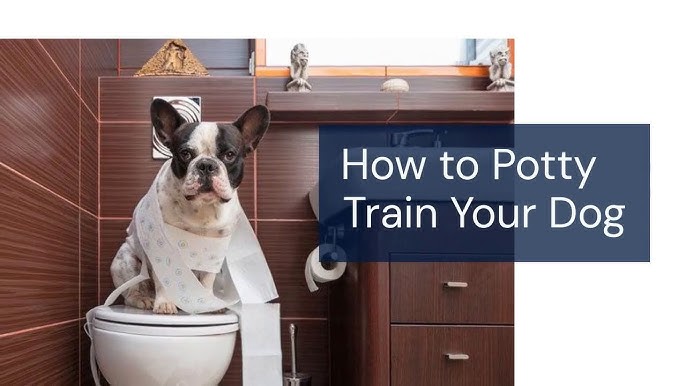

Imagine never having to clean up after your dog’s bathroom mess again. What if your furry friend could use a toilet just like you?
It might sound surprising, but training your dog to use a toilet is possible—and it can make your life much easier. If you’re tired of constant cleanups and want a cleaner home, this guide is for you. Keep reading, and you’ll discover simple, step-by-step methods to teach your dog this clever trick.
Your dog’s comfort and your peace of mind are just a few steps away. Ready to get started?
Credit: www.trustedhousesitters.com
Choosing The Right Toilet Setup
Choosing the right toilet setup is crucial for successfully training your dog to use the toilet. The setup affects your dog’s comfort, safety, and willingness to learn. Taking time to pick the right equipment and prepare the space can make the process smoother and less stressful for both of you.
Selecting A Suitable Toilet
Not every toilet is dog-friendly. Look for one that is stable and has a seat size suitable for your dog’s breed and size. A toilet with a slow-close lid can prevent accidental slams that may scare your dog.
Consider using a specially designed dog toilet seat or a training aid that fits over a regular toilet. These products often have smaller openings and added grips, making it easier for your dog to balance. Does your dog prefer higher or lower seating? Adjust the setup to match their comfort level.
Preparing The Bathroom Space
Clear the bathroom of any items that could distract or harm your dog. Remove slippery rugs or mats that might cause your dog to slip when climbing onto the toilet. Safety is key to building your dog’s confidence during training.
Make sure the bathroom is quiet and free from sudden noises that might frighten your dog. Add a non-slip mat around the toilet area to give your dog secure footing. Have treats and training tools within easy reach to reward your dog immediately.

Credit: zigzag.dog
Introducing Your Dog To The Toilet
Introducing your dog to the toilet requires patience and gentle guidance. The goal is to make the toilet a familiar and comfortable place for your dog. This process helps your dog understand where to go when nature calls. Start slow and keep the experience positive.
Familiarizing With The Toilet Area
Begin by spending time near the toilet with your dog. Let your dog explore the area freely. Avoid rushing or forcing your dog to stay close. Use calm and soft voices to create a peaceful atmosphere. Place your dog’s favorite toys or bed nearby to attract comfort. This helps your dog feel safe and curious about the spot.
Using Positive Reinforcement
Reward your dog for calm behavior near the toilet. Use treats, gentle praise, or petting as rewards. Encourage your dog to sit or stand by the toilet. Give rewards immediately to connect good behavior with the toilet area. Avoid punishment or negative words. Positive reinforcement builds trust and motivates your dog to learn faster.
Step-by-step Training Process
Training a dog to use a toilet might seem like a daunting task, but breaking it down into manageable steps can make the process smoother and more enjoyable. The key is patience and consistency. Here’s a detailed step-by-step guide to help your furry friend master this unique skill.
Teaching To Signal Bathroom Needs
Understanding your dog’s signals is crucial. Begin by observing your dog’s behavior before they need to go. This could be sniffing around or circling.
Once you notice these signs, encourage your dog to communicate their need. You could use a bell at the door or a specific bark command.
Consistency is key. Reinforce this behavior with positive reinforcement like treats or praise. Eventually, your dog will associate signaling with a reward.
Guiding To The Toilet Seat
Introduce your dog to the toilet area. Use treats to guide them to the bathroom. Place a sturdy platform next to the toilet seat to help them reach it safely.
Encourage your dog to step onto the platform and sit on the toilet seat. Use verbal cues and hand signals to guide them.
Be patient and supportive. This step might take time, especially if your dog is apprehensive about heights or new experiences.
Rewarding Successful Attempts
Celebrating successful attempts is vital. Each time your dog uses the toilet, reward them immediately with a treat and lots of affection.
Gradually decrease treats as your dog becomes more comfortable. Maintain verbal praise to keep them motivated.
Consistency in rewarding will help your dog understand that using the toilet is desirable behavior. Are you ready to see your dog impress everyone with this amazing skill?
Common Challenges And Fixes
Training your dog to use the toilet is an impressive goal, but it comes with its own set of challenges. Understanding these hurdles and how to address them can save you time and frustration. Let’s dive into the common issues owners face and practical fixes that really work.
Handling Accidents
Accidents are inevitable during toilet training, so don’t let them discourage you. Instead, see them as learning moments for your dog and yourself. Keep a calm tone and avoid punishment, as this can create fear and slow progress.
Make sure to clean up messes thoroughly with an enzymatic cleaner to remove all odors. Dogs often return to spots that smell like their accidents. Establish a consistent schedule for toilet breaks to minimize accidents, especially after meals or naps.
If accidents happen frequently in one spot, try moving the training setup slightly or increasing supervision. Have you noticed a pattern in your dog’s accidents? Tracking this can help you anticipate and prevent them.
Dealing With Fear Or Resistance
Some dogs may hesitate or resist using the toilet due to fear of the new environment or equipment. It’s important to introduce the toilet gradually and use positive reinforcement. Reward your dog with treats or praise each time they show curiosity or step near the toilet.
Allow your dog to explore the toilet area without pressure. Sometimes, letting your dog sniff and get comfortable on their own time reduces anxiety. If your dog backs away or seems stressed, pause the training and return to an earlier, easier step.
Consider using familiar scents or toys near the toilet to create a positive association. Does your dog respond well to play or treats? Use these to make the toilet area inviting rather than intimidating.
Maintaining Long-term Success
Maintaining long-term success in training your dog to use a toilet requires dedication beyond the initial teaching phase. The habits you build now will shape your dog’s behavior for years to come. Are you ready to commit to a routine that keeps both you and your pet happy and hygienic?
Consistent Routine
Consistency is key. Dogs thrive on predictable schedules, so keep toilet training sessions regular. Try to take your dog to the toilet at the same times every day, such as after meals or waking up.
Consistency also means using the same commands and signals. This helps your dog understand exactly what you expect. If you change the routine frequently, your dog can become confused and less likely to succeed.
Ask yourself: Have you set specific times for your dog’s toilet breaks? If not, start now and watch how quickly your dog adapts.
Regular Cleaning And Hygiene
Keeping the toilet area clean encourages your dog to use it consistently. Dogs dislike dirty spaces, and a smelly toilet can deter them from returning.
Clean the area daily using pet-safe products. Remove waste promptly and wash any washable training aids regularly.
Don’t forget to check your dog’s paws and fur after each visit. Regular hygiene prevents infections and keeps your dog comfortable and healthy.
Have you noticed how a clean environment improves your dog’s willingness to use the toilet? If not, try increasing your cleaning frequency and observe the difference.

Credit: medium.com
When To Seek Professional Help
Training your dog to use a toilet can be a rewarding experience, but sometimes the process doesn’t go as smoothly as you hoped. Recognizing when your efforts might need a professional’s touch can save both you and your dog a lot of frustration. Knowing the right time to seek help ensures your dog stays happy and healthy throughout the training journey.
Signs Of Behavioral Issues
Watch closely for behaviors that go beyond simple training challenges. If your dog shows signs of anxiety, such as excessive barking, pacing, or destructive chewing, these could be red flags. Frequent accidents despite consistent training might indicate underlying stress or confusion.
Another sign is if your dog starts avoiding the toilet area altogether or displays aggression when you approach during training. These behaviors suggest the problem might be deeper than just learning the routine. Have you noticed your dog acting differently around bathroom time?
Finding A Qualified Trainer
Look for trainers with experience in both dog behavior and toilet training specifically. Credentials from reputable organizations and positive reviews from other pet owners can guide your choice. Don’t hesitate to ask about their approach—effective trainers use gentle, reward-based methods rather than punishment.
Meeting the trainer beforehand can help you feel confident in their style and methods. Remember, a good trainer will also teach you how to support your dog between sessions. How comfortable do you feel asking questions and sharing concerns with the trainer?
Frequently Asked Questions
How Long Does Toilet Training A Dog Take?
Toilet training a dog typically takes 4 to 8 weeks. Consistency, patience, and positive reinforcement speed up the process. Each dog learns at its own pace, so results may vary. Regular practice and clear commands are essential for successful training.
What Supplies Do I Need For Dog Toilet Training?
You need a dog-friendly toilet seat or training pad, treats, and cleaning supplies. A leash helps guide your dog during training. Patience and rewards encourage positive behavior. Proper tools make the training process smooth and effective.
Can All Dog Breeds Be Toilet Trained?
Yes, most dog breeds can be toilet trained with proper methods. Size and temperament may affect training time and approach. Smaller breeds might adapt faster, but all dogs respond well to consistent training and rewards. Patience is key for success.
How Do I Prevent Accidents During Toilet Training?
Prevent accidents by supervising your dog closely and using a designated toilet spot. Regular bathroom breaks help establish a routine. Reward your dog immediately after successful toilet use. Clean accidents promptly to avoid repeat behavior.
Conclusion
Training a dog to use a toilet takes time and patience. Start with small steps and be consistent every day. Praise your dog for good behavior to encourage learning. Remember, accidents are normal during training. Stay calm and keep trying.
This method can save you time and keep your home cleaner. Enjoy the process and build a stronger bond with your pet. With dedication, your dog will learn this new skill. Keep practicing and never give up. Success is possible with love and care.