
Are you wondering if it’s okay to feed your adult dog puppy food? You might think that since puppy food is packed with nutrients, it could be a healthy choice for your dog at any age.
But is it really safe, or could it cause problems down the line? Understanding what’s best for your furry friend’s diet is key to keeping them happy and healthy. Keep reading to find out why feeding an adult dog puppy food might not be the simple solution it seems—and what you should do instead.
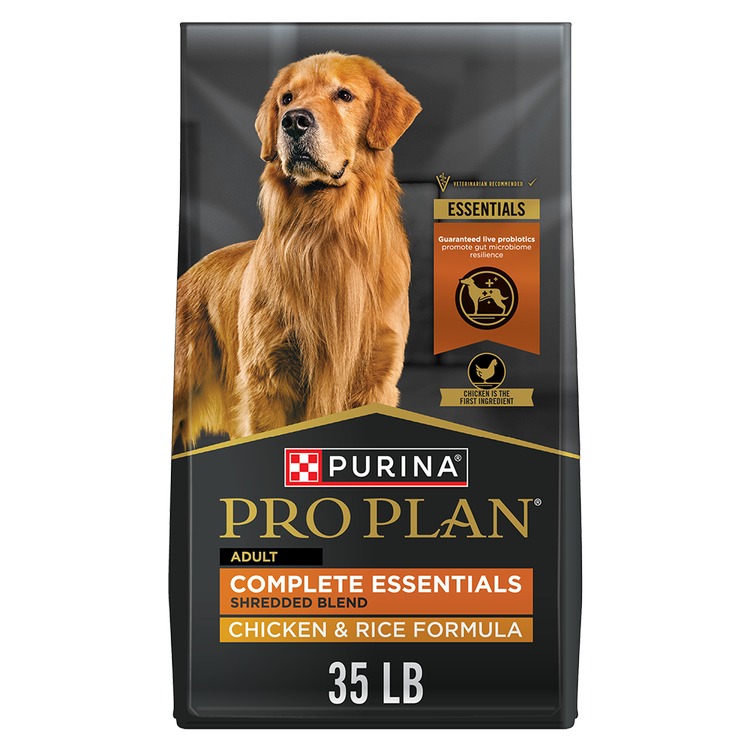
Credit: www.purina.com
Differences Between Puppy And Adult Dog Food
Understanding the differences between puppy and adult dog food is important for your dog’s health. Each life stage demands specific nutrition to support growth and maintain wellbeing. Puppy food supports rapid growth, while adult food helps sustain energy and body condition. Feeding the wrong type can affect your dog’s health and weight.
Nutritional Needs Of Puppies
Puppies need extra calories to fuel their fast growth. They require more protein to build muscles and strong bones. Their food must include essential vitamins and minerals for development. Puppies need higher fat content for energy and brain growth. Balanced nutrition helps puppies grow into healthy adults.
Nutritional Needs Of Adult Dogs
Adult dogs need fewer calories because growth slows down. Protein is still important but in moderate amounts. Their food focuses on maintaining muscle and healthy organs. Adult dog food has controlled fat to prevent weight gain. It includes nutrients to support joint health and digestion.
Key Ingredient Variations
- Protein:Higher in puppy food for muscle growth, moderate in adult food.
- Fat:More in puppy food to provide energy, less in adult food to avoid obesity.
- Calcium and Phosphorus:Elevated in puppy food for bone development, balanced in adult food.
- Calories:Puppy food is calorie-dense, adult food has fewer calories.
- Fiber:Increased in adult food to aid digestion.
Potential Risks Of Feeding Puppy Food To Adult Dogs
Feeding your adult dog puppy food might seem harmless or even beneficial at first glance. However, puppy food is specially designed to meet the needs of growing pups, not fully grown dogs. This mismatch can lead to several health issues that you should be aware of before making any changes to your pet’s diet.
Weight Gain And Obesity
Puppy food contains higher calories and fats to support rapid growth. If an adult dog consumes this richer diet, it can easily lead to unwanted weight gain. Excess weight puts strain on joints and organs, increasing the risk of obesity-related diseases.
Think about your own diet—would eating high-calorie meals designed for athletes benefit you if you live a sedentary lifestyle? The same principle applies to dogs.
Digestive Issues
Adult dogs have different digestive capabilities than puppies. Puppy food is often richer and denser, which may upset your dog’s stomach. You could notice symptoms like diarrhea, vomiting, or gas after feeding puppy food regularly.
Has your dog ever had a sensitive stomach? Introducing puppy food could worsen their digestive health instead of improving it.
Nutrient Imbalances
Puppy food is loaded with nutrients that puppies need in higher amounts, such as calcium and protein. For adult dogs, these elevated levels can cause imbalances and stress organs like kidneys. Over time, this can lead to health complications such as kidney disease or bone issues.
Are you confident that your dog’s current food matches their specific life stage needs? Feeding the wrong formula may seem minor but can have long-term effects on your pet’s health.
Situations When Puppy Food Might Be Suitable
Puppy food suits adult dogs recovering from illness or needing extra nutrition. It also works for pregnant or nursing dogs needing more calories. Feeding puppy food regularly to healthy adults may cause weight gain.
Feeding your adult dog puppy food might seem like an unusual choice, but there are specific situations where it could actually be beneficial. Understanding these scenarios can help you make informed decisions about your pet’s diet. Let’s explore when puppy food might be suitable for your adult dog.During Growth Spurts
Sometimes, adult dogs experience growth spurts, particularly larger breeds. During these times, they may require extra nutrients to support their rapid development. Puppy food, with its higher calorie and nutrient content, can provide the necessary support. Your dog might show increased appetite or energy needs. Offering puppy food temporarily can help meet these demands. Always monitor your dog’s weight and overall health during this period.Senior Dogs With Specific Needs
Senior dogs often have unique dietary requirements. Some may lose weight due to health issues or simply because their metabolism slows down. Puppy food can be a good option for these dogs due to its calorie-dense nature. Ensure you consult with your vet before making this switch. This approach might be particularly useful for senior dogs struggling with maintaining a healthy weight.Veterinarian Recommendations
Your veterinarian can provide valuable insights into your dog’s dietary needs. They may recommend puppy food for specific health conditions or recovery from surgery. Trust their expertise, as they understand your dog’s health better than anyone else. They can guide you on the duration and amount of puppy food to offer. Have you ever considered these scenarios for your furry friend? Always remember, each dog is unique, and their dietary needs can change over time.
Credit: www.youtube.com
How To Transition Adult Dogs To Proper Food
Changing an adult dog’s food needs care and patience. Sudden changes can upset their stomach or cause refusal to eat. Transitioning properly helps your dog adjust to new nutrients and flavors smoothly. This process supports their health and digestion.
Identifying The Right Adult Dog Food
Choose food made for adult dogs, not puppies. Adult dog food has the right balance of protein, fat, and calories. Check labels for essential nutrients like vitamins and minerals. Consider your dog’s breed, size, and activity level. Look for options with natural ingredients and no fillers. Consult a vet for special dietary needs or allergies.
Gradual Switching Process
Mix the new adult food with the old puppy food slowly. Start with 25% adult food and 75% puppy food for a few days. Then change to 50% of each for another few days. Next, 75% adult food and 25% puppy food before fully switching. Watch your dog eat and adjust timing if needed. This gradual change prevents stomach upset and keeps appetite steady.
Monitoring Health And Behavior
Observe your dog’s energy levels and mood after switching food. Look for signs like vomiting, diarrhea, or constipation. Check the coat’s shine and skin condition for improvements or issues. Track weight and body shape weekly to avoid sudden loss or gain. If problems appear, slow down the transition or consult a vet. Healthy eating shows in bright eyes and playful behavior.
Common Myths About Feeding Puppy Food To Adults
Many dog owners wonder if feeding adult dogs puppy food is harmful or beneficial. There are plenty of myths swirling around this topic that can confuse even the most attentive pet parents. Understanding these common misconceptions will help you make better decisions for your dog’s diet and health.
Puppy Food Is Always Better
Some believe puppy food is superior because it has more nutrients. While it’s true puppy food contains extra calories and protein, adult dogs don’t need that much energy. Feeding puppy food to an adult dog regularly can lead to weight gain and digestive issues.
Think about it: your dog’s nutritional needs change as they grow. Puppy food is designed to support rapid growth, not maintenance.
One Food Fits All Ages
It’s tempting to think a single type of food can suit every life stage. But dogs require different nutrients at different ages. Adult dogs need balanced calories and joint support, while puppies need more growth nutrients.
Feeding your adult dog puppy food ignores these unique needs. Have you noticed your dog’s energy or weight changing after switching foods? That’s a sign their diet may not fit their current stage.
Cost And Quality Misconceptions
Many assume puppy food is more expensive but better quality. Actually, cost doesn’t always equal quality. Some adult dog foods use premium ingredients tailored for longevity and health.
Spending extra on puppy food for an adult might not give your dog the best nutrition. Instead, focus on choosing food labeled specifically for your dog’s age and health condition.
Credit: www.thinkjinx.com
Frequently Asked Questions
Can Adult Dogs Eat Puppy Food Safely?
Feeding adult dogs puppy food occasionally is safe but not ideal long-term. Puppy food has more calories and nutrients, which may cause weight gain or digestive issues in adults.
What Happens If Adult Dogs Eat Puppy Food Regularly?
Regularly feeding adult dogs puppy food can lead to obesity, nutrient imbalance, and digestive upset. Adult dogs require fewer calories and different nutrient ratios than puppies.
When Should You Switch From Puppy To Adult Dog Food?
Switch to adult dog food when your dog reaches maturity, usually 12 months for small breeds and 18-24 months for large breeds. This supports their changing nutritional needs.
Is Puppy Food Better For Active Adult Dogs?
Active adult dogs have higher energy needs, but puppy food is still not recommended. Choose an adult formula designed for high activity levels instead.
Conclusion
Feeding adult dogs puppy food is not ideal for their health. Puppy food has extra calories and nutrients meant for growth. Adult dogs may gain weight or have digestion issues. Choose food made specifically for adult dogs instead. It supports their energy needs and keeps them healthy.
Always check with your vet before changing your dog’s diet. Proper nutrition helps your dog live a long, happy life. Careful food choices matter. Your dog will thank you.