
Have you ever caught your dog sneaking a bite of your cat’s food and wondered if it’s safe? You might be worried about what’s really in that raw cat food and whether it could harm your furry friend.
Understanding if it’s okay for your dog to eat raw cat food is important for their health and happiness. Keep reading to find out the truth and learn how to keep your pets safe and well-fed.
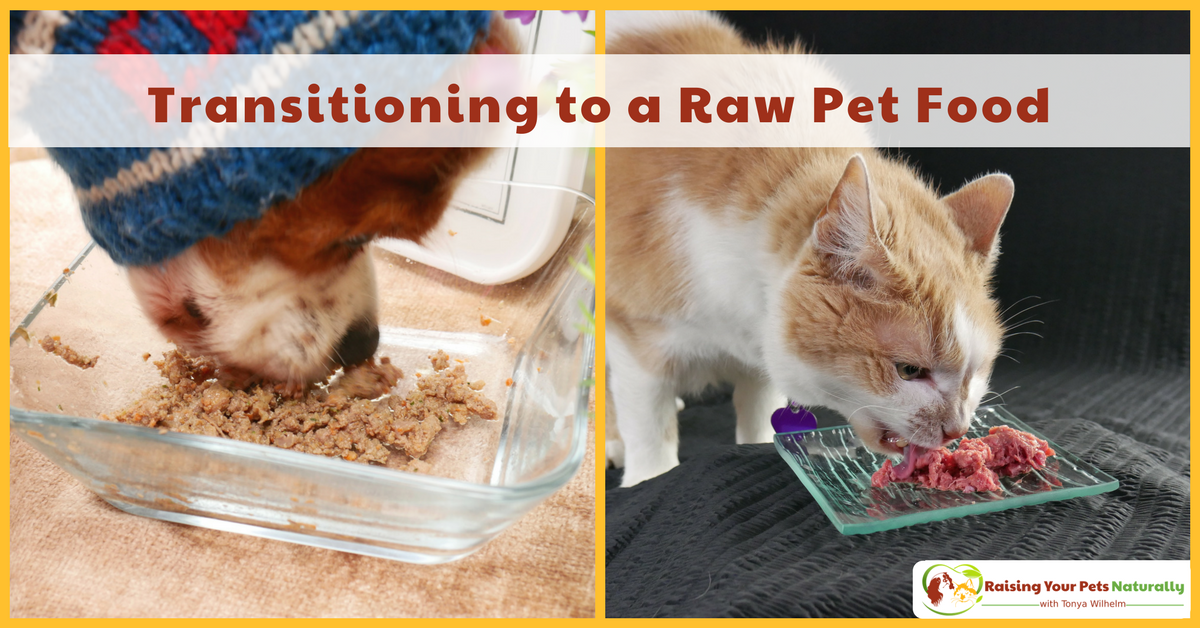
Credit: raisingyourpetsnaturally.com
Differences Between Dog And Cat Diets
Dogs and cats have different dietary needs. Raw cat food is high in protein and fat, which may not suit dogs well. Feeding dogs raw cat food occasionally is okay but not recommended regularly.
Nutritional Needs Of Dogs
Dogs need a balanced diet with protein, fats, and carbohydrates. They require vitamins and minerals to stay healthy. Dogs can digest plant-based ingredients better than cats. Their bodies process nutrients differently. Dogs benefit from fiber for digestion and energy. Proteins should come from quality animal sources. Fats provide essential fatty acids and energy. Dogs need less protein than cats for daily health.
Nutritional Needs Of Cats
Cats are true carnivores and need high protein. They require specific amino acids like taurine, only found in meat. Cats need more fat in their diet than dogs. Their bodies cannot make some nutrients on their own. Cats rely on animal fats for energy. They need vitamin A from meat, not plants. Cats have a low tolerance for carbohydrates. Their diet must be rich in meat-based nutrients.
How Cat Food Differs From Dog Food
Cat food has higher protein and fat levels. It contains taurine, essential for cat health but not added to dog food. Cat food has fewer carbohydrates than dog food. It is formulated to meet cats’ unique needs. Dog food includes more grains and vegetables. The texture and calorie content also vary. Feeding cats dog food may cause nutrient deficiencies. Feeding dogs cat food regularly can lead to health issues.
Potential Risks Of Feeding Dogs Raw Cat Food
Feeding your dog raw cat food might seem like a convenient option, but it carries certain risks that you need to consider carefully. Understanding these dangers can help you make better choices for your pet’s health. Let’s look closely at what can go wrong when dogs eat raw cat food.
Nutrient Imbalances
Cat food is made to meet the nutritional needs of cats, not dogs. It often contains higher levels of protein and fat, which can be too rich for dogs over time.
Excessive protein can strain your dog’s kidneys and lead to weight gain. Also, cat food may lack certain nutrients that dogs need, such as adequate fiber or specific vitamins.
Have you noticed changes in your dog’s energy or coat after eating cat food? That could be a sign of nutrient imbalance.
Digestive Issues
Dogs’ digestive systems are different from cats’. Eating raw cat food can cause stomach upset, diarrhea, or vomiting in some dogs.
The richness and fat content might be too much for your dog’s tummy to handle. Some dogs might tolerate small amounts occasionally, but regular feeding can lead to chronic digestive problems.
Think about how your dog reacts after nibbling cat food. Is there any discomfort or change in bathroom habits?
Bacterial Contamination
Raw cat food carries a risk of harmful bacteria such as Salmonella and E. coli. These bacteria can make your dog sick and pose a health risk to your family as well.
Dogs eating contaminated raw food might show symptoms like lethargy, fever, or diarrhea. Handling raw cat food requires strict hygiene to avoid cross-contamination in your kitchen.
Are you prepared to manage the risks of bacteria exposure for both your dog and your household?
When Raw Cat Food Might Be Safe For Dogs
While dogs and cats have different dietary needs, there are times when raw cat food might be safe for dogs. Understanding the circumstances can help ensure your dog’s well-being. With careful consideration, you can make informed decisions about your dog’s diet.
Occasional Consumption
Dogs can sometimes eat raw cat food safely, but only occasionally. Cat food is high in protein and fat, which can be too rich for dogs. A small portion once in a while might not harm most healthy dogs. Keep it as a rare treat, not a regular meal.
Choosing Quality Raw Cat Food
Selecting high-quality raw cat food is crucial. Look for brands with natural ingredients and no harmful additives. Check the label for balanced nutrients. A trustworthy brand ensures the food is safer for your dog.
Monitoring Dog’s Health
Watch your dog closely after they eat raw cat food. Look for any signs of discomfort or allergies. If your dog shows symptoms like vomiting or diarrhea, consult a vet. Regularly monitor their health to ensure they stay happy and fit.

Credit: proudi.com
Alternatives To Raw Cat Food For Dogs
If you’re concerned about feeding your dog raw cat food, you’re not alone. Many pet owners want to provide a raw diet but worry about the risks that come with cat food designed for a different animal. Luckily, there are safer and healthier alternatives that can meet your dog’s nutritional needs without the drawbacks of raw cat food.
Balanced Raw Diets For Dogs
Dogs need a balanced diet rich in protein, fats, vitamins, and minerals. Raw cat food often contains higher protein and fat levels, which can be too intense for dogs and cause digestive upset or nutrient imbalances. Instead, look for raw diets formulated specifically for dogs that ensure the right nutrient mix for their size and activity level.
Have you ever noticed your dog feeling sluggish or having digestive issues after eating something new? That could be a sign the food isn’t right. Balanced raw diets help avoid these problems by providing nutrients tailored to dogs.
Commercial Dog Raw Food Options
Many companies offer commercial raw dog food that is freeze-dried, frozen, or dehydrated. These products are tested for safety and designed to meet canine dietary needs. Brands like Stella & Chewy’s, Primal, and Nature’s Variety offer convenient options that save you time without compromising on quality.
Choosing commercial raw food means less guesswork about ingredients and nutrition. Plus, these options often come with clear feeding guidelines. Have you checked the labels on your dog’s food lately? It’s worth comparing to see if your current choice meets your dog’s health needs.
Homemade Raw Diet Guidelines
If you prefer to prepare raw meals yourself, it’s critical to follow guidelines to keep your dog safe and healthy. Start by including a variety of meats, bones, and organs in the right proportions. Don’t forget to add supplements like fish oil or vitamin E to fill nutritional gaps.
Keeping food preparation clean is essential to prevent bacteria. Use separate utensils and store raw ingredients properly. How confident are you in balancing homemade meals? Consulting a veterinary nutritionist can help you create a meal plan that works best for your dog’s specific needs.
Signs Your Dog May React Poorly To Raw Cat Food
Feeding raw cat food to dogs may cause some problems. Not all dogs handle it well. Watching for signs of trouble helps keep dogs safe and healthy. These signs fall into three main groups.
Digestive Symptoms
- Vomiting or frequent gagging
- Diarrhea or loose stools
- Excessive gas or bloating
- Loss of appetite or refusal to eat
- Stomach pain or discomfort
Digestive upset can show quickly after eating raw cat food. These symptoms mean the dog’s stomach is struggling.
Behavioral Changes
- Increased restlessness or pacing
- Whining or signs of discomfort
- Unusual tiredness or lethargy
- Avoiding food or water
- Changes in social behavior or mood
Behavior shifts often signal underlying health issues. Dogs may act differently when feeling unwell from diet changes.
Nutritional Deficiencies
- Coat becomes dull or brittle
- Weight loss or muscle loss
- Weakness or poor coordination
- Frequent infections or slow healing
- Changes in energy levels over time
Raw cat food lacks some nutrients dogs need. Deficiencies show slowly but affect long-term health.
Consulting A Veterinarian Before Changing Diet
Before you decide to feed your dog raw cat food, consulting a veterinarian is essential. Changing your dog’s diet without professional guidance can lead to unexpected health issues. A vet can help you understand the risks and benefits based on your dog’s specific health condition.
Importance Of Professional Advice
Veterinarians have the training to assess whether raw cat food is suitable for your dog. They consider factors like your dog’s age, breed, and existing health problems. Without this expert insight, you might unknowingly expose your pet to nutritional imbalances or harmful bacteria.
Think about this: Have you ever tried a new diet without consulting a healthcare professional? Your dog deserves the same cautious approach.
Tailoring Diet To Your Dog’s Needs
Your dog’s nutritional needs are unique. A vet can recommend adjustments to the raw cat food or suggest supplements to make the diet safer and more balanced. This tailored approach ensures your dog gets the right nutrients without harmful excesses.
For instance, dogs need different vitamin and mineral ratios than cats. Without customization, raw cat food might lack essential nutrients or have too much of others, leading to health problems over time.
Regular Health Check-ups
Once you switch your dog’s diet, regular vet visits become even more important. These check-ups help monitor your dog’s health and catch any issues early. Your vet can adjust the diet as needed based on your dog’s response.
Scheduling routine health checks shows you care about your dog’s well-being beyond just the food bowl. Are you ready to commit to these ongoing health evaluations?

Credit: www.bangordailynews.com
Frequently Asked Questions
Can Dogs Safely Eat Raw Cat Food Occasionally?
Dogs can eat raw cat food occasionally but it’s not ideal. Cat food is richer in protein and fat, which may upset your dog’s stomach or cause weight gain.
What Are The Risks Of Dogs Eating Raw Cat Food?
Risks include nutritional imbalance, digestive upset, and potential exposure to harmful bacteria. Cat food is formulated for cats, not dogs, which can lead to health issues.
How Does Raw Cat Food Affect A Dog’s Health?
Raw cat food’s high protein and fat can strain a dog’s kidneys and cause obesity. Long-term feeding may lead to nutritional deficiencies or digestive problems.
Should I Feed My Dog Raw Cat Food Regularly?
No, feeding raw cat food regularly is not recommended. Dogs need balanced nutrition specific to their needs, which cat food does not provide.
Conclusion
Dogs eating raw cat food is not usually safe or healthy. Cat food has more protein and fat than dogs need. This can cause stomach problems or weight gain for dogs. Sometimes, raw cat food may carry harmful bacteria for dogs.
Feeding dogs a balanced diet made for them is best. Always check with a vet before giving new foods. Careful choices keep pets happy and healthy. Think twice before sharing your cat’s meal with your dog. Your dog deserves food made just for them.