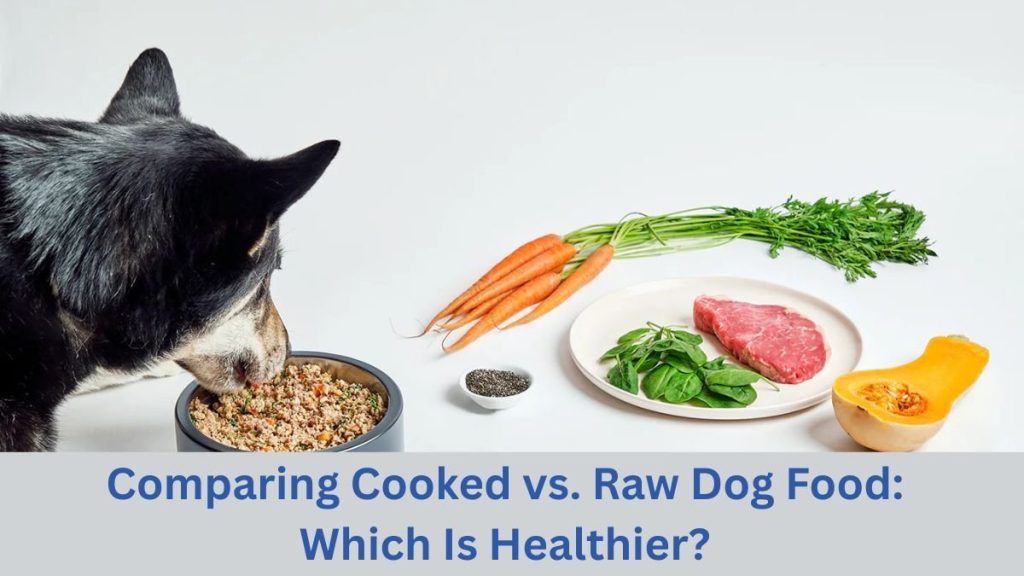

Are you wondering whether raw or cooked food is better for your dog? Choosing the right diet for your furry friend is one of the most important decisions you can make.
What you feed your dog affects their energy, health, and happiness every single day. But with so many opinions out there, it’s easy to feel confused about what’s truly best. You’ll discover the key differences between raw and cooked dog food, helping you make a confident choice that keeps your pet thriving.
Keep reading—you and your dog deserve the best!

Credit: gorawpetfood.com
Benefits Of Raw Food
Feeding your dog raw food offers several benefits that often go unnoticed. Many pet owners report noticeable improvements after switching from cooked or processed diets. Let’s explore what raw food can do for your dog’s health and vitality.
Nutrient Retention
Raw food preserves essential nutrients better than cooked meals. Heat from cooking can break down vitamins like B and C, reducing their effectiveness. By feeding raw, your dog gets more of these nutrients in their natural form, which supports overall health.
Have you ever noticed a difference in energy levels when you eat fresh versus processed food? Dogs experience something similar with raw diets.
Improved Digestion
Raw diets often contain natural fibers and enzymes that aid digestion. These elements help break down food more efficiently in your dog’s stomach. Many owners find their dogs experience less bloating and firmer stools after switching to raw.
Could your dog’s digestive issues improve by simply changing their diet to something closer to what nature intended?
Enhanced Coat And Skin
Raw food can lead to shinier coats and healthier skin. The natural oils and fats in raw meat nourish the skin from within. Dogs on raw diets often shed less and have fewer skin irritations.
Imagine your dog’s coat glowing with health, without relying on supplements or topical treatments.
Natural Enzyme Content
Raw food retains enzymes that are destroyed by cooking. These enzymes play a crucial role in breaking down food and helping your dog absorb nutrients. Keeping these enzymes intact can reduce the strain on your dog’s digestive system.
What if the key to your dog’s better digestion lies in the natural enzymes found in raw food?
Advantages Of Cooked Food
Cooked food offers dogs better digestion and reduced risk of harmful bacteria. Nutrients are more easily absorbed, promoting overall health and well-being.
Cooked food for dogs offers several benefits that appeal to many pet owners. It ensures food safety, provides digestion ease, and offers diet variety. Additionally, it simplifies meal prep for busy owners.Pathogen Elimination
Cooking food kills harmful bacteria and pathogens. This makes the meal safer for dogs. Raw food might carry risks of bacteria like Salmonella. Cooking reduces these health risks significantly.Easier To Digest For Some Dogs
Some dogs have sensitive stomachs. Cooked food can be gentler on their digestive system. Cooking breaks down complex proteins, making them easier to absorb. This can prevent stomach upset and discomfort.Variety In Diet
Cooked meals allow for diverse ingredients. Owners can include various meats, vegetables, and grains. This variety ensures a balanced diet for dogs. It can prevent nutrient deficiencies over time.Convenience For Owners
Cooked food can be prepared in batches. This saves time for busy pet owners. Cooked meals can be stored and portioned easily. This convenience fits well into a hectic schedule.Potential Risks Of Raw Diet
Feeding dogs a raw diet has gained popularity but carries certain risks. Understanding these risks helps pet owners make safe choices. This section covers major concerns linked to raw feeding.
Bacterial Contamination
Raw meat can carry harmful bacteria like Salmonella and E. coli. These bacteria can cause serious illness in dogs and humans. Handling raw food needs extra care to avoid cross-contamination. Proper storage and hygiene are crucial to reduce risks.
Nutritional Imbalance
Raw diets often lack balanced nutrients. Dogs need the right mix of vitamins, minerals, and proteins. Without careful planning, raw meals may cause deficiencies or excesses. A vet or pet nutritionist can help create a balanced raw diet.
Choking Hazards
Raw bones may seem natural but pose choking risks. Small or brittle bones can splinter and block airways. Dogs may also injure their mouths or digestive tract. Choosing safe bone types and sizes is essential.
Cost And Preparation Time
Raw feeding usually costs more than cooked or commercial dog food. It requires time for shopping, preparation, and cleaning. Busy pet owners might find this demanding. Planning ahead helps manage time and expenses better.

Credit: thepetquarter.co.uk
Drawbacks Of Cooked Diet
Feeding your dog a cooked diet might seem like the safest and most convenient choice. However, there are several drawbacks you should be aware of before making this decision. Understanding these issues can help you provide the best nutrition for your furry friend.
Nutrient Loss
Cooking food often reduces its nutrient content. Vitamins like B and C, along with some minerals, can break down when exposed to heat. This means your dog may not get all the essential nutrients needed for optimal health from cooked meals.
Have you noticed your dog needing extra supplements after switching to cooked food? This could be why.
Additives And Preservatives
Many commercial cooked dog foods contain additives and preservatives to extend shelf life. These chemicals might cause allergies or digestive issues in sensitive dogs. Choosing homemade cooked meals doesn’t guarantee you avoid this, as some ingredients might still be processed or treated.
Consider reading labels carefully or preparing fresh meals to reduce exposure to these substances.
Overcooking Issues
Overcooking can make food tough and less palatable for your dog. It also affects nutrient availability, making proteins and fats harder to digest. This could lead to your dog eating less or experiencing digestive discomfort.
Next time you cook for your dog, try to keep cooking times short and temperatures moderate.
Limited Enzymes
Raw food contains natural enzymes that help with digestion. Cooking destroys these enzymes, which means your dog’s digestive system must work harder to break down the food. This can sometimes lead to digestive problems or less efficient nutrient absorption.
Would you want your dog’s digestion to be this much work every meal?
Nutritional Needs Of Dogs
Understanding the nutritional needs of your dog is key when deciding between raw and cooked food. Dogs require a balanced diet to stay healthy, active, and happy. Paying attention to specific nutrients helps you make informed choices about what to feed your furry friend.
Protein Requirements
Protein is the building block of your dog’s muscles, skin, and coat. Dogs generally need a high-quality protein source in their diet, whether from raw meat or cooked sources like chicken or beef. Keep in mind, not all proteins are created equal; digestibility matters a lot for your dog’s energy and health.
For example, raw diets often provide protein in its natural form, which some dogs digest better. However, well-cooked proteins can also meet these needs if prepared correctly. Have you noticed how your dog reacts after different meals? Their energy and coat condition can tell you a lot.
Essential Vitamins And Minerals
Vitamins and minerals support everything from your dog’s immune system to bone strength. Raw diets can retain more vitamins like B-complex and vitamin C that cooking might reduce. But cooked foods often have added supplements to make up for nutrient loss.
Calcium, phosphorus, zinc, and iron are crucial minerals your dog needs daily. Getting the right balance can be tricky, especially if you prepare homemade meals. Do you check your dog’s vitamin intake regularly, or rely on commercial food labels?
Fat And Carbohydrate Balance
Fats provide energy and keep your dog’s skin and coat healthy. Raw diets tend to include natural fats found in meat, while cooked meals sometimes add oils or fats to maintain balance. Carbohydrates, on the other hand, are usually limited but can come from vegetables or grains.
Too many carbs may lead to weight gain, while too little can cause low energy. It’s important to adjust the fat and carb ratio based on your dog’s activity level. How active is your dog daily? That can guide your choice between raw and cooked food.
Age And Health Considerations
Puppies, adults, and senior dogs all have different nutritional needs. Growing pups need more protein and calories, while older dogs might require fewer fats and more joint-supporting nutrients. Health issues like allergies or digestive problems also affect what type of food suits your dog best.
Raw diets may offer benefits for some health conditions, but they’re not always safe for dogs with weak immune systems. Cooked food can be gentler on sensitive stomachs but might lack some raw diet advantages. Have you consulted your vet about your dog’s specific health needs?
Credit: wefeedraw.com
Transitioning Between Diets
Changing your dog’s diet needs care and attention. Sudden switches can upset their stomach or cause stress. Transitioning between raw and cooked food requires patience. This helps your dog adjust smoothly to new meals. Watching their reaction during the change is key. This section explains how to shift diets safely and effectively.
Gradual Introduction
Start by mixing a small amount of new food with the old. Increase the new food’s portion slowly over 7 to 10 days. This gradual change helps your dog’s digestive system adapt. Watch for signs like vomiting or diarrhea. If any issues appear, slow down the transition. Patience prevents discomfort and builds a positive eating habit.
Monitoring Health Changes
Keep an eye on your dog’s energy and mood. Check their stool for consistency and color. Note any changes in appetite or behavior. Record these details daily to track progress. Early detection of problems helps avoid bigger health issues. Healthy skin and coat are signs of good diet acceptance.
Consulting A Veterinarian
Talk to your vet before starting a new diet. They offer advice based on your dog’s age and health. Vets can recommend supplements if needed. Regular check-ups ensure your dog stays healthy during the transition. Professional guidance reduces risks and supports good nutrition.
Homemade Vs Commercial Options
Choosing between homemade and commercial dog food involves many factors. Owners want the best nutrition and safety for their pets. Homemade meals offer control over ingredients and freshness. Commercial products promise convenience and balanced formulas. Understanding each option helps make better feeding choices.
Raw Food Brands
Raw food brands offer pre-made meals with raw meat, bones, and vegetables. These products aim to mimic a natural diet for dogs. They come in frozen, freeze-dried, or dehydrated forms. Popular brands focus on quality ingredients and minimal processing. Buyers should check for transparency about sourcing and ingredient lists.
Cooked Food Products
Cooked food products provide ready-to-serve meals that are gently cooked. These meals often use fresh meats, vegetables, and grains. Cooking kills harmful bacteria, making these products safer than raw options. Many brands craft recipes to meet nutritional standards. They offer convenience without sacrificing quality.
Diy Meal Preparation
Preparing dog meals at home allows full control over every ingredient. Owners can choose fresh meats, vegetables, and supplements. Recipes must balance protein, fat, and vitamins carefully. Time and knowledge are essential to meet nutritional needs. Homemade meals can be tailored for allergies and preferences.
Quality Control
Commercial foods undergo strict quality control and testing. Brands follow regulations to ensure safety and nutrition. Homemade meals depend on the owner’s skills and food handling. Cross-contamination risks rise without proper hygiene. Monitoring ingredient quality is critical in both methods.
Owner Preferences And Lifestyle
Your choice between raw and cooked food for your dog often depends on your lifestyle and preferences as an owner. Feeding your dog is not just about nutrition; it’s about what fits into your daily routine and values. Understanding these factors can help you make a decision that works best for both you and your furry friend.
Time Commitment
Raw food diets usually require more preparation time. You need to source fresh ingredients, thaw frozen items, and sometimes chop or grind them. Cooked food can be quicker if you prepare in bulk or use simple recipes.
Think about your daily schedule. Do you have time to prepare fresh meals regularly, or do you need something that fits into a busy lifestyle? Your availability will influence which feeding method is more practical.
Budget Constraints
Raw diets can be more expensive because of the quality and variety of fresh ingredients needed. High-quality meats, organ meats, and supplements add up quickly. Cooked diets, especially homemade ones using staple ingredients, often cost less.
Consider your budget honestly. Would you be able to maintain the cost of a raw diet long-term, or would cooked meals allow you to feed your dog well without financial stress? Sometimes, balancing cost and quality is key.
Personal Beliefs
Your beliefs about health and nutrition play a big role in your choice. Some owners believe raw food is more natural and better for their dog’s health. Others prefer cooked food because it feels safer or aligns with their own dietary habits.
Ask yourself: What feels right for you and your pet? Are you comfortable handling raw meat, or do you prefer the control and safety of cooked meals? Your peace of mind matters.
Dog’s Taste Preferences
Every dog has unique tastes, and their willingness to eat raw or cooked food can vary. Some dogs love the texture and flavor of raw meat, while others prefer the softness of cooked meals. Observing your dog’s reactions can guide your choice.
Have you noticed your dog turning up their nose at certain foods? Trying small samples of both raw and cooked can reveal what truly excites their appetite. Feeding should be enjoyable for them too.
Expert Opinions
Understanding expert opinions can help you make a smarter choice between raw and cooked food for your dog. Experts like veterinarians and nutritionists bring valuable insights based on science and real-world experience. Their views often highlight benefits and risks you might not have considered.
Veterinary Perspectives
Many veterinarians emphasize safety when choosing between raw and cooked diets. Raw food can carry bacteria like Salmonella or E. coli, which may pose health risks not only to your dog but also to your family. On the other hand, vets often note that cooked food tends to be safer and easier to digest, especially for dogs with sensitive stomachs.
Some vets support raw diets for dogs with specific health issues, but they stress the importance of balanced nutrition and hygiene. They recommend consulting a professional before switching diets, as improper raw feeding can lead to nutrient deficiencies. What questions would you ask your vet about your dog’s diet?
Nutritionist Insights
Animal nutritionists focus on the balance of vitamins, minerals, and proteins in dog food. They point out that raw diets can provide natural enzymes and nutrients that may be lost during cooking. However, they also warn that raw meals must be carefully planned to avoid imbalances.
Cooked food offers more control over ingredient quality and nutrient content. Nutritionists often recommend home-cooked meals where you can monitor exactly what goes into your dog’s bowl. Have you considered how well your dog’s current food meets their nutritional needs?
Case Studies
Real-life examples reveal how different diets impact dogs over time. In one case, a dog with allergies showed improvement after switching to a raw diet, but the owner had to maintain strict hygiene practices. Another case involved a dog with digestive problems who thrived on cooked food prepared with fresh ingredients.
These stories highlight the importance of observing your dog’s reaction to diet changes. They also remind you that what works for one dog may not work for another. How closely do you monitor your dog’s health when trying new foods?
Frequently Asked Questions
Is Raw Food Healthier Than Cooked Food For Dogs?
Raw food retains more natural nutrients and enzymes. However, cooked food kills harmful bacteria and is easier to digest. Both have pros and cons. The best choice depends on your dog’s health, age, and vet advice.
Can Cooked Food Meet All My Dog’s Nutritional Needs?
Yes, cooked food can be nutritionally complete if well-balanced. Proper cooking preserves essential nutrients while eliminating pathogens. Many commercial cooked diets are formulated to meet dogs’ dietary requirements effectively.
What Are The Risks Of Feeding Raw Food To Dogs?
Raw food can expose dogs to harmful bacteria like Salmonella and E. coli. It may also cause nutritional imbalances if not properly prepared. Always source raw ingredients carefully and consult your vet before switching diets.
How Does Dog Digestion Differ For Raw Versus Cooked Food?
Dogs digest raw food more slowly due to intact proteins and fibers. Cooked food breaks down faster, aiding absorption. Each dog’s digestive system reacts differently, so monitor your pet’s response to diet changes.
Conclusion
Choosing the right food for your dog depends on many things. Raw food can offer natural nutrients and variety. Cooked food is often safer and easier to digest. Both options have good and bad points. Think about your dog’s health, age, and taste.
Talk to your vet before changing diets. The best food keeps your dog happy and strong. Remember, good care means good food. Your dog deserves the best you can give.