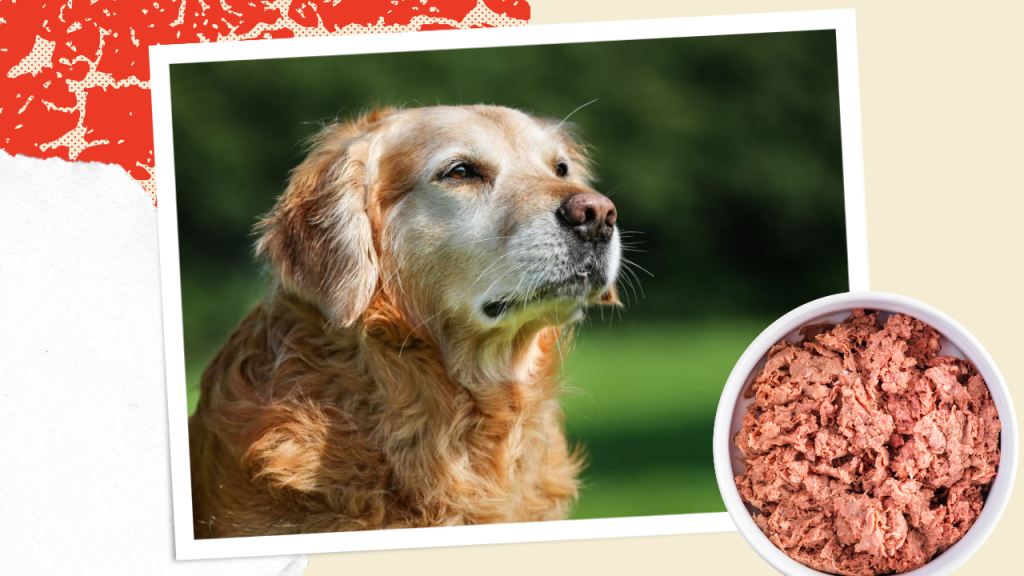

Are you wondering if raw dog food is the right choice for your senior dog? As your furry friend ages, their nutritional needs change, and you want to make sure you’re giving them the best diet possible.
Raw dog food promises many benefits, but is it truly good for older dogs? You’ll discover the key facts about raw feeding for seniors, what to watch out for, and how it might improve your dog’s health and happiness. Keep reading to find out if this diet could be the game-changer your senior dog deserves.
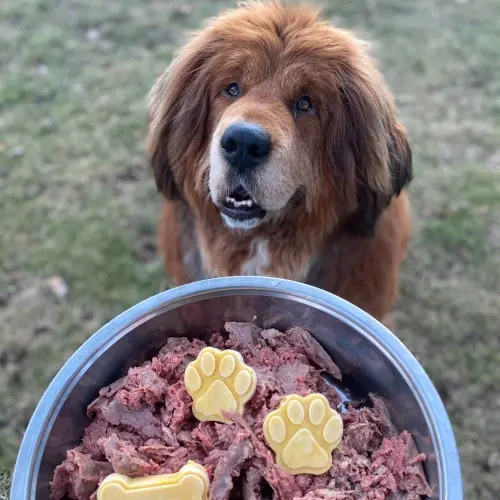
Credit: wefeedraw.com
Benefits Of Raw Food For Senior Dogs
Feeding raw food to senior dogs can bring noticeable improvements to their overall health and comfort. Many pet owners find that switching to a raw diet helps their aging dogs feel younger and more energetic. Let’s look at some specific benefits that might convince you to give raw food a try for your senior companion.
Improved Digestion And Nutrient Absorption
Raw food often contains natural enzymes that help break down food more efficiently. This can be especially helpful for senior dogs, whose digestive systems may slow down with age.
You might notice your dog has less gas or softer stools after switching to raw meals. Better digestion means your dog gets more nutrients from each bite, supporting their overall health.
Enhanced Coat And Skin Health
Many owners report shinier coats and healthier skin after their dogs start eating raw food. The natural fats and oils in raw diets provide essential fatty acids that dry or dull skin often lacks.
If your senior dog’s coat looks patchy or dry, raw food might help restore that soft, glossy fur. Have you seen a difference in your dog’s coat after changing their diet?
Increased Energy And Vitality
As dogs age, their energy levels typically drop. Raw food can give your senior dog a boost by providing high-quality proteins and fats that fuel their body better than processed kibble.
Many pet owners notice their older dogs become more playful and active within weeks of switching to raw food. What activities would you like your dog to enjoy again?
Better Dental Health
Chewing raw meaty bones can help reduce plaque and tartar buildup naturally. This benefit is critical for senior dogs, who often suffer from dental issues.
Improved dental health leads to fresher breath and less risk of painful infections. If your dog dislikes tooth brushing, raw food might offer an easier way to keep their teeth clean.
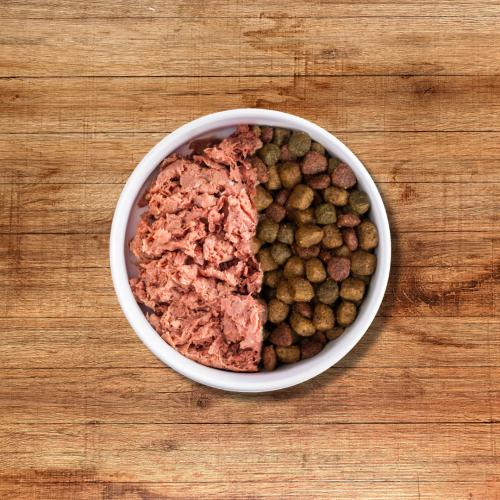
Credit: wefeedraw.com
Potential Risks Of Raw Diets
Feeding your senior dog a raw diet might seem like a natural choice, but it’s important to understand the potential risks involved. Raw diets carry certain dangers that can impact your dog’s health, especially as they age. Being aware of these risks helps you make informed decisions and avoid unexpected health issues.
Bacterial Contamination Concerns
Raw meat can harbor harmful bacteria like Salmonella and E. coli. These pathogens can cause serious illness in senior dogs, whose immune systems may not be as strong. Handling raw food also puts your household at risk, especially if you have young children or elderly family members.
Have you ever considered how you clean your pet’s feeding area? Proper hygiene is crucial to minimize contamination.
Nutritional Imbalances
Raw diets often lack balanced nutrients essential for senior dogs. Missing vitamins or minerals can lead to deficiencies, affecting your dog’s joints, coat, and overall vitality. Without careful planning or supplements, your dog might not get enough calcium, phosphorus, or essential fatty acids.
Are you confident that your dog’s raw diet covers all their nutritional needs? Consulting with a vet or pet nutritionist can help create a safe meal plan.
Choking And Bone Hazards
Raw bones might seem beneficial but can pose choking risks or cause internal injuries. Splintered bones can puncture your dog’s digestive tract, leading to emergency situations. Senior dogs with dental problems are particularly vulnerable to these dangers.
Think about your dog’s chewing ability and dental health before offering raw bones. Safer alternatives exist that provide similar benefits without the risks.
Risk For Dogs With Health Conditions
Dogs with weakened immune systems, kidney problems, or pancreatitis may not tolerate raw diets well. The high protein content and possible pathogens can worsen their conditions. Always discuss any diet changes with your vet, especially if your dog has existing health issues.
Could your dog’s health condition make a raw diet risky? Tailoring their diet to their specific needs is key for a longer, healthier life.
Key Nutrients Senior Dogs Need
Senior dogs have specific nutritional needs for a healthier life. As they age, their bodies require a different balance of nutrients. Feeding raw dog food can provide these essential nutrients. Let’s explore the key nutrients senior dogs need to thrive.
Protein And Amino Acids
Protein is crucial for maintaining muscle mass in senior dogs. It helps repair tissues and supports the immune system. Amino acids from protein are vital for energy and overall health. High-quality protein sources include lean meats and fish.
Essential Fatty Acids
Senior dogs benefit from essential fatty acids like omega-3 and omega-6. These fats improve skin health and coat quality. They also support brain function and reduce inflammation. Fish oil and flaxseed are excellent sources.
Vitamins And Minerals
Vitamins and minerals play a significant role in a senior dog’s health. Vitamin E supports the immune system, while vitamin A helps vision. Calcium and phosphorus keep bones strong. Ensure your dog’s diet includes these nutrients.
Joint Support Nutrients
Joint health is a common concern for senior dogs. Glucosamine and chondroitin are key nutrients for joint support. They help reduce stiffness and improve mobility. Green-lipped mussel and bone broth are beneficial sources.
How To Safely Transition To Raw Food
Switching a senior dog to a raw food diet needs care and patience. Sudden changes can upset their stomach or cause nutrient imbalances. A smooth transition helps their body adjust and avoids digestive issues. Following safe steps protects your dog’s health during this change.
Gradual Diet Changes
Introduce raw food slowly over 7 to 10 days. Start by mixing a small amount of raw food with their current diet. Increase the raw portion each day while reducing the old food. Watch for any signs of discomfort like vomiting or diarrhea. Slow changes help their digestive system adapt comfortably.
Consulting Your Veterinarian
Talk to a vet before starting raw food. They can check your dog’s health and offer advice. A vet can recommend the right balance of nutrients for older dogs. They may suggest tests to rule out health problems that raw food might affect. Professional guidance ensures your dog’s safety.
Monitoring Health And Behavior
Watch your dog closely during the transition. Look for changes in energy, appetite, and stool quality. Any signs of lethargy or digestive upset need attention. Keep a journal of these observations to share with your vet. Early detection of problems helps prevent serious issues.
Choosing Quality Ingredients
Select fresh, high-quality meats and bones for raw food. Avoid processed or low-grade products that may contain harmful additives. Balance proteins, fats, and vegetables for complete nutrition. Clean and store raw ingredients properly to prevent contamination. Good ingredients support your dog’s health and longevity.
Alternatives To Raw Diets For Seniors
Not every senior dog thrives on a raw diet, and that’s perfectly okay. There are several alternatives that can meet your older dog’s nutritional needs without the risks sometimes linked to raw feeding. Choosing the right option depends on your dog’s health, preferences, and your lifestyle.
Commercial Senior Dog Foods
Commercial senior dog foods are designed specifically to support aging dogs. They often contain balanced nutrients like joint-supporting glucosamine, antioxidants, and controlled calories to maintain a healthy weight. Many brands offer formulas tailored to different health concerns such as kidney health or sensitive digestion.
When I switched my own senior dog to a reputable commercial diet, I noticed improved energy and less stiffness within weeks. It’s a convenient choice, especially if you want consistent quality without the hassle of meal prep. Look for products with transparent ingredient lists and avoid fillers like corn or excessive by-products.
Homemade Cooked Meals
Cooking meals at home lets you control every ingredient your dog eats. You can avoid additives and adjust recipes to suit your dog’s specific health needs, such as adding more fiber or lean protein. Keep the meals simple, using ingredients like boiled chicken, rice, and vegetables your dog enjoys.
One tip is to consult your vet or a pet nutritionist before finalizing recipes. This ensures your dog gets all essential vitamins and minerals. Many owners find this option rewarding because it offers variety and a personal touch to their senior dog’s diet.
Supplementing Regular Diets
If switching to a new diet feels overwhelming, try supplementing your dog’s current food. Adding omega-3 fatty acids, probiotics, or joint supplements can boost health without drastic changes. Even a spoonful of pumpkin or plain yogurt can improve digestion and overall well-being.
Ask yourself: What small changes can you make today to support your senior dog’s health? Supplements can often be a gentle step towards better nutrition, especially when combined with regular vet check-ups. This approach allows you to tailor care without stress or confusion.

Credit: www.businessinsider.com
Frequently Asked Questions
Is Raw Dog Food Safe For Senior Dogs?
Raw dog food can be safe if properly prepared and balanced. It supports digestion and joint health in seniors. Consult a vet before switching to ensure it meets your dog’s specific needs and avoids health risks.
What Are The Benefits Of Raw Food For Senior Dogs?
Raw food offers higher protein and natural nutrients. It may improve coat shine, energy, and digestion. Senior dogs often experience better joint health and weight management with a raw diet.
Are There Risks Feeding Raw Food To Senior Dogs?
Yes, risks include bacterial contamination and nutrient imbalances. Older dogs with weak immune systems may be more vulnerable. Proper hygiene and vet guidance minimize these risks effectively.
How To Transition Senior Dogs To Raw Food Safely?
Start gradually by mixing raw food with current meals. Increase raw portions over two weeks. Monitor health and digestion closely. Consult a vet to tailor the plan to your dog’s health.
Conclusion
Raw dog food can support senior dogs’ health and energy. It offers natural nutrients that may aid digestion and joint health. Always choose quality ingredients and consult a vet before switching diets. Watch your dog closely for any changes or reactions.
Every senior dog is different, so care matters most. Feeding raw food is a personal choice based on your dog’s needs. Keep your pet happy and comfortable with the right nutrition plan.