
Traveling by car with your dog can be a fun adventure, but it also comes with important safety concerns. You want to keep your furry friend safe and comfortable while on the road.
If you’re like most pet owners, you might wonder: What’s the safest way to travel in a car with my dog? This guide will show you simple and effective tips to protect your dog and yourself during every trip. Keep reading to discover how to make every car ride stress-free and secure for your best friend.
Choosing The Right Restraint
Choosing the right restraint for your dog during car travel is crucial for their safety and your peace of mind. The right restraint not only protects your pet in case of sudden stops but also prevents distractions that could lead to accidents. Understanding the options available can help you make an informed decision that fits your dog’s size, temperament, and travel habits.
Harnesses And Seat Belts
Harnesses designed for car travel attach to your vehicle’s seat belt system, keeping your dog secure without restricting their movement too much. These restraints distribute force evenly across your dog’s body in case of a crash, reducing injury risk.
Choose a harness that fits snugly but comfortably. Avoid using regular walking harnesses as they might not provide enough protection. Have you checked if your harness is crash-tested? This can make a big difference in safety.
Crates And Carriers
Crates offer a sturdy, enclosed space that can protect your dog from impact and prevent them from roaming inside the car. They also create a familiar environment, which can reduce anxiety during travel.
Make sure the crate is secured so it doesn’t slide or tip over. Size matters here; your dog should be able to stand, turn, and lie down comfortably. Ever noticed how your dog reacts differently in a crate versus loose in the car? That behavior can guide your choice.
Barriers And Dividers
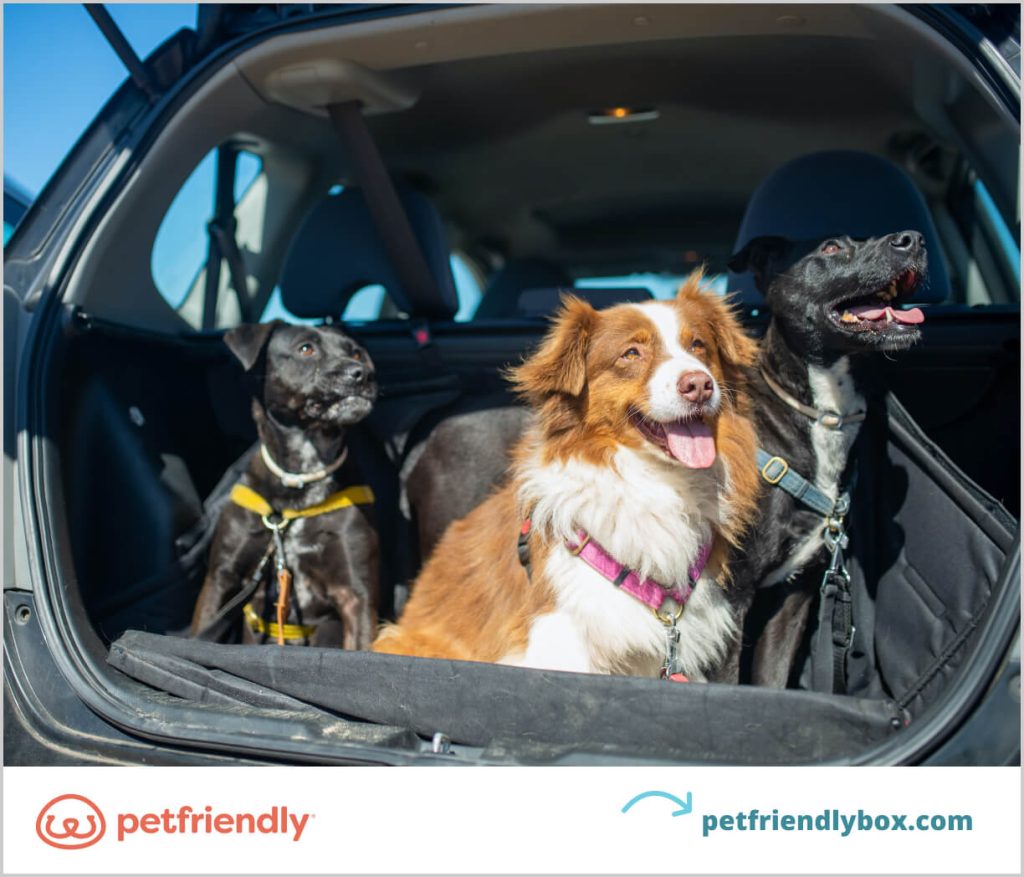
Barriers and dividers keep your dog confined to a specific area, usually the back seat or cargo space. This option is great if your dog prefers to move around but you want to avoid distractions while driving.
Install barriers firmly so they withstand sudden stops. Consider your dog’s size and energy level; some dogs might find barriers restrictive, causing restlessness or stress. How does your dog respond to being confined but unrestrained? Observing this can help you decide if a barrier is enough or if additional restraint is needed.

Credit: petsfit.com
Preparing Your Dog For The Trip
Preparing your dog for a car trip helps make the journey safe and pleasant. Dogs can feel nervous or excited in a moving car. Careful preparation reduces stress and prevents accidents. Start by helping your dog get used to the car environment.
Familiarizing With The Car
Let your dog explore the car while it is parked. Open doors and windows for fresh air and new smells. Use treats to encourage your dog to enter and sit inside. Short visits build positive feelings about the car. Try sitting in the car with your dog before driving. Play soft music to create a calm atmosphere.
Calming Techniques
Stay calm yourself; dogs sense your mood. Speak in a gentle voice to reassure your dog. Use a favorite blanket or toy for comfort. Consider a snug harness or seat belt for safety and security. Use calming sprays or pheromone diffusers designed for dogs. Avoid feeding your dog right before the trip to prevent nausea.
Exercise Before Travel
Give your dog a good walk before the trip. Exercise helps release extra energy and relaxes muscles. A tired dog is less anxious during travel. Play fetch or run in the yard if a walk is not possible. Avoid heavy exercise right before the car ride to prevent exhaustion.
Setting Up The Car For Safety
Secure your dog with a proper harness or crate to prevent injuries during travel. Keep windows closed or only slightly open to avoid distractions and protect your pet. Arrange the car interior to limit movement and keep your dog calm and safe.
Setting up your car for safe travel with your dog is crucial. A well-prepared car keeps your pet secure and comfortable. It also ensures peace of mind during the journey. Pay attention to several important aspects for a safe car setup.Temperature Control
Maintain a comfortable temperature inside the car. Dogs can’t regulate their body temperature well. Ensure the air conditioning or heater is working properly. Never leave your dog in the car alone. Even a short time can be dangerous.Securing Loose Items
Loose items in the car can be hazardous. Secure all items to prevent them from shifting. Use storage bins or netting to keep things in place. An organized car reduces the risk of injury to your dog.Window Safety
Dogs love sticking their heads out of windows. It’s unsafe and can lead to accidents. Keep the windows up or partially open. Consider using a window guard for extra safety. Always supervise your dog when the windows are open.
Credit: parkwoodanimalhospital.com
During The Journey
Traveling by car with your dog can be a wonderful adventure, but it requires careful attention during the journey to keep your furry friend safe and comfortable. Your dog’s well-being depends largely on how you manage the trip once you’re on the road. Here are some key points to consider that will help both you and your dog enjoy the ride.
Regular Breaks
Taking regular breaks during your drive is essential for your dog’s health and happiness. Dogs need to stretch their legs, relieve themselves, and release some energy. Plan to stop every two hours or so, especially on long trips.
These breaks also give you a chance to check your dog’s condition and adjust anything if needed. Have a leash ready to keep your dog safe during these stops. Think about the last time you felt cramped and restless—your dog experiences the same discomfort.
Hydration And Feeding
Keeping your dog hydrated is crucial, especially in warm weather or during long drives. Bring fresh water and a portable bowl to offer drinks at every stop. Avoid giving large meals right before or during the trip to prevent motion sickness.
Small, light snacks are better if your dog needs some energy. Have you noticed how your dog behaves after eating? Adjust feeding times to avoid discomfort or nausea while traveling. Remember, a well-hydrated dog is a happy traveler.
Monitoring Your Dog’s Behavior
Pay close attention to your dog’s behavior throughout the journey. Signs of anxiety, restlessness, or overheating should never be ignored. If your dog starts panting heavily, whining, or scratching the restraint, it’s time to pause and calm them down.
Use this time to assess if your dog needs water, a break, or just some reassuring petting. Have you ever missed subtle signs of discomfort in your pet? Staying alert can prevent small issues from becoming emergencies on the road.
Emergency Preparedness
Emergency preparedness is key to safe travel with your dog. It helps you stay calm and act fast during unexpected situations. Being ready means carrying the right supplies and knowing what to do. This keeps your dog safe and comfortable throughout the journey.
First Aid Kit Essentials
Prepare a small first aid kit for your dog before every trip. Include:
- Bandages and gauze for wounds
- Antiseptic wipes to clean cuts
- Tweezers for removing ticks or splinters
- Scissors to cut bandages
- Disposable gloves to keep things clean
- Pet-safe pain relief medication (ask your vet)
- Saline solution for eye or wound rinsing
- Emergency contact card with your vet’s phone number
Keep the kit in an easy-to-reach spot in your car.
Handling Motion Sickness
Many dogs feel sick during car rides. Help reduce this by:
- Feeding small meals before travel
- Ensuring proper ventilation inside the car
- Taking regular breaks for fresh air and walks
- Using a dog seat belt or crate for safety
- Consulting your vet for motion sickness medicine
Watch your dog closely for signs of nausea. Acting early can prevent discomfort and stress.
Emergency Contacts
Keep a list of important phone numbers ready. Include:
- Your regular veterinarian
- Closest 24-hour animal hospital
- Animal poison control center
- Local emergency services
Store these numbers on your phone and in your car. Share them with any travel companions too.
Legal And Insurance Considerations
Traveling by car with your dog requires attention to legal and insurance details. These rules protect your pet and ensure safe journeys. Knowing what laws apply and how insurance works helps avoid problems on the road.
State Laws On Pets In Vehicles
Each state has different laws about pets in cars. Some require pets to be restrained by seat belts or carriers. Others ban pets from sitting on the driver’s lap. These laws aim to reduce accidents caused by distracted driving.
Unrestrained pets may lead to fines or penalties. Also, they can cause harm if the car stops suddenly. Check your state’s rules before traveling. Use pet seat belts, crates, or barriers to follow the law and keep your dog safe.
Insurance Coverage For Pets
Most car insurance policies do not cover pets directly. However, some offer protection for damage caused by your pet inside the vehicle. Others cover vet bills if your pet is hurt in an accident.
Review your insurance policy carefully. Ask your provider about pet-related coverage. Consider adding pet insurance for extra protection. This helps cover medical costs if your dog gets injured during travel.

Credit: www.flywithmypet.com
Frequently Asked Questions
How Can I Keep My Dog Safe In The Car?
Use a well-fitted dog seatbelt or a secured crate. Avoid loose dogs to prevent distractions and injuries. Always ensure proper ventilation and never leave your dog unattended in the car.
What Is The Best Car Restraint For Dogs?
A crash-tested harness or a sturdy crate is ideal. These restraints minimize injury risk during sudden stops or accidents. Always choose size-appropriate gear for your dog’s comfort and safety.
Can Dogs Travel Safely With Open Car Windows?
Partially open windows for ventilation but never fully. Dogs can jump out or get injured by debris. Use window guards or keep windows at a safe height.
How Often Should I Stop For Dog Breaks?
Stop every two hours for bathroom and exercise breaks. This helps reduce stress and allows your dog to stretch. Always use a leash during breaks to keep control.
Conclusion
Traveling safely with your dog means planning ahead. Use proper restraints to keep your pet secure. Take breaks for water and bathroom needs. Keep your dog calm with familiar toys or blankets. Always check your car’s temperature before and during trips.
A safe journey protects both you and your furry friend. Enjoy the ride together, stress-free and happy. Safety makes every trip better.