
Are you wondering if raw dog food is safe for your puppy? Feeding your puppy the right diet is one of the most important decisions you’ll make as a pet owner.
You want to give your furry friend the best start in life, but with so many opinions out there, it can be confusing. This article will help you understand the risks and benefits of raw dog food for puppies. By the end, you’ll know if this feeding choice is right for your growing pup and how to keep them healthy and happy.
Keep reading to make sure you give your puppy the safest and most nutritious meals possible.
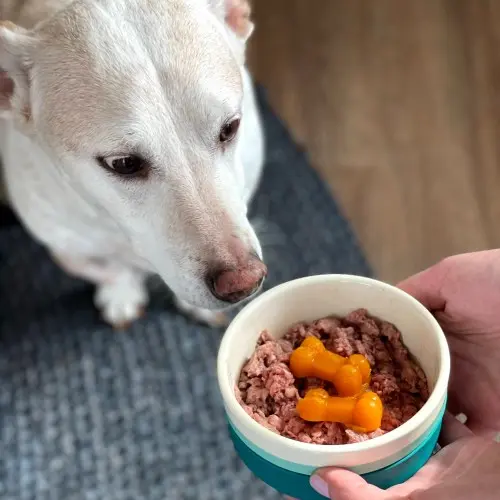
Credit: wefeedraw.com
Benefits Of Raw Dog Food
Raw dog food offers many benefits for puppies. It mimics their natural diet and provides essential nutrients. Feeding raw can improve overall health and vitality. Puppies thrive on fresh, whole ingredients that support growth and development.
Improved Digestion And Nutrient Absorption
Raw food contains natural enzymes that aid digestion. These enzymes help break down food more efficiently. Better digestion means puppies absorb more vitamins and minerals. This supports strong bones, muscles, and immune function. Many puppies experience less gas and firmer stools with raw diets.
Enhanced Coat And Skin Health
Raw diets are rich in omega fatty acids and vitamins. These nutrients promote shiny coats and healthy skin. Puppies often show reduced itching and dryness after switching. A healthy coat reflects good nutrition and overall well-being. Soft fur and less shedding make grooming easier.
Increased Energy Levels
Puppies fed raw food often have more energy. The natural fats and proteins provide lasting fuel. Active pups play longer and recover faster. High-quality raw diets support muscle growth and stamina. Watch your puppy’s vitality improve with balanced nutrition.
Potential Risks For Puppies
Puppies have delicate systems that are still developing, which makes feeding them raw dog food a topic that requires careful thought. While raw diets have their advocates, it’s important to be aware of the potential risks that could affect your puppy’s health and growth. Understanding these risks helps you make safer choices for your furry friend.
Bacterial Contamination
Raw meat can carry harmful bacteria like Salmonella and E. coli. Puppies have weaker immune systems than adult dogs, so these bacteria can cause serious illnesses quickly.
It’s not just about your puppy getting sick—these bacteria can also spread to your family through handling the raw food. You might think washing your hands is enough, but cross-contamination in the kitchen is common.
Would you risk your puppy’s health for convenience? Taking extra precautions or reconsidering raw feeding might be worth it.
Nutritional Imbalances
Puppies need precise nutrients in the right amounts to grow strong and healthy. Raw diets that aren’t carefully planned can lack essential vitamins or minerals like calcium and phosphorus.
I once heard from a puppy owner whose dog developed bone problems because the raw diet was missing key nutrients. It’s a reminder that feeding raw without expert guidance can do more harm than good.
Have you checked if your raw recipe covers all puppy nutritional needs? Missing just one nutrient can lead to long-term health issues.
Choking And Bone Hazards
Raw bones might seem natural, but they pose choking risks or can splinter and cause internal injuries. Puppies are especially curious and may not chew bones properly.
Sharp bone fragments can puncture the digestive tract or get stuck in the throat, creating emergency situations. Even if your puppy enjoys chewing, the risk is real and often underestimated.
Would you want to take that chance with your puppy’s safety? Safer alternatives like specially designed chew toys might be a better choice.
Key Nutrients For Growing Puppies
Puppies require balanced nutrition for healthy growth. Raw dog food can provide essential nutrients. It’s crucial to know what nutrients puppies need. This ensures their development is on the right track.
Protein Requirements
Protein is vital for puppies’ muscle and tissue development. It helps in repairing cells. Puppies need high-quality protein sources. These include chicken, beef, and fish. Protein also supports their immune system. Ensure they get the right amount daily.
Essential Vitamins And Minerals
Vitamins and minerals are crucial for puppies. They support bone health and overall growth. Calcium and phosphorus are important for strong bones. Vitamin A and D aid in vision and skin health. Zinc and iron are vital for blood health.
Fatty Acids Importance
Fatty acids are necessary for brain development. Omega-3 and Omega-6 are two key types. They support vision and cognitive function. Fish oil is a great source of Omega-3. Balance these acids for optimal puppy health.
Safe Practices For Feeding Raw
Feeding raw food to puppies requires careful attention to safety. Puppies have sensitive immune systems. Unsafe raw food can cause illness. Following safe practices helps protect their health and wellbeing. Proper selection, handling, and hygiene reduce risks. This guide explains key steps to keep your puppy safe.
Selecting Quality Ingredients
Choose fresh, high-grade meats from trusted sources. Avoid processed or old products. Include a variety of meats for balanced nutrition. Use organic or grass-fed options if possible. Check for signs of spoilage like bad smell or discoloration. Avoid raw ingredients that carry a high risk of bacteria.
Proper Handling And Storage
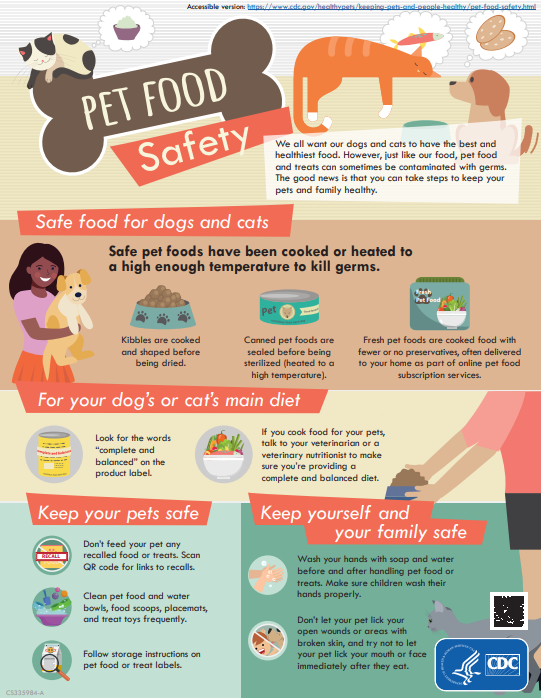
Keep raw food refrigerated or frozen until use. Thaw frozen food in the fridge, not at room temperature. Use clean containers for storing raw meat. Separate raw food from other household foods. Prepare food in a clean area to prevent cross-contamination. Serve raw food immediately after preparation. Discard any leftovers that have been out too long.
Hygiene And Sanitation Tips
- Wash hands thoroughly before and after handling raw food.
- Clean all utensils, cutting boards, and surfaces with hot, soapy water.
- Sanitize feeding bowls daily to kill bacteria.
- Keep feeding areas clean and dry.
- Wear gloves if you have cuts or open wounds on your hands.
- Regularly clean your puppy’s mouth and teeth to avoid infections.
Consulting Your Veterinarian
Consulting your veterinarian is essential before feeding raw dog food to puppies. Puppies have unique nutritional needs that differ from adult dogs. A vet can guide you on safe feeding practices and prevent health risks. Early advice supports your puppy’s healthy growth and development.
Assessing Puppy Health
A vet will check your puppy’s overall health before suggesting any diet changes. This includes examining weight, digestive health, and immune system strength. Puppies with weak health may need special diets or supplements. This step helps avoid feeding raw food to puppies who may not tolerate it well.
Tailoring Diet Plans
Every puppy is different. Vets create diet plans based on breed, age, and health status. Raw diets require careful balance of proteins, fats, vitamins, and minerals. A vet ensures the raw food meets all these needs. Customized plans reduce risks of nutrient deficiencies or excesses.
Monitoring Growth And Development
Regular vet visits track your puppy’s growth on a raw diet. Weight and energy levels are key indicators. Adjustments to the diet happen based on these checkups. This close monitoring prevents problems like stunted growth or digestive issues. It ensures your puppy stays strong and healthy.
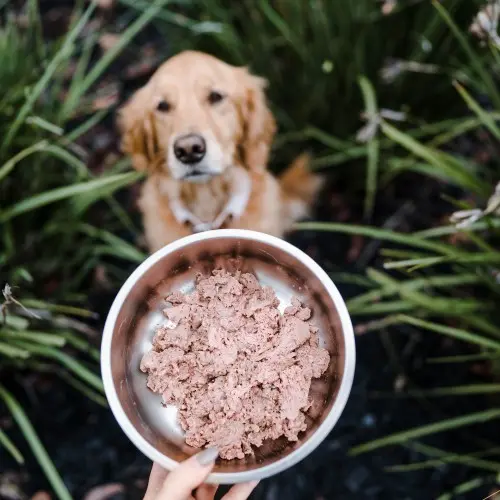
Credit: wefeedraw.com
Alternatives To Raw Feeding
If you’re unsure about feeding your puppy a fully raw diet, there are several safe and healthy alternatives to consider. These options can provide balanced nutrition without the risks sometimes associated with raw feeding. Let’s look at some practical choices that might fit your lifestyle and your puppy’s needs.
Commercial Puppy Diets
Commercial puppy diets are designed to meet all the nutritional needs of growing dogs. They undergo rigorous testing to ensure safety and balance, giving you peace of mind. Many brands now offer grain-free, limited ingredient, and breed-specific formulas, so you can find one that suits your puppy perfectly.
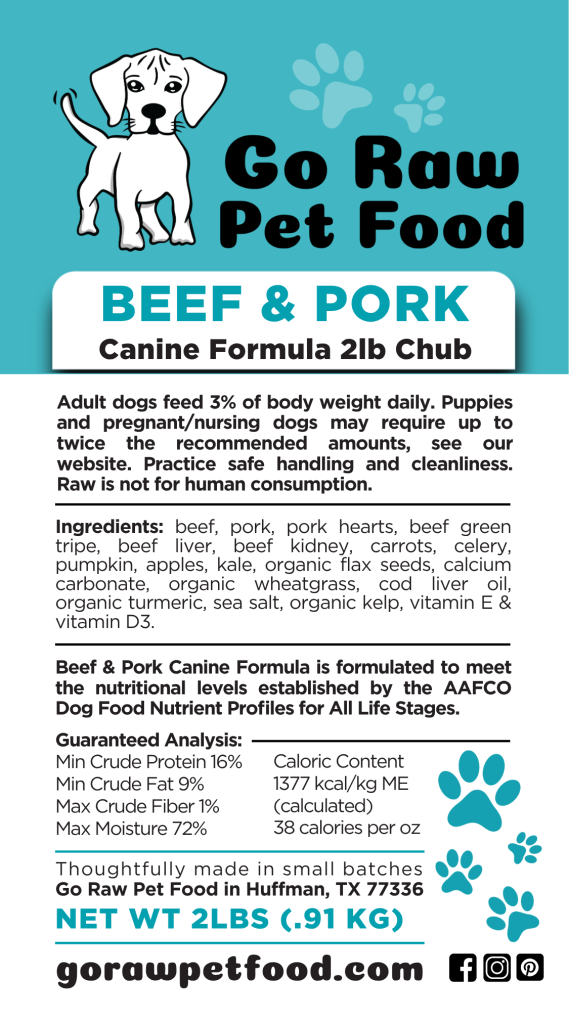
Look for products labeled “complete and balanced” by AAFCO standards. This guarantees your puppy gets the right vitamins, minerals, and proteins. Plus, these diets save time and reduce the hassle of meal prep.
Cooked Homemade Meals
Cooking meals at home allows you to control every ingredient in your puppy’s diet. You can avoid preservatives and fillers common in some commercial foods. Just remember to include a mix of proteins, vegetables, and carbs to cover all nutritional bases.
Many dog owners report better digestion and shinier coats after switching to cooked homemade food. However, it requires planning and research to ensure no nutrient is missing. Have you tried making meals for your puppy? It might surprise you how easy it can be once you get the hang of it.
Balanced Raw And Cooked Mix
Combining raw and cooked foods can offer the best of both worlds. You get the natural benefits of raw feeding while minimizing the risks by including cooked elements. This mix also provides variety, which many puppies enjoy.
For example, you could feed raw meaty bones a few times a week and cooked meals on other days. This approach can help reduce bacterial contamination concerns and still deliver essential nutrients. Have you considered blending these approaches to tailor your puppy’s diet?
Credit: www.cdc.gov
Frequently Asked Questions
Is Raw Dog Food Safe For Puppies To Eat?
Raw dog food can be safe if properly prepared and balanced. It must meet puppies’ nutritional needs and be free from harmful bacteria. Consult a vet to ensure the diet supports healthy growth and development without risks.
What Are The Benefits Of Raw Food For Puppies?
Raw food may improve coat shine, digestion, and energy levels in puppies. It often contains natural nutrients and enzymes. However, benefits depend on diet quality and proper hygiene to avoid health issues.
Are There Risks Feeding Puppies Raw Dog Food?
Yes, risks include bacterial infections, parasites, and nutritional imbalances. Puppies have weaker immune systems, so food safety and balanced nutrition are crucial. Always consult a vet before starting raw feeding.
How To Safely Transition Puppies To Raw Food?
Transition gradually over 7-10 days by mixing raw with current food. Monitor puppy’s health and stool quality. Ensure raw ingredients are fresh, hygienic, and properly stored to reduce health risks.
Conclusion
Raw dog food can be safe for puppies with the right care. Choose fresh, clean ingredients to avoid health risks. Puppies need a balanced diet for strong growth and energy. Always check with your vet before changing their food. Proper handling and hygiene keep your puppy healthy.
Watch for any signs of illness or allergies. Feeding raw food takes time and attention but can be rewarding. Your puppy’s safety and health come first in every choice.