
Are you wondering if a raw food diet is the best choice for your dog? You want what’s healthiest and safest for your furry friend, but with so many opinions out there, it’s hard to know what’s right.
What if feeding your dog raw food could boost their energy, improve their coat, and support overall health? But is it really the best option, or could it bring hidden risks? Keep reading to discover the truth about raw food diets for dogs, so you can make the best decision for your loyal companion.
Credit: www.thisdogslife.co
Raw Food Diet Basics
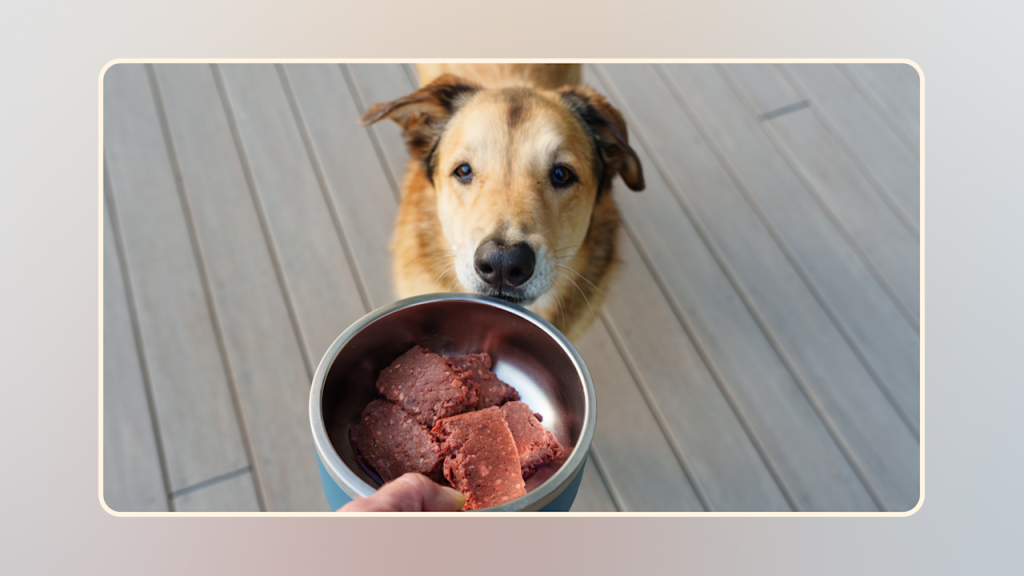
The raw food diet for dogs focuses on feeding them natural, uncooked ingredients. Many believe this diet mirrors what wild dogs eat. This approach aims to provide fresh nutrients without additives or preservatives. Understanding the basics helps decide if this diet suits your dog’s needs.
What Raw Food Diet Includes
The raw food diet usually contains:
- Raw meat like beef, chicken, or lamb
- Organ meats such as liver and kidneys
- Raw bones for calcium and dental health
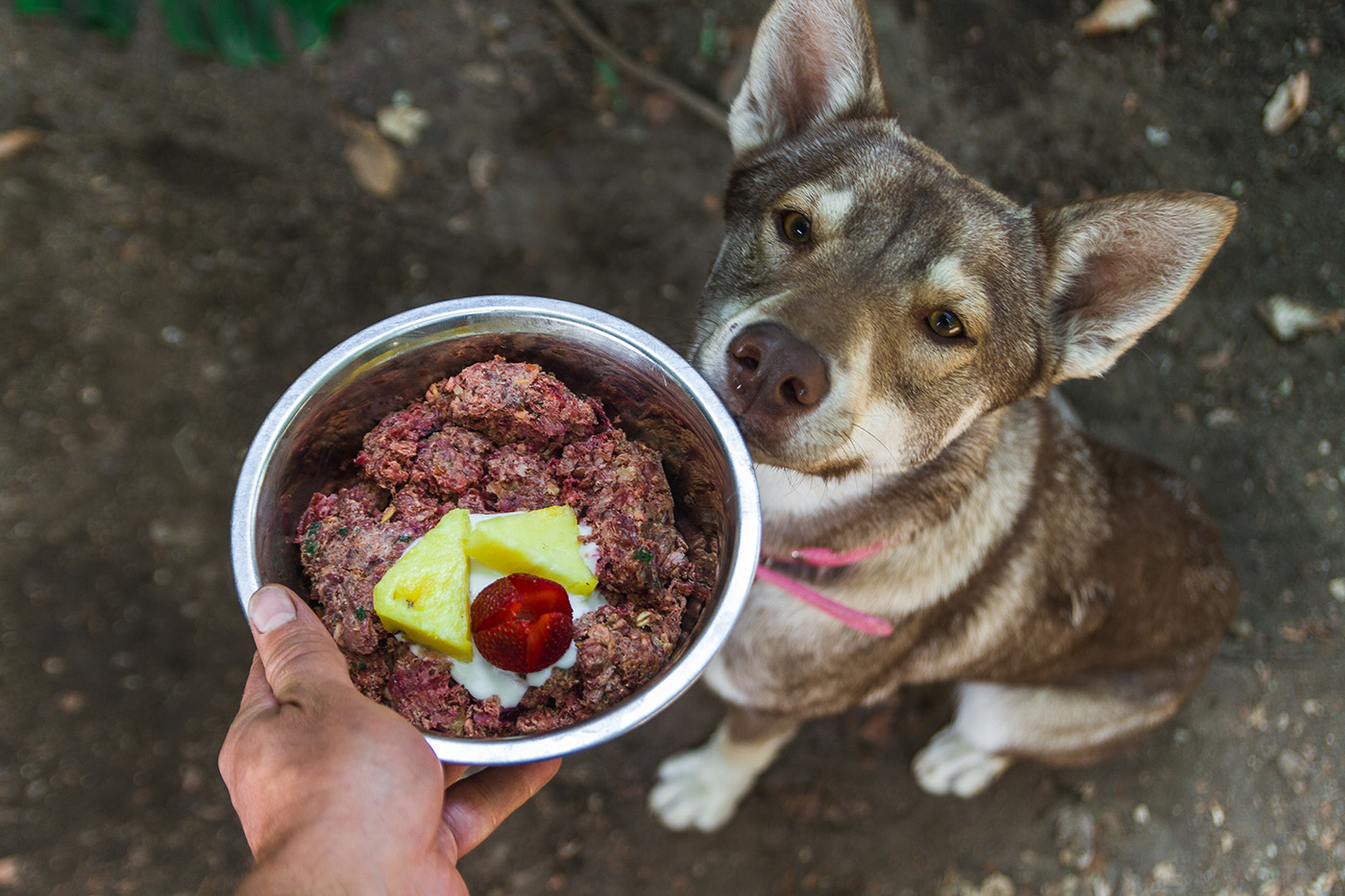
- Fresh vegetables and fruits for vitamins
- Sometimes supplements like fish oil or eggs
All ingredients are given in their natural, uncooked state. This keeps nutrients intact and easy to digest.
How It Differs From Traditional Diets
Traditional dog diets often include cooked or processed foods. These can have fillers, preservatives, and artificial flavors. They also use heat that may reduce nutrient content.
Raw diets avoid cooking and processing. This offers more natural enzymes and nutrients. It aims to mimic a dog’s natural eating habits. Many owners report shinier coats and more energy in their dogs on raw diets.
Benefits Of Raw Food Diet
Switching your dog to a raw food diet can bring noticeable benefits that go beyond just their meals. Many dog owners report improvements in their pet’s overall well-being, which makes you wonder if this diet could be the key to a healthier life for your furry friend. Let’s take a closer look at some specific advantages you might see when feeding your dog raw food.
Improved Digestion
Raw food is closer to what dogs naturally ate before commercial kibble existed. This means their digestive systems often handle it better, leading to less gas and firmer stools. You might notice your dog feeling more comfortable after meals and having more regular bathroom habits.
Have you ever observed your dog struggling with indigestion? Switching to raw might ease those issues by providing enzymes and nutrients that support healthy digestion.
Healthier Coat And Skin
One of the first things many owners notice is a shinier, softer coat after switching to raw food. The natural fats and oils in raw meat nourish the skin and fur from the inside out.
If your dog has dry skin or excessive shedding, raw food may help reduce these problems. It’s like giving your dog a natural beauty boost with every meal.
Increased Energy Levels
Raw diets often provide more bioavailable nutrients, which can translate into higher energy for your dog. You might find your pet more playful and alert throughout the day.
Think about your dog’s usual energy dips. Could their diet be missing something essential that raw food could supply?
Better Dental Health
Chewing raw meaty bones can help reduce plaque and tartar buildup naturally. This often means fresher breath and fewer dental problems over time.
Instead of relying solely on dental treats or professional cleanings, feeding raw can be a practical way to support your dog’s oral health daily.
Potential Risks
Switching to a raw food diet for your dog might seem appealing. Yet, it’s crucial to understand the potential risks involved. This diet isn’t just about tossing your dog a piece of raw meat. It demands careful planning and consideration to avoid health issues.
Nutritional Imbalances
Raw diets may lack essential nutrients. Dogs require a balanced intake of vitamins, minerals, and proteins. Preparing a balanced raw meal can be challenging. An imbalance can lead to serious health problems over time. Consulting a vet for guidance is wise.
Bacterial Contamination
Raw meats can harbor harmful bacteria like Salmonella or E. coli. These bacteria pose risks to both dogs and humans. Proper handling and storage are crucial to minimize contamination. Always clean surfaces and wash hands after handling raw food.
Choking And Bone Hazards
Raw bones can be dangerous. They can splinter and cause choking or internal injuries. Cooked bones are even riskier. Always supervise your dog while eating bones. Ensure they are size-appropriate and not too hard.
Impact On Immune System
A raw diet can affect a dog’s immune system. Some dogs may experience allergies or digestive issues. It may take time for a dog’s system to adjust. Monitor your dog for any adverse reactions. Regular vet check-ups can help detect issues early.
Who Should Consider Raw Diet
Choosing the right diet for your dog is important for their health and happiness. A raw food diet offers natural nutrients and fewer processed ingredients. Some dogs benefit more from this diet than others. Knowing who should consider raw food helps you decide wisely.
Ideal Dog Profiles
- Active dogs with high energy needs
- Dogs with food allergies or sensitivities
- Young puppies needing balanced nutrition
- Dogs with healthy teeth and gums
- Pets showing digestive issues on commercial food
These dogs often respond well to raw food. The diet can improve coat shine, digestion, and energy levels. Still, a vet’s advice is crucial before switching diets.
When To Avoid Raw Food
- Senior dogs with weak immune systems
- Dogs with certain medical conditions
- Puppies under eight weeks old
- Pets prone to bacterial infections
- Homes with young children or elderly people
Raw food carries bacteria risks that may harm vulnerable pets. Improper handling increases chances of illness. In these cases, safer diets are better choices.
Preparing Raw Meals Safely
Preparing raw meals safely for your dog is crucial to protect their health and ensure they get the right nutrition. Handling raw food requires careful attention to cleanliness and ingredient quality to avoid harmful bacteria. Let’s look at how you can prepare safe and nutritious raw meals for your furry friend.
Choosing Quality Ingredients
The foundation of a safe raw diet starts with selecting fresh, high-quality ingredients. Look for meat from trusted sources that follow strict hygiene standards. Organic or grass-fed options tend to have fewer contaminants and better nutrient profiles.
Don’t overlook organ meats like liver and kidneys—they add essential vitamins and minerals. Fresh vegetables and fruits can boost your dog’s fiber and antioxidants. Have you checked the origin and freshness of the meat you buy lately?
Proper Storage And Handling
Keeping raw ingredients safe means storing them at the right temperature and avoiding cross-contamination. Always store raw meat separately from other foods in your fridge or freezer. Use airtight containers or sealed bags to prevent leaks and odors.
Clean all surfaces and utensils thoroughly after contact with raw food. Washing your hands before and after handling raw meals is a must. Have you noticed how small mistakes in storage can lead to big health risks?
Balancing Nutrients
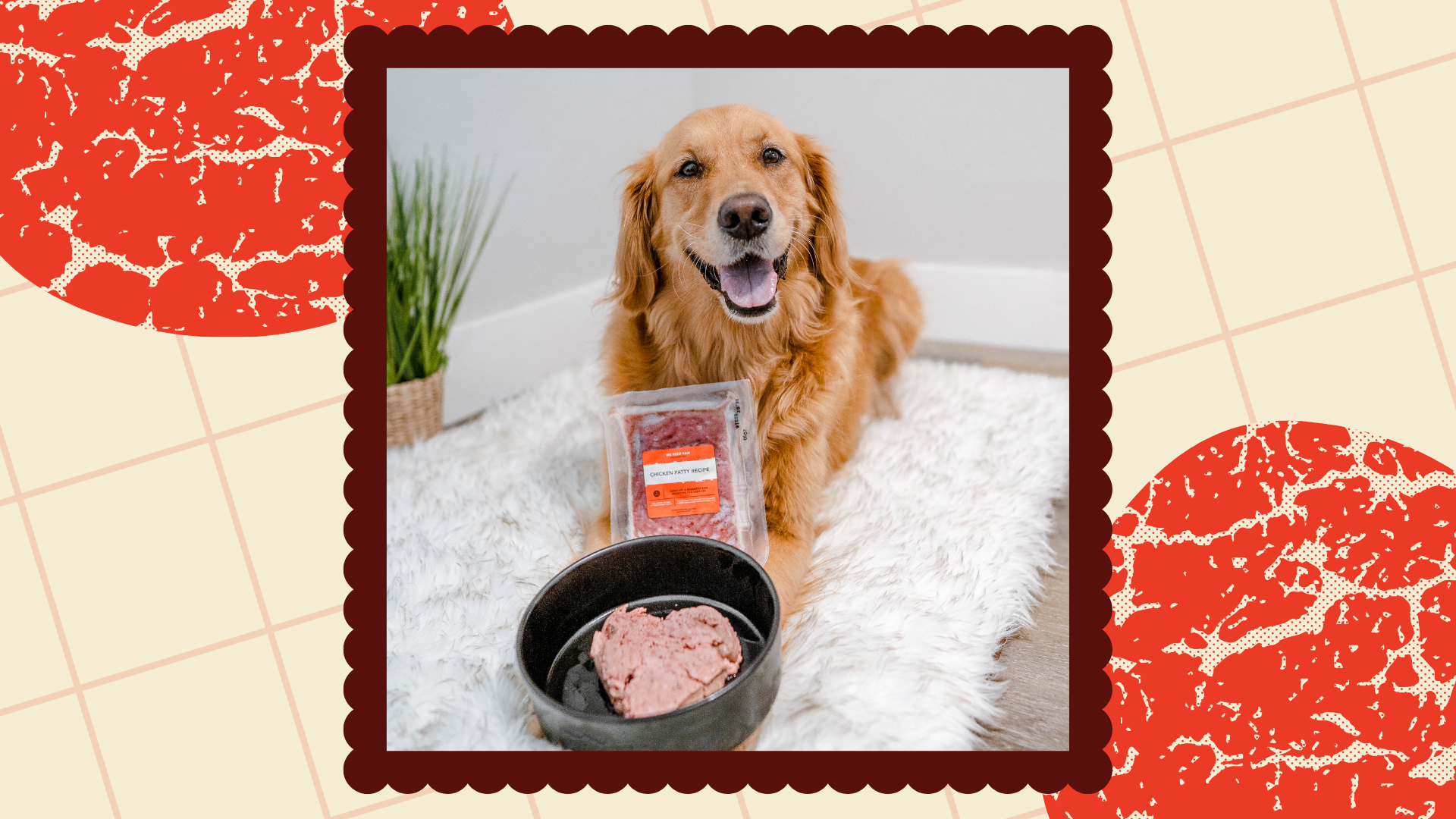
Raw meals must provide a balanced mix of proteins, fats, vitamins, and minerals to keep your dog healthy. A good ratio to aim for is roughly 80% muscle meat, 10% bone, and 10% organs. You can add small amounts of vegetables and fruits, but avoid toxic foods like onions and grapes.
Consider supplements like fish oil or vitamin E if needed, but consult your vet first. Tracking your dog’s weight and energy levels helps you adjust the diet as necessary. Are you confident your dog’s raw meals cover all their nutritional needs?
Credit: wefeedraw.com
Transitioning To Raw Food
Switching your dog to a raw food diet requires patience and attention. Sudden changes can upset your dog’s stomach or cause refusal to eat. Taking a gradual approach helps your dog adjust comfortably and enjoy the new diet.
Step-by-step Introduction
Start by mixing a small amount of raw food with your dog’s current diet. This helps them get used to new tastes and textures without shock.
- Begin with about 10% raw food and 90% regular food.
- Increase the raw portion by 10% every few days.
- Watch for any signs of digestive upset during this phase.
Keep the raw food fresh and handle it safely to prevent contamination. Your goal is a smooth transition over 1 to 2 weeks, but every dog is different.
Monitoring Dog’s Response
Pay close attention to your dog’s energy levels, stool quality, and appetite. Are they excited about mealtime or hesitant? Loose stools or vomiting might mean you’re moving too fast.
Notice if your dog shows more enthusiasm or seems lethargic. This feedback tells you if the diet is suiting their needs or needs tweaking. You might even catch subtle signs like itchiness reducing or coat shining up, which are great indicators.
Adjusting Portions And Ingredients
After full transition, adjust the amounts based on your dog’s size, age, and activity level. Larger or more active dogs need more calories, so increase portions accordingly.
If your dog shows sensitivity to certain ingredients, try swapping them out. For example, if chicken causes itching, try turkey or beef instead.
- Balance muscle meat, organs, and bones carefully.
- Include supplements like fish oil for omega-3s if needed.
- Keep variety in the diet to cover all nutrients.
How will you observe and respond to your dog’s unique needs during this change? Remember, you are the best judge of your dog’s comfort and happiness with their new diet.
Expert Opinions And Research
Experts and research provide key insights on the raw food diet for dogs. Opinions vary widely among professionals. Some vets support raw feeding for certain dogs. Others warn about potential risks. Scientific studies add facts but also show mixed results. Understanding these views helps dog owners decide better.
Veterinarian Perspectives
Many veterinarians stress safety and balance in dog diets. Some vets recommend raw food for dogs with allergies or digestive issues. They highlight benefits like improved coat and energy. Others raise concerns about bacteria in raw meat. They worry about nutritional imbalances and bone hazards. Vets often suggest consulting before switching diets. Regular health checks remain essential for dogs on raw diets.
Scientific Studies Overview
Research on raw food diets for dogs has grown recently. Studies show some dogs on raw diets have better dental health. Certain research points to improved digestion and nutrient absorption. Other studies find risks like bacterial infections from raw meat. Nutrition experts emphasize the need for balanced meals. Few large-scale studies exist, so evidence is not yet conclusive. More research is required to confirm long-term effects.
Alternative Diet Options
If you’re considering alternatives to a raw food diet for your dog, there are several options that offer balanced nutrition without the challenges of handling raw ingredients. Each alternative comes with its own benefits and considerations, giving you flexibility to choose what fits best with your lifestyle and your dog’s health needs.
Commercial Raw Diets
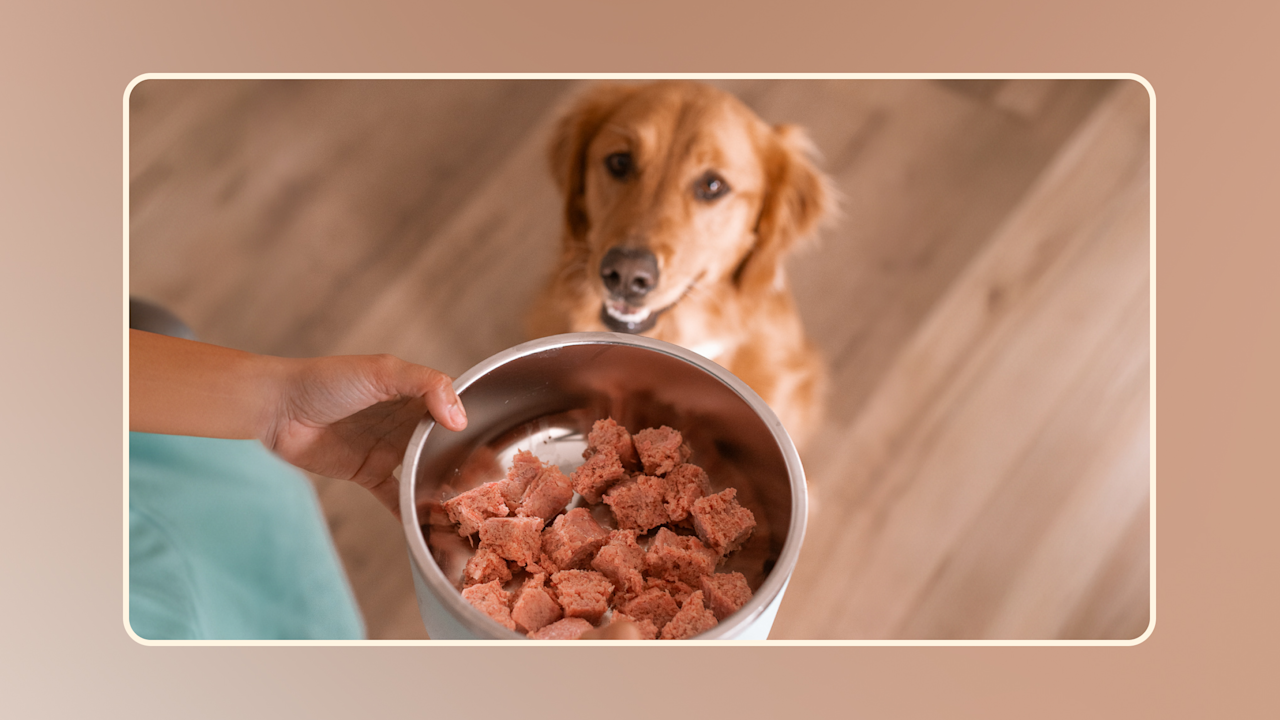
Commercial raw diets are pre-packaged and often come frozen or freeze-dried. They save you time and reduce the risk of contamination since the food is processed under strict safety standards.
These diets usually include a mix of muscle meat, organs, and sometimes vegetables, designed to meet nutritional requirements. Have you checked the ingredient list and sourcing practices before choosing one? Quality varies widely between brands, so reading reviews and consulting your vet is key.
Cooked Homemade Meals
Cooking your dog’s meals at home lets you control every ingredient, ensuring freshness and quality. You can tailor meals to suit your dog’s allergies or sensitivities.
Start with lean meats, vegetables, and grains that are safe for dogs. But remember, cooking can reduce some nutrients, so you might need supplements. Are you prepared to spend time researching recipes and balancing nutrients?
High-quality Dry And Wet Foods
Premium commercial dry and wet foods offer convenience and balanced nutrition. Many brands now include high-quality proteins and wholesome ingredients without fillers.
Look for products with clear labels, named protein sources, and minimal additives. Have you noticed how some dogs thrive on these diets with improved energy and coat condition? Choosing the right formula can make a big difference.
Credit: wefeedraw.com
Frequently Asked Questions
What Are The Benefits Of A Raw Food Diet For Dogs?
A raw food diet can improve your dog’s coat, energy, and digestion. It provides natural nutrients and fewer processed ingredients. Many owners report healthier teeth and reduced allergies. However, benefits vary depending on the dog’s health and the diet’s balance.
Are Raw Food Diets Safe For All Dogs?
Raw food diets are generally safe but require careful preparation. Puppies, seniors, and dogs with health issues need vet approval. Improper handling can cause bacterial contamination. Always consult your vet before switching to ensure the diet meets your dog’s needs.
How Does A Raw Food Diet Affect Dog Digestion?
Raw diets often improve digestion due to natural enzymes and fewer fillers. Some dogs may experience softer stools or improved bowel movements. However, sudden changes can cause digestive upset. Transition slowly and monitor your dog’s response carefully.
Can Raw Food Diets Prevent Common Dog Allergies?
Raw diets may reduce allergies by eliminating artificial additives and fillers. They focus on whole foods, which some dogs tolerate better. However, allergies depend on individual sensitivities. Consult your vet to identify and avoid specific allergens in your dog’s diet.
Conclusion
Choosing the right diet for your dog takes thought and care. Raw food diets have benefits and risks to consider. Dogs may enjoy fresher ingredients and better digestion. Still, safety and balanced nutrition matter most. Consult your vet before changing your dog’s meals.
Watch your dog’s health and energy closely. Every dog is unique, and what works best varies. Keep your dog happy, healthy, and thriving with smart food choices.