
Are you wondering if adult dog food might be too harsh on your puppy’s sensitive belly? You’re not alone.
Many pet owners worry about what’s best for their growing pups, especially when it comes to their diet. Feeding your puppy the wrong food can cause upset tummies, discomfort, and even long-term health issues. But how do you know if adult dog food is safe, or if it could be causing more harm than good?
Keep reading to find out what you need to watch for and how to make the best choice for your furry friend’s health and happiness.
Puppy Digestion Basics
Puppy digestion is delicate and different from adult dogs. Understanding how their stomachs work helps in choosing the right food. Puppies need gentle nutrition that supports growth without upsetting their tummies.
How Puppy Stomachs Differ
Puppy stomachs are smaller and less strong than adult dogs’. They produce fewer digestive enzymes. This means puppies can’t break down tough food easily. Their stomach lining is more sensitive, which can cause irritation. Puppies also have faster digestion but absorb nutrients less efficiently. Feeding them adult dog food may be too harsh and cause discomfort.
Common Digestive Issues In Puppies
Puppies often face digestive problems due to their sensitive stomachs. Some common issues include:
- Diarrhea caused by sudden diet changes or rich food
- Vomiting from food that is too hard to digest
- Gas and bloating due to immature gut flora
- Constipation from lack of fiber or water
- Allergic reactions to certain ingredients in adult food
Choosing food made for puppies helps avoid these problems. It supports healthy digestion and overall growth.

Credit: wefeedraw.com
Adult Dog Food Ingredients
Adult dog food ingredients differ from puppy food in key ways. These differences affect how a puppy’s belly reacts to the food. Adult dog food usually contains nutrients meant for fully grown dogs. This can sometimes be too strong or hard for a puppy’s sensitive stomach.
Nutrient Differences
Adult dog food has more protein and fat than puppy food. Puppies need a balanced diet to support fast growth and development.
- Higher protein in adult food may strain a puppy’s digestive system.
- Adult formulas often have fewer vitamins and minerals for bone growth.
- Puppy food contains more DHA, important for brain and eye development.
These nutrient differences can cause discomfort or upset in young puppies.
Potential Irritants For Puppies
Adult dog food sometimes contains ingredients that irritate puppies’ tummies.
- More fiber can cause gas and loose stools in puppies.
- Artificial preservatives and flavors may trigger allergies or sensitivities.
- Large kibble size in adult food can be hard for puppies to chew.
These factors make adult dog food too harsh for many puppies.
Signs Of Digestive Discomfort
Puppies may show signs like vomiting, diarrhea, or gas if adult dog food is too harsh. Watch for changes in appetite or energy levels as well. These symptoms often indicate digestive discomfort in young dogs.
Recognizing the signs of digestive discomfort in your puppy is crucial for their health and well-being. Puppies have sensitive stomachs that may react negatively to adult dog food. Understanding the symptoms can help you take timely action to ensure your furry friend remains happy and healthy.Symptoms To Watch For
Pay attention to changes in your puppy’s behavior and bodily functions. Common symptoms of digestive discomfort include vomiting, diarrhea, and excessive gas. If your puppy seems less energetic or refuses food, it’s a clear signal that something might be wrong. You might also notice bloating or a distended belly. In some cases, your puppy might whine or cry due to stomach pain. Keep an eye on these signs, as they can indicate that your puppy’s diet needs adjustment.When To Consult A Vet
Knowing when to seek professional help is vital. If symptoms persist for more than a day or are accompanied by blood in stool or vomit, it’s time to consult a vet. Your vet can provide guidance on whether the food is suitable or suggest alternative options. Frequent digestive issues might require a specialized diet or additional medical tests. Don’t wait too long to reach out to a professional, as prolonged discomfort can lead to more serious health problems. Is your puppy showing any of these signs? Trust your instincts and take action. Your quick response can make a big difference in your puppy’s comfort and health.Safe Transition Strategies
Switching a puppy’s diet to adult dog food needs care. Sudden changes can upset their delicate belly. Safe transition strategies help avoid stomach problems and keep your puppy happy. These tips make the change smooth and gentle.
Gradual Food Changes
Introduce adult dog food slowly over 7 to 10 days. Start by mixing a small amount of adult food with puppy food. Increase the adult food portion each day while reducing puppy food. Watch your puppy’s reactions closely. This slow change helps their belly adjust without stress.
Mixing Adult And Puppy Food
Mixing both foods balances nutrition and comfort. Use a bowl with half puppy food and half adult food at first. Gradually change the ratio until only adult food remains. This method helps the puppy’s digestive system get used to new ingredients. Keep water nearby to aid digestion during the transition.
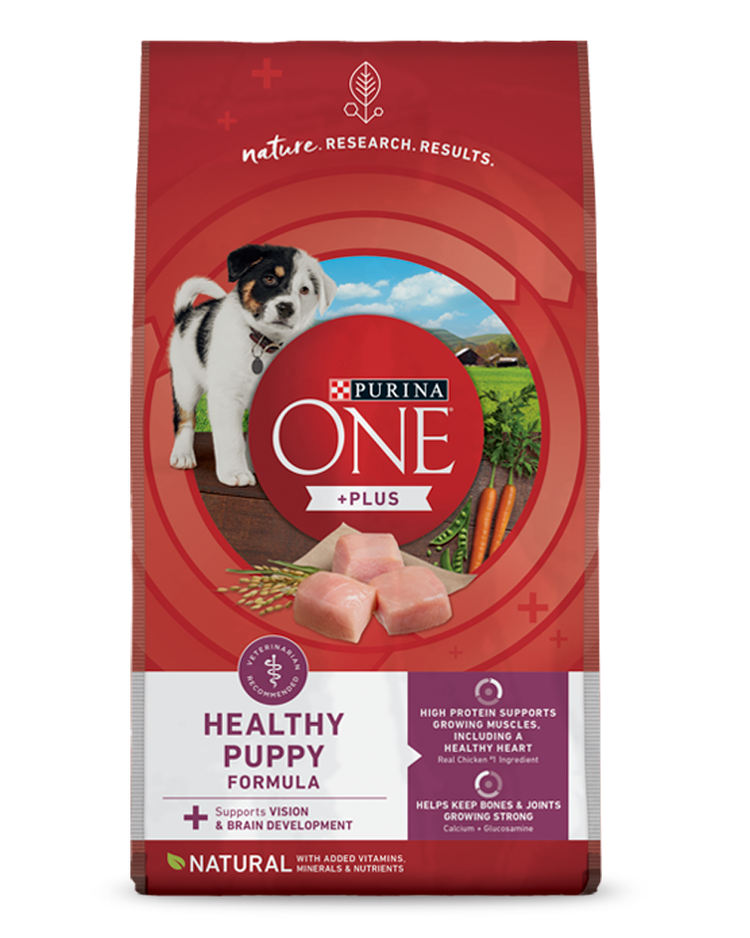
Choosing Gentle Puppy Food
Choosing gentle puppy food is essential to protect your pup’s delicate digestive system. Puppies have sensitive stomachs that can react poorly to adult dog food, leading to discomfort and digestive issues. Selecting the right food can make a big difference in how your puppy grows and feels every day.
When you shop for puppy food, pay attention to the ingredients and how they affect your puppy’s tummy. You want a formula that supports growth without causing harsh reactions. Have you noticed your puppy having tummy troubles after meals? The right food might be the solution.
Key Ingredients For Sensitive Stomachs
- Easy-to-digest proteins:Look for chicken, turkey, or fish as the main protein source. These are usually gentler than beef or lamb.
- Limited fillers:Avoid foods heavy in corn, wheat, or soy, which can irritate sensitive stomachs.
- Prebiotics and probiotics:These support healthy gut bacteria, improving digestion and nutrient absorption.
- Natural fiber:Ingredients like pumpkin or sweet potato help regulate bowel movements without causing upset.
- Minimal artificial additives:Steer clear of foods with artificial colors, flavors, or preservatives that might trigger allergies or sensitivities.
Choosing foods rich in these ingredients can ease your puppy’s digestion and reduce belly discomfort. Have you checked your current puppy food label for these elements?
Recommended Puppy Food Brands
| Brand | Why It’s Gentle | Key Features |
|---|---|---|
| Hill’s Science Diet Puppy | Formulated for sensitive stomachs | Prebiotic fiber, easy-to-digest proteins, no artificial colors |
| Blue Buffalo Life Protection Puppy | Uses natural ingredients with limited fillers | Real chicken, pumpkin, probiotics |
| Wellness CORE Grain-Free Puppy | Grain-free to avoid common allergens | High protein, added probiotics, no fillers |
| Natural Balance L.I.D. Limited Ingredient Diets Puppy | Minimal ingredients to reduce allergic reactions | Single protein source, easily digestible carbs |
These brands are trusted by many puppy owners who want to keep their furry friends comfortable and healthy. If your puppy’s belly is often upset, trying one of these might help you see a positive change fast. What brand are you currently feeding your pup, and have you noticed any digestive issues?

Credit: www.lilyskitchen.co.uk
Home Remedies For Sensitive Bellies
Some puppies have sensitive bellies that react to adult dog food. This can cause discomfort, diarrhea, or vomiting. Home remedies help calm their stomachs and improve digestion. These remedies are gentle and safe for young pups. They support a puppy’s health without harsh chemicals or medicines.
Soothing Additives
Certain natural additives soothe a puppy’s upset stomach. Adding plain pumpkin can help firm stools and ease digestion. A small amount of plain yogurt provides good bacteria that balance gut health. Ginger powder in tiny amounts may reduce nausea and bloating. Always introduce these additives slowly to check for allergies or reactions.
Feeding Schedule Tips
Regular feeding times help a puppy’s belly adjust and prevent upset. Small, frequent meals reduce strain on the digestive system. Avoid giving large portions at once to prevent bloating. Keep water available but limit excessive drinking during meals. Consistency in feeding builds strong digestion habits for sensitive pups.
Credit: www.purina.com
Frequently Asked Questions
Is Adult Dog Food Safe For Puppies’ Digestion?
Adult dog food is often too rich for puppies. It lacks essential nutrients tailored for growing pups. Feeding adult food to puppies can cause digestive upset and nutrient deficiencies. Always choose puppy-specific food for proper growth and a healthy belly.
How Does Puppy Food Differ From Adult Dog Food?
Puppy food contains higher protein, fat, and calories to support growth. It also includes specific vitamins and minerals essential for development. Adult dog food has lower nutrient levels designed for maintenance. Feeding the right formula ensures puppies get balanced nutrition for healthy development.
Can Adult Dog Food Cause Stomach Issues In Puppies?
Yes, adult dog food can cause stomach upset in puppies. Its richer content may be hard to digest for their sensitive tummies. Symptoms include diarrhea, vomiting, or bloating. Using puppy-formulated food helps prevent these problems by providing gentle, balanced nutrition.
When Can Puppies Switch To Adult Dog Food?
Puppies can switch to adult food around 12 months old. Some larger breeds may need more time, up to 18-24 months. Transition gradually to avoid digestive issues. Consult your vet for the best timing based on your puppy’s breed and health.
Conclusion
Adult dog food can be too harsh for a puppy’s sensitive stomach. Puppies need gentle, balanced nutrition to grow strong and healthy. Feeding adult food might cause upset tummies or poor digestion. Choosing food made just for puppies supports their development better.
Always watch your puppy’s reaction to new food. Healthy eating habits start early and help your dog live longer. Keep your puppy happy with the right diet. Small changes make a big difference.