
Is your dog turning your yard into a digging zone? You’re not alone, and the good news is, you can stop this behavior.
Digging can damage your garden, ruin your landscaping, and cause frustration for you. But what if you could teach your dog to leave the dirt alone? You’ll discover simple, effective ways to train your dog not to dig. By understanding why your dog digs and learning the right techniques, you’ll protect your yard and enjoy a happier pet.
Keep reading to find out how to take control and create a peaceful outdoor space for both you and your dog.
Reasons Dogs Dig
Understanding why your dog digs is key to stopping the behavior. Dogs don’t dig just to annoy you—they have strong reasons behind it. Knowing these reasons helps you address the root cause and train your dog more effectively.
Instinct And Breed Traits
Digging is a natural instinct for many dogs, especially certain breeds. Terriers, for example, were bred to dig out burrowing animals, so their urge to dig runs deep. Even if your dog isn’t a typical digger, instincts can still kick in, especially if they sense prey underground.
Ask yourself: does your dog’s breed have a history connected to digging? Recognizing this can guide you in managing the behavior without frustration.
Boredom And Anxiety
Dogs often dig when they’re bored or anxious. If your dog is left alone too long or doesn’t get enough exercise, digging becomes an outlet for excess energy. It can also be a coping mechanism to deal with stress or separation anxiety.
If your dog suddenly starts digging more, consider changes in their routine or environment. Could they be feeling lonely or restless? Adding playtime or mental challenges can reduce the urge to dig.
Hunting And Seeking Comfort
Digging can also be a way for dogs to hunt or create a comfortable spot. Some dogs dig to uncover insects or small animals, satisfying their hunting instincts. Others dig to make a cool, shady spot to lie down, especially on hot days.
Have you noticed your dog digging in the same spot repeatedly? It might be their way of making a cozy den or searching for something interesting underground. Providing a designated digging area or cool resting spot can help redirect this behavior.
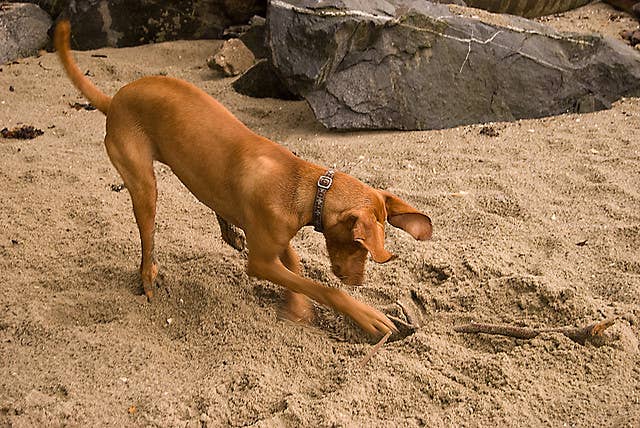
Credit: pethelpful.com
Preparing Your Yard
Getting your yard ready is an essential part of training your dog not to dig. Dogs dig for many reasons—boredom, instinct, or even to cool off. Preparing the environment helps reduce their urge to dig where you don’t want them to and guides their energy in a positive direction.
Remove Temptations
First, take a close look at your yard and identify anything that might attract your dog to dig. Buried toys, bones, or even leftover food scraps can spark their interest. Make sure to keep your yard clean and free from these enticing items.
Also, check for insect nests or small animals that might be hiding under the soil. These can trigger your dog’s natural hunting instincts. By removing these temptations, you reduce the chances of your dog digging out of curiosity or excitement.
Designate A Digging Area
Instead of trying to stop digging entirely, give your dog a specific spot where digging is allowed. Choose a corner of your yard and make it inviting with loose soil or sand. You can even bury toys or treats there to encourage your dog to dig in that area.
This approach helps your dog understand boundaries without feeling punished. It also gives them a safe outlet for their natural digging behavior. Have you noticed how dogs love having their own special place? Creating that spot can make a big difference.
Use Barriers And Deterrents
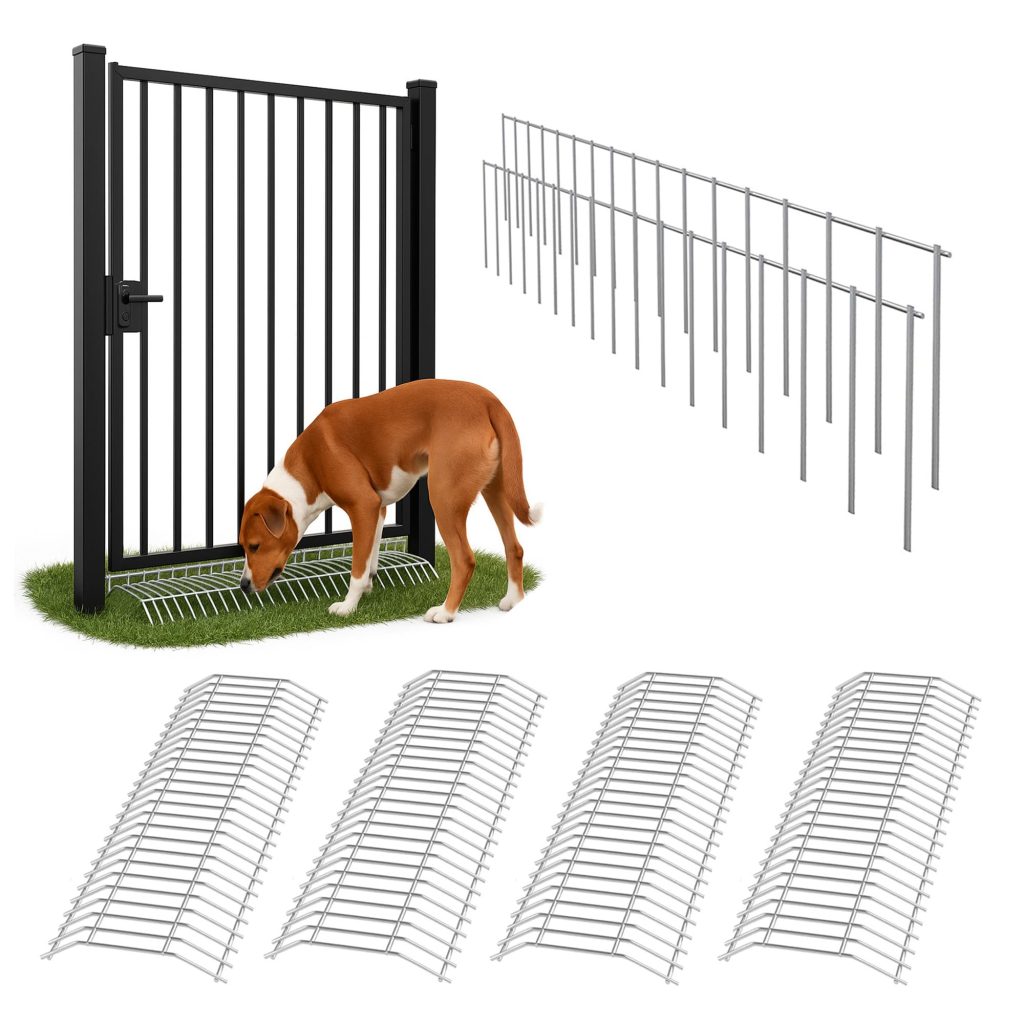
If certain areas are off-limits, use physical barriers like fences or garden borders to block access. Raised garden beds or chicken wire under soil can prevent your dog from digging up plants. These barriers protect your yard and send a clear message about where digging is not allowed.
Deterrents like citrus peels, vinegar sprays, or commercial pet repellents can also discourage digging. Try these in spots where your dog tends to dig the most. Have you ever tried using a harmless scent your dog dislikes? It’s a simple trick that can save you a lot of frustration.
Training Techniques
Teach your dog to stop digging by redirecting its energy to toys or playtime. Use gentle commands and reward calm behavior to encourage good habits. Consistency and patience help dogs learn to avoid digging in unwanted areas.
Training your dog not to dig can feel like a daunting task. However, with the right techniques, it can become a rewarding experience for both you and your furry friend. The key is consistency and patience. Below, you will find effective methods to curb your dog’s digging habits.Redirecting Digging Behavior
Redirecting your dog’s digging behavior involves providing them with an alternative activity. Create a designated digging area in your yard. Encourage your dog to dig there by burying toys or treats. If you catch them digging in an undesired spot, calmly guide them to their designated area. This teaches them where it’s acceptable to dig. Over time, they will learn to channel their energy appropriately.Positive Reinforcement
Positive reinforcement is a powerful tool in dog training. Reward your dog with treats or praise when they dig in the designated area. This helps reinforce the desired behavior. Avoid punishing your dog for digging in the wrong place. Instead, focus on rewarding good behavior. Dogs respond better to positive reinforcement, which can lead to faster learning.Consistent Commands And Signals
Use clear and consistent commands to guide your dog’s behavior. Choose a simple command like “no dig” or “leave it” to indicate unwanted digging. Use this command every time they start digging inappropriately. Pair commands with signals, like clapping or a gentle tug on their leash, to get their attention. Consistency in commands and signals helps your dog understand what you expect from them. Training your dog not to dig requires commitment and patience. Are you ready to invest time in your dog’s happiness and your yard’s preservation?
Credit: petbarrier.com.au
Exercise And Mental Stimulation
Exercise and mental stimulation are key to stopping your dog from digging. Dogs often dig because they’re bored or full of energy. If you can keep your dog active and engaged, you’ll notice less digging behavior.
Daily Physical Activities
Regular walks are a simple way to burn off your dog’s extra energy. Try varying the route to keep your dog curious and interested. Running, fetch, and swimming also provide great exercise.
Think about your dog’s breed and energy levels when planning activities. A high-energy dog needs more intense exercise to stay calm. Are you giving your dog enough physical outlets to release their energy?
Interactive Toys And Games
Toys that challenge your dog’s brain can reduce digging. Puzzle feeders, treat-dispensing toys, and sniffing games keep your dog busy. These toys encourage problem-solving and focus.
Hide treats around the yard or home to stimulate natural hunting instincts. This kind of play can distract your dog from digging holes. Does your dog have enough toys that make them think?
Training Sessions
Short, regular training sessions improve your dog’s mental sharpness. Teach commands like “sit,” “stay,” and “leave it” to redirect digging urges. Training builds your bond and gives your dog clear guidance.
Use positive reinforcement to encourage good behavior. Even five minutes a day can make a difference. How often do you engage your dog in focused training?
Managing Anxiety And Stress
Dogs often dig as a way to relieve anxiety and stress. Understanding how to manage these emotions can help you reduce this behavior effectively. Addressing the root cause is just as important as training commands.
Create A Calm Environment
Your dog’s surroundings play a big role in their stress levels. Try to keep their space quiet and free from sudden loud noises. Soft music or white noise machines can help soothe a nervous dog.
Consistency matters too. Stick to regular feeding, walking, and playtimes to give your dog a predictable routine. Have you noticed how your dog reacts to changes in your daily schedule?
Use Of Calming Products
Calming products can be a useful tool to ease anxiety. Items like pheromone diffusers, calming collars, or anxiety wraps can create a sense of security for your dog. These products work by mimicking natural comforting signals.
Consider natural supplements like chamomile or CBD oil, but always check with your vet first. Sometimes, a simple change like adding a cozy blanket or a favorite toy can make a big difference in your dog’s comfort.
Professional Help If Needed
If your dog’s digging persists despite your efforts, it might be time to consult a professional. A veterinary behaviorist or certified dog trainer can offer tailored strategies. They can identify hidden triggers and provide behavior modification plans.
Have you ever worked with a trainer or behaviorist? Their expertise can offer new insights that you may not have considered. Don’t hesitate to seek help—your dog’s well-being depends on it.
Avoiding Common Mistakes
Avoiding common mistakes helps your dog learn faster and better. Training takes patience and clear actions. Wrong steps can confuse your dog and slow progress. Recognizing what to avoid keeps training smooth and effective.
Ignoring The Behavior
Ignoring digging lets the dog think it is okay. Dogs dig for fun, attention, or to cool off. If you do not stop digging early, it becomes a habit. Watch your dog closely and act quickly when digging starts.
Punishing Instead Of Redirecting
Punishing makes dogs scared or confused. It does not teach what to do instead. Use gentle redirection to a better activity. Give a toy or invite your dog to play outside. Positive actions help dogs learn faster than punishment.
Inconsistency In Training
Training must be regular and steady. Mixed signals confuse dogs and slow learning. Everyone in the house should follow the same rules. Set clear limits and reward good behavior every time. Consistency builds strong habits and trust.

Credit: www.bestmatedogtraining.co.nz
Frequently Asked Questions
Why Does My Dog Dig In The Yard?
Dogs dig to explore, hunt, cool down, or relieve boredom. It’s a natural behavior, but training can redirect it. Understanding the cause helps prevent unwanted digging effectively.
How Can I Stop My Dog From Digging Outside?
Provide enough exercise and mental stimulation to reduce boredom. Use designated digging areas and reward your dog for using them. Consistent training and supervision also help curb digging habits.
What Tools Help Train A Dog Not To Dig?
Use positive reinforcement like treats and praise to encourage good behavior. Barriers or deterrent sprays can protect specific areas. Toys and digging pits redirect their energy positively.
Is Digging Harmful For My Dog’s Health?
Digging itself isn’t harmful unless your dog encounters sharp objects or toxic plants. Excessive digging can cause injuries or skin infections. Monitor digging behavior to keep your dog safe.
Conclusion
Training your dog not to dig takes time and patience. Stay calm and consistent with your efforts. Reward good behavior and gently correct digging. Provide your dog with fun alternatives to dig in. Remember, every dog learns at their own pace.
Your care and attention make a big difference. Enjoy the process and build a stronger bond. Soon, your yard will stay neat and your dog happy. Keep going—you can help your dog stop digging!