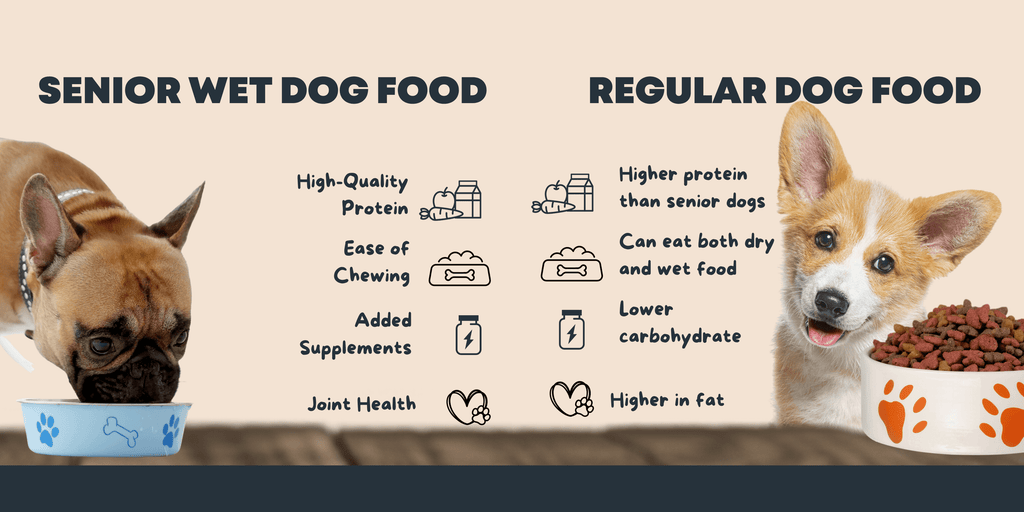

Are you wondering if it’s time to switch your furry friend to adult dog food? Making this change can feel confusing.
You want to give your dog the best nutrition, but how do you know when the right moment is? Choosing the right food affects your dog’s health, energy, and happiness every day. Keep reading, and you’ll discover clear signs your dog is ready, what to look for in adult dog food, and how to make the transition smooth for both of you.
Your dog’s well-being depends on it, so let’s get it right together.
Credit: www.eacourier.com
When To Switch To Adult Dog Food
Knowing the right time to switch your puppy to adult dog food is important for their health and growth. Puppies have different nutritional needs than adult dogs, so feeding them the right food at the right time supports their development without causing digestive issues. Let’s look at clear signs and age guidelines to help you decide when to make this change.
Signs Your Puppy Is Ready
Watch for changes in your puppy’s behavior and size. If your puppy seems less energetic and is growing steadily, they might be ready for adult food. Puppies often start to lose their puppy coat and develop a more mature coat as they approach adulthood.
Another sign is their weight and eating habits. If your puppy finishes their food quickly and seems to need more calories, it might be time to switch. Also, if their stools become firmer and digestion stabilizes, adult food may be better suited for them.
Age Guidelines By Breed Size
Breed size plays a big role in when to switch dog food. Smaller breeds mature faster than larger breeds, so their switch timeline is different.
| Breed Size | Typical Age to Switch |
|---|---|
| Small Breeds (under 20 lbs) | 9 to 12 months |
| Medium Breeds (20-50 lbs) | 12 months |
| Large Breeds (50-90 lbs) | 12 to 18 months |
| Giant Breeds (over 90 lbs) | 18 to 24 months |
Have you noticed how your puppy’s needs change as they grow? Paying attention to these timelines and signs helps ensure you’re feeding your dog the best food for their stage of life.
Key Differences Between Puppy And Adult Food
Switching your dog from puppy food to adult food is a big step. Puppy food and adult food have clear differences. Knowing these differences helps you choose the right diet for your dog’s health and growth.
Nutritional Needs Shift
Puppies need more nutrients to support their fast growth. Their food is rich in vitamins and minerals for bone and muscle development. Adult dogs need balanced nutrition to maintain health, not rapid growth. Their food focuses on keeping energy levels steady and supporting overall wellness.
Calorie And Protein Variations
Puppy food has more calories and protein. These nutrients fuel their active growth and high energy. Adult dog food has fewer calories to prevent weight gain. Protein levels are adjusted to maintain muscle without overfeeding. Feeding the right amount avoids health issues and keeps dogs fit.
Benefits Of Transitioning At The Right Time
Switching to adult dog food at the right time supports healthy growth and prevents digestive problems. Proper timing ensures your dog gets the right nutrients for their age and activity level. This helps maintain their energy and overall well-being.
Transitioning your dog to adult food at the right time brings many benefits. It ensures your dog gets the nutrients they need. Proper timing supports your pet’s health and well-being.Supporting Healthy Growth
Puppies have different nutritional needs than adult dogs. Adult food helps maintain a healthy weight. It ensures they get the right balance of proteins and fats. This supports muscle development and energy levels. As your dog matures, their growth rate slows. Adult food provides the nutrients needed at this stage. It aids in the maintenance of strong bones and teeth.Preventing Obesity And Health Issues
Feeding adult food at the right time prevents weight gain. Puppy food is high in calories. Prolonged feeding can lead to obesity. Obesity increases the risk of health problems. Adult food has fewer calories and more balanced nutrients. This helps maintain a healthy weight. It reduces the risk of diabetes and joint issues. Transitioning at the right time supports long-term health.
Credit: www.webbox.co.uk
How To Transition Smoothly
Switching your dog to adult food requires care and patience. A smooth transition helps avoid stomach upset and keeps your dog happy. It also allows your dog’s body to adjust to new nutrients gradually. Doing this right supports your dog’s health and digestion.
Gradual Mixing Techniques
Start by mixing a small amount of adult food with your dog’s current food. Use about 25% adult food and 75% puppy food for the first few days. Slowly increase the adult food portion while decreasing the puppy food.
- Day 1-3: 25% adult food, 75% puppy food
- Day 4-6: 50% adult food, 50% puppy food
- Day 7-9: 75% adult food, 25% puppy food
- Day 10: 100% adult food
This slow mix helps your dog adjust to taste and texture changes. It also reduces the risk of diarrhea or vomiting.
Monitoring Your Dog’s Reaction
Watch your dog carefully during the transition. Check for signs like vomiting, diarrhea, or loss of appetite. Also, look for changes in energy or mood. These signs may mean the change is too fast or the food is not suitable.
If any issues appear, slow down the transition or consult your vet. Healthy dogs usually adapt within 7 to 10 days. Keep fresh water available at all times to support digestion.
Consulting Your Veterinarian
Deciding when to switch your dog to adult food involves more than just their age. Each dog has unique dietary needs based on breed, size, and health. Consulting your veterinarian ensures your dog gets the best nutrition at the right time. A vet can guide you on the ideal diet that supports your dog’s growth and overall well-being.
Personalized Nutritional Advice
Your veterinarian knows your dog’s specific health and lifestyle. They can recommend the best type of adult food. This advice considers factors such as activity level and weight. Personalized guidance helps avoid nutritional gaps or excesses. It ensures your dog stays healthy and energetic.
Addressing Special Health Needs
Some dogs have special health conditions requiring tailored diets. Vets can identify these needs through check-ups and tests. They suggest food that supports conditions like allergies or digestive issues. Special diets may also help with joint health or kidney function. Following your vet’s advice can improve your dog’s quality of life.
Common Mistakes To Avoid
Choosing the right time and type of food for your dog is important. Mistakes in feeding can cause health issues. Avoiding common errors helps your dog stay healthy and happy. Pay attention to your dog’s needs and habits. This guide highlights frequent mistakes to avoid.
Switching Too Early Or Late
Changing your dog’s food too soon can upset their stomach. Puppies need special nutrients for growth. Adult food lacks some of these nutrients. Switching too late can cause weight gain or nutrient gaps. Watch your dog’s size and behavior. Follow your vet’s advice on timing.
Ignoring Breed And Activity Level
Different breeds have different nutritional needs. Active dogs burn more calories and need more energy. Small breeds may need food with more calories per bite. Large breeds require food to support joint health. Tailor the food choice to your dog’s lifestyle. Avoid generic food choices that don’t fit your dog’s needs.

Credit: us.eukanuba.com
Frequently Asked Questions
When Should I Switch My Dog To Adult Food?
Switch your dog to adult food around their first birthday. Small breeds may switch earlier. Consult your vet for precise timing.
What Are The Benefits Of Adult Dog Food?
Adult dog food supports stable energy levels and maintains healthy weight. It contains balanced nutrients for mature dogs’ needs.
Can Feeding Adult Food Too Early Harm My Dog?
Yes, feeding adult food too soon can cause nutrient imbalances. Puppies need specific nutrients for growth that adult food lacks.
How Do I Choose The Right Adult Dog Food?
Choose adult dog food based on your dog’s size, breed, and health. Look for high-quality ingredients and balanced nutrition.
Conclusion
Choosing the right time to switch your dog to adult food matters. Dogs need good nutrition for healthy growth and energy. Watch their age, size, and activity to decide the best moment. Talk to your vet for advice tailored to your dog’s needs.
Feeding adult food too soon or too late can cause problems. Keep your dog’s health in mind and make changes slowly. This helps your pet stay happy and strong every day. Trust your care and attention to guide you well.


