Imagine the freedom of taking your dog for a walk without worrying about the leash. You want your furry friend to explore, play, and enjoy the outdoors safely while staying close to you.
But how do you get there? Training your dog to walk off leash might seem challenging, but with the right approach, it’s completely doable. You’ll discover simple, effective steps that will build trust and control, making off-leash walks a joyful experience for both you and your dog.
Keep reading, because your next adventure is just a few training sessions away.
Choosing The Right Location
Choosing the right location plays a key role in training your dog to walk off leash. The place must be safe and help your dog focus. Picking a good spot makes training easier and more effective. Start with calm areas and slowly move to open spaces.
Safe And Controlled Areas
Begin in a quiet, enclosed space. A fenced yard or a small park works well. These places stop your dog from running too far. Safety helps your dog feel relaxed and confident. Avoid busy streets or places with traffic.
Avoiding Distractions
Choose places with few distractions at first. No loud noises or many people nearby. This helps your dog concentrate on you. Gradually, add small distractions like other dogs or children. This builds your dog’s focus over time.
Gradual Exposure To Open Spaces
Slowly move training to bigger, open areas. Wide fields or large parks are good choices. Let your dog explore but stay close at first. This teaches your dog to listen even with more freedom. Increase distance little by little as trust grows.
Basic Obedience Commands
Basic obedience commands are the foundation for teaching your dog to walk off leash safely and confidently. Without clear communication, your dog may not respond well when you give a command, which can lead to risky situations. Focusing on these commands first builds trust and control, making off-leash adventures enjoyable for both of you.
Mastering Recall
Recall is the command that brings your dog back to you no matter what distractions are around. Start practicing in a quiet, enclosed area where your dog feels comfortable. Use a happy, excited tone and reward your dog immediately with treats or praise when they return.
Try calling your dog from short distances, then gradually increase the range. If your dog gets distracted or ignores the call, don’t chase—they may see it as a game. Instead, use a leash to gently guide them back and reward their return.
Teaching Heel And Stay
The heel command keeps your dog walking calmly beside you, preventing them from pulling or wandering off. Begin by walking with your dog on a leash and using treats to encourage them to stay close to your side. Stop walking if your dog pulls ahead or lags behind, and resume only when they return to your side.
Stay teaches your dog to pause and hold their position, which is essential when letting go of the leash. Practice by asking your dog to sit or stand, then hold your hand out like a stop sign and say “stay.” Start with a few seconds, then increase the time gradually, always rewarding your dog for staying put.
Using Consistent Cues
Consistency in commands and cues makes it easier for your dog to understand what you want. Use the same words, tone, and hand signals every time you ask for a command. Mixing commands or changing your tone can confuse your dog and slow down training progress.
Think about how you communicate with your dog daily. Are your commands clear and consistent, or do they vary? Small changes in your approach can make a big difference in how quickly your dog learns to respond off leash.
Building Trust And Focus
Trust grows through consistent, gentle training and positive rewards. Focus improves when your dog knows you are calm and clear. Building a strong bond makes off-leash walks safer and more enjoyable.
Building trust and focus is key for off-leash training. Your dog must rely on you completely. Focus keeps them attentive in any situation. This bond ensures safety and fun during walks.Positive Reinforcement Techniques
Use treats or toys to reward good behavior. Praise your dog when they stay close. Reinforcement makes them eager to listen. Consistency is crucial. Reward every time they follow commands. It strengthens the bond between you and your dog.Engaging Your Dog’s Attention
Keep your dog’s attention with engaging activities. Use a happy voice to call them. Play games like fetch to make them focus on you. Eye contact is vital. Practice it regularly to build a strong connection.Handling Distractions Effectively
Distractions can break your dog’s focus. Train in varied environments to expose them to different distractions. Start with fewer distractions and gradually increase. Use commands to redirect their attention back to you. Stay calm and patient during training sessions.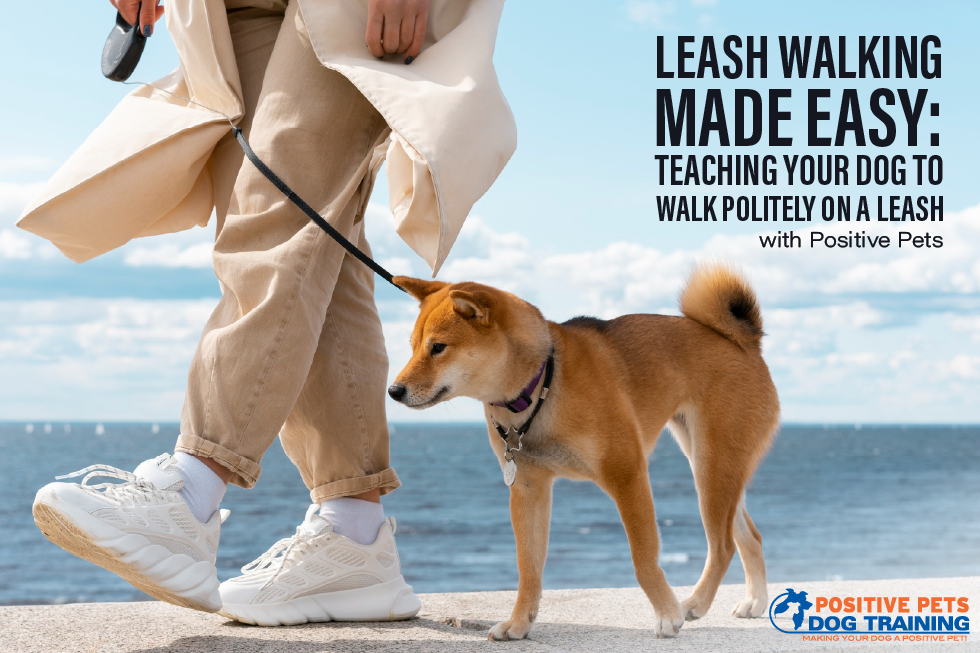
Credit: www.positivepetsboise.com
Step-by-step Off-leash Training
Teaching your dog to walk off leash takes patience and careful practice. A step-by-step approach helps build trust and good habits. Start small and stay consistent for success. This method reduces risks and keeps your dog safe while gaining freedom.
Starting With Leash Loosening
Begin by loosening the leash during regular walks. Let your dog explore while keeping control. Use a long leash to allow more movement. Praise your dog for staying close and responding to commands. This helps your dog learn freedom without losing connection.
Short Off-leash Sessions
Choose a safe, enclosed area for first off-leash tries. Keep sessions brief, about 5 to 10 minutes. Call your dog often and reward for coming back. Stay calm and patient if your dog wanders. Gradually increase session time as your dog improves.
Increasing Distance And Duration
Slowly increase the distance between you and your dog. Use commands like “come” or “stay” clearly and firmly. Extend the time your dog stays off leash during walks. Practice in different places to build confidence. Always reward your dog for good behavior and quick returns.
Safety Measures And Tools
Training your dog to walk off leash is exciting, but safety must come first. Using the right tools and knowing how to react in emergencies can keep both you and your dog secure. Let’s look at some practical safety measures and essential tools that make off-leash walking a positive experience.
Using Long Lines And Harnesses
Long lines give your dog freedom while keeping control. They allow your dog to explore but prevent sudden dashes into danger. A sturdy harness distributes pressure evenly and reduces the risk of injury compared to a collar.
Choose a long line between 15 to 30 feet for gradual distance building. Try using a hands-free harness system for more comfort during training walks. Have you noticed how your dog feels more confident with a long line before fully going off leash?
Emergency Recall Strategies
Emergency recall is your safety net. Practice a strong, reliable recall command that your dog responds to immediately—no matter the distraction. Use high-value treats or toys as rewards to make coming back irresistible.
Consider a whistle or a unique verbal cue to grab your dog’s attention quickly. Test your recall in different environments before trusting it fully. What would you do if your dog suddenly spots a squirrel and bolts—are you ready to call them back instantly?
Identifying Safe Escape Zones
Know where your dog can safely roam without risks like traffic or aggressive animals. Look for fenced parks, quiet trails, or your backyard as designated escape zones. These areas give your dog freedom while minimizing danger.
Before off-leash time, scout the location carefully. Remove hazards like broken glass or toxic plants. How often do you check your dog’s play area for new risks that could turn a fun walk into a nightmare?

Credit: pupford.com
Common Challenges And Solutions
Training your dog to walk off leash brings many challenges. These obstacles often test your patience and consistency. Understanding common problems helps you find the right solutions. You can keep training effective by addressing these issues early. Below are some frequent challenges and practical ways to handle them.
Dealing With Distractions
Distractions like other animals, noises, or people can pull your dog’s attention. It is normal for dogs to get curious or excited. To manage this, use high-value treats to keep focus. Practice in quiet areas first. Gradually add distractions as your dog improves. Reward your dog for looking at you despite distractions. This builds stronger focus during walks.
Managing Fear Or Anxiety
Some dogs feel scared when off leash in open spaces. Fear may cause shaking, hiding, or refusal to move. Create a calm environment during training sessions. Use a soothing voice to reassure your dog. Start with short off-leash times in safe places. Slowly increase time as confidence grows. Never force your dog to face fear suddenly. Patience and gentle encouragement are key.
Correcting Running Off Behavior
Running away is a common and dangerous problem. It often happens if your dog finds something exciting or scary. Teach a strong recall command using positive rewards. Keep training sessions short but frequent. Use a long leash initially to prevent escapes. Avoid chasing your dog, which may turn into a game. Instead, call your dog with a happy tone. Reward immediately when they return to you.
Maintaining Off-leash Skills
Maintaining your dog’s off-leash skills takes ongoing effort. Practice keeps commands sharp and behavior reliable. Regular training helps your dog stay focused and safe without a leash. Consistency builds trust and understanding between you and your dog.
Regular Practice Sessions
Short, frequent practice sessions work best. Aim for five to ten minutes daily. Keep sessions fun and rewarding. Use treats or praise to encourage good behavior. Practice basic commands like “come,” “stay,” and “heel” off-leash. This reinforces your dog’s attention and obedience.
Mixing Environments
Train in different places to strengthen skills. Try parks, quiet streets, or your backyard. New settings introduce distractions and challenges. This helps your dog learn to listen no matter the surroundings. Avoid crowded areas at first to prevent stress.
Reinforcing Commands Consistently
Use the same words and tone every time. Clear commands help your dog understand expectations. Reward immediately for following commands off-leash. Avoid repeating commands multiple times. This teaches your dog to respond the first time. Consistent reinforcement builds strong habits.

Credit: akashprefabs.com
Frequently Asked Questions
How Long Does It Take To Train A Dog Off Leash?
Training a dog to walk off leash usually takes several weeks to months. Consistent daily practice and positive reinforcement speed up progress. Each dog learns at its own pace, depending on breed and temperament. Patience and persistence are key for success.
What Are The Best Commands For Off-leash Walking?
Essential commands include “come,” “stay,” “heel,” and “leave it. ” These improve control and safety during off-leash walks. Start training indoors, then practice in low-distraction outdoor areas. Clear, consistent commands ensure your dog listens and responds promptly.
How Do I Ensure My Dog’s Safety Off Leash?
Use a secure, fenced area for initial training. Always supervise your dog closely. Avoid busy roads and crowded places until your dog reliably obeys commands. Regularly check your dog’s recall and control skills to prevent accidents.
Can All Dogs Learn To Walk Off Leash?
Most dogs can learn off-leash walking, but some breeds may struggle. Dogs with strong prey drives or anxiety might need extra training. Assess your dog’s temperament and abilities before attempting off-leash walks. Tailor training to fit your dog’s needs.
Conclusion
Training your dog to walk off leash takes time and patience. Start in safe, quiet places and practice often. Use clear commands and praise your dog for good behavior. Keep sessions short to hold their attention. Stay calm and consistent throughout training.
Always watch your dog closely outside. Off-leash walks can build trust and strengthen your bond. Enjoy the freedom while staying safe. With steady effort, your dog will learn well. Keep practicing, and both of you will benefit greatly.