
You want the best for your furry friend, especially when it comes to their diet. If your dog just turned one, you might be wondering, “Can I feed my 1 year old dog adult food?”
Changing your dog’s food is a big decision. The right choice can keep your dog healthy, happy, and full of energy. The wrong one might cause digestion problems or miss important nutrients. You’ll discover exactly when and how to make the switch safely.
Keep reading to learn what’s best for your loyal companion’s health and well-being.
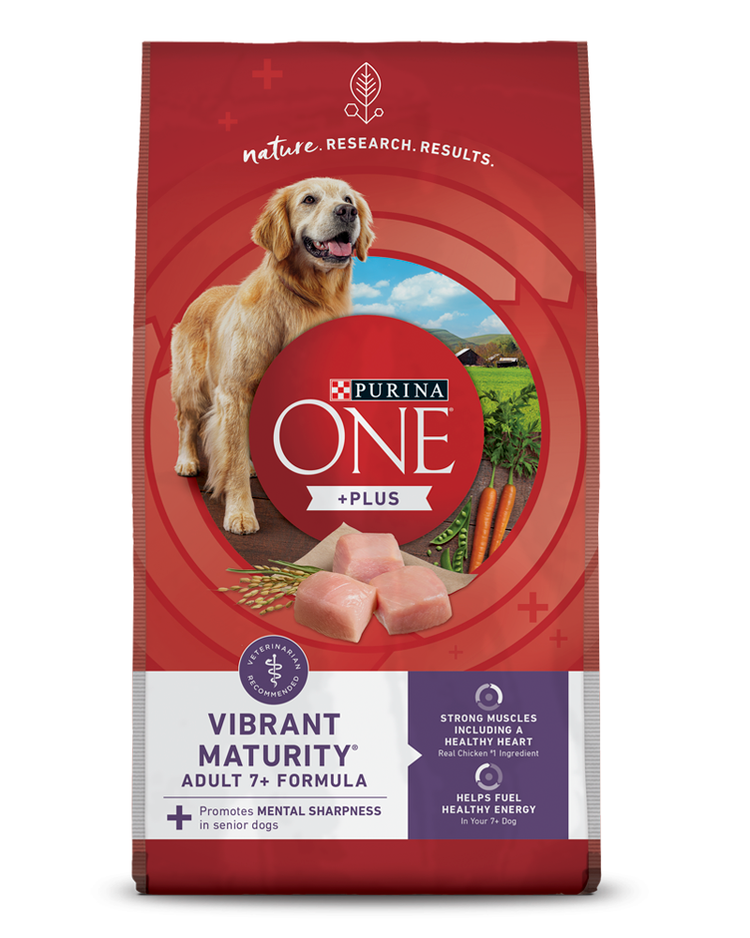
Credit: www.purina.com
When To Switch To Adult Dog Food
Knowing the right time to switch your dog to adult food is important for their health. Puppies need special nutrients for growth. Adult dogs have different dietary needs. Feeding adult food too early or too late can affect your dog’s wellbeing.
Watch your dog’s development closely. Their breed and size influence when to change their diet. This guide helps you decide the best time for the switch. It also highlights signs showing your dog is ready.
Age Guidelines For Different Breeds
Small breeds mature faster than large breeds. They often switch to adult food around 9 to 12 months.
Medium breeds usually move to adult food at 12 months.
Large and giant breeds grow longer. Their switch can happen between 12 to 18 months.
Here is a quick overview:
| Breed Size | Recommended Age to Switch |
|---|---|
| Small Breeds | 9-12 months |
| Medium Breeds | 12 months |
| Large Breeds | 12-18 months |
| Giant Breeds | 15-18 months |
Signs Your Dog Is Ready
Growth slows down or stops. Your dog looks less puppy-like.
Teeth are fully developed. Energy levels may stabilize.
Body shape changes, becoming leaner or more muscular.
Appetite might change. Your dog may eat less than before.
Check your dog’s behavior and health regularly. These signs suggest it’s time to switch to adult food.
Nutritional Needs Of A 1 Year Old Dog
A 1 year old dog is at a unique stage of life. It is no longer a puppy but not fully adult either. Their body still needs support for growth and development. Proper nutrition keeps them healthy and active. Understanding their nutritional needs helps you choose the right food.
Calorie Requirements
At one year, dogs need enough calories for energy and growth. Their activity level affects how many calories they burn daily. Active dogs require more calories than less active ones. Overfeeding can lead to weight gain and health issues. Undereating may cause slow growth and low energy. Balanced calorie intake keeps your dog fit and energetic.
Essential Nutrients For Growth
Proteins are vital for muscle and tissue development. High-quality protein supports repair and strength. Fats provide energy and help absorb vitamins. Omega fatty acids keep skin and coat healthy. Carbohydrates offer a quick energy source. Vitamins and minerals strengthen bones and the immune system. Calcium and phosphorus are especially important for bone growth at this age.
Risks Of Feeding Adult Food Too Early
Feeding adult food too early may cause nutrient imbalances for a growing dog. It can lead to digestive issues and slow development. Choosing the right food at the right age supports healthy growth and energy.
Feeding your 1-year-old dog adult food too soon poses significant risks. Puppies have different nutritional needs than adult dogs. Transitioning to adult food prematurely can lead to health issues. Understanding these risks helps ensure your pet’s well-being.Potential Nutrient Deficiencies
Puppy food contains more proteins and fats. These nutrients support growth and energy. Adult food lacks these essential nutrients for puppies. Your dog might miss out on vital elements. This can lead to deficiencies over time.Impact On Growth And Development
Puppies grow rapidly in their first year. Proper nutrition supports their development. Adult food might stunt growth and cause imbalances. This could affect bone and muscle formation. Proper puppy food ensures healthy growth and strong bones.
Credit: www.chewy.com
Choosing The Right Adult Dog Food
Choosing the right adult dog food is crucial when transitioning your 1-year-old dog from puppy to adult nutrition. The food you pick affects your dog’s health, energy, and overall well-being. It’s not just about switching bags; it’s about making sure your dog gets the right balance of nutrients tailored to their new stage of life.
Ingredients To Look For
Look for high-quality protein sources like chicken, beef, or fish listed as the first ingredient. Protein supports muscle maintenance and energy, which your dog needs as they grow.
Healthy fats from fish oil or flaxseed help keep your dog’s coat shiny and support brain health. Whole grains like brown rice or oats provide fiber to aid digestion.
Don’t forget vitamins and minerals, such as vitamin E and zinc, which boost the immune system. Have you checked your dog food label lately? Ingredients matter more than brand names.
Avoiding Harmful Additives
Stay away from foods with artificial colors, flavors, or preservatives. These additives can cause allergies or digestive issues in some dogs.
Ingredients like corn syrup, soy, and by-products often add little nutritional value and can trigger sensitivities. If your dog has shown signs of stomach upset, the culprit might be hidden here.
Instead, choose foods with natural preservatives like mixed tocopherols (vitamin E). Would you feed your dog something you wouldn’t eat yourself? That question can guide your choices effectively.
Transitioning Your Dog’s Diet Safely
Changing your dog’s diet requires care and attention. Abrupt switches can upset your dog’s stomach and cause discomfort. To keep your furry friend happy and healthy, you need to make the transition smooth and gradual.
Gradual Food Changes
Start by mixing a small amount of adult dog food with your pup’s current food. Over a week or two, slowly increase the adult food portion while reducing the puppy food. This gentle change helps your dog’s digestive system adjust without shock.
Keep an eye on how much your dog eats during this time. If you notice reluctance or refusal, slow down the transition pace. Your dog’s willingness to eat the new food can guide your timing better than any schedule.
Monitoring Your Dog’s Reaction
Watch for signs like vomiting, diarrhea, or unusual lethargy. These symptoms might indicate that the new food isn’t agreeing with your dog yet. If problems arise, pause the transition and consult your vet before continuing.
Also, note changes in your dog’s energy levels and coat condition. A healthy, shiny coat and playful behavior show the diet switch is working well. Remember, your dog’s comfort is the best indicator of success during this change.
Consulting Your Veterinarian
Before switching your 1-year-old dog to adult food, it’s crucial to have a conversation with your veterinarian. They can provide guidance tailored specifically to your dog’s needs. This step ensures your dog stays healthy and happy during the transition.
Personalized Feeding Recommendations
Your dog’s breed, size, and activity level all influence the best diet for them. A vet can recommend the right type of adult food based on these factors. They might suggest specific brands or formulations that support your dog’s growth and energy requirements.
For example, a large breed dog might need food with joint-supporting nutrients, while a smaller, less active dog may require a lower-calorie option. Your vet can help you avoid common mistakes like overfeeding or choosing food that lacks essential vitamins.
Health Checks Before Switching
Before making any diet changes, it’s important to check your dog’s overall health. Your vet can perform exams and tests to rule out any issues that might affect their dietary needs. This step helps prevent problems like allergies or digestive sensitivities.
Have you noticed any changes in your dog’s weight or digestion? Share these observations during your visit. Your vet can then tailor advice to avoid upsetting your dog’s stomach or causing nutritional imbalances during the switch.
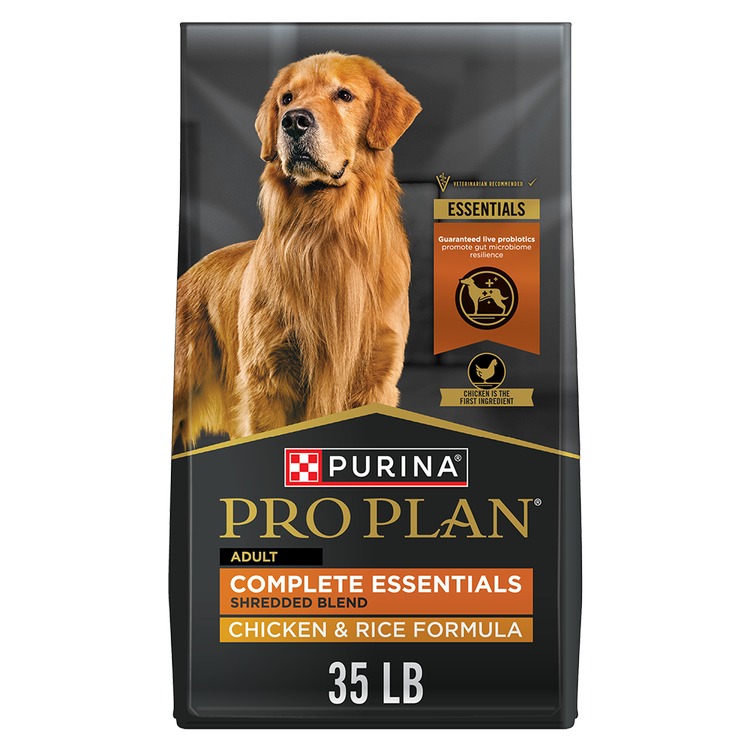
Credit: www.purina.com
Frequently Asked Questions
Can I Switch My 1-year-old Dog To Adult Food?
Yes, most dogs can transition to adult food at 1 year old. It supports their maintenance needs and balanced nutrition.
When Should I Stop Feeding Puppy Food?
Stop feeding puppy food once your dog reaches 12 months. Adult food better suits their energy and growth needs.
Is Adult Dog Food Safe For 1-year-old Dogs?
Adult dog food is safe for 1-year-old dogs as their growth phase ends. It helps maintain overall health.
How To Transition My Dog From Puppy To Adult Food?
Gradually mix adult food with puppy food over 7-10 days. This prevents digestive upset and helps your dog adjust.
Conclusion
Feeding your 1-year-old dog adult food can be safe. Dogs grow fast and need different nutrients at each stage. Adult food has the right balance for their size and energy. Watch your dog’s health and weight after switching foods. If any problems arise, talk to your vet.
Remember, a healthy dog is a happy dog. Choose quality food and feed the right amount. Your dog will thank you with a wagging tail and good health.


