

Traveling with your dog in the car can be an exciting adventure, but it also comes with its own set of challenges. You want your furry friend to be safe, comfortable, and happy throughout the ride.
Whether it’s a quick trip to the park or a long road trip, knowing how to prepare and what to expect makes all the difference. Keep reading to discover simple tips and smart tricks that will make every car ride with your dog stress-free and enjoyable for both of you.
Your next journey together starts here!
Credit: www.vevor.com
Preparing Your Dog For Travel
Preparing your dog for travel makes the journey smoother and safer. Dogs need time to adjust to the car environment. This reduces stress and prevents accidents. Planning ahead helps your dog feel calm and happy.
Choosing The Right Carrier Or Restraint
Select a carrier or restraint that fits your dog’s size. It should be sturdy and well-ventilated. Use a harness that attaches to the seatbelt. This keeps your dog secure during sudden stops.
- Soft-sided carriers for small dogs
- Hard crates for larger dogs
- Crash-tested harnesses for extra safety
Make sure the carrier or restraint is easy to install and remove.
Getting Your Dog Comfortable With The Car
Start with short trips to build your dog’s confidence. Let your dog explore the car while it’s parked. Offer treats and praise to create positive feelings. Gradually increase trip length to avoid anxiety.
- Allow your dog to sit or lie down comfortably
- Bring familiar toys or blankets inside the car
- Keep windows partially open for fresh air
Packing Essentials For Your Dog
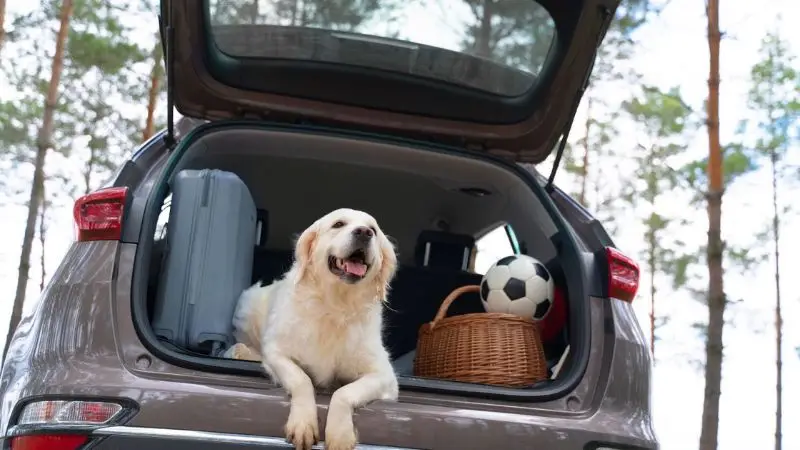
Bring items that keep your dog safe and comfortable. Pack food, water, and bowls for regular breaks. Include a leash and waste bags for stops. Don’t forget any medications or favorite toys.
| Item | Purpose |
|---|---|
| Water and bowl | Hydration during travel |
| Leash | Control during breaks |
| Waste bags | Clean up after your dog |
| Toys | Comfort and distraction |
| Medications | Health needs |
Safety Measures During The Ride
Traveling with your dog in the car can be an enjoyable experience, but safety should always be your top priority. Ensuring your dog is secure and comfortable prevents accidents and keeps both of you calm during the ride. What simple steps can you take right now to make your journey safer for your furry friend?
Securing Your Dog Properly
Loose dogs can distract you or get injured during sudden stops. Use a well-fitted harness attached to the car’s seatbelt or a sturdy crate that’s secured in place. This not only protects your dog but also prevents them from roaming freely, which can create dangerous situations.
Think about your dog’s size and temperament when choosing a restraint. Some dogs feel safer in a crate, while others prefer harnesses. Have you tested different options to see what makes your dog most comfortable?
Managing Temperature And Ventilation
Cars can heat up quickly, putting your dog at risk of heatstroke even on mild days. Always check the temperature inside the vehicle, especially if you plan to stop for a break. Keep windows slightly open or use the car’s air conditioning to maintain fresh air circulation.
Watch for signs of overheating like excessive panting or drooling. If your dog shows any of these, pull over immediately and offer water. Have you prepared a travel kit with water and a portable bowl to keep your dog hydrated on the go?
Avoiding Distractions While Driving
Dogs can be curious passengers, but their movement or barking can divert your attention from the road. Keep your dog secured in the back seat to minimize distractions. If your dog gets anxious, bring familiar toys or blankets to help them stay calm.
Consider using calming aids or taking breaks during long drives to reduce restlessness. How do you ensure your focus remains on driving while your dog travels comfortably beside you?
Planning Breaks And Stops
Plan regular stops during car trips to let your dog stretch and relieve itself. Short breaks keep your dog comfortable and calm throughout the journey. Always choose safe, quiet spots for these pauses.
Traveling with your furry friend can be a rewarding experience, but planning breaks and stops is crucial to ensure a smooth journey. Whether you’re embarking on a short trip or a cross-country adventure, taking regular breaks not only helps you stretch your legs but also keeps your dog comfortable and happy. Thoughtful planning can transform your road trip into a delightful bonding experience for both you and your canine companion.Scheduling Regular Exercise Breaks
During long drives, your dog needs exercise just as much as you do. Plan to stop every two to three hours to let your dog stretch its legs and burn off some energy. This not only prevents restlessness but also reduces the risk of stress-related behaviors. An energetic walk or a quick game of fetch can work wonders. These breaks offer a chance for your dog to explore new environments and enjoy a change of scenery. You might even discover hidden gems along your route that you wouldn’t have noticed otherwise.Finding Dog-friendly Rest Areas
Not all rest stops are created equal when it comes to accommodating pets. Researching and identifying dog-friendly rest areas ahead of time can save you a lot of hassle. Look for stops with designated pet areas, waste disposal stations, and shaded spots for resting. Online maps and travel forums can be great resources for finding these spots. Many states also offer pet-friendly travel guides that highlight rest areas tailored for travelers with dogs. Keep a list of these locations handy to make the journey smoother and more enjoyable.Keeping Your Dog Hydrated And Fed
Ensuring your dog is well-fed and hydrated during your travels is vital. Pack enough fresh water and a portable bowl for easy access during breaks. It’s a good idea to offer water at each stop to prevent dehydration. When it comes to feeding, stick to your dog’s usual schedule to maintain its routine. Consider packing dry food in a sealable container to keep it fresh and mess-free. Have treats on hand for rewarding good behavior or simply as a snack to keep your furry friend content. How do you ensure your dog feels at home on the road? Share your tips and experiences in the comments!
Credit: www.pethonesty.com
Handling Motion Sickness And Anxiety
Traveling with a dog in a car can be stressful for both of you. Dogs often feel motion sickness or anxiety during trips. Recognizing and managing these issues helps make the journey smoother and safer. Understanding your dog’s behavior is the first step to comfort them effectively.
Recognizing Signs Of Discomfort
Watch for these common signs that your dog feels uneasy:
- Drooling more than usual
- Restlessness or pacing
- Whining or barking
- Yawning or licking lips frequently
- Vomiting or nausea
- Shaking or trembling
Noticing these signs early helps you take action quickly. Each dog shows discomfort differently. Pay attention to changes in behavior during the ride.
Preventive Tips And Remedies
Try these steps before and during travel to reduce motion sickness:
- Feed your dog a light meal a few hours before travel
- Keep the car well-ventilated with fresh air
- Use a secure dog seat belt or crate to limit movement
- Stop for breaks to allow your dog to stretch and relieve stress
- Consider natural remedies like ginger or veterinarian-approved medications
- Avoid strong smells or loud noises inside the car
Prepare your dog gradually for longer trips by taking short drives first. This builds positive associations with car travel.
Using Calming Techniques
Calm your dog using these simple methods during the journey:
- Speak softly and reassuringly
- Offer favorite toys or blankets for comfort
- Play soothing music designed for dogs
- Use calming sprays or pheromone diffusers
- Practice deep breathing and stay relaxed yourself
- Try gentle massage or petting if your dog allows
Stay patient and consistent to help your dog feel safe. Calm energy from you transfers to your pet.
Legal And Health Considerations
Traveling with a dog in a car requires attention to legal and health details. These help keep your trip smooth and safe. Knowing the rules and preparing for health needs protects both you and your pet.
Checking Local Travel Regulations
Different places have rules about traveling with pets. Some areas require dogs to be in a special carrier or seatbelt. Others ban dogs from the front seat. Check the laws before your trip. This avoids fines and ensures safety. Also, some states or countries need pet identification or microchips.
Keeping Vaccinations And Documentation Ready
Your dog must have current vaccinations. Rabies shots are often required by law. Carry vaccination records and health certificates. These documents prove your dog is healthy and safe to travel. Keep them handy for checkpoints or emergencies. Some destinations ask for proof of flea and tick prevention too.
Emergency Preparedness On The Road
Prepare for health problems while traveling. Pack a pet first aid kit with bandages, antiseptic, and tweezers. Know the location of nearby veterinary clinics. Have your vet’s contact details saved. Keep water, food, and any medicines your dog needs. Always watch your dog closely for signs of stress or illness.
Credit: www.vevor.com
Frequently Asked Questions
How To Keep My Dog Safe During Car Travel?
Use a well-fitted harness or a secured crate for your dog. Never let your dog roam freely. This prevents injuries and distractions, ensuring safety for both your pet and driver.
What Essentials Should I Pack For Dog Car Trips?
Pack water, food, leash, waste bags, and a first aid kit. Bring familiar toys and blankets to comfort your dog. These items keep your dog hydrated, fed, and calm during travel.
How Often Should I Stop For Breaks On Dog Trips?
Stop every two to three hours for bathroom breaks and exercise. This prevents restlessness and discomfort. Use these breaks to hydrate and stretch your dog’s legs safely outside.
Can I Feed My Dog Before Car Travel?
Feed your dog a light meal 2-3 hours before travel. Avoid heavy meals right before the trip to prevent motion sickness. Always carry small treats for rewarding good behavior.
Conclusion
Traveling with your dog can be fun and safe. Plan breaks for your pet to stretch and relax. Keep water and snacks handy for long trips. Use a seatbelt or crate for your dog’s safety. Always check the car’s temperature before starting.
Small steps make a big difference in comfort. Enjoy the journey together and create happy memories. Your dog will appreciate the care and attention. Safe travels and happy tails!

