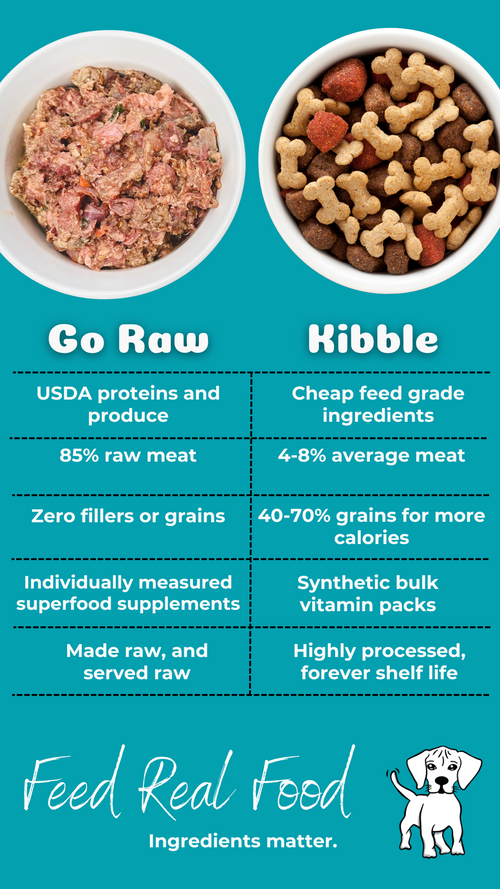

Are you curious about what a raw food diet for dogs really means? You might have heard about it as a healthier way to feed your furry friend, but is it right for your dog?
Understanding how this diet works can help you make the best choice for your pet’s health and happiness. Keep reading to discover what a raw food diet involves, the benefits it can offer, and what you need to know before trying it with your dog.
This could change the way you think about your dog’s meals forever.
What Is A Raw Food Diet
A raw food diet for dogs focuses on feeding your pet uncooked, natural ingredients that closely resemble what their ancestors ate in the wild. This approach emphasizes fresh meat, bones, vegetables, and fruits, aiming to provide a balanced, nutrient-rich meal without processed additives.
Many dog owners notice improvements in their pets’ energy levels and coat health after switching to raw food. But what exactly goes into this type of diet, and how can you decide if it suits your dog’s needs?
Key Components
- Raw Meat:This includes muscle meat from beef, chicken, turkey, lamb, or fish. It’s the main protein source and provides essential amino acids.
- Raw Bones:Edible bones like chicken wings or necks supply calcium and help maintain dental health. Avoid cooked bones as they can splinter and harm your dog.
- Organ Meat:Liver, kidney, and heart are nutrient-dense and provide vitamins and minerals that support overall health.
- Vegetables and Fruits:Ingredients like carrots, spinach, apples, and blueberries add fiber, antioxidants, and vitamins.
- Supplements:Sometimes added to balance the diet, such as fish oil for omega-3 fatty acids or vitamin E.
Balancing these components properly is crucial. Too much bone or organ meat can lead to health issues, so understanding your dog’s dietary needs matters.
Types Of Raw Diets
- BARF (Biologically Appropriate Raw Food):Focuses on raw meat, bones, and vegetables. It aims to mimic a wild diet as closely as possible.
- Prey Model Diet:Simplifies the diet to raw muscle meat, bones, and organs in proportions similar to what a dog would catch in nature.
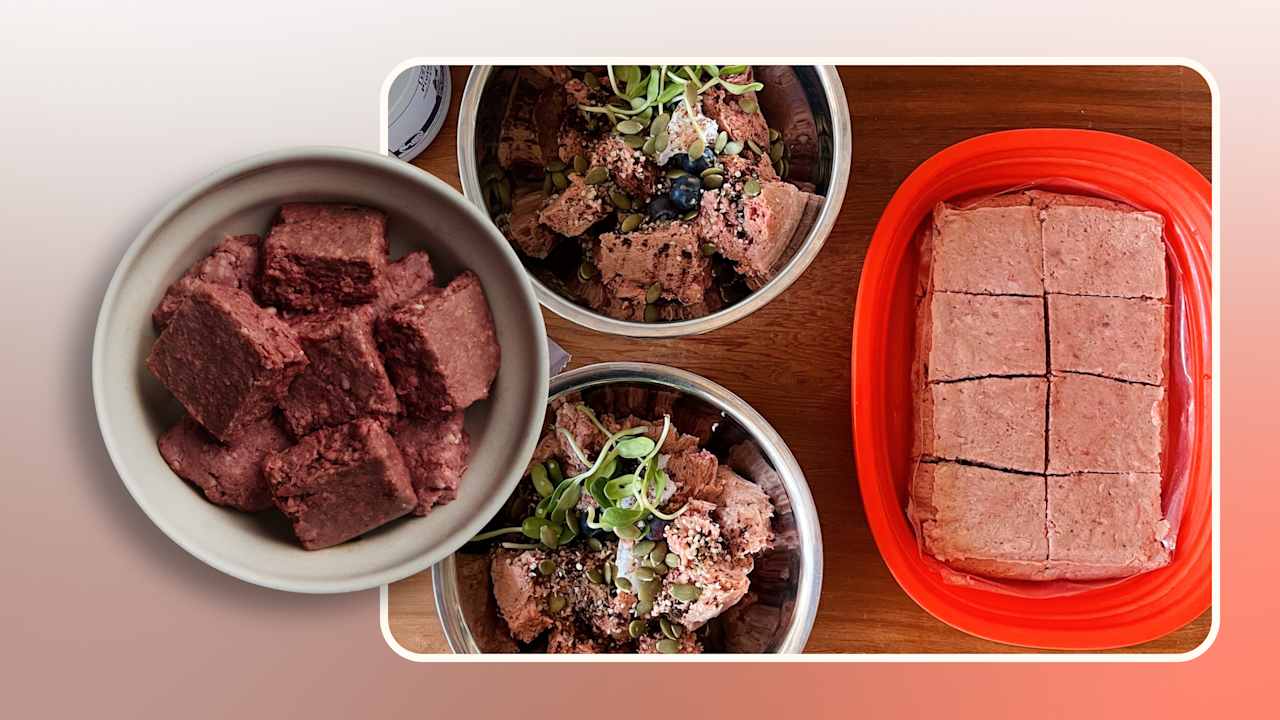
- Commercial Raw Diets:These are pre-packaged raw meals, often frozen, designed to be balanced and convenient for pet owners.
- Home-Prepared Raw Diets:Custom-made meals where you select and prepare raw ingredients yourself, allowing control but requiring more knowledge.
Which type fits your lifestyle and your dog’s preferences? Trying out small amounts and observing your dog’s reaction can guide you to the best choice.
Credit: wefeedraw.com
Benefits For Dogs
Switching your dog to a raw food diet can bring noticeable benefits that go beyond just mealtime excitement. Many pet owners report positive changes in their dogs’ overall health and happiness. Here’s a closer look at what your furry friend might gain from a diet closer to what nature intended.
Improved Digestion
Raw diets often contain natural enzymes and fewer fillers than processed kibble. This can make it easier for your dog to break down food and absorb nutrients.
Some owners notice less gas and firmer stools after switching. Have you observed changes in your dog’s digestion when trying new foods?
Healthier Coat And Skin
Many dogs develop shinier coats and softer skin on a raw diet. The natural fats and oils found in raw meat nourish the skin and fur from within.
Adding raw foods rich in omega fatty acids can reduce itching and dryness. Your dog’s coat can become a visible sign of improved nutrition.
Increased Energy Levels
Dogs fed raw food often show a boost in energy and vitality. The nutrient-dense ingredients provide sustained fuel without artificial additives.
Have you ever seen your dog perk up after a meal? That burst of energy could be thanks to better-quality food.
Better Dental Health
Chewing raw meaty bones helps remove plaque and tartar naturally. This can lead to fresher breath and fewer visits to the vet for dental issues.
Unlike dry kibble, raw bones also encourage chewing, which strengthens jaw muscles. Could this be the dental care your dog needs?
Potential Risks
Raw food diets can carry risks like bacterial infections and nutrient imbalances. Careful preparation and vet guidance help reduce these dangers.
Potential Risks Feeding your dog a raw food diet might seem like a natural choice, but it’s important to weigh the potential risks involved. While many advocate for the benefits, several concerns need your attention. Understanding these risks can help you make an informed decision about your furry friend’s nutrition.Nutritional Imbalances
Dogs, like humans, require a balanced diet to thrive. A raw food diet can sometimes lack essential nutrients. Missing out on vital components like calcium and phosphorous can lead to health issues. Have you ever tried to balance your own diet without expert guidance? It can be challenging. The same goes for your dog. Consulting a vet before switching to a raw diet can prevent these imbalances.Bacterial Contamination
Raw meats can harbor harmful bacteria such as Salmonella or E. coli. This risk isn’t just for your pet, but for your entire household. Handling raw food improperly could expose you and your family to these bacteria. Think about the hygiene practices you follow in your kitchen. Would you be able to maintain them while preparing raw meals regularly? Ensuring cleanliness is crucial to avoid contamination.Choking Hazards
Bones are a common component of raw diets. However, they can pose serious choking risks. Small bones can splinter and cause internal damage or blockages. Imagine your dog enjoying a bone, but then suddenly struggling to breathe. It’s a nightmare scenario you’d want to avoid at all costs. Always supervise your dog during meal times if bones are involved.Cost And Preparation Time
Switching to a raw food diet can be both time-consuming and expensive. High-quality meats and fresh produce come at a premium. Additionally, the preparation involves more than just tossing ingredients into a bowl. Is your schedule flexible enough to accommodate the time needed for meal prep? And what about your budget? Weighing these factors is essential to determine if a raw food diet is feasible for your lifestyle. Navigating these potential risks requires careful consideration and planning. Would you be willing to adjust your routine for the sake of your pet’s health? Your commitment can make all the difference.
Credit: www.k9sovercoffee.com
Who Should Consider It
Choosing a raw food diet for dogs depends on several factors. Not all dogs benefit equally from this diet. It requires careful consideration of breed, age, and health status. Understanding these aspects helps pet owners make informed decisions.
Suitable Dog Breeds
Some dog breeds thrive better on a raw food diet. Breeds with strong digestive systems handle raw meals well. Examples include:
- German Shepherds
- Siberian Huskies
- Boxers
- Doberman Pinschers
These breeds often show improved coat health and energy on raw diets. Smaller or more sensitive breeds may need adjustments or alternative feeding plans.
Age And Health Factors
Age plays a key role in choosing a raw food diet. Puppies need balanced nutrients for growth. Older dogs might require easier-to-digest foods. Dogs with certain health conditions may benefit from raw foods, such as:
- Allergies
- Digestive issues
- Obesity
Consult a veterinarian before switching diets. They can recommend safe options based on your dog’s health. Raw diets demand attention to hygiene and proper food handling to avoid risks.
How To Transition Safely
Switching your dog to a raw food diet requires care and attention. A sudden change can upset their stomach or cause other health issues. Taking it slow and watching how your dog reacts can make the transition smooth and safe.
Gradual Introduction
Start by mixing a small amount of raw food with your dog’s current diet. You might begin with just 10% raw food and 90% regular food. Increase the raw portion slowly over two to four weeks.
This slow change helps your dog’s digestive system adjust without shock. Notice if your dog shows any signs of discomfort or refusal to eat. Adjust the pace based on how they respond.
Monitoring Health
Keep a close eye on your dog’s energy, stool quality, and appetite during the transition. Loose stools or vomiting can signal that the change is too fast or the diet isn’t right yet.
Track these changes in a journal to share with your vet if needed. Your dog’s coat and behavior also provide clues—shiny fur and lively mood usually mean the diet is working.
Consulting A Veterinarian
Before switching diets, talk with a vet familiar with raw feeding. They can help tailor the diet to your dog’s breed, size, and health needs. This expert advice reduces risks and ensures your dog gets all necessary nutrients.
Regular check-ups during the transition are important. Your vet can catch any problems early and adjust recommendations. Have you considered what questions you want to ask your vet about raw feeding?
Common Myths Debunked
Many pet owners hear mixed messages about raw food diets for dogs. Some believe raw feeding is risky. Others think cooked food lacks nutrition. These ideas cause confusion and hesitation. It helps to clear up common myths. Understanding facts about raw diets can guide better choices for your dog.
Raw Diets Are Always Safe
Raw diets are not always safe without care. Bacteria like Salmonella can be in raw meat. Dogs can get sick from bad bacteria. People handling raw food can also get infected. Proper hygiene and safe food handling reduce risks. Freezing meat before use helps kill parasites. Choosing high-quality ingredients is important. Consulting a vet ensures the diet fits your dog’s needs.
Cooked Food Is Less Nutritious
Cooking food does not always destroy nutrients. Some vitamins reduce with heat, but others become easier to digest. Cooking can kill harmful bacteria and parasites. This makes food safer for dogs. A balanced cooked diet can provide all needed nutrients. Quality of ingredients matters more than cooking method. Both raw and cooked diets can support a healthy dog.
Essential Supplements
Feeding your dog a raw food diet means you need to pay close attention to essential supplements. Raw diets can provide natural nutrients, but some vitamins and minerals might be missing or insufficient. Adding the right supplements ensures your dog’s health stays balanced and strong.
Vitamins And Minerals
Raw meat and bones contain many nutrients, but they don’t always cover everything your dog needs. For instance, calcium is crucial for bone health but may be low if your dog isn’t eating enough bones. You might need to add a calcium supplement or crushed eggshells to the meals.
Other important vitamins include vitamin E and B-complex vitamins. These support your dog’s immune system and energy levels. If your dog’s coat looks dull or their energy is low, consider supplements rich in these vitamins.
Probiotics
Probiotics help keep your dog’s digestive system healthy by balancing good bacteria in the gut. Raw diets are high in protein and fat, which can sometimes upset digestion. Adding probiotics can reduce issues like diarrhea and improve nutrient absorption.
Many dog owners have seen a noticeable difference after adding probiotic supplements. Have you noticed your dog struggling with digestion on a raw diet? A simple probiotic could make mealtime much easier for both of you.

Credit: micromed.org.nz
Homemade Vs. Commercial Raw Diets
Choosing between a homemade and a commercial raw diet for your dog can feel overwhelming. Both options aim to provide natural, nutrient-rich meals but differ in preparation, convenience, and control. Understanding these differences helps you decide what fits your lifestyle and your dog’s health needs best.
Pros And Cons
Homemade raw diets let you pick every ingredient, ensuring fresh and natural foods tailored to your dog’s preferences and allergies. You can avoid fillers or additives often found in commercial products. However, preparing balanced meals takes time, effort, and knowledge to avoid nutritional gaps.
Commercial raw diets offer convenience with pre-made, portioned meals ready to serve. They often come with guaranteed nutrient profiles based on expert formulations. On the downside, quality can vary, and some products may include preservatives or lower-quality ingredients to extend shelf life.
- Homemade:Full control, customization, time-consuming, risk of imbalance
- Commercial:Convenient, consistent nutrients, variable ingredient quality, less control
Quality Control
With homemade diets, you control the source and quality of every ingredient. This means you can choose organic meats, fresh vegetables, and avoid unwanted chemicals. Yet, without proper knowledge, you might miss essential nutrients or expose your dog to harmful bacteria through improper handling.
Commercial brands usually follow strict safety standards and test for pathogens, reducing health risks. Still, some brands lack transparency about sourcing and processing. Reading reviews and checking for certifications can help you spot trustworthy options.
Ask yourself: Are you ready to invest time in researching recipes and sourcing ingredients? Or would you prefer the convenience and safety nets of commercial products? Your dog’s well-being depends on balanced nutrition, so choose the path that ensures consistent quality.
Frequently Asked Questions
What Is A Raw Food Diet For Dogs?
A raw food diet for dogs includes uncooked meat, bones, fruits, and vegetables. It mimics their natural ancestral diet. This diet aims to improve digestion, coat health, and energy levels by providing natural nutrients without additives or preservatives.
Is A Raw Food Diet Safe For Dogs?
When properly balanced, a raw food diet is safe for most dogs. It requires careful planning to meet nutritional needs and prevent bacterial contamination. Consulting a veterinarian ensures the diet suits your dog’s health and avoids potential risks.
What Are The Benefits Of Raw Feeding Dogs?
Raw feeding can improve digestion, boost energy, and promote a shinier coat. It supports healthier teeth and gums by reducing tartar buildup. Many owners report better overall vitality and fewer allergies in dogs on a raw diet.
How Do I Start A Raw Food Diet For My Dog?
Start by gradually introducing raw meats and vegetables into your dog’s meals. Monitor for any digestive changes or allergies. Consult a vet or pet nutritionist to create a balanced, species-appropriate raw diet plan tailored to your dog’s needs.
Conclusion
A raw food diet for dogs focuses on fresh, natural ingredients. It can support healthy skin, teeth, and digestion. Some dogs enjoy the taste and variety it offers. Always talk to your vet before changing your dog’s diet. Careful preparation keeps your dog safe and healthy.
Raw feeding is not for every pet, but it suits many. Think about your dog’s needs and lifestyle first. A balanced diet helps your dog live a happy life.