
Traveling cross country with a dog can be one of the most rewarding adventures you’ll ever experience. But it’s also a challenge that requires careful planning and a bit of patience.
You want your furry friend to be safe, happy, and comfortable every mile of the way. Imagine cruising down the highway, your dog’s head out the window, tail wagging with excitement. Sounds great, right? Keep reading to discover simple tips and tricks that will make your trip smooth and enjoyable for both you and your dog.
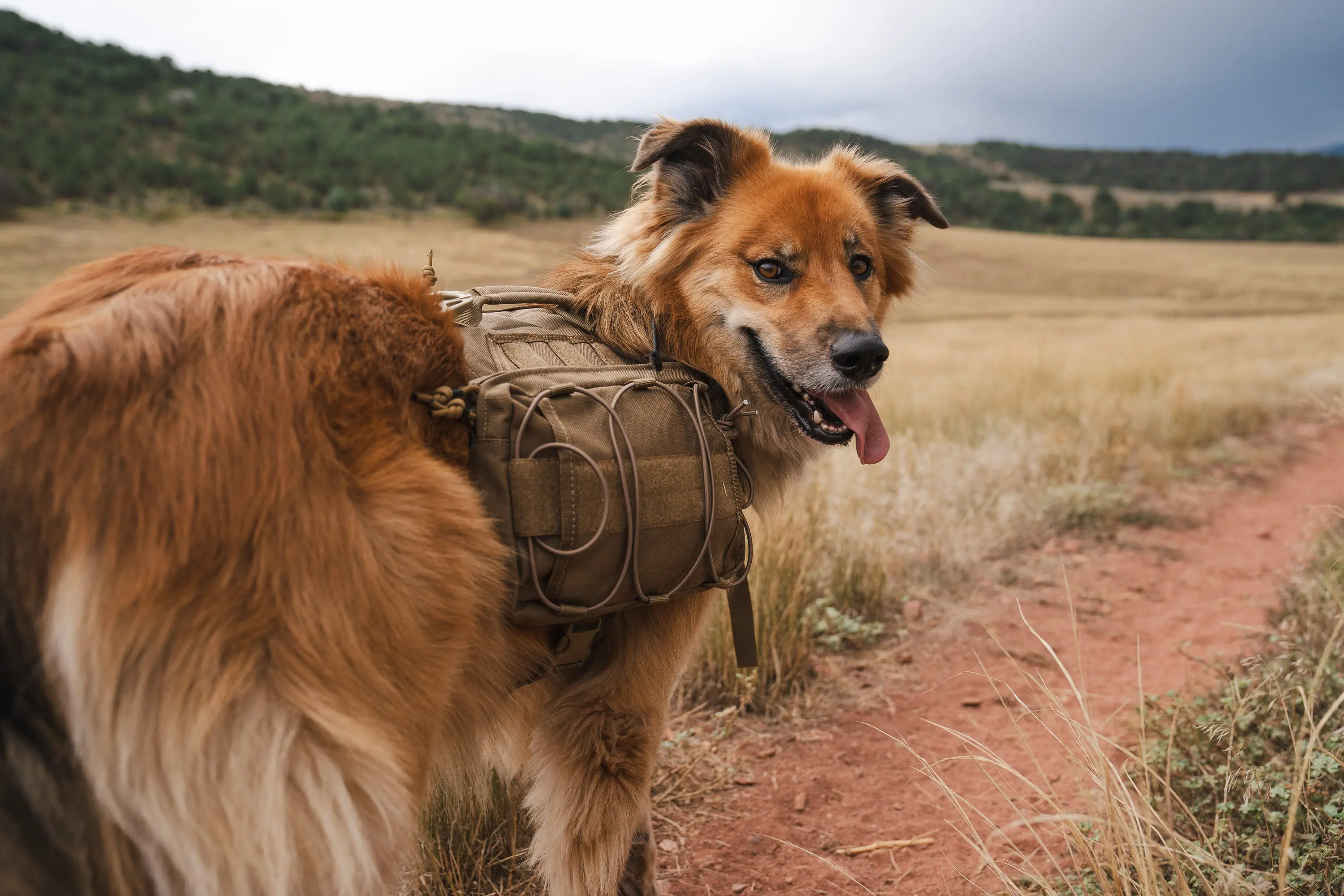
Credit: gearjunkie.com
Preparing Your Dog For The Trip
Traveling cross country with your dog needs careful preparation. Your dog’s comfort and safety matter most during the trip. Getting your dog ready helps avoid stress and problems on the road. Start planning weeks ahead to make the journey smooth and fun for both of you.
Health Check And Vaccinations
Visit the vet for a full health check before traveling. Make sure your dog is healthy and fit for the trip. Update all vaccinations to protect against diseases. Ask the vet for a health certificate if needed. Discuss flea, tick, and heartworm prevention. Keep a copy of medical records handy during travel.
Training Basics For Travel
Teach your dog basic commands like sit, stay, and come. Practice car rides to help your dog get used to traveling. Use a crate or harness for safety inside the vehicle. Train your dog to be calm around strangers and new places. Reward good behavior with treats and praise. Short, regular sessions work best for training.
Packing Essentials For Your Dog
- Food and water bowls
- Enough dog food for the trip duration
- Leash and collar with ID tags
- Comfortable bed or blanket
- Toys and chews to keep your dog busy
- Waste bags for clean-up
- First aid kit for pets
- Any medications your dog needs
Pack these items in an easy-to-reach bag. Check supplies often to avoid running out during stops.
Choosing The Right Transportation
Choosing the right transportation for a cross-country trip with your dog shapes the whole experience. It affects comfort, safety, and stress levels for both you and your pet. Consider your dog’s size, temperament, and health before deciding. Some dogs handle car rides well, while others prefer flying or other options. The right choice helps keep your journey smooth and enjoyable.
Car Travel Tips
Car travel lets you control stops and pace. Use a harness or crate for safety. Pack water, food, and toys to keep your dog happy. Plan regular breaks for bathroom and exercise. Avoid leaving your dog alone in the car. Keep the temperature comfortable inside. Drive calmly to prevent anxiety or motion sickness.
Flying With Your Dog
Flying can save time on long trips. Check airline rules for pet travel. Use an airline-approved carrier that fits your dog. Book direct flights to reduce stress. Prepare your dog by getting them used to the carrier. Bring a leash and a familiar blanket. Arrive early to handle check-in smoothly. Consider your dog’s health and age before flying.
Alternative Transport Options
Other options include trains, buses, or RV travel. Some trains allow pets with a ticket. Buses usually have strict pet policies, so confirm before booking. Renting an RV gives freedom to stop anytime. It offers space and comfort for your dog. Choose what fits your dog’s needs and your schedule best.
Planning Your Route
Choose pet-friendly stops and plan frequent breaks to keep your dog comfortable. Map routes with safe rest areas and nearby veterinary clinics. Ensure the journey suits your dog’s needs and energy levels.
Planning a cross-country trip with your dog? It’s all about the route. Choosing the right path ensures a smooth journey. You want your furry friend comfortable and happy. Here’s how to plan an ideal route.Pet-friendly Stops And Accommodations
Consider stops that welcome pets. Many places offer dog-friendly amenities. Rest areas with dog parks provide a chance to stretch. Search for hotels that accept pets. Some even offer special treats for them. Check online reviews for the best options. Book ahead to avoid surprises.Managing Travel Time And Breaks
Balance your travel time with regular breaks. Dogs need to stretch, too. Plan stops every couple of hours. Use these breaks for bathroom trips and short walks. Keep your dog hydrated. Pack snacks to keep them energized. Adjust your schedule to fit your dog’s needs.Navigating Weather And Terrain
Weather can impact your travel experience. Check forecasts before you leave. Avoid extreme weather conditions. Some terrains can be challenging for dogs. Consider your dog’s comfort in different environments. Choose paths that suit both of you. Prepare for unexpected weather changes. A little planning goes a long way.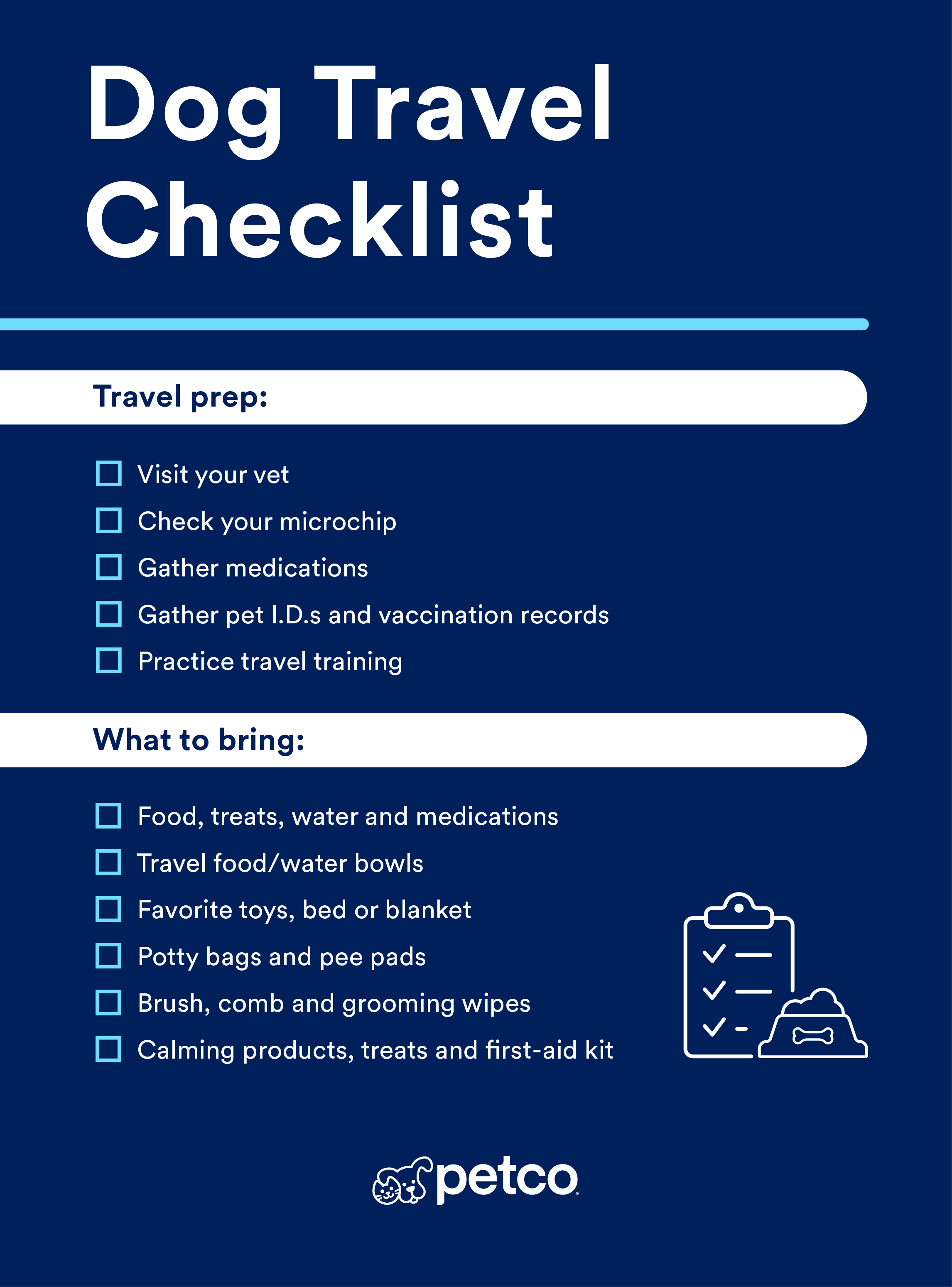
Credit: www.petco.com
Keeping Your Dog Comfortable On The Road
Keeping your dog comfortable during a long road trip is key to a smooth journey for both of you. Dogs can feel anxious, restless, or even sick when confined to a moving vehicle. Preparing your car and planning ahead can make your dog’s travel experience much more enjoyable and stress-free.
Creating A Safe Space In The Vehicle
Your dog needs a secure spot to relax and feel protected while you drive. Use a well-ventilated crate or a harness attached to the seatbelt to prevent sudden movements. Adding your dog’s favorite blanket or toy can provide extra comfort and familiarity.
Think about the sun’s position during the drive. Position your dog’s area away from direct sunlight to keep them cool. If your dog tends to be anxious, play soft music or speak to them calmly to help ease their nerves.
Feeding And Hydration Tips
Feeding your dog right before hitting the road can cause discomfort or nausea. Offer a light meal a few hours before travel and avoid heavy or fatty foods. Keep fresh water easily accessible to prevent dehydration, especially on hot days.
During stops, let your dog drink small amounts of water frequently instead of large gulps at once. Carry collapsible bowls to save space but still provide convenience. Have treats handy to reward good behavior and keep your dog engaged.
Handling Motion Sickness
Does your dog get uneasy or vomit during car rides? Motion sickness is common but manageable. Try short practice trips to help your dog get used to the motion before the long drive.
Consult your vet about medication or natural remedies that can reduce nausea. Keeping the car well-ventilated and avoiding sudden stops or sharp turns can also help minimize symptoms. Would you notice signs of discomfort early enough to take a break and calm your dog?
Activities And Entertainment
Keeping your dog entertained and active during a cross-country trip is key to a happy journey for both of you. Long hours on the road can make your furry friend restless, so planning activities and entertainment is essential. Let’s look at ways to keep your dog energized, mentally sharp, and socially engaged along the way.
Exercise And Play During Stops
Every time you stop, give your dog a chance to stretch and burn off some energy. A quick game of fetch or a brisk walk can make a big difference in their mood and comfort.
Look for dog-friendly parks, trails, or open spaces near rest stops. Even a few minutes of running or playing with a favorite toy helps prevent restlessness and anxiety.
Have you noticed how your dog’s energy lifts after a good play session? Use those moments to reset before hitting the road again.
Mental Stimulation Ideas
Travel can be tiring, but it doesn’t have to be boring. Bring along puzzle toys or treat-dispensing gadgets to keep your dog’s mind busy during breaks or downtime.
Training sessions on the road, like practicing basic commands or new tricks, also provide mental exercise. Short, focused training keeps your dog alert and engaged.
Try varying the games and challenges to maintain your dog’s interest. Have you tried hiding treats around the rest area for a fun sniffing game? It’s a simple way to boost their brain power.
Meeting Other Dogs And Socialization
Stopping at dog parks or pet-friendly rest areas offers great chances for your dog to meet new friends. Social interaction is important for their happiness and helps reduce stress during travel.
Watch your dog’s body language and step in if play gets too rough or overwhelming. Positive social experiences can make your trip more enjoyable for both of you.
Consider how your dog reacts to new dogs on the road. Does meeting others calm them, or do they get anxious? Adjust your plans to fit their social comfort zone.
Safety Precautions
Traveling cross country with your dog requires careful safety measures. Your pet’s well-being depends on proper planning. Taking safety precautions prevents stress and accidents. Prepare in advance to enjoy a smooth journey together.
Identification And Microchipping
Always have your dog wear a collar with an ID tag. The tag should include your phone number and address. Microchipping your dog adds an extra layer of security. It helps locate your dog if they get lost. Update microchip details before the trip to ensure accuracy.
Emergency Kit For Your Dog
Pack a small emergency kit specifically for your dog. Include:
- Basic first aid supplies like bandages and antiseptic wipes
- Any medications your dog needs
- Extra food and water
- Leash and waste bags
- A copy of vaccination records and vet contacts
This kit helps manage minor injuries or issues on the road.
Handling Unexpected Situations
Be ready for emergencies such as accidents or sudden illness. Know the locations of vet clinics along your route. Keep your dog secure during stops to prevent escapes. Stay calm and act quickly if your dog shows distress. Having a plan reduces panic and ensures fast help.
Adjusting After The Trip
After a long cross-country trip with your dog, the adjustment period at home is just as important as the journey itself. Dogs thrive on routine, so helping your furry friend settle back into familiar surroundings can ease any lingering stress from travel. Paying close attention to their health and planning ahead for future trips will keep both of you ready for the road ahead.
Settling Back At Home
Your dog might seem tired or a bit restless after the trip. Give them space to relax and reconnect with their usual environment. Reintroduce their daily routine slowly—mealtimes, walks, and play sessions should return to the normal schedule as soon as possible.
Watch how your dog reacts to their favorite spots around the house. Sometimes, they might seek extra comfort or act shy. You can help by spending extra quality time together, reinforcing a sense of safety and familiarity.
Monitoring Health Post-travel
Travel can expose your dog to new environments, which might affect their health in subtle ways. Check for any unusual signs like changes in appetite, energy, or bowel movements. If you notice anything off, don’t hesitate to contact your vet.
Keep an eye on their paws and coat for any ticks or irritations picked up during the trip. A quick home check paired with a vet visit can prevent minor issues from becoming serious. Have you noticed your dog acting differently after a trip before? That might be your cue to watch more closely this time.
Planning Future Adventures
Use what you learned from this trip to make your next adventure smoother. Which stops did your dog enjoy? Which parts caused stress? Jotting down notes can help you tailor future trips to your dog’s preferences and needs.
Think about adding new comfort items to your travel kit or adjusting travel times based on your dog’s energy levels. How might your dog’s favorite treats or toys make the journey easier next time? Planning ahead turns travel into a positive experience for both of you.

Credit: www.flywithmypet.com
Frequently Asked Questions
How To Prepare My Dog For A Cross-country Trip?
Start training your dog for long trips weeks before. Pack their favorite toys, food, and bedding. Schedule regular bathroom and exercise breaks to keep them comfortable and happy during travel.
What Essential Items Should I Pack For My Dog?
Bring food, water, bowls, leash, waste bags, and a first aid kit. Include your dog’s medications, vaccination records, and a familiar blanket for comfort. Always pack extra supplies in case of emergencies.
How Can I Keep My Dog Safe During The Drive?
Use a secure crate or a dog seatbelt harness to prevent injury. Never leave your dog alone in a parked car. Keep windows closed enough to avoid escape but allow ventilation.
What Are The Best Stops For Dogs On Long Trips?
Choose pet-friendly rest areas, parks, or dog-friendly hotels. Look for places with shaded spots and open space for exercise. Plan breaks every 2-3 hours to let your dog stretch and relieve itself.
Conclusion
Traveling cross country with your dog can be a great adventure. Plan well to keep your pet safe and happy. Take regular breaks for walks and water. Pack all essentials, like food, toys, and a first aid kit. Stay patient and flexible during the trip.
Enjoy new places and make lasting memories together. Your dog will appreciate the time and care you give. This journey can strengthen your bond and bring joy to both of you. Safe travels and happy tails!