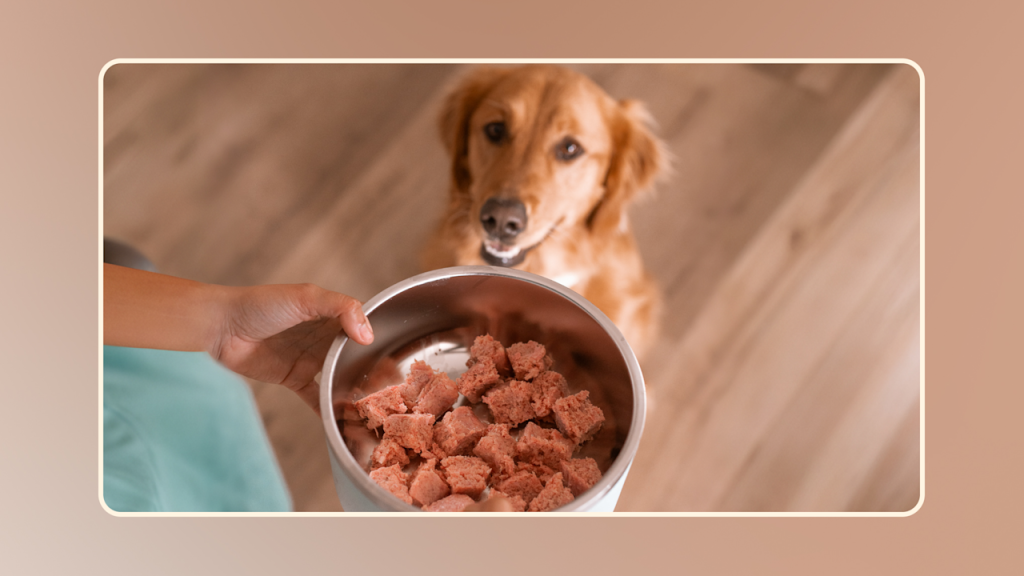

Have you ever wondered if raw food is actually easier for your dog to digest? You want the best for your furry friend, and choosing the right diet is a big part of that.
But with so many options out there, it’s hard to know what really helps your dog’s tummy feel comfortable. You’ll discover the truth about raw food and digestion. Keep reading to find out if switching to raw meals could make mealtime easier and healthier for your dog.
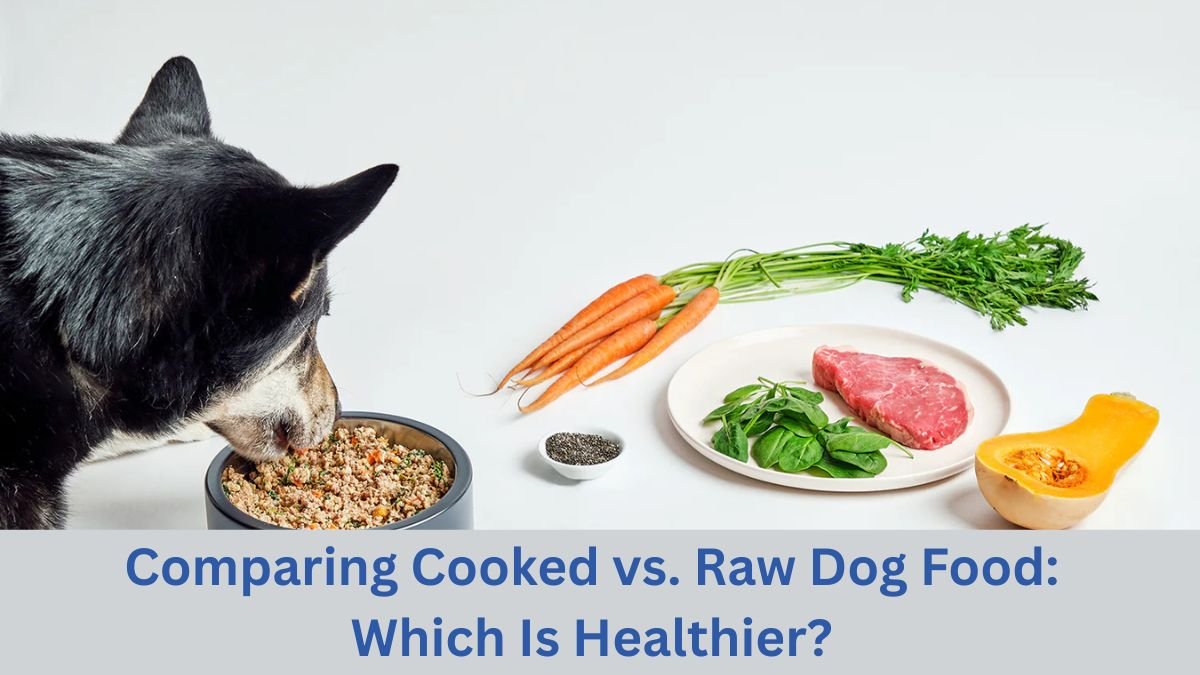
Credit: www.perfectbowl.com.au
Digestive Anatomy Of Dogs
Understanding the digestive anatomy of dogs is key to deciding if raw food is easier for them to digest. Dogs have evolved with a digestive system designed to process certain types of food efficiently. Knowing how their anatomy works can help you choose the best diet for your furry friend’s health and happiness.
Comparing Dog And Human Digestive Systems
Dogs have a shorter digestive tract compared to humans. This means food passes through their system faster, which affects how nutrients are absorbed.
Unlike humans, dogs have a more acidic stomach environment. This helps them break down protein and kill harmful bacteria more effectively.
Have you noticed how your dog can eat raw meat without getting sick? Their digestive system is built for it, unlike ours which is longer and designed for a variety of cooked and plant-based foods.
Role Of Enzymes In Digestion
Enzymes are crucial in breaking down food into nutrients your dog can use. Dogs produce enzymes like protease for protein and lipase for fats.
Raw food often contains natural enzymes that can assist your dog’s digestion. Cooking food can destroy these enzymes, making digestion a bit harder.
Think about your own digestion—do you feel better eating fresh fruits or cooked ones? Your dog’s body may benefit similarly from raw foods rich in enzymes.
Impact Of Diet On Digestive Health
Your dog’s diet directly affects their digestive health and overall well-being. Feeding raw food can support a healthy gut flora and reduce digestive upset.
Processed kibble often contains fillers that may be harder for your dog to digest and can cause inflammation.
Have you ever seen your dog struggle with digestion after a meal? Changing their diet to include raw food might ease these issues and improve nutrient absorption.
Raw Food Diet Explained
Switching your dog to a raw food diet might seem like a big step, but understanding what it really involves can help you decide if it’s right for your furry friend. The raw food diet focuses on feeding dogs uncooked, natural ingredients that resemble what their ancestors ate. This approach often aims to improve digestion, energy, and overall health by providing nutrients in their most natural form.
Common Ingredients In Raw Diets
Raw diets usually include a mix of:
- Muscle meat:This is the main protein source, often from beef, chicken, or lamb.
- Raw meaty bones:These provide calcium and help keep teeth clean.
- Organ meats:Liver, kidney, and heart supply essential vitamins and minerals.
- Vegetables and fruits:Small amounts of things like carrots, spinach, or apples add fiber and antioxidants.
- Supplements:Sometimes fish oil or probiotics are added to balance the diet.
Think about what your dog eats now. Are these ingredients part of their regular meals? If not, how might their digestion change with this new diet?
Preparation And Safety Considerations
Handling raw food for dogs requires care to avoid health risks. Always use fresh ingredients and keep everything clean to prevent bacteria growth.
Wash your hands, utensils, and surfaces thoroughly before and after preparing meals. Store raw food properly in the fridge or freezer to maintain freshness.
Some dog owners find preparing raw meals time-consuming at first, but it becomes easier with routine. Would you be able to commit the time needed to prepare safe, balanced meals for your dog?
Digestibility Of Raw Vs. Cooked Food
Understanding the digestibility of raw versus cooked food is crucial for dog owners. Dogs’ digestive systems are unique. They process food differently than humans. Some believe raw food is more natural for dogs. Others prefer cooking to ensure safety. Let’s explore how each affects digestion.
Nutrient Absorption Rates
Raw food often retains more natural enzymes. These help in breaking down food. Dogs may absorb nutrients faster this way. Cooked food can lose some enzymes. This might slow down nutrient absorption. Dogs may need to work harder to digest cooked meals.
Effect Of Cooking On Nutrient Availability
Cooking changes nutrient availability. It can break down some nutrients, making them less effective. On the other hand, cooking can destroy harmful bacteria. This makes food safer for dogs. Balancing safety with nutrition is key.
Benefits Of Raw Food For Dogs
Feeding your dog raw food can bring a variety of benefits that directly impact their digestion and overall health. Many dog owners notice changes not only in how their pets handle meals but also in their energy levels and appearance. Understanding these benefits helps you decide if raw food could be a better choice for your furry friend.
Improved Digestion And Stool Quality
Raw food often contains natural enzymes and moisture that support your dog’s digestive system. These enzymes help break down food more efficiently, which can reduce digestive upset like gas or bloating.
Many pet parents observe firmer, smaller stools when switching to raw diets. This change indicates better nutrient absorption and less waste, which means your dog is getting more from every meal.
Have you noticed any digestive issues with your dog’s current diet? Trying raw food might ease these problems by working closer to what their bodies are naturally designed to handle.
Enhanced Energy And Coat Condition
Raw diets typically include fresh meats and organs rich in vitamins and minerals. These nutrients can boost your dog’s energy levels, helping them stay active and playful throughout the day.
Beyond energy, many dogs develop a shinier, softer coat after switching to raw food. This improvement often reflects the higher quality fats and oils naturally present in raw ingredients.
Is your dog’s coat dull or dry? Adding raw food could be the simple change needed to bring back that healthy shine and softness.
Potential Risks And Challenges
Feeding dogs raw food may seem natural, but it carries risks. Understanding these challenges helps ensure your dog’s health.
Raw diets require careful handling and planning. Without proper knowledge, dogs may face health problems.
Bacterial Contamination Concerns
Raw meat can carry harmful bacteria like Salmonella and E. coli. These bacteria pose risks to dogs and humans.
Proper hygiene is essential when preparing raw food. Cross-contamination in the kitchen must be avoided.
Dogs with weak immune systems are more vulnerable to infections from bacteria. Careful monitoring is necessary.
Imbalance Of Nutrients
Raw diets can lack essential vitamins and minerals. This imbalance may cause health issues over time.
Calcium and phosphorus levels must be carefully balanced. Too much or too little harms bone health.
Commercial raw food options often include supplements to meet nutritional needs. Homemade diets need expert guidance.
Suitability For Different Dog Breeds And Ages
Not all dogs digest raw food well. Puppies, seniors, and some breeds may struggle with raw diets.
Young puppies need easily digestible food for growth. Raw diets may be too harsh for their stomachs.
Older dogs might have weaker digestion or health conditions. Raw food could worsen these problems.
Consult a veterinarian to decide if raw feeding fits your dog’s breed and age.

Credit: wefeedraw.com
Scientific Studies And Expert Opinions
Scientific studies and expert opinions provide clear insights about raw food digestion in dogs. Understanding these findings helps pet owners make informed choices. Research explores how well dogs digest raw diets compared to traditional kibble. Veterinarians share their views based on experience and science. This section breaks down the key information.
Research Findings On Raw Food Digestion
Studies show that dogs digest raw food differently than processed food. Raw diets often contain more natural enzymes and nutrients. These components can aid digestion and nutrient absorption. Some research indicates raw food may reduce stool volume and odor. This suggests better nutrient use by the dog’s body.
However, not all studies agree on the benefits. Some find no significant difference in digestion between raw and cooked diets. Risks such as bacterial contamination also appear in research. These risks can impact a dog’s health and digestion.
Veterinarian Perspectives
Veterinarians have varied opinions about raw food for dogs. Some support raw diets for their natural ingredients and potential digestive benefits. They note improvements in coat shine and energy levels in some dogs.
Others caution about the risks of raw feeding. They worry about bacteria like Salmonella or E. coli. These bacteria can cause illness in dogs and humans. Many vets recommend balanced commercial diets or cooked homemade meals to reduce risks.
Most vets agree that any diet must meet all nutritional needs. They advise consulting a vet before switching to raw food. Proper handling and hygiene are essential when feeding raw diets.
Practical Tips For Feeding Raw
Feeding your dog a raw diet can improve digestion and overall health. Careful planning makes the process smooth and safe. Here are practical tips to help you feed raw food correctly.
Transitioning Your Dog’s Diet
Switch your dog to raw food slowly. Mix small amounts of raw with current food at first. Gradually increase raw food over two weeks. Watch for any signs of upset stomach. This helps your dog adjust without problems.
Ensuring Balanced Nutrition
Raw diets must include proteins, fats, and essential nutrients. Use a variety of meats, organs, and bones. Add fresh vegetables and supplements for vitamins. Avoid feeding only one type of meat. A balanced diet keeps your dog strong and healthy.
Monitoring Digestive Health
Check your dog’s stool regularly for changes in texture or smell. Watch for diarrhea, vomiting, or constipation. Keep an eye on energy levels and appetite. Consult your vet if you notice any problems. Early monitoring ensures your dog thrives on raw food.

Credit: wefeedraw.com
Frequently Asked Questions
Is Raw Food Better For Dog Digestion?
Raw food can be easier for some dogs to digest due to its natural enzymes. It mimics a dog’s ancestral diet. However, digestion varies per dog and depends on the specific ingredients used in the raw diet.
How Does Raw Food Affect Dog Gut Health?
Raw food often contains natural probiotics and enzymes that support gut health. This can improve nutrient absorption and reduce digestive upset. Yet, benefits depend on the quality and balance of the raw food provided.
Can All Dogs Digest Raw Food Easily?
Not all dogs digest raw food easily. Puppies, senior dogs, or those with sensitive stomachs may struggle. Transitioning gradually and consulting a vet is important to ensure proper digestion and safety.
What Are Risks Of Feeding Raw Food To Dogs?
Raw food may carry bacteria like Salmonella or E. coli, risking infection. Improper handling or unbalanced diets can cause nutrient deficiencies. Always use safe preparation practices and consult a vet before switching diets.
Conclusion
Raw food can be easier for some dogs to digest. It contains natural enzymes that help break down food. Many dogs show better stool quality and less gas. Still, every dog is different and may react uniquely. Always watch your dog’s health and energy levels closely.
Consult your vet before making big diet changes. A balanced diet supports your dog’s digestion and health. Choosing the right food means understanding your dog’s needs well. Raw food is an option, but not the only one. Careful choices lead to happier, healthier dogs.


