Are you wondering when the best time is to start a raw food diet for your dog? Making this change can feel overwhelming, but it could also bring amazing health benefits for your furry friend.
Knowing the right moment to switch can help you avoid common mistakes and ensure your dog thrives on their new diet. Keep reading to discover the key signs and perfect timing that will make this transition smooth and rewarding for both you and your dog.
Benefits Of A Raw Food Diet
Switching your dog to a raw food diet can bring noticeable changes to their overall well-being. Many pet owners have witnessed improvements in their dog’s health that go beyond just better nutrition. Understanding these benefits helps you decide the right time to start this diet.
Improved Digestion
Dogs eating raw food often show better digestion. The natural enzymes in raw meat help break down food more efficiently. You might notice less gas, firmer stools, and fewer digestive upsets.
Have you observed your dog struggling with stomach issues or irregular bowel movements? A raw diet could ease these problems by providing more digestible nutrients.
Healthier Coat And Skin
One of the first things you’ll see after switching to raw food is a shinier coat and healthier skin. The fats and oils found in raw meat improve skin hydration and reduce itching or dryness. Dogs with allergies often experience relief when their diet is free of fillers and artificial ingredients.
Your dog’s coat can tell you a lot about their health. What changes would you like to see in your pet’s appearance?
Increased Energy Levels
Feeding raw food can boost your dog’s energy and vitality. Many owners report their pets are more playful and active after making the switch. This increase happens because raw diets are rich in protein and essential nutrients, fueling your dog naturally.
Imagine your dog greeting you with more enthusiasm every day. Could their diet be the key to unlocking that extra spark?
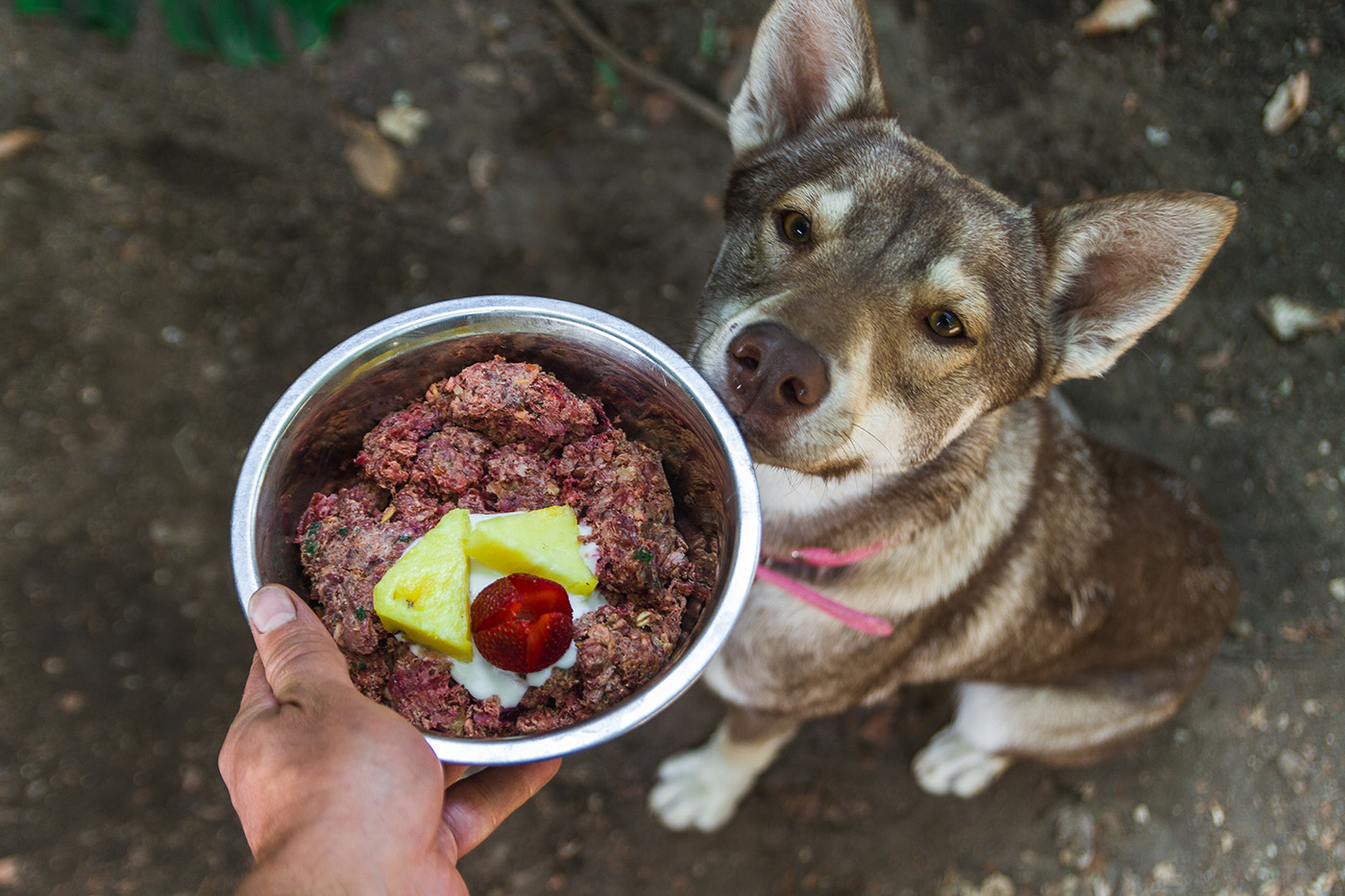
Credit: www.thisdogslife.co
Ideal Age To Begin
Choosing the right time to start a raw food diet for your dog is crucial. The dog’s age affects how well they adapt to this change. Each life stage—puppy, adult, and senior—has unique needs and challenges. Understanding these helps ensure a safe and healthy diet transition.
Starting With Puppies
Puppies can begin a raw food diet after weaning, around 8 weeks old. Their digestive systems are still developing, so start slowly. Introduce raw meals in small amounts to avoid upset stomachs. Focus on balanced nutrition with proper calcium and protein. Raw diets support strong bones and healthy growth.
Introducing To Adult Dogs
Adult dogs usually adapt well to a raw food diet. Transition gradually over 7 to 10 days. Mix raw food with their current diet, increasing raw portions each day. Monitor for any signs of digestive issues. Adult dogs benefit from improved digestion and energy on a raw diet.
Considerations For Senior Dogs
Senior dogs need special care when switching to raw food. Their teeth and digestion may be sensitive. Soft raw foods like ground meat and cooked bones can help. Consult a vet before starting. Raw diets can improve joint health and vitality in older dogs.
Signs Your Dog Is Ready
Knowing when your dog is ready for a raw food diet is important for a smooth transition. Watch for clear signs in their health and behavior. These signs help ensure the change benefits your dog without causing stress or discomfort.
Digestive Health Indicators
Good digestion is a key sign your dog can handle raw food. Look for firm, regular stools without diarrhea or constipation. Healthy digestion often means less gas and bloating. Your dog should not show signs of upset stomach or vomiting. A stable digestive system means they can process raw ingredients well.
Behavioral Cues
Your dog’s behavior can show readiness for new food. Increased energy and enthusiasm at meal times are positive signs. Watch if your dog is curious about different textures and smells. A calm, confident eater adapts better to diet changes. Avoid switching if your dog shows anxiety or refuses food.
Nutritional Needs Assessment
Assess your dog’s nutritional needs before starting raw food. Puppies and active dogs may need more calories and protein. Older dogs or those with health issues require special nutrients. Consult your vet to balance vitamins and minerals. Meeting nutritional needs ensures your dog stays healthy on raw food.
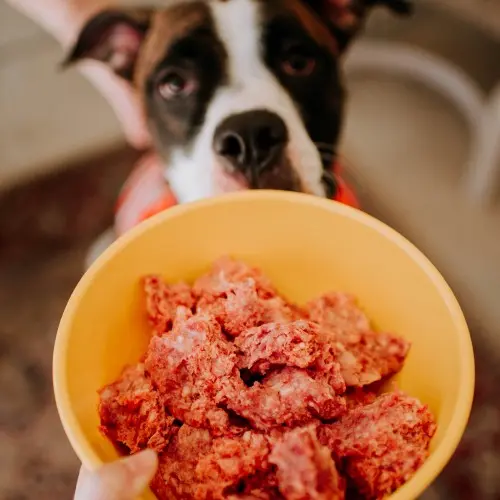
Credit: wefeedraw.com
Preparing For The Transition
Starting a raw food diet for dogs works best during calm times without changes or stress. Watch for signs of good health and energy before switching. Gradually introduce new foods to help your dog adjust smoothly.
Preparing your dog for a raw food diet is a thoughtful process. This transition requires careful planning. Start by understanding your dog’s needs. Every dog is unique. Make the switch gradually. This ensures a smooth adjustment. Let’s explore some essential steps.Gradual Introduction Techniques
Begin by mixing small amounts of raw food with their current diet. Increase the raw food portion slowly over one to two weeks. This helps your dog adjust without digestive issues. Monitor their reaction during this period. Look for signs of discomfort or allergies.Choosing The Right Raw Ingredients
Select quality meats like chicken, beef, or turkey. Include organ meats for essential nutrients. Add vegetables like carrots and spinach. Ensure a balanced diet with appropriate vitamins. Avoid bones that can splinter. Consult a list of safe foods before shopping.Consulting A Veterinarian
Before transitioning, speak with a veterinarian. They can provide guidance on proper nutrition. Discuss any health concerns your dog may have. The vet can suggest supplements if needed. A professional opinion ensures a safe dietary change for your pet.Common Challenges And Solutions
Starting a raw food diet for dogs often comes with challenges. These challenges can affect both the dog and the pet owner. Understanding common issues helps in making the transition smoother. Here are some frequent challenges and practical solutions.
Dealing With Picky Eaters
Many dogs refuse new foods at first. Raw diets smell and look different than kibble. Patience is key. Try mixing small amounts of raw food with their current diet. Gradually increase the raw portion over days or weeks. Change the protein source if your dog dislikes one type. Sometimes warming the food slightly can improve the smell and appeal. Serve fresh and clean food bowls every time. Praise your dog for eating to encourage positive behavior.
Managing Digestive Upset
Switching to raw food may cause loose stools or gas initially. This happens as the dog’s gut adjusts. Reduce the amount of raw food and increase slowly. Include easily digestible items like cooked pumpkin or plain yogurt. Monitor your dog’s bowel movements daily. Ensure fresh water is always available. Avoid sudden changes to prevent stress on digestion. If symptoms last more than a week, consult your vet.
Ensuring Balanced Nutrition
Raw diets must provide all essential nutrients. Missing nutrients can cause health problems. Use a variety of meats, organs, and bones. Add vegetables and fruits for vitamins and minerals. Supplements may be necessary for calcium and omega fatty acids. Research recipes or consult a pet nutritionist. Keep track of your dog’s weight and energy levels. Balanced nutrition supports a healthy coat, teeth, and immune system.

Credit: www.petstock.com.au
Monitoring Progress And Adjustments
Monitoring your dog’s progress after starting a raw food diet is vital for their health. Careful observation helps spot positive changes or any issues early. Adjustments based on these observations keep your dog happy and thriving. Regular checks build a better understanding of what works best for your dog’s unique needs.
Tracking Health Changes
Watch for shifts in energy levels, coat shine, and stool quality. Keep a daily journal to note changes in appetite and digestion. Weight is also important—track it weekly using a reliable scale. Look for signs of allergies, itching, or upset stomach. Consistent tracking makes it easier to spot trends and react swiftly.
Adjusting Portions And Variety
Portion size might need tweaking to match your dog’s activity and growth. Start with small servings and increase slowly if needed. Vary the types of meat, organs, and bones to provide balanced nutrition. Introduce new foods one at a time to monitor tolerance. Variety prevents boredom and ensures a full range of nutrients.
When To Seek Professional Advice
Consult a vet if your dog shows sudden weight loss or gain. Persistent diarrhea, vomiting, or lethargy also require expert attention. A professional can help adjust the diet for special health conditions. Regular vet check-ups support safe and effective raw feeding. Don’t hesitate to ask for help at any sign of concern.
Frequently Asked Questions
When Is The Best Age To Start A Raw Food Diet For Dogs?
Puppies can start a raw food diet after 8 weeks with proper guidance. Adult dogs can transition anytime but should do so gradually. Always consult a vet before changing your dog’s diet to ensure nutritional balance and safety.
Can Senior Dogs Benefit From A Raw Food Diet?
Yes, senior dogs can benefit from raw food diets. It may improve their digestion, coat health, and energy levels. However, consult your vet first to address any age-related health issues and tailor the diet to their specific needs.
How Long Should I Transition My Dog To Raw Food?
Transition your dog to raw food gradually over 7-10 days. Mix increasing amounts of raw food with their current diet. This helps prevent digestive upset and allows your dog’s system to adjust smoothly to the new diet.
Are There Risks To Starting Raw Food Too Early?
Starting raw food too early without vet advice can risk nutritional imbalances. Puppies need a carefully balanced diet for growth. Introducing raw food improperly may cause digestive issues or nutrient deficiencies. Always seek professional guidance.
Conclusion
Starting a raw food diet for your dog takes careful thought. Choose the right time based on your dog’s age and health. Consult your vet to ensure safety and balance. Watch your dog’s reaction closely after switching foods. Small changes help dogs adjust without stress.
A well-planned raw diet can support your dog’s health. Patience and care make the transition smoother. Every dog is different, so tailor the diet to their needs. Keep learning and stay attentive to your pet’s wellbeing. Your dog will thank you with better energy and happiness.