
Are you wondering when to switch your furry friend from puppy food to adult dog food? Making this change at the right time is crucial for your dog’s health and happiness.
Feed them too early, and they might miss out on important nutrients for growth. Wait too long, and they could gain unwanted weight or develop digestive issues. You’ll discover the perfect age to make this important switch and tips to ensure your dog stays strong and energetic.
Keep reading to give your dog the best nutrition at every stage of life!

Credit: jiminys.com
When To Switch To Adult Dog Food
Knowing the right time to switch your puppy to adult dog food is crucial for their health and development. Feeding adult food too early can stunt growth, while waiting too long might lead to nutritional imbalances. Understanding the factors that influence this transition helps you make the best choice for your dog’s unique needs.
Breed Size And Growth Rates
Different breeds grow at vastly different rates. Small breeds often reach full maturity by around 9 to 12 months, while large and giant breeds can take up to 18 or 24 months to fully mature.
For example, a Chihuahua might be ready for adult food sooner than a Great Dane. This is because larger breeds have longer growth periods and require higher-calorie puppy food to support bone and muscle development.
Ask yourself: Is your dog still growing rapidly, or do they seem to have reached their adult size? This observation will guide when to make the switch.
Signs Your Puppy Is Ready
Beyond age and breed, watch for clear signs your puppy is ready for adult food. These include:
- Slower growth rate or a noticeable plateau in size
- Lower energy levels compared to their puppy stage
- Teeth fully developed and no longer needing extra calcium for bone growth
I remember when my Labrador stopped showing the usual puppy energy bursts around 14 months. That was my cue to transition to adult food, which helped maintain his weight without excess calories.
Have you noticed changes like these in your dog? Recognizing these signs helps you avoid nutritional gaps or excesses during this critical phase.
Credit: www.purina.com
Nutritional Differences Between Puppy And Adult Food
Understanding the nutritional differences between puppy and adult dog food is essential for your pet’s health. Puppies need specific nutrients to support their rapid growth and development. Adult dogs, on the other hand, require a balanced diet to maintain their energy and overall wellbeing without promoting unnecessary weight gain.
Calorie And Protein Needs
Puppies burn a lot of energy as they grow, so their food contains more calories than adult dog food. This higher calorie content helps fuel their active lifestyle and supports muscle and bone growth.
Protein levels are also higher in puppy food. Protein helps build strong muscles and supports immune health. Feeding your dog adult food too early can slow down their growth, while feeding puppy food for too long might lead to excess weight.
Vitamin And Mineral Adjustments
Puppy food includes extra vitamins and minerals like calcium and phosphorus. These nutrients are vital for developing strong teeth and bones.
Adult dog food reduces these mineral levels because too much calcium can cause joint problems in mature dogs. Vitamins like vitamin D are also adjusted to meet the changing needs of adult dogs.
Have you ever noticed how your puppy’s appetite and energy levels change as they grow? Paying attention to these signs can help you decide when it’s time to switch their food and keep their nutrition on track.
Steps For A Smooth Transition
Switching your dog to adult food is a big change for their digestive system and taste buds. A smooth transition helps avoid stomach upset and ensures your dog enjoys their new meals. It’s not just about swapping bowls; it’s about easing your dog into the new routine carefully.
Gradual Mixing Method
Start by mixing a small amount of adult food with your dog’s current puppy food. A good rule is to begin with 25% adult food and 75% puppy food. Over the next 7 to 10 days, slowly increase the adult food portion while decreasing the puppy food.
This gradual approach lets your dog’s stomach adjust comfortably. Sudden changes can cause diarrhea or vomiting, which you want to avoid. Think of it as introducing a new flavor gently, rather than shocking their system.
Monitoring Your Dog’s Response
Keep a close eye on your dog’s behavior and digestion during the transition. Watch for signs like loose stools, vomiting, or decreased appetite. If any of these appear, slow down the transition pace or consult your vet.
Also, note their energy levels and mood. Are they still playful and eager? Changes in these areas can signal how well they’re adapting. Have you noticed your dog becoming picky or reluctant to eat? That’s an important clue to adjust the feeding plan.
Common Mistakes To Avoid
Feeding your dog adult food at the right time is crucial, but many dog owners make avoidable mistakes that can impact their pet’s health. Knowing what to watch out for helps you make better choices and keeps your dog happy and thriving. Let’s look at some common pitfalls so you can avoid them easily.
Switching Too Early Or Too Late
Changing your dog’s diet too soon can lead to digestive upset or nutritional imbalances. Puppies need specific nutrients to grow, so switching to adult food before they reach the right age might stunt their development.
On the flip side, waiting too long to switch can cause your dog to consume excess calories meant for growing pups, leading to weight gain and joint problems. Watch for signs like slowed growth or changes in energy to find the perfect timing for your dog.
Ignoring Individual Dog Needs
Every dog is different. Just because your dog is the same age as others doesn’t mean their diet needs are identical. Breed size, activity level, and health conditions all affect when and what you should feed.
For instance, a large breed dog may need to stay on puppy food longer to support joint development, while a smaller breed might transition earlier. Have you considered your dog’s unique needs when deciding on adult food? Tailoring their diet helps avoid problems and supports their long-term health.
Special Considerations For Senior Dogs
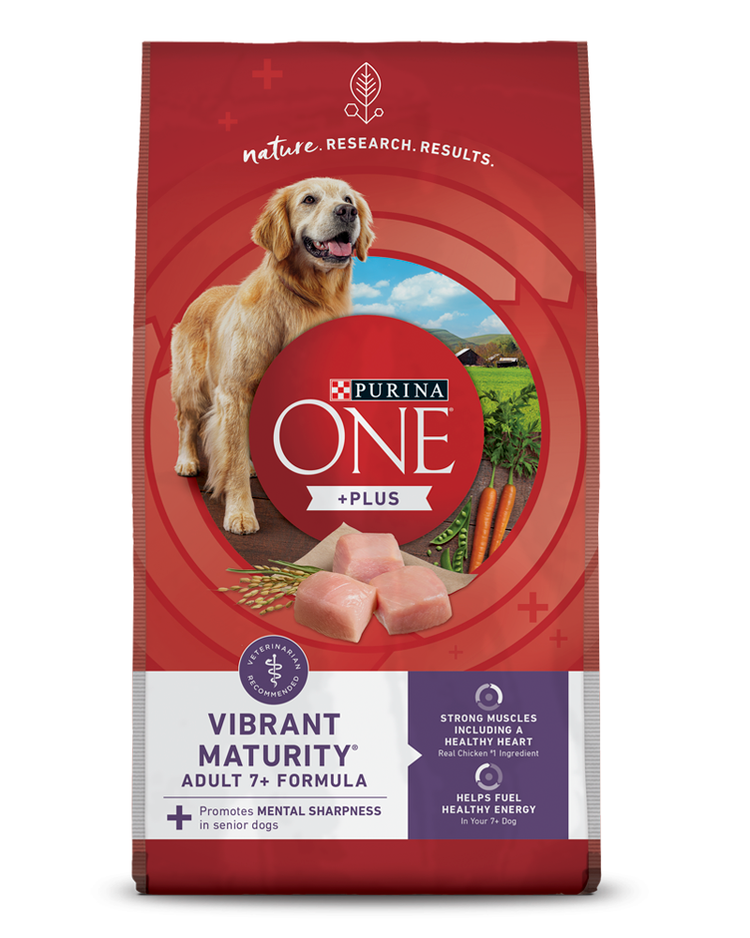
Senior dogs need special diets that support their aging bodies and slower metabolism. Feeding adult dog food usually starts around one year, but senior-specific food is best after seven years. Adjust food choices based on your dog’s health and energy levels.
Special Considerations for Senior Dogs As dogs age, their nutritional needs change significantly. Feeding them the right kind of food is crucial to their health and well-being. Senior dogs, much like older humans, may face specific health challenges that can be managed with a tailored diet.Adjusting Diet For Aging Pets
Older dogs often require fewer calories due to decreased activity levels. A diet rich in lean proteins and low in fat can help maintain their ideal weight. Consider foods with added fiber to aid digestion and support joint health. Senior-specific dog foods often contain omega-3 fatty acids, which can help reduce inflammation and support joint health. Additionally, these foods may include antioxidants to boost the immune system. Always check the label for these beneficial nutrients.When To Consult A Vet
If you’re unsure about your dog’s dietary needs, consulting a veterinarian is a wise step. Vets can provide personalized dietary advice based on your dog’s health status and age. They might recommend specific brands or supplements tailored to your pet’s needs. Regular vet visits are essential as your dog ages. These check-ups can help catch potential health issues early and adjust diets accordingly. Remember, your vet is your best resource for ensuring your senior dog remains healthy and happy.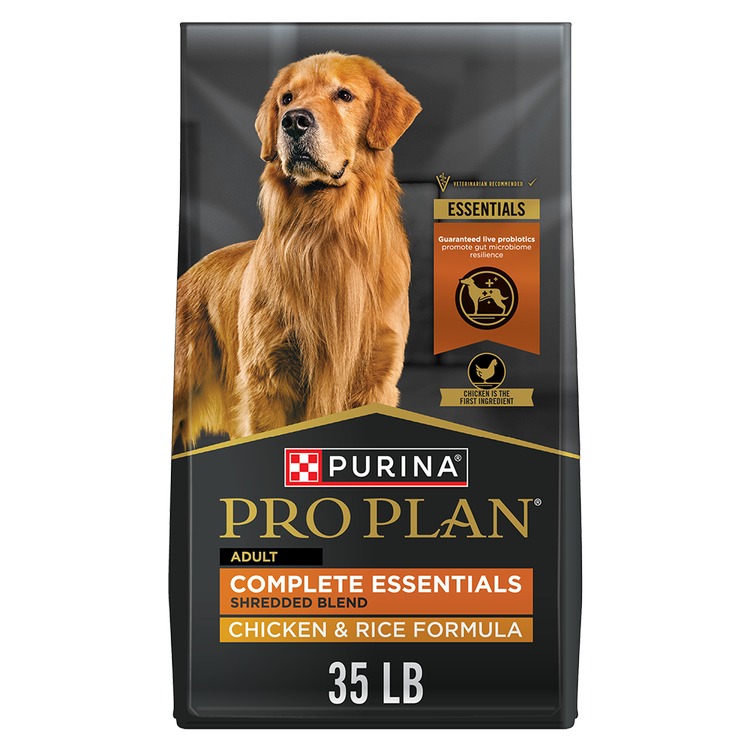
Credit: www.purina.com
Frequently Asked Questions
When Should I Switch My Puppy To Adult Dog Food?
You should switch to adult dog food when your puppy reaches 12 months. Large breeds may need adult food closer to 18-24 months. This timing ensures balanced nutrition for growth and maintenance.
Why Is Age Important For Feeding Adult Dog Food?
Age determines your dog’s nutritional needs. Puppies need growth nutrients, while adults require maintenance diets. Feeding adult food too early can hinder development.
Can I Feed Adult Dog Food To A Small Breed Puppy?
Small breed puppies should stay on puppy food until around 12 months. Adult food lacks essential nutrients for their rapid growth phase.
How Does Dog Size Affect The Transition To Adult Food?
Large breeds mature slower, needing puppy food up to 18-24 months. Small and medium breeds switch at about 12 months for optimal health.
Conclusion
Feeding adult dog food at the right age keeps your dog healthy. Most dogs switch around one year old, but size matters. Large breeds may need adult food later than small breeds. Watch your dog’s behavior and energy to guide you.
Good food helps maintain weight and strong muscles. Always ask your vet if unsure about the change. Feeding the right food supports your dog’s long, happy life. Simple steps make a big difference in pet care.