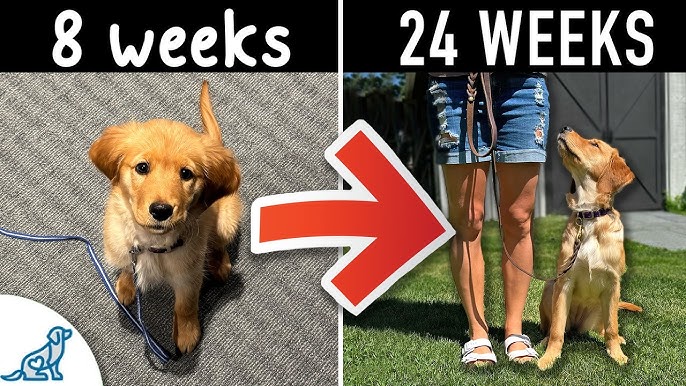

You want your dog to listen, behave, and become a happy member of your family. But when is the right time to start obedience training?
If you begin too early, your dog might not understand. Wait too long, and bad habits can set in. Knowing the perfect age to start can save you frustration and make training easier for both of you. Keep reading to discover the best time to begin obedience training and how to set your dog up for success from day one.

Credit: sitmeanssit.com
Ideal Age To Begin Training
Starting obedience training at the right age sets the foundation for a well-behaved dog. Early training helps dogs learn commands and good behavior faster. It also builds a strong bond between you and your pet. Training is possible at any age, but some stages work better than others. Understanding the ideal time to begin can help you choose the best approach for your dog.
Puppy Stage Benefits
Puppies learn quickly and adapt well to new experiences. Training during this stage shapes their behavior and social skills. They absorb commands easily, making training smoother and faster. Early training reduces future behavior problems. Puppies are more open to positive habits and less likely to develop bad ones. Starting young helps them understand boundaries clearly.
Training Adult Dogs
Adult dogs can learn new commands and behaviors too. Their learning pace may be slower but still effective. Training adult dogs requires patience and consistency. Older dogs may have established habits that need to change. Positive reinforcement works well for adults. Training strengthens your relationship and improves obedience regardless of age.
Signs Your Dog Is Ready
- Shows interest in learning new things
- Can focus on you for short periods
- Responds to simple commands like “sit” or “come”
- Is calm enough to listen without distractions
- Enjoys spending time with you
Recognizing these signs helps start training at the best moment. Tailoring the training to your dog’s readiness leads to better results.
Key Training Methods
Training your dog effectively requires understanding key methods that build trust and clear communication. The right approach sets the foundation for good behavior and a strong bond between you and your pet. Let’s look at some essential techniques that will make obedience training a success.
Positive Reinforcement
Rewarding your dog for good behavior motivates them to repeat it. Use treats, praise, or playtime immediately after they follow a command.
For example, when your puppy sits on command, give a treat right away. This quick reward helps your dog connect the action with the positive outcome.
Have you noticed how your dog’s tail wags more when they get a treat? That’s a simple sign they’re learning through positive reinforcement.
Consistency And Patience
Training works best when you use the same commands and rules every day. Inconsistent cues confuse your dog and slow progress.
Be patient; learning takes time, especially for young puppies. Short, frequent sessions keep your dog engaged without overwhelming them.
Think about how you felt learning something new as a child—didn’t repetition and kindness help you succeed? Your dog needs the same.
Avoiding Common Mistakes
It’s easy to get frustrated or accidentally reward bad behavior. Avoid yelling or punishing, as this can damage your dog’s trust.
Don’t expect perfection right away. Instead, focus on small wins and gradually build up to more complex commands.
Are you unintentionally reinforcing a habit you want to stop? Watch your reactions closely—your dog picks up on every signal.
Tailoring Training To Breed And Temperament
Tailoring obedience training to a dog’s breed and temperament is crucial. Each dog has unique needs and learning styles. Understanding these differences ensures effective training. This approach builds a strong bond between owner and pet. Let’s explore how breed and temperament influence training.
High-energy Breeds
High-energy breeds need structured training early. These dogs love activity and challenges. Start training as soon as they join your family. Use short, engaging sessions to hold their interest. Incorporate play into the training routine. This keeps them mentally and physically stimulated. Consistent routines help channel their energy positively.
Shy Or Reserved Dogs
Shy dogs require gentle, patient training methods. Begin with a calm environment to build trust. Use positive reinforcement to encourage progress. These dogs may need more time to adjust. Keep training sessions short and stress-free. Gradually introduce new commands and environments. Patience is key for their confidence and success.
Adapting To Your Dog’s Personality
Every dog has a unique personality. Observe your dog’s behavior and adjust training accordingly. Some dogs respond well to praise, others to treats. Identify what motivates your dog. Tailor the training methods to suit their preferences. This personalized approach maximizes learning and enjoyment. Celebrate small victories to encourage continued progress.
Role Of Socialization In Training
Socialization plays a crucial role in your dog’s obedience training journey. It shapes how your dog reacts to new people, places, and other animals. Without proper socialization, training can become more challenging, as your dog might feel anxious or distracted in unfamiliar situations.
Introducing New Environments
Exposing your dog to different environments early on helps them adapt quickly. Take your puppy to parks, busy streets, and quiet trails to experience a variety of sights, sounds, and smells. This exposure reduces fear and builds curiosity, which makes training sessions more effective because your dog feels more comfortable wherever you go.
Interacting With Other Dogs
Allowing your dog to meet and play with other dogs teaches important social skills. These interactions help your dog learn appropriate behavior, like sharing space and reading body language. A well-socialized dog is less likely to become aggressive or overly shy, making obedience commands easier to reinforce.
Building Confidence
Socialization boosts your dog’s confidence by helping them handle new challenges calmly. When your dog feels secure, they focus better during training and respond positively to your guidance. Have you noticed how your dog reacts when faced with something unfamiliar? Building their confidence through socialization sets the foundation for successful obedience training.
Expert Tips For Successful Training
Successful dog training requires patience, consistency, and the right approach. Small, clear steps help dogs learn better. Training should be fun and rewarding for both the dog and the owner. Understanding key tips can make the process smoother.
Setting Realistic Goals
Set simple goals that fit your dog’s age and breed. Puppies learn basic commands faster than complex tricks. Focus on one skill at a time. Celebrate small wins to keep motivation high. Avoid expecting too much too soon. Realistic goals reduce frustration for everyone.
Using Training Tools Effectively
Use tools like leashes, treats, and clickers correctly. Treats should be small and given right after good behavior. Leashes help guide without pulling or hurting. Clickers mark the exact moment your dog does well. Tools support training but never replace kindness. Choose tools that fit your dog’s size and needs.
When To Seek Professional Help
Some dogs need extra help beyond home training. Signs include aggression, fear, or not responding to commands. Professionals use proven methods and know how to handle challenges. Early help can prevent bad habits from forming. Don’t wait too long to ask for expert advice. Trainers can teach both you and your dog.
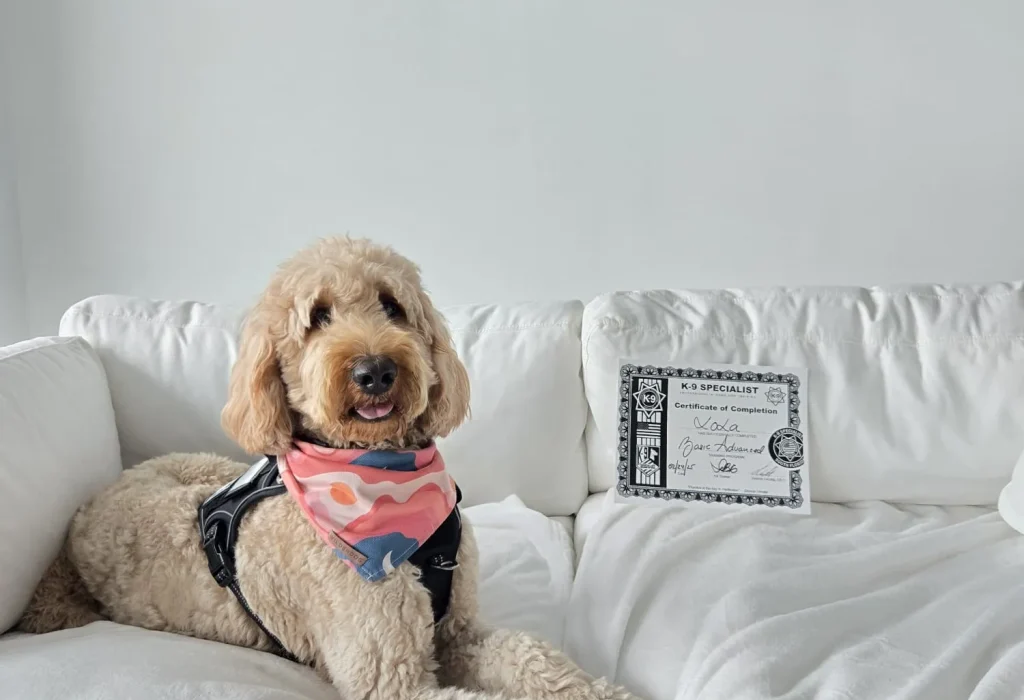
Credit: k-9specialist.com

Credit: www.gundogmag.com
Frequently Asked Questions
At What Age Should Puppies Start Obedience Training?
Puppies can begin basic obedience training as early as 7 to 8 weeks old. Early training builds good habits and social skills. Start with simple commands to keep sessions short and positive.
Why Is Early Obedience Training Important For Dogs?
Early training helps shape a dog’s behavior and prevents bad habits. It improves communication between owner and pet. Starting young ensures better socialization and obedience throughout life.
Can Adult Dogs Learn Obedience Training Effectively?
Yes, adult dogs can learn obedience with patience and consistency. Training might take longer than with puppies but is still very effective. Positive reinforcement and regular practice are key.
How Long Should Each Obedience Training Session Last?
Training sessions should last about 5 to 15 minutes. Short sessions keep dogs engaged and prevent boredom. Multiple short sessions daily are more effective than one long session.
Conclusion
Starting obedience training early helps dogs learn good habits fast. Puppies are ready to begin basic commands as young as 7 to 8 weeks old. Training builds trust and improves communication between you and your dog. Keep sessions short and fun to hold their attention.
Consistency and patience matter more than age alone. Every dog learns at its own pace. Begin training soon to create a happy, well-behaved companion. This simple step sets the foundation for a strong bond and a joyful life together.