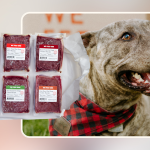
If you want your dog to enjoy a healthier, happier life, choosing the right foods is key. Have you ever wondered what good raw foods for dogs really are?
Feeding your furry friend raw meals can boost their energy, improve their coat, and support better digestion. But with so many options out there, it’s easy to feel overwhelmed. You’ll discover the best raw foods that are safe and nutritious for your dog.
Keep reading to learn how to give your pet the diet they deserve!
Benefits Of Raw Food For Dogs
Feeding dogs raw food offers several health benefits that support their overall well-being. Raw diets often include fresh meats, bones, and vegetables. These ingredients provide natural nutrients that are easy for dogs to digest and absorb. Many pet owners notice positive changes in their dogs after switching to raw food.
Improved Digestion
Raw food contains natural enzymes that help break down food. These enzymes can ease digestion and reduce stomach issues. Dogs may experience less gas and firmer stools. A raw diet supports healthy gut bacteria, which improves nutrient absorption.
Enhanced Coat And Skin Health
Raw foods are rich in essential fatty acids like omega-3 and omega-6. These fats nourish the skin and promote a shiny, soft coat. Dogs often have less itching and dry skin. The natural vitamins in raw food help maintain healthy fur and skin barrier.
Increased Energy Levels
Raw diets provide high-quality proteins and fats for sustained energy. Dogs often feel more active and playful. Raw food supports muscle strength and overall vitality. This diet helps maintain a healthy weight and stamina.

Credit: www.k9sovercoffee.com
Essential Nutrients In Raw Diets
Feeding your dog a raw diet means providing a variety of essential nutrients that support their overall health. These nutrients must come from the right balance of foods to keep your furry friend energetic and strong. Understanding what your dog needs helps you pick the best raw ingredients.
Proteins And Amino Acids
Proteins are the building blocks of your dog’s muscles, skin, and organs. Raw diets often include meats like chicken, beef, or fish, which supply high-quality proteins. These proteins are rich in amino acids, the tiny molecules your dog’s body uses to repair tissues and make enzymes.
Have you noticed how active dogs seem after a protein-rich meal? It’s because their bodies get the exact amino acids needed for energy and recovery. Avoid feeding too much muscle meat alone; bones and organs also provide important amino acids for balance.
Healthy Fats
Fat is not just extra calories—it plays a vital role in your dog’s brain function and coat health. Raw diets include fats from sources like fish oil, chicken fat, and organ meats. These fats contain omega-3 and omega-6 fatty acids that help reduce inflammation and keep joints flexible.
Think about your dog’s shiny coat and healthy skin; these are signs of good fat intake. Too little fat can cause dull fur and dry skin, so make sure to add fatty parts to your dog’s meals for that natural glow.
Vitamins And Minerals
Vitamins and minerals support everything from your dog’s immune system to bone strength. Raw foods like liver, kidney, and fresh vegetables provide essential nutrients such as vitamin A, calcium, and zinc. Each vitamin and mineral has a unique role, so variety matters.
Are you including organ meats and a mix of veggies in your dog’s diet? These foods fill the gaps that muscle meat alone can’t cover. Keep track of your dog’s health signs—energy levels, digestion, and coat condition can tell you if their vitamin and mineral needs are met.
Top Raw Meats For Dogs
Raw meats like chicken, beef, and turkey provide essential nutrients for dogs. Fresh, high-quality raw foods support healthy digestion and strong muscles. Choosing the right raw meats helps keep dogs energetic and happy.
Introducing raw meats into your dog’s diet can be a nutritious and exciting way to keep them healthy and happy. Raw diets are gaining popularity among pet owners who want to provide their furry friends with natural and unprocessed meals. But which meats are best for your canine companion?Chicken And Turkey
Chicken and turkey are excellent sources of lean protein, making them ideal choices for your dog. These meats are readily available and affordable, so you won’t have to break the bank. Your dog will love the taste, and you’ll appreciate the essential nutrients these meats provide. Always ensure that you remove bones to avoid any choking hazards or digestive issues.Beef And Lamb
Beef and lamb are packed with essential amino acids and fatty acids. These meats are perfect for building muscle and maintaining a healthy coat. Feeding your dog beef or lamb can also offer variety, keeping mealtime exciting. Consider starting with ground beef or lamb for easy digestion and watch your dog thrive on these delicious options.Fish Options
Fish like salmon and sardines are rich in omega-3 fatty acids, which are great for your dog’s skin and coat. These nutrients also support brain and heart health, adding another layer of benefit. When selecting fish, opt for fresh options and ensure they are boneless. Have you ever noticed how your dog seems to perk up after a fish meal? It’s likely due to the nutritious boost they’re receiving. Choosing the right raw meat for your dog requires understanding their preferences and nutritional needs. Which of these options will you try first? Your dog’s wagging tail will surely give you the answer.Nutritious Raw Vegetables And Fruits
Adding raw vegetables and fruits to your dog’s diet can boost their health in surprising ways. These natural foods offer essential vitamins, minerals, and fiber that support digestion, immunity, and overall well-being. But which raw vegetables and fruits are truly good for your dog? Let’s break down some of the best options you can easily add to their meals.
Leafy Greens
Leafy greens like spinach, kale, and romaine lettuce are packed with nutrients your dog needs. They provide vitamins A, C, and K, plus antioxidants that protect cells from damage. I started giving my dog small amounts of chopped spinach, and I noticed her coat became shinier within weeks.
Be sure to wash the greens thoroughly and serve them chopped or blended to make them easier to digest. Avoid giving your dog too much at once, as it might cause gas or stomach upset.
Carrots And Sweet Potatoes
Carrots and sweet potatoes are crunchy, naturally sweet treats that dogs usually love. They are rich in beta-carotene, fiber, and vitamins that promote eye health and good digestion. I often slice raw carrots into sticks for my dog’s snacks—it’s a healthy alternative to store-bought treats and keeps her busy chewing.
Sweet potatoes can be served raw but are easier on your dog’s stomach when lightly steamed or grated. Both veggies also support dental health by helping to clean teeth as your dog chews.
Apples And Berries
Apples and berries bring a burst of flavor and antioxidants to your dog’s diet. Apples provide vitamin C and fiber but remember to remove the seeds and core before feeding. Berries like blueberries and strawberries are low in calories and high in vitamins, making them excellent occasional treats.
Try mixing a few chopped apples or a handful of berries into your dog’s raw food bowl. Have you ever noticed how excited your dog gets when you offer these fresh fruits? It’s a simple way to add variety and nutrients to their meals.
Safe Bones And Chews
Choosing safe bones and chews is essential for your dog’s health and enjoyment. Not all bones are created equal, and some can cause more harm than good. Understanding which options are safe helps you protect your dog’s teeth and digestive system while keeping them happily occupied.
Raw Meaty Bones
Raw meaty bones are a favorite for many dog owners because they provide both nutrition and entertainment. These bones still have some meat attached, offering protein and natural enzymes that support digestion. Common choices include chicken necks, turkey wings, and beef ribs.
Always supervise your dog while they chew to prevent choking or swallowing large pieces. If your dog is new to raw bones, start with smaller sizes and observe how they handle them. Raw meaty bones are softer and less likely to splinter than cooked bones, making them a safer option.
Avoiding Cooked Bones
Cooked bones can splinter easily, creating sharp fragments that may injure your dog’s mouth, throat, or intestines. Even bones that seem safe, like chicken or pork, become dangerous after cooking. Avoid giving your dog any bones that have been roasted, boiled, or fried.
Instead, discard cooked bones immediately after meals and replace them with raw alternatives. This simple switch can prevent costly vet visits and serious health risks. Have you ever noticed your dog trying to chew a cooked bone? It’s best to stop them quickly for their safety.
Dental Health Benefits
Chewing on safe bones naturally cleans your dog’s teeth by scraping off plaque and tartar. This action can reduce bad breath and lower the chance of gum disease. Unlike dental treats, raw bones offer a more engaging way for your dog to maintain oral health.
Regular chewing also strengthens jaw muscles and keeps your dog mentally stimulated. If you want a natural method to care for your dog’s teeth, consider adding raw meaty bones to their routine. Have you seen how enthusiastic dogs get when given a good chew? It’s a sign they enjoy the benefits too.

Credit: wefeedraw.com
Common Risks And How To Avoid Them
Feeding raw foods to dogs carries certain risks that pet owners should know. Understanding these risks helps keep dogs safe and healthy. Proper care and knowledge reduce problems linked to raw diets.
Bacterial Contamination
Raw meat can contain harmful bacteria like Salmonella and E. coli. These bacteria cause illness in dogs and humans. Handling raw food with clean hands and utensils lowers contamination risks.
- Buy fresh, high-quality meat from trusted sources.
- Store raw food in the refrigerator or freezer immediately.
- Clean bowls and surfaces thoroughly after feeding.
- Avoid cross-contamination with other foods or items.
Balanced Diet Concerns
Raw diets may lack some nutrients dogs need. An unbalanced diet can cause health problems over time. Variety in raw foods supports a dog’s nutritional needs.
- Include muscle meat, organs, and bones in meals.
- Use supplements if recommended for vitamins and minerals.
- Rotate different protein sources for a balanced intake.
- Watch for signs of nutrient deficiencies or excesses.
Consulting A Veterinarian
Veterinarians provide guidance tailored to each dog’s health. A vet can help design a safe raw food plan. Regular checkups monitor health changes from diet adjustments.
- Discuss raw feeding before starting it.
- Ask about supplements and diet balance.
- Report any health issues quickly to your vet.
- Follow vet advice on food safety and storage.
Tips For Transitioning To Raw Food
Switching your dog to a raw food diet takes patience and attention. Sudden changes can upset their stomach or cause refusal to eat. Careful planning helps your dog adjust smoothly and enjoy the health benefits of raw meals.
Gradual Introduction
Start by mixing a small amount of raw food with your dog’s current diet. You might begin with just 10% raw food and increase it slowly over two to four weeks. This gentle approach helps your dog’s digestive system adapt without stress.
Watch how your dog reacts to each increase. Some dogs may need a slower transition, especially if they have sensitive stomachs. How does your dog respond when you add new foods? Pay close attention to their appetite and energy levels.
Monitoring Digestive Response
Keep an eye on your dog’s stools and overall digestion during the transition. Normal stools are firm and easy to pick up. Loose stools, diarrhea, or constipation can signal that the change is too fast or the diet needs adjustment.
If you notice any digestive upset, pause the increase and maintain the current amount until things stabilize. This step ensures your dog stays comfortable and healthy throughout the process. Have you noticed any changes in your dog’s bathroom habits lately?
Meal Preparation And Storage
Raw food must be handled carefully to keep your dog safe. Prepare meals in a clean area and wash your hands thoroughly after handling raw meat. Use separate utensils and bowls for raw food to avoid cross-contamination.
Store raw meals in airtight containers in the fridge or freezer. Label each portion with the date to keep track of freshness. Feeding your dog fresh, properly stored food helps maintain its nutritional value and prevents spoilage.

Credit: wefeedraw.com
Frequently Asked Questions
What Are The Best Raw Meats For Dogs?
Raw meats like chicken, turkey, and beef are excellent for dogs. They provide essential proteins and nutrients that support muscle growth and energy levels.
Can Dogs Eat Raw Vegetables Safely?
Yes, dogs can safely eat raw vegetables like carrots, spinach, and broccoli. These add fiber, vitamins, and antioxidants to their diet.
Are Raw Bones Healthy For Dogs To Chew?
Raw bones are beneficial as they promote dental health and provide minerals. Avoid cooked bones, which can splinter and harm your dog.
How To Balance A Raw Food Diet For Dogs?
A balanced raw diet includes muscle meat, organs, bones, and vegetables. Proper ratios ensure dogs receive all necessary nutrients for optimal health.
Conclusion
Choosing good raw foods for dogs supports their health and happiness. Fresh meats, vegetables, and fruits provide essential nutrients. Avoid bones that can splinter or foods that are toxic to dogs. Balance and variety keep your dog strong and energetic.
Always introduce new foods slowly to watch for reactions. Consult your vet to create the best diet plan. Feeding raw can be safe and rewarding with care. Your dog will thank you with a shiny coat and bright eyes. Simple steps lead to better nutrition and a joyful pet.