Are you thinking about feeding your dog a raw food diet but unsure which type of beef is best? Choosing the right beef can make a huge difference in your dog’s health and happiness.
You want to give your furry friend meat that’s safe, nutritious, and packed with energy. You’ll discover exactly what kind of beef to pick, how to prepare it, and why it matters for your dog’s well-being. Keep reading to make the best choice for your loyal companion.
Benefits Of Raw Beef In Dog Diets
Feeding your dog raw beef offers several clear benefits that support their overall health and well-being. Many pet owners notice positive changes after adding raw beef to their dog’s diet, from better digestion to shinier coats. Understanding these benefits can help you decide if raw beef is a good fit for your furry friend.
Nutritional Value
Raw beef is packed with essential nutrients like protein, iron, and B vitamins that your dog needs for energy and muscle strength. Unlike cooked meat, raw beef retains more of its natural enzymes and nutrients, which can get lost during cooking. You might be surprised how a simple change like adding raw beef can boost your dog’s vitality.
Improved Digestion
Many dogs handle raw beef more easily than processed kibble. The natural enzymes in raw beef can help break down food better, leading to less gas and firmer stools. Have you ever noticed your dog struggling with digestion? Switching to raw beef could make a noticeable difference.
Enhanced Coat And Skin Health
Raw beef provides essential fatty acids that support healthy skin and a shiny coat. Dogs often show visible improvements in their fur’s texture and shine after eating raw beef regularly. If your dog’s coat looks dull or dry, adding raw beef might be the simple fix you need.

Credit: wefeedraw.com
Ideal Beef Cuts For Raw Feeding
Choosing the right beef cuts is crucial for your dog’s raw food diet. The ideal beef cuts provide balanced nutrition, supporting your dog’s health and energy. Understanding the types of meat, organs, and bones you can feed helps you create meals that are both safe and beneficial.
Muscle Meat Choices
Muscle meat is the foundation of any raw diet. Look for lean cuts such as beef chuck, round, or sirloin. These cuts offer high-quality protein and essential amino acids that keep your dog strong and active.
Fat content matters too. Too much fat can cause digestive issues, while too little may leave your dog lacking energy. Aim for a balance with about 80% muscle meat and 20% fat to start.
Organ Meat Options
Organs are nutritional powerhouses. Liver is a top choice because it’s rich in vitamins A, B, and iron. Kidneys and hearts are also great options, adding variety and essential nutrients like taurine and coenzyme Q10.
Be cautious about the amount though. Organs should make up about 10-15% of your dog’s diet. Too much organ meat can lead to vitamin imbalances, so mix it with muscle and bone for a balanced meal.
Bone-in Cuts
Raw, meaty bones are important for dental health and calcium. Neck bones, oxtails, and ribs are popular choices. These provide chewing satisfaction and help maintain strong teeth and gums.
Always supervise your dog with bones to avoid choking hazards. Avoid cooked bones, as they can splinter and cause injuries. Raw bones also supply minerals that support your dog’s overall health.
Selecting Fresh And Safe Beef
Choose fresh, high-quality beef from trusted sources for your dog’s raw food diet. Ensure the meat is free from additives and safe for raw consumption. Look for cuts with good marbling and avoid processed or spoiled beef.
Selecting fresh and safe beef is vital for your dog’s raw diet. High-quality beef ensures your dog gets essential nutrients. Fresh beef can improve your pet’s health and well-being. Understanding how to choose the right beef is key.Quality Indicators
Look for beef with a bright red color. This shows freshness. Avoid beef with brown spots. Check for a pleasant smell. A bad smell means spoilage. The beef should have a firm texture. Soft meat may be old.Sources And Suppliers
Choose reputable suppliers for your beef. Local butchers often provide fresh cuts. Farmers’ markets are good for organic options. Check for suppliers with good reviews. Ask about their sourcing practices.Storage Tips
Store beef in a cold fridge immediately. Use airtight containers to keep it fresh. Label the beef with the purchase date. Use it within three days for best quality. Freeze beef if storing for longer periods. Defrost in the fridge, not at room temperature.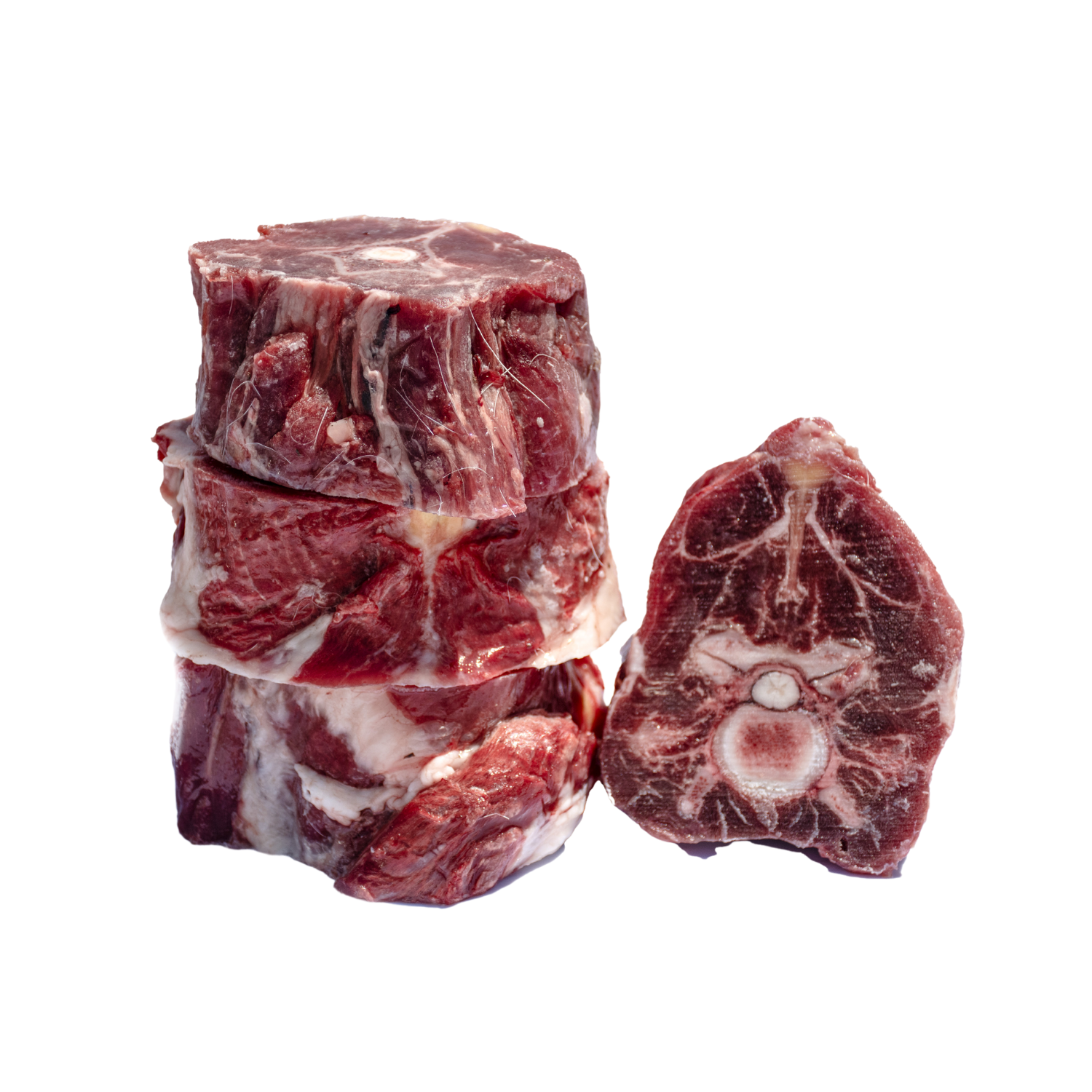
Credit: therawdogfoodco.nz
Preparing Beef For Raw Feeding
Preparing beef for a raw food diet requires care and attention. Proper handling ensures your dog gets safe and nutritious meals. Follow these steps to prepare beef correctly for raw feeding.
Portioning And Thawing
Cut beef into small, manageable portions. This helps your dog eat comfortably. Store portions in airtight bags to keep them fresh. Thaw beef slowly in the refrigerator. Avoid thawing at room temperature to prevent bacteria growth. Use thawed beef within 24 hours for best quality.
Hygiene Practices
Wash your hands before and after handling raw beef. Clean all surfaces and utensils with hot, soapy water. Use separate cutting boards for raw meat and other foods. Keep raw beef away from cooked food to avoid cross-contamination. Regularly sanitize your kitchen tools to maintain safety.
Avoiding Common Risks
Choose high-quality, fresh beef from trusted sources. Avoid beef with added preservatives or spices. Check for any signs of spoilage like bad smell or slimy texture. Freeze beef for at least three days to kill parasites. Monitor your dog for any adverse reactions after feeding raw beef.
Balancing Beef With Other Ingredients
Balancing beef with other ingredients is essential for a healthy raw food diet for dogs. Beef provides protein and important nutrients, but it should not be the only ingredient. A well-rounded meal includes vegetables, fats, and supplements that support digestion and overall health.
Vegetables And Supplements
Dogs need vitamins and minerals from vegetables. Safe options include carrots, spinach, and broccoli. These add fiber and help digestion. Supplements like fish oil or kelp powder improve coat and joint health. Always introduce new foods slowly to avoid stomach upset.
Fat Content Considerations
Fat is a key energy source for dogs. Choose beef cuts with moderate fat, like chuck or brisket. Too much fat can cause diarrhea or weight gain. Too little fat leads to dry skin and low energy. Balance fat by mixing lean and fatty cuts or adding healthy oils like salmon oil.
Frequency And Portion Sizes
Feed raw beef meals based on your dog’s size and activity. Small dogs need less, large dogs more. Offer meals 1 to 2 times daily. Portion sizes should match calorie needs to prevent obesity. Monitor your dog’s weight and adjust portions as needed.

Credit: www.youtube.com
Monitoring Your Dog’s Response
Feeding your dog a raw food diet with beef means you need to keep a close eye on how they respond. Monitoring your dog’s health regularly helps you catch any positive changes or possible problems early. This way, you can make sure the diet suits your dog’s needs perfectly and adjust it if necessary.
Signs Of Improved Health
You might notice your dog has more energy and a shinier coat within a few weeks of starting raw beef. Better digestion is common too, with less gas and firmer stools. Some dogs even show improved muscle tone and a healthier weight.
Watch your dog’s behavior closely. Are they more playful? Do they seem happier after meals? These small signs can tell you the diet is working well.
Potential Allergies Or Issues
Not every dog reacts well to beef, so watch for signs like itching, redness, or excessive scratching. Digestive upset such as vomiting or diarrhea can also signal a problem. Sometimes, you may notice swelling or difficulty breathing, which needs immediate vet attention.
If you spot any of these signs, don’t ignore them. Could your dog be allergic to a specific cut of beef or something else in their meal? Keeping a food diary can help you track what triggers issues.
Adjusting The Diet
If your dog shows positive signs, you can continue with the current beef cuts and portions. But if problems arise, try switching to leaner cuts or a different protein source for a few days. Gradual changes help avoid shocking your dog’s system.
Remember, variety can be key. Adding organ meats or different raw veggies might improve nutrient balance and keep your dog interested. How often do you check in with your vet to fine-tune your dog’s raw food diet?
Frequently Asked Questions
What Is The Best Beef Cut For Raw Dog Food?
The best beef cuts for raw dog food are muscle meats like chuck, round, and brisket. These cuts provide essential protein and nutrients for dogs.
Can Raw Beef Bones Be Given To Dogs Safely?
Raw beef bones like marrow and knuckle bones are safe for dogs. They help with dental health but should be size-appropriate and supervised.
How Much Beef Should I Feed My Raw Diet Dog?
Feed your dog about 2-3% of its ideal body weight daily in raw beef. Adjust portions based on activity, age, and health needs.
Is Ground Beef Suitable For A Raw Food Diet?
Yes, ground beef is suitable for raw feeding. It’s easy to digest and mix with other ingredients for balanced nutrition.
Conclusion
Choosing the right beef is key for your dog’s raw food diet. Fresh, high-quality cuts keep your pet healthy and happy. Avoid fatty or processed meats to prevent health issues. Balance muscle meat with organs and bones for nutrition. Always handle raw beef safely to avoid germs.
A good diet supports your dog’s energy and coat. Pay attention to your dog’s needs and preferences. Raw feeding takes care and love, but it works well. Your dog will thank you with good health and joy.