
Have you ever wondered how to train your dog in a way that feels fair and effective? You want your furry friend to listen, behave well, and stay happy, but sometimes training methods can be confusing or overwhelming.
That’s where balanced dog training comes in. It’s a straightforward approach that blends rewards and corrections to help your dog learn quickly and confidently. If you’re ready to discover a training style that respects your dog’s needs while giving you control, keep reading.
This guide will show you exactly what balanced dog training is and why it might be the perfect fit for you and your pet.
Balanced Dog Training Basics
Balanced dog training combines different techniques to teach dogs good behavior. It uses both rewards and corrections. This approach helps dogs learn clearly what is right and wrong. Trainers focus on respect and trust between the dog and owner. The goal is a happy, well-behaved dog.
Core Principles
- Mixes positive reinforcement with appropriate corrections
- Encourages clear communication between owner and dog
- Builds respect, trust, and cooperation
- Uses consistency and timing for effective learning
- Adapts methods to fit each dog’s personality and needs
Benefits For Dogs And Owners
- Dogs learn faster and remember commands better
- Owners gain confidence in training their dogs
- Reduces unwanted behaviors like barking or jumping
- Strengthens the bond between dog and owner
- Creates a balanced relationship based on respect
Credit: www.petscare.com
Positive Reinforcement Techniques
Positive reinforcement techniques form a core part of balanced dog training. They help build trust and encourage good behavior. These techniques focus on rewarding dogs for actions you want to see more often. Positive reinforcement creates a happy learning environment for dogs. It helps them understand what you expect without fear or stress.
Reward-based Methods
Reward-based methods involve giving your dog something they like. This could be treats, praise, or toys. Rewards motivate dogs to repeat good behavior. For example, giving a treat when your dog sits on command. This clear reward makes your dog want to obey next time.
Using different types of rewards keeps training fun. Some dogs prefer food, while others enjoy play or petting. Watch what your dog likes most and use it as a reward. Timing the reward right after the behavior is important.
Timing And Consistency
Timing is key in positive reinforcement training. The reward must come immediately after the correct behavior. This helps dogs connect their action with the reward. If the reward comes too late, the dog may get confused.
Consistency means rewarding the behavior every time at first. This strengthens the connection in your dog’s mind. Over time, you can reduce rewards and use praise instead. Consistent training sessions help dogs learn faster and better.
Corrective Measures In Training
Corrective measures in balanced dog training help guide dogs toward good behavior. These measures involve gentle corrections to stop unwanted actions. They work alongside rewards and positive reinforcement. The goal is clear communication between the trainer and the dog. Proper corrections prevent confusion and build trust.
Using Corrections Safely
Corrections must be safe and never cause harm. Use low-impact tools like gentle leash pressure or a firm voice. Avoid yelling or physical punishment. Watch the dog’s reaction closely. If the dog shows fear or stress, stop immediately. The correction should teach, not scare.
When And How To Apply
Apply corrections right after the unwanted behavior happens. Timing is key to help the dog connect the action with the correction. Use calm and steady commands. Keep corrections short and clear. Follow up with positive reinforcement when the dog stops the bad behavior. This balance helps dogs learn faster and feel secure.
Combining Rewards And Corrections
Combining rewards and corrections in balanced dog training means using both positive reinforcement and appropriate consequences to guide your dog’s behavior. This approach aims to create clear communication, so your dog understands what you expect. It’s not about being harsh or overly lenient but about knowing when to praise and when to correct.
Finding The Right Balance
Finding the right balance between rewards and corrections is key to successful training. Too many corrections can make your dog anxious or confused, while too many rewards without guidance might lead to spoiled behavior. Think about your dog’s personality and temperament—some dogs respond better to praise, others need clearer boundaries.
Try to observe how your dog reacts after a correction or a reward. Does your dog seem motivated or stressed? Adjust your approach based on these reactions. Remember, the goal is to help your dog learn, not to win a battle.
Avoiding Common Mistakes
One common mistake is using corrections too late or inconsistently. If your dog doesn’t connect the correction to the behavior, it won’t learn effectively. Timing is everything—correct or reward immediately after the action.
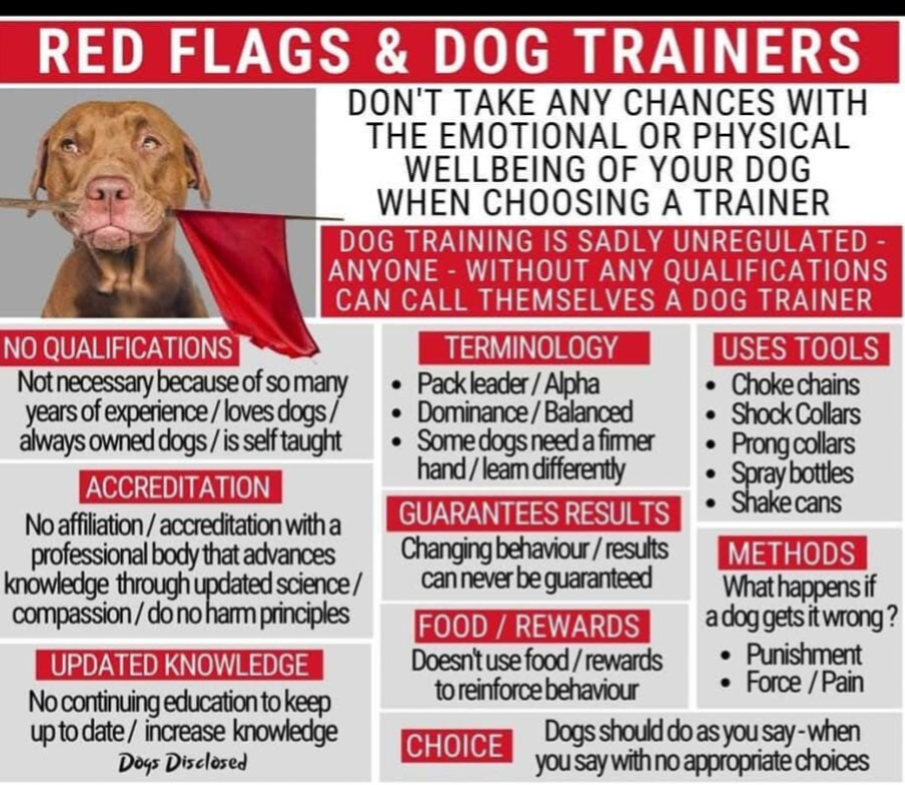
Another pitfall is relying only on one method. Using just rewards might not address serious behavioral issues, while only corrections can damage your dog’s trust. Balance helps you build a strong relationship based on respect and understanding.
Have you ever noticed how your dog reacts differently when you change your tone or body language? Paying attention to these subtle cues can help you avoid mistakes and improve your training results.
Tools And Equipment For Balanced Training
Balanced dog training uses different tools to guide your dog effectively. These tools help communicate commands and correct behaviors gently. Choosing the right equipment makes training clear and consistent.
Each tool has a purpose. Some help with control, others reward good actions. Using them correctly improves your dog’s learning and trust.
Collars And Leashes
Collars and leashes give control during walks and training sessions. They come in many types, including flat collars, martingale collars, and prong collars. Each type suits different dogs and training needs.
- Flat collars are comfortable for daily use and basic training.
- Martingale collars prevent slipping and offer gentle control.
- Prong collars provide correction but require careful handling.
Leashes also vary in length and strength. Short leashes keep dogs close. Long leashes allow more freedom while still keeping control. Strong leashes prevent breaks during pulling.
Clickers And Treats
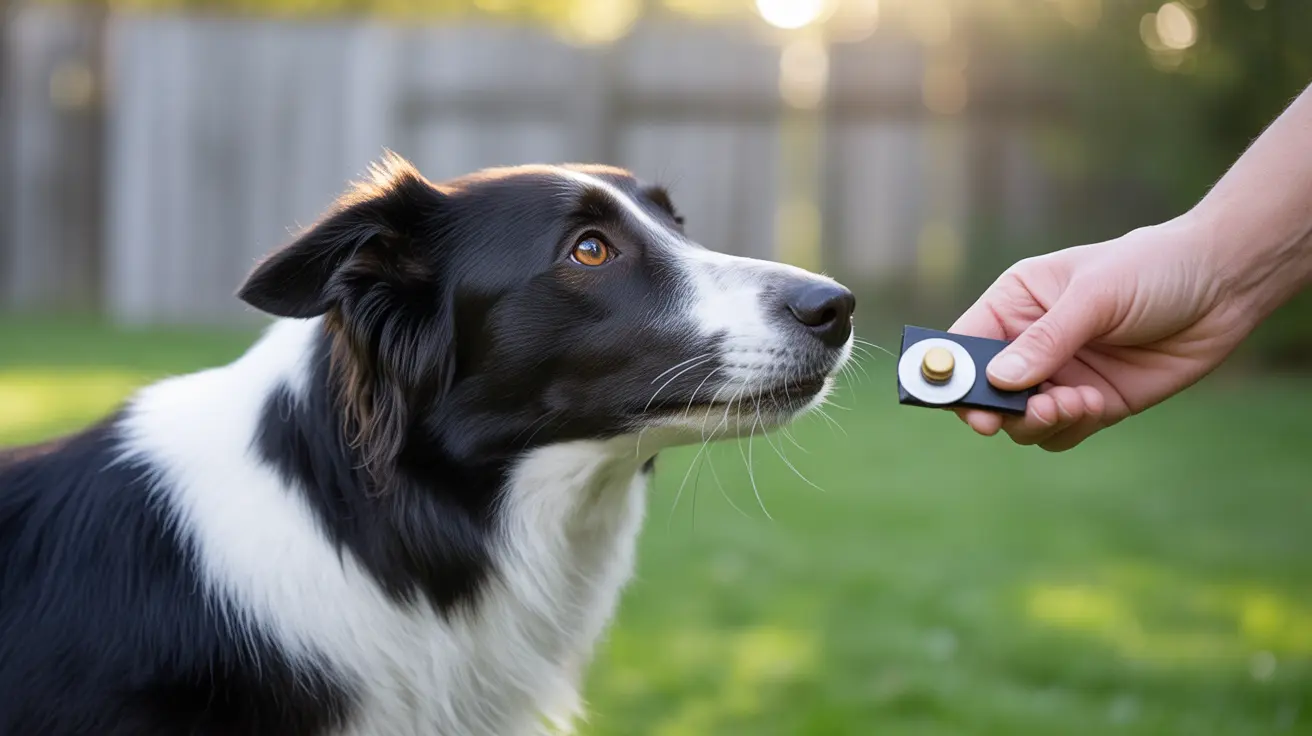
Clickers and treats work as positive reinforcement tools. Clickers produce a distinct sound to mark good behavior. This helps dogs understand which actions earn rewards.
- Clickers are small and easy to carry.
- Treats should be tasty and healthy.
- Use treats to motivate and reward your dog.
Combining clickers with treats speeds up learning. The dog links the click sound to getting a reward. This creates clear communication without confusion.
Building Lasting Results
Building lasting results in balanced dog training ensures dogs retain what they learn. This approach combines positive reinforcement with gentle corrections. It helps dogs understand expected behaviors. Consistency and patience are key to success. Let’s delve deeper into how to achieve lasting results.
Consistency In Practice
Consistency builds trust between you and your dog. Use the same commands each time. This reduces confusion. Reward desired behaviors immediately. Correct unwanted behaviors gently. Practice daily, even for a few minutes. Short sessions prevent boredom. They keep your dog engaged. Consistent practice reinforces learning.
Maintaining Training Over Time
Training doesn’t stop after a few weeks. It’s a lifelong process. Regular refreshers help maintain skills. Integrate training into daily routines. Use training opportunities during walks. Playtime can reinforce commands too. Keep sessions fun and positive. This maintains your dog’s interest and eagerness to learn.
Adapting Methods To Your Dog
Balanced dog training blends rewards and corrections. Adapting these methods to suit your dog is crucial. Every dog is unique, and their training should reflect that. Tailoring your approach improves learning and strengthens your bond.
Considering Breed And Temperament
Different breeds have different needs and instincts. Some breeds are more energetic, while others are calm. Temperament affects how dogs respond to training. A shy dog may need gentle encouragement. A bold dog might require clear boundaries. Understanding these traits helps choose the right training tools and pace.
Adjusting Techniques As Needed
Not all techniques work for every dog. Watch your dog’s reactions closely. If a method causes stress, try a softer approach. Use more treats for motivation or more corrections for stubborn behavior. Adjust timing and intensity based on progress. Consistency with flexibility leads to better results.

Credit: www.considerthedog.com
Credit: suburban-k9.com
Frequently Asked Questions
What Is Balanced Dog Training?
Balanced dog training uses both rewards and corrections. It combines positive reinforcement with discipline to teach good behavior. This method aims for clear communication and consistent rules. It helps dogs learn effectively and behave well in various situations.
How Does Balanced Training Differ From Other Methods?
Balanced training mixes rewards with corrections, unlike purely positive or punitive methods. It offers a middle ground, focusing on both motivation and discipline. This approach helps address different dog behaviors more flexibly and promotes balanced learning outcomes.
Is Balanced Training Safe For All Dogs?
Yes, balanced training is safe when applied correctly. It uses fair, humane corrections combined with positive rewards. The key is proper timing and consistency by the trainer. This ensures dogs learn without fear or stress.
What Are The Benefits Of Balanced Dog Training?
Balanced training creates clear communication between owner and dog. It encourages good behavior through rewards and corrects misbehavior gently. This method builds trust and respect, leading to well-behaved, confident dogs.
Conclusion
Balanced dog training mixes rewards and corrections to teach dogs well. It helps dogs learn good behavior and stay happy. This method respects the dog’s feelings while guiding them clearly. Trainers and owners build trust and understanding together. Choosing balanced training means working patiently and kindly with your dog.
It creates a strong bond that lasts a lifetime. Try this approach to see positive changes in your dog’s behavior. Training becomes easier and more enjoyable for both of you. A well-trained dog is a happy dog.