If your adult dog is carrying extra weight, you’re probably worried about their health and happiness. Choosing the best dog food for overweight dogs isn’t just about cutting calories—it’s about finding the right balance of nutrients to help your furry friend lose weight safely and feel great.
You’ll discover how to pick the perfect food that supports weight loss without sacrificing taste or energy. Keep reading to learn the simple steps you can take to help your dog live a healthier, happier life.
Causes Of Overweight In Adult Dogs
Understanding why your adult dog is gaining extra weight is crucial before choosing the best dog food to help them slim down. Overweight dogs face increased risks of joint problems, diabetes, and heart issues. Identifying the causes allows you to tailor their diet and lifestyle effectively.
Common Dietary Factors
Many dogs become overweight because their diet contains too many calories or unhealthy ingredients. Feeding your dog table scraps or high-fat treats adds unnecessary weight. Also, some commercial dog foods are loaded with fillers and excess carbs, which can contribute to weight gain.
Have you checked the calorie content on your dog’s food label recently? Overfeeding, even with healthy food, leads to weight problems. Portion control is just as important as the quality of the food.
Lack Of Exercise
Exercise helps burn calories and keeps your dog’s metabolism active. A sedentary lifestyle, especially for indoor dogs, often causes weight gain. Even a short daily walk or playtime can make a significant difference in maintaining a healthy weight.
Think about your dog’s activity levels—are they moving enough each day? Dogs that get bored or anxious indoors tend to eat more out of habit rather than hunger. You can help by adding more play and movement to their routine.
Health Conditions Influencing Weight
Some health issues can make it harder for your dog to stay lean. Hypothyroidism and Cushing’s disease are common conditions that slow down metabolism and cause weight gain. Medications for other illnesses might also increase appetite or decrease activity levels.
If your dog is gaining weight despite proper diet and exercise, it’s time to consult your vet. Diagnosing underlying problems early can prevent serious complications and guide you to the best food and care plan.
Key Nutritional Needs For Overweight Dogs
Managing the diet of an overweight adult dog goes beyond simply cutting calories. Your dog needs specific nutrients that support weight loss while keeping energy levels steady and muscles strong. Understanding these key nutritional needs helps you choose the best dog food that promotes a healthy weight without sacrificing overall wellness.
Low-calorie Ingredients
Choosing dog food with low-calorie ingredients helps reduce your dog’s daily energy intake without leaving them hungry. Ingredients like lean meats, vegetables, and whole grains provide essential nutrients without excessive calories.
Have you noticed how some treats seem to add up quickly in calories? Opt for foods with controlled fat content and avoid fillers that add empty calories. This can make a big difference in your dog’s weight management journey.
High Fiber Content
Fiber is crucial for overweight dogs because it helps them feel full longer. Foods rich in fiber, such as pumpkin, sweet potatoes, and beet pulp, aid digestion and prevent overeating.
Adding fiber doesn’t just help with weight; it also supports gut health. You might find your dog’s bowel movements become more regular and less smelly, which is a nice bonus!
Protein Requirements
Protein supports muscle maintenance, which is vital when your dog is losing fat. High-quality protein sources like chicken, turkey, or fish keep your dog strong and energized.
Do you know that a protein-rich diet can help your dog burn more calories even at rest? Ensuring enough protein in their food protects lean muscle and prevents them from becoming weak during weight loss.
Types Of Dog Food For Weight Management
Choosing the right food helps manage your adult dog’s weight effectively. Different types of dog food offer unique benefits for weight control. Understanding these options allows you to select the best diet for your pet’s health needs.
Dry Kibble Options
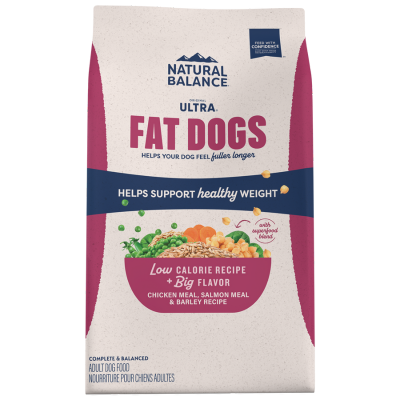
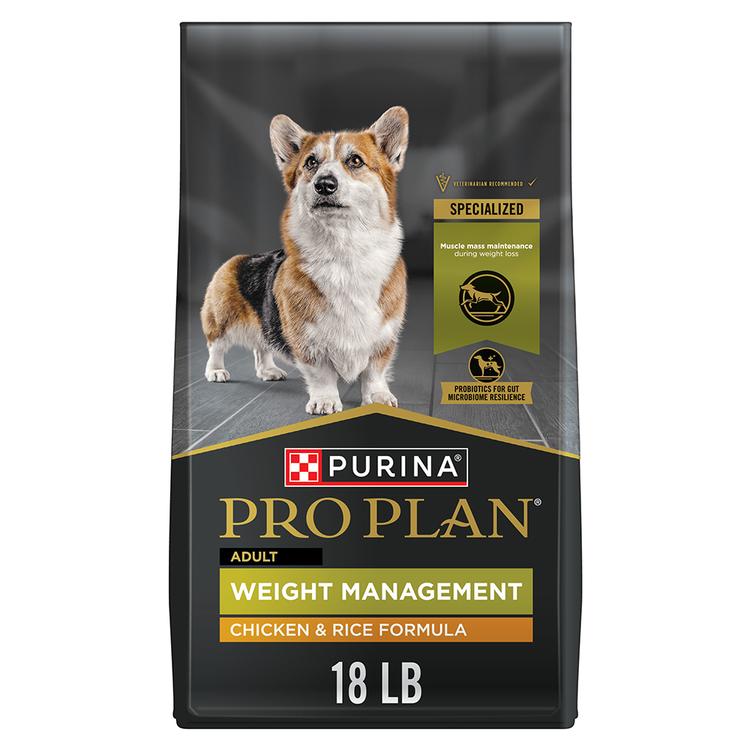
Dry kibble is popular for weight management. It usually contains fewer calories and more fiber. This helps dogs feel full longer. Many brands offer formulas with reduced fat and added nutrients. Kibble also supports dental health by reducing plaque buildup.
Wet Food Choices
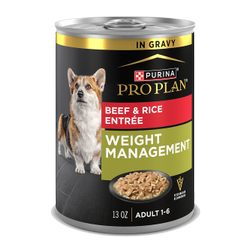
Wet food contains more moisture, which can aid hydration. It often has a richer taste, encouraging picky eaters to eat less but feel satisfied. Some wet foods are specially made with lower calories and balanced nutrients. This helps overweight dogs lose weight safely.
Specialty Prescription Diets
Prescription diets are made by veterinarians for weight problems. These foods have precise nutrient levels to support weight loss and maintain muscle. They often include ingredients that boost metabolism and reduce hunger. Only use these diets under veterinary advice for best results.
Credit: www.purina.com
Top Dog Food Brands For Overweight Adult Dogs In 2025
Choosing the best dog food for overweight adult dogs helps support healthy weight loss and energy. Top brands offer balanced nutrition with fewer calories and added fiber. These foods aid digestion and keep dogs full longer.
Finding the right dog food for your overweight adult dog can be a game-changer in managing their health and weight. In 2025, several brands stand out for their specialized formulas designed to support weight management while ensuring your furry friend receives all the necessary nutrients. Let’s dive into the top dog food brands that are making waves with their innovative and effective products.Brand A Features And Benefits
Brand A has formulated a low-calorie dog food that doesn’t compromise on taste, making it a favorite among picky eaters. Its high fiber content aids digestion and keeps your dog feeling full longer, reducing the temptation for extra snacks. With added L-carnitine, it helps metabolize fat more efficiently, supporting a healthier weight.Brand B Features And Benefits
Brand B prides itself on using all-natural ingredients, ensuring a wholesome meal for your pet. Their unique blend of omega fatty acids promotes a shiny coat and healthy skin, even as your dog sheds extra pounds. It also includes joint-supporting glucosamine, perfect for older dogs who might be dealing with mobility issues due to weight.Brand C Features And Benefits
Brand C offers a grain-free option for dogs with sensitive stomachs, focusing on lean proteins like chicken and turkey. This formula is packed with antioxidants to boost your dog’s immune system, keeping them vibrant and active. With a commitment to sustainability, Brand C sources its ingredients responsibly, making it a choice you can feel good about. Have you ever wondered how a simple change in diet could impact your dog’s life? By choosing the right food, you’re not just managing their weight—you’re enhancing their overall well-being. Each brand offers something unique, so consider what’s most important for your dog’s specific needs and lifestyle.Homemade Vs Commercial Dog Food For Weight Loss
Choosing the right food for your overweight adult dog is crucial for effective weight loss. You might wonder whether homemade meals or commercial dog food offer better results. Both options have unique benefits and challenges that impact your dog’s health and your daily routine.
Pros And Cons Of Homemade Meals
Preparing homemade meals lets you control every ingredient your dog eats. You can avoid fillers, artificial additives, and unhealthy fats often found in some commercial products.
However, creating balanced meals requires careful research and time. Missing essential nutrients can slow down your dog’s weight loss or even cause health problems.
Have you tried making your dog’s meals but felt unsure if they were getting the right nutrition? That’s a common concern that many pet owners face.
Commercial Food Advantages
Commercial dog foods designed for weight loss are formulated by experts to meet all nutritional needs. They often contain precise calorie counts and ingredients that support metabolism.
These foods save you time and reduce the guesswork involved in feeding your dog. You can easily find options with added fiber to keep your dog full longer.
But not all commercial diets are created equal. It’s important to read labels carefully and choose reputable brands to avoid low-quality ingredients.
Balancing Nutrition At Home
If you prefer homemade meals, balance is key. Include lean proteins like chicken or turkey, vegetables rich in fiber, and controlled amounts of healthy fats.
Consulting a vet or pet nutritionist can help you design a meal plan that supports weight loss without sacrificing essential vitamins and minerals.
Have you considered mixing homemade and commercial foods? This combo can offer the best of both worlds—nutrition and convenience—while helping your dog shed pounds safely.
Tips For Transitioning Your Dog To New Food
Switching your adult overweight dog to a new food requires care and patience. Sudden changes can upset their stomach or cause them to reject the new diet altogether. Taking the right steps ensures your dog adjusts smoothly and stays healthy during this transition.
Gradual Introduction Plan
Start by mixing a small amount of the new food with your dog’s current food. A good rule is to begin with 25% new food and 75% old food for about three days. Then, slowly increase the new food portion while decreasing the old food over the next 7 to 10 days.
This slow change helps your dog’s digestive system adapt without causing diarrhea or vomiting. Have you noticed how some dogs are pickier than others? Patience here can prevent mealtime battles.
Monitoring Your Dog’s Response
Watch your dog closely for any changes in appetite, stool quality, or energy levels during the transition. If you see persistent vomiting, diarrhea, or lethargy, pause the switch and consult your vet. Sometimes a different formula or a slower transition is needed.
Keep a simple journal to track your dog’s reactions daily. This record helps you spot patterns and adjust the plan effectively.
Adjusting Portions And Feeding Schedule
Overweight dogs often need smaller, more frequent meals to help with weight control and digestion. After the transition, consider splitting the daily food amount into two or three meals instead of one. This can reduce hunger spikes and improve metabolism.
Use a measuring cup to avoid overfeeding and follow the calorie guidelines on the dog food packaging. Have you tried timed feeding instead of free feeding? It can make a big difference in portion control.
Exercise And Lifestyle Changes To Support Weight Loss
Exercise and lifestyle changes play a key role in helping overweight adult dogs lose weight. Physical activity boosts metabolism and improves muscle tone. It also supports heart health and joint flexibility. Changing daily routines can encourage healthier habits and keep your dog active. Combining exercise with a balanced diet creates the best results for weight loss.
Recommended Activities For Overweight Dogs
Choose low-impact exercises that reduce stress on joints. Start slow and increase activity gradually. Some good options include:
- Short leash walks on flat surfaces
- Swimming, which is easy on joints
- Gentle play sessions with toys
- Indoor fetch with soft balls
- Controlled treadmill walks, if available
These activities help burn calories without risking injury.
Safe Exercise Practices
Monitor your dog’s response to exercise closely. Stop if you notice heavy panting, limping, or fatigue. Avoid exercise in extreme heat or cold. Warm up and cool down with gentle walking. Keep sessions short at first, around 5 to 10 minutes. Gradually increase time and intensity over several weeks.
Combining Diet And Activity
Weight loss works best when diet and exercise are balanced. Feed measured portions of high-quality, low-calorie dog food. Avoid giving too many treats or table scraps. Use exercise to complement calorie control. Track your dog’s weight and adjust food intake or activity as needed. Consistency helps maintain steady, healthy weight loss.
Credit: www.naturalbalanceinc.com
When To Consult Your Veterinarian
Knowing when to consult your veterinarian about your overweight adult dog is crucial for their health. Not all weight gain is simple overeating; sometimes, it hides deeper health problems. Recognizing the right moment to seek professional advice can make all the difference in managing your dog’s weight safely and effectively.
Signs Of Underlying Health Issues
If your dog is gaining weight despite controlled feeding and regular exercise, it may signal an underlying health problem. Look out for symptoms like excessive thirst, lethargy, or changes in appetite. These signs could indicate conditions such as hypothyroidism or diabetes that need veterinary diagnosis and treatment.
Professional Weight Management Programs
Your veterinarian can offer tailored weight management programs that fit your dog’s specific needs. These programs often include special diets, portion control guidance, and exercise plans designed by experts. Participating in such a program increases your dog’s chance of reaching a healthy weight safely.
Regular Health Monitoring
Regular check-ups help track your dog’s progress and catch any new health issues early. Your vet can adjust the diet or treatment plan based on these visits. How often should you schedule these visits? Usually, every 3 to 6 months, depending on your dog’s condition and response to the weight loss plan.
Credit: www.purina.com
Frequently Asked Questions
What Ingredients Should Overweight Dog Food Contain?
Overweight dog food should contain high protein, low fat, and fiber-rich ingredients. These help with satiety and lean muscle maintenance. Avoid fillers and high-calorie additives to support healthy weight loss and overall well-being.
How To Choose The Best Dog Food For Weight Loss?
Look for dog food labeled for weight management or light formulas. Check calorie content and ingredient quality. Consult your vet to match the food with your dog’s age, size, and health needs for safe weight loss.
Can Adult Overweight Dogs Eat Grain-free Food?
Grain-free foods can be suitable but are not always necessary. Focus on balanced nutrition and calorie control. Some overweight dogs may benefit, but consult your vet to ensure it meets your dog’s dietary requirements.
How Often Should Overweight Dogs Be Fed Daily?
Feeding overweight dogs two to three small meals daily helps regulate metabolism. Portion control is key to avoid overeating. Consistent feeding times support digestion and weight management.
Conclusion
Choosing the right food helps your overweight dog stay healthy. Balanced meals control weight and give energy. Watch portions carefully and avoid extra treats. Regular exercise also supports weight loss. Consult your vet for the best diet plan. Healthy food and activity keep your dog happy.
Small changes lead to big improvements over time. Your dog deserves a long, active life. Keep feeding smart and stay patient with progress.