
Have you ever wondered what happens if you give puppy food to your adult dog? It might seem like a harmless choice, especially if you have extra puppy food lying around.
But before you make that decision, it’s important to know how this could affect your dog’s health and well-being. You’ll discover the key differences between puppy and adult dog food, and why feeding the wrong food might cause more harm than good.
Keep reading to learn how to keep your furry friend happy and healthy every day.

Credit: www.petscare.com
Differences Between Puppy And Adult Dog Food
Puppy food and adult dog food serve different purposes. Puppies need special nutrition to grow strong and healthy. Adult dogs require food that maintains their health and energy. Feeding the wrong type can affect your dog’s wellbeing. Understanding the differences helps you choose the right food.
Nutritional Requirements
Puppies need more protein and fat than adult dogs. These nutrients support muscle growth and brain development. Adult dogs require balanced nutrients to maintain weight and energy. Puppy food often has extra vitamins and minerals to boost immune health. Adult dog food focuses on joint support and digestion.
Calorie Content
Puppy food has higher calories to fuel rapid growth. This helps puppies build energy reserves. Adult dog food contains fewer calories to prevent weight gain. Excess calories can cause obesity and health issues. Feeding puppy food to adults may lead to overeating.
Ingredient Variations
Puppy food includes ingredients that aid development. These can include DHA from fish oil for brain health. Adult dog food uses ingredients to support long-term health. Fiber content is higher to help with digestion. Some adult foods contain antioxidants for immune support.
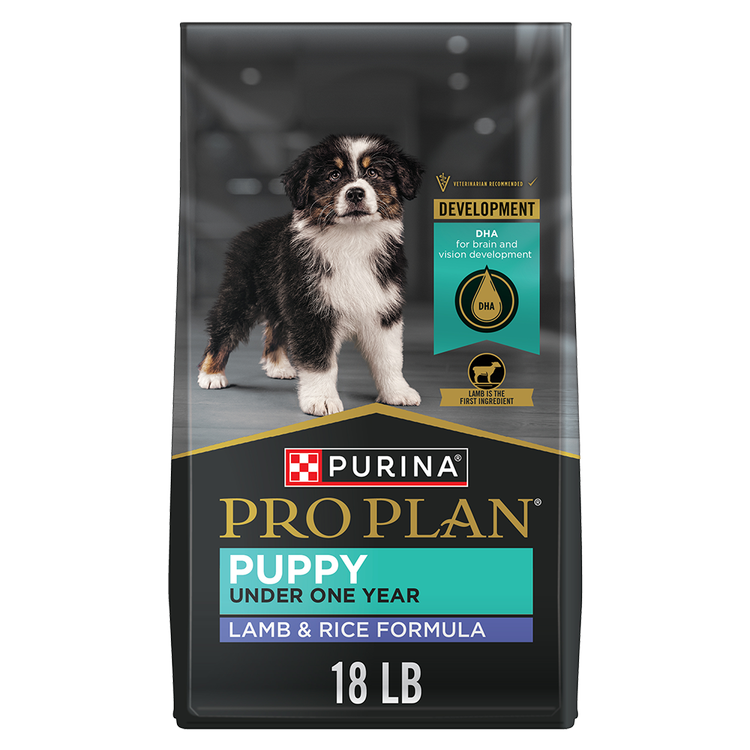
Credit: www.purina.com
Potential Risks Of Feeding Puppy Food To Adult Dogs
Feeding puppy food to an adult dog may seem harmless at first, but it can lead to several health problems over time. Puppy food is specially formulated to meet the rapid growth needs of young dogs. Adult dogs have different nutritional requirements, and giving them puppy food can create imbalances that affect their well-being.
Weight Gain And Obesity
Puppy food contains more calories and fat than adult dog food. This higher energy content supports growth but can cause your adult dog to gain unwanted weight quickly.
Excess weight puts extra strain on your dog’s joints and heart. Have you noticed your adult dog getting sluggish or less playful after switching to puppy food? That might be the first sign of weight-related issues.
Digestive Issues
Adult dogs may struggle to digest the richer ingredients in puppy food. The extra fats and proteins can upset their stomachs, causing diarrhea or vomiting.
Sudden changes in diet often trigger digestive discomfort. If your dog shows signs of tummy trouble, it’s worth reconsidering the food you’re offering.
Nutrient Imbalance
Puppy food is high in calcium and phosphorus to support bone growth. Too much of these minerals in adult dogs can lead to health problems like kidney damage or urinary issues.
Adult dogs need a balanced diet tailored to maintain their health, not promote growth. Feeding puppy food disrupts this balance and may cause long-term harm.
Unexpected Effects On Adult Dogs
Feeding puppy food to adult dogs can cause weight gain and digestive issues. Adult dogs need different nutrients for their size and energy levels. Using puppy food long-term may lead to health problems.
Unexpected Effects on Adult Dogs Feeding puppy food to an adult dog might seem harmless at first, but it can lead to a range of unexpected effects. Puppy food is formulated with higher levels of nutrients to support growth, which can impact your adult dog’s health and behavior in surprising ways. Understanding these effects can help you make better dietary choices for your furry friend.Increased Energy Levels
Adult dogs consuming puppy food may exhibit a surge in energy. The higher calorie content, designed for growing puppies, can leave your adult dog bouncing off the walls. You might notice them being more playful or even restless, which can be a challenge if you’re not prepared for the extra activity. It’s essential to manage this newfound energy to prevent destructive behavior. Consider adding more playtime or walks to their routine to channel that energy positively.Behavioral Changes
Changing your dog’s diet can influence their behavior. Some dogs may become more hyperactive, while others might experience anxiety or irritability. This shift can disrupt their usual temperament, leading to challenges in training or social interactions. Monitor your dog’s behavior closely when altering their diet. If you notice significant changes, it might be time to consult with a vet to ensure their well-being.Long-term Health Impacts
While puppy food might boost your dog’s energy, it can also lead to long-term health issues. The excess nutrients and calories can cause weight gain, which is detrimental to an adult dog’s health. Over time, this can lead to obesity, joint issues, or even diabetes. Is it worth risking your dog’s health for a temporary energy boost? Weigh the pros and cons before making dietary changes that could have lasting consequences. By understanding these potential effects, you can make informed decisions about your dog’s diet. Keep their health and happiness in mind, and when in doubt, seek professional advice.
Credit: us.eukanuba.com
When Puppy Food Might Be Appropriate For Adults
Puppy food is designed with extra nutrients to support growth. Adult dogs usually need fewer calories and different nutrient balances. Still, some adult dogs can benefit from puppy food for a short time. Knowing when to offer puppy food can help meet their special needs safely.
Pregnant Or Nursing Dogs
Pregnant or nursing dogs need more energy and nutrients. Puppy food provides extra protein, fat, and vitamins. This helps support their health and their puppies’ development. Feeding puppy food during pregnancy or nursing can improve milk quality and keep the mother strong.
Dogs With High Energy Needs
Active dogs like working or sporting breeds burn more calories. Puppy food’s higher calorie content can fuel their energy demands. It helps maintain their weight and muscle mass. For these dogs, puppy food can be a good choice to meet their active lifestyle.
Recovering From Illness
Dogs recovering from illness or surgery need more nutrition to heal. Puppy food offers concentrated nutrients that support recovery. It can help rebuild strength and improve immune function. Feeding puppy food during recovery may speed up healing and improve well-being.
Safe Feeding Practices For Adult Dogs
Feeding an adult dog requires careful choices to keep them healthy. Safe feeding practices help maintain good nutrition and avoid problems. Understanding what food suits an adult dog is essential for their well-being. Proper feeding supports energy, weight, and overall health.
Choosing The Right Food
Select food made for adult dogs. These foods have the right balance of nutrients for grown dogs. Puppy food has more calories and fat, which can cause weight gain in adults. Adult dog food supports their energy needs without extra calories. Check the label for protein, fat, and fiber content. Choose high-quality ingredients and avoid fillers.
Transitioning Between Diets
Switch diets slowly to avoid stomach upset. Mix new food with old food over 7 to 10 days. Increase the new food amount each day. Watch your dog’s stool and appetite during this time. A sudden change can cause diarrhea or vomiting. Patience helps your dog adjust comfortably to new food.
Monitoring Health And Weight
Check your dog’s weight regularly. Adjust food portions if your dog gains or loses too much weight. Look for signs of poor health like low energy or coat changes. Visit the vet for regular checkups and advice. Good health depends on proper feeding and monitoring.
Frequently Asked Questions
Can Adult Dogs Eat Puppy Food Safely?
Yes, adult dogs can eat puppy food, but it is not ideal. Puppy food is richer in calories and nutrients, which may cause weight gain and digestive issues in adults over time.
What Are Risks Of Feeding Puppy Food To Adults?
Feeding puppy food to adult dogs can lead to obesity, upset stomach, and nutrient imbalance. Puppy food has higher fat and protein, which may strain adult dogs’ organs if given regularly.
How Long Can Adult Dogs Eat Puppy Food?
Adult dogs can eat puppy food for a short time without harm. However, it should not be a long-term diet due to excess calories and nutrients unsuitable for adults.
Will Puppy Food Cause Weight Gain In Adult Dogs?
Yes, puppy food can cause weight gain in adult dogs. Its higher fat and calorie content can lead to excess weight if fed consistently to grown dogs.
Conclusion
Feeding puppy food to an adult dog can cause health problems. Adult dogs need different nutrients than puppies. Puppy food is richer and may lead to weight gain. It can also upset their stomach or cause allergies. Choose dog food that fits your dog’s age and size.
Always consult your vet before changing food. Healthy meals keep your dog happy and strong. Careful feeding helps your dog live a long life. Small changes make a big difference in pet health.